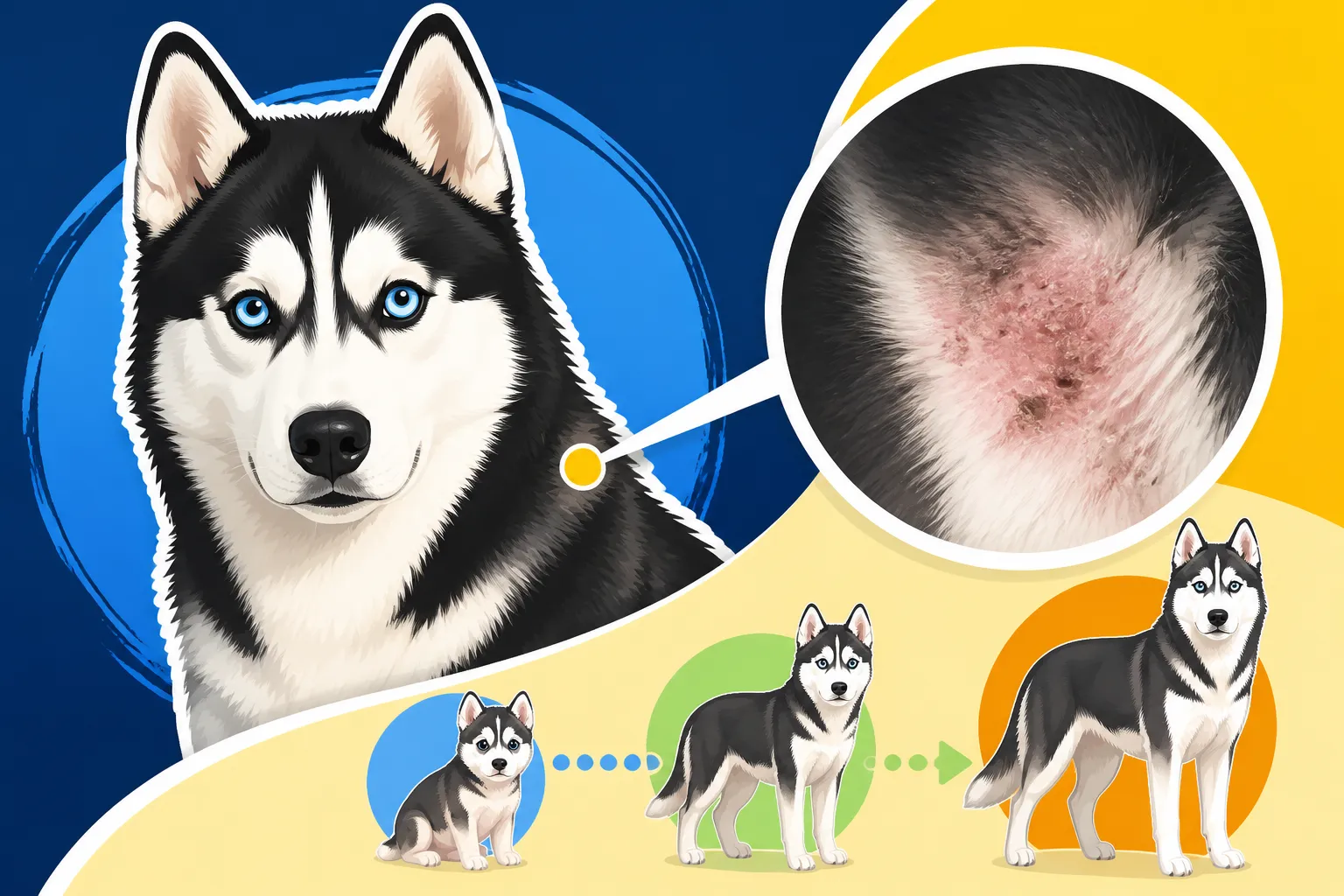
The Age Husky Zinc Dermatosis Starts
It’s truly disheartening to see your vibrant Siberian Husky start showing signs of discomfort, especially when those signs manifest as persistent, unsightly skin issues. Many Husky owners, myself included, have faced the frustration of watching their dog develop crusting lesions around their eyes, mouth, or joints, only to feel bewildered about the cause. This guide aims to demystify one such condition – zinc-responsive dermatosis – specifically shedding light on when this peculiar ailment typically begins to appear in our magnificent dogs.
The Mystery of Zinc-Responsive Dermatosis in Siberian Huskies
Siberian Huskies are, without a doubt, a remarkable breed. Their striking looks, boundless energy, and spirited personalities make them incredible companions. However, along with their unique charm comes a predisposition to certain health quirks, and zinc-responsive dermatosis is certainly high on that list. It’s a frustrating condition because, unlike a simple dietary deficiency, it’s often an issue of absorption rather than intake, making it particularly challenging to understand and manage without proper guidance.
What is Zinc-Responsive Dermatosis?
At its heart, zinc-responsive dermatosis is a skin condition caused by a dog's inability to properly absorb or utilize zinc from their diet. Zinc is a crucial trace mineral, absolutely vital for countless bodily functions, especially for healthy skin, coat, and immune system function. When a dog isn't getting enough usable zinc, their skin cells can't develop or repair correctly, leading to a cascade of problems. For most breeds, a lack of zinc would typically stem from a diet that simply doesn't contain enough of it. But for Siberian Huskies, it's a more nuanced genetic predisposition. It's often not about the amount of zinc in the food, but the ability of their unique digestive system to process and deliver that zinc to where it's needed. This is why you often hear the exasperated cry from Husky owners, "But I feed him good food!" It’s a valid point, and it highlights the breed's specific challenge.
Why Huskies Are Uniquely Susceptible
The reason Siberian Huskies are so prone to zinc-responsive dermatosis boils down to genetics. While the exact mechanism isn't fully understood, it's believed that many Huskies have an inherited defect in their zinc absorption or metabolism pathways. This means that even if they're eating a high-quality, balanced diet that provides adequate zinc for most other breeds, their bodies just aren't able to extract and utilize it effectively. It's almost as if their internal plumbing for zinc is a bit… leaky. This metabolic glitch is a classic example of why a balanced diet does not fix Husky zinc loss. This inherent issue can lead to a continuous struggle to maintain healthy zinc levels, resulting in the characteristic skin lesions we see. It’s not a reflection on your care or the food you choose; it’s simply part of the breed's genetic makeup, a small price to pay for their many wonderful qualities, but a price nonetheless that requires careful management.
Unpacking the Age of Onset for Husky Zinc Dermatosis
This is often the burning question for worried Husky parents: "When does this actually start?" The truth is, while there's a typical window, it's not a hard-and-fast rule. Zinc-responsive dermatosis doesn't usually appear overnight, and its onset can be subtle, sometimes easily mistaken for other common skin irritations or allergies. Understanding this timeline can help you be vigilant and seek veterinary attention sooner, which can make all the difference in managing the condition effectively.
The Typical Age Range for Initial Symptoms
Generally speaking, Siberian Huskies tend to show the first signs of zinc-responsive dermatosis when they are relatively young, often between one to three years of age. This period coincides with their growth and maturation, when their bodies are under increased demand for essential nutrients like zinc. However, it's not unheard of for symptoms to manifest slightly earlier, in later puppyhood (around 6-12 months), or even a bit later, up to five or six years of age. What's crucial to remember is that it rarely appears in very young puppies (under six months) and is less common to see as a brand-new diagnosis in truly senior Huskies, unless they've been undiagnosed for years or are undergoing significant stress. This age range is a helpful guideline, but every dog is an individual, and environmental factors can also play a role in symptom presentation.
Early Warning Signs and Influencing Factors
The initial signs of zinc-responsive dermatosis can be quite mild and might even be dismissed as something minor. You might notice a slight dullness to their coat, or just a bit of dryness around their eyes or mouth. As the condition progresses, you'll start to see the more classic symptoms like redness, scaling, and crusting of the skin, particularly around the eyes, muzzle, ears, and often on pressure points like the elbows, hocks, and footpads. These lesions can be itchy and sometimes painful, leading to secondary infections if the skin barrier is compromised. If you spot crusting skin on a Siberian Husky's face, especially around the mouth or eyes, it’s a strong indicator to investigate further.
Several factors can influence when and how severely the condition presents:
- Genetics: The primary driver. Dogs from lines with a history of zinc-responsive dermatosis are more likely to develop it.
- Stress: Periods of stress, such as rehoming, intense training, or other illnesses, can sometimes trigger or worsen symptoms.
- Diet: While a "balanced diet" doesn't fix the underlying absorption problem, extremely poor quality food could exacerbate a borderline case.
- Rapid Growth: The intense nutrient demands of a growing Husky can sometimes bring out the symptoms earlier if their absorption is already compromised.
Being aware of these early signs and factors means you can be proactive. Don't wait until the crusting is severe and widespread; an early vet visit can prevent a lot of discomfort for your Husky.
Spotting the Signs and Getting a Diagnosis
Recognizing the symptoms of zinc-responsive dermatosis can be tricky because many skin conditions share similar outward appearances. However, knowing where to look and understanding the typical progression can help you provide your veterinarian with crucial information, leading to a faster and more accurate diagnosis. No one wants to see their dog suffer from persistent skin issues, and getting to the root cause is the first step toward relief.
Where Lesions Typically Appear First
One of the hallmarks of zinc-responsive dermatosis in Siberian Huskies is the specific location of the skin lesions. They tend to emerge in areas of friction or around orifices, making them fairly distinctive once you know what you’re looking for. The most common places to observe these changes are:
- Around the eyes: The skin here can become dry, flaky, red, and crusty, sometimes extending to the eyelids.
- Around the mouth and muzzle: You might notice crusting, scaling, and even cracking at the corners of the mouth or along the lip margins. This is often described as a "crusting around the muzzle" and is a classic presentation.
- Around the ears: The ear tips and the skin at the base of the ears can become thickened, scaly, and crusty.
- Pressure points: Lesions frequently develop on the elbows, hocks (ankles), and sometimes the stifle (knee) and carpal (wrist) joints where the skin experiences more wear and tear.
- Footpads: In severe cases, the paw pads can become hard, cracked, and painful.
- Genital areas: Lesions can also appear around the vulva in females or prepuce in males.
What often surprises owners is that these lesions are typically symmetrical, appearing on both sides of the body in similar locations. They can range from mild scaling and hair loss to severe crusting, oozing sores, and secondary bacterial or yeast infections, especially if the dog has been scratching or licking the affected areas.
The Diagnostic Process
If you suspect your Husky might be dealing with zinc-responsive dermatosis, a trip to your veterinarian is essential. Don't try to self-diagnose or treat with over-the-counter remedies, as many skin conditions can look similar but require very different approaches. Your vet will start with a thorough physical examination, paying close attention to the distribution and type of skin lesions.
The diagnostic process typically involves:
- Clinical Signs and Breed Predisposition: Your vet will consider the characteristic lesions and your dog's breed. The fact that it's a Siberian Husky immediately raises a flag for zinc-responsive dermatosis.
- Skin Biopsy: This is often the definitive diagnostic tool. A small sample of affected skin is surgically removed (usually under local anesthetic) and sent to a veterinary pathologist. The pathologist examines the tissue under a microscope for specific changes indicative of zinc deficiency, such as parakeratosis (abnormal keratinization of the skin). This helps confirm the diagnosis and rule out other conditions.
- Blood Tests: While blood zinc levels can be measured, they aren't always a reliable indicator of zinc-responsive dermatosis because circulating zinc levels can fluctuate and might not reflect the amount of zinc available to the skin cells. However, they might be done as part of a general health panel.
- Response to Treatment: In some cases, especially where a biopsy isn't immediately feasible, a "therapeutic trial" might be initiated. This involves starting zinc supplementation and observing if the skin lesions improve. A positive response (i.e., significant improvement) strongly supports the diagnosis.
It’s important to differentiate zinc-responsive dermatosis from other common skin issues like allergies, bacterial infections (pyoderma), fungal infections (ringworm), or even autoimmune diseases like pemphigus foliaceus in the Siberian Husky. A good vet will systematically rule out these possibilities to ensure your Husky gets the correct treatment. While diagnosing can feel like a maze, having a robust pet insurance plan like those from Healthy Paws can certainly help ease the financial burden of biopsies, specialist visits, and ongoing medication costs, allowing you to focus on your dog's health without undue stress.
Living with and Managing Zinc-Responsive Dermatosis
Once diagnosed, zinc-responsive dermatosis is a condition that typically requires lifelong management. The good news is that with appropriate treatment, most Siberian Huskies respond incredibly well, and their skin can return to a healthy state. The key is consistency and a close working relationship with your vet. It’s not just about giving a pill; it’s about understanding the nuances of how your individual dog responds and adjusting care as needed.
Treatment Protocols: Zinc Supplementation is Key
The cornerstone of treatment for zinc-responsive dermatosis is, unsurprisingly, zinc supplementation. This isn't about just adding more zinc to their food; it's about providing a highly absorbable form of zinc in therapeutic doses. The most commonly prescribed forms include:
- Zinc sulfate: This is often the first choice due to its effectiveness and relatively low cost.
- Zinc methionine: A chelated form of zinc that is generally well-absorbed.
- Zinc gluconate: Another absorbable form, often found in human supplements, which can be prescribed by vets.
The specific zinc doses used in Siberian Huskies will be determined by your veterinarian. They will calculate the dosage based on your dog's weight, the severity of their symptoms, and how well they tolerate the supplement. It's vital to follow your vet's instructions precisely, as too little zinc won't be effective, and too much can be toxic, leading to side effects like vomiting, diarrhea, or even more serious issues like anemia. Zinc supplementation for a Siberian Husky is a delicate balance.
In addition to zinc, your vet might prescribe other medications, especially in the initial stages:
- Antibiotics or antifungals: To clear up any secondary bacterial or yeast infections that have developed in the compromised skin.
- Topical therapies: Medicated shampoos or ointments can help soothe the skin, reduce crusting, and treat localized infections.
- Anti-inflammatory medications: In severe, itchy, or painful cases, short-term corticosteroids might be used to provide rapid relief while the zinc begins to take effect.
Long-Term Care and Prognosis
Zinc-responsive dermatosis is generally a lifelong condition, meaning most Huskies will need continuous zinc supplementation to prevent a recurrence of symptoms. However, with consistent treatment, the prognosis is excellent. Most dogs achieve complete remission of their skin lesions and live normal, comfortable lives.
Here's what long-term care typically involves:
- Consistent Supplementation: This is non-negotiable. You'll need to administer the prescribed zinc supplement daily, often with food to minimize stomach upset. Your vet will periodically reassess the dosage and may try to find the lowest effective dose over time. Whether a Husky needs zinc for life is a common question, and for most, the answer is yes.
- Regular Veterinary Check-ups: Initial follow-up appointments will be crucial to monitor your Husky's response to treatment and to adjust dosages. Once stable, annual check-ups are usually sufficient to monitor overall health and zinc levels if deemed necessary.
- Monitoring for Recurrence: Even with consistent treatment, occasional flare-ups can occur, especially during times of stress or if a dose is missed. Be vigilant for any return of crusting, redness, or itching, and contact your vet if you notice changes.
- Dietary Considerations: While special diets don't "cure" the condition, ensuring your Husky eats a high-quality, easily digestible diet can support overall health. Avoid excessively high calcium diets, as calcium can interfere with zinc absorption.
- Grooming: Gentle grooming can help keep the coat and skin clean, but avoid harsh brushing or frequent bathing that could strip natural oils.
- Pet Insurance: Having pet insurance, like a comprehensive plan from Healthy Paws, can be incredibly valuable for managing a chronic condition like zinc-responsive dermatosis. It can help cover the costs of ongoing medication, veterinary visits, and any unforeseen complications or diagnostic tests that might arise over your Husky's lifetime.
Living with zinc-responsive dermatosis might sound daunting, but it quickly becomes a routine part of your Husky’s care. The relief and comfort your dog experiences once successfully treated make all the effort worthwhile.
| Symptom Category | Specific Manifestation | Common Locations | Appearance & Characteristics |
|---|---|---|---|
| Skin Lesions | Erythema (redness) | Muzzle, eyes, ears, joints | Inflamed, irritated skin |
| Scaling | Muzzle, eyes, ears, joints | Dry, flaky, dandruff-like skin | |
| Crusting | Muzzle, eyes, ears, joints | Hard, yellowish-brown scabs | |
| Alopecia (hair loss) | Muzzle, eyes, ears, joints | Patchy or generalized hair thinning/loss | |
| Hyperkeratosis | Footpads, joints | Thickening and hardening of skin | |
| Fissures/Cracks | Corners of mouth, paw pads | Painful splits in skin | |
| Behavioral | Pruritus (itching) | Affected areas | Licking, scratching, rubbing |
| Pain/Discomfort | Affected areas, especially paw pads | Reluctance to walk, sensitivity to touch | |
| Lethargy (in severe cases) | General | Reduced activity, low energy | |
| Secondary | Pyoderma (bacterial infection) | Affected areas | Pustules, oozing, foul odor |
| Malassezia (yeast infection) | Affected areas | Greasy skin, musty odor |
Disclaimer
The information provided in this article is for general educational purposes only and should not be considered a substitute for professional veterinary advice. If you suspect your Siberian Husky has zinc-responsive dermatosis or any other health condition, please consult with a qualified veterinarian for accurate diagnosis and treatment.