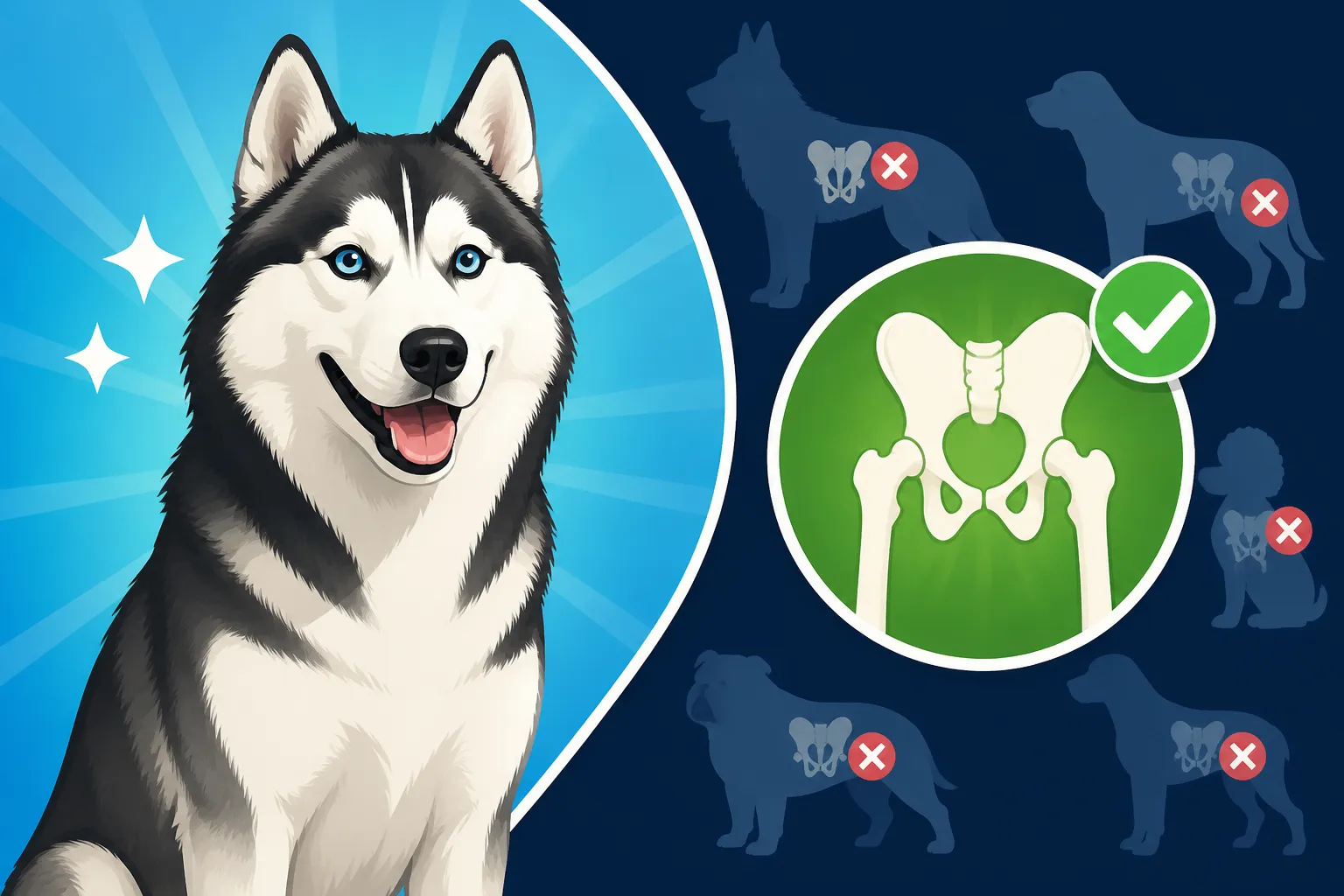
Why Siberian Husky Hip Scores Beat Most Breeds
It can be incredibly disheartening to hear about the common orthopedic issues plaguing so many beloved large dog breeds, with hip dysplasia often topping the list. Many prospective owners approach the idea of getting a substantial dog with a knot of worry in their stomachs, anticipating future vet bills and potential mobility struggles. But here’s some genuinely good news if you’re considering a Siberian Husky: this breed often stands out from the crowd with remarkably healthy hips, a trait that sets them apart from many of their larger canine cousins. This guide will deep dive into why Siberian Huskies boast such impressive hip scores and what that means for their long-term health and your peace of mind.
Understanding Canine Hip Dysplasia (CHD) and Its Impact
Before we celebrate the Siberian Husky's strong hips, it’s crucial to understand what canine hip dysplasia (CHD) actually is and why it's such a significant concern for dog owners. Knowing the enemy, so to speak, helps us appreciate the breed's natural resilience even more.
What is Hip Dysplasia?
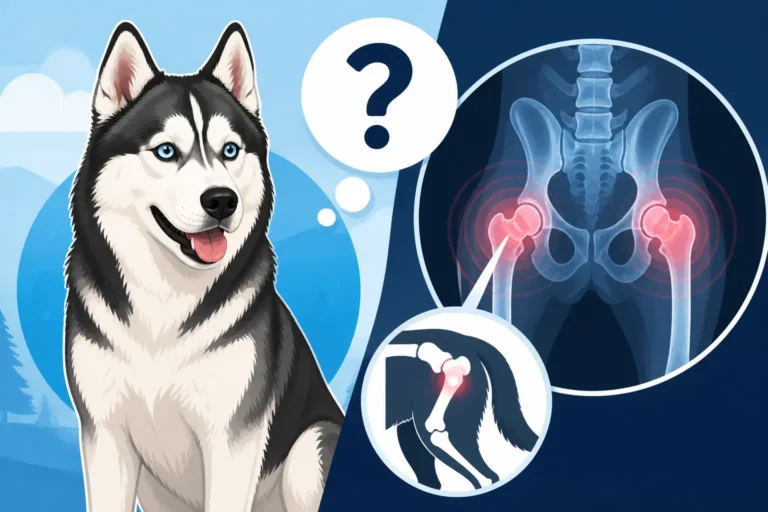
At its core, hip dysplasia is a hereditary condition where the ball and socket joint of the hip doesn't form correctly. Instead of fitting snugly, the hip joint is loose or malformed. Imagine a poorly crafted puzzle piece that doesn't quite lock into place – that's essentially what's happening. This abnormal development means the two parts of the joint rub and grind against each other over time, instead of gliding smoothly. This constant friction leads to degeneration of the joint, often resulting in pain, inflammation, and ultimately, debilitating arthritis.
While primarily genetic, environmental factors can certainly influence the severity and onset of symptoms. Rapid growth, excessive weight, and improper exercise during puppyhood can exacerbate a dog's predisposition to hip dysplasia. For breeds with a higher genetic risk, even perfect care might not prevent the condition entirely, but it can certainly help manage its progression. It's a complex interplay, and for years, breeders have been working diligently to minimize its occurrence in at-risk lines, using tools like the Orthopedic Foundation for Animals (OFA) evaluations.
The Devastating Effects of Poor Hip Health
The consequences of hip dysplasia can range from mild discomfort to severe, debilitating pain that drastically impacts a dog's quality of life. In its early stages, you might notice your dog showing a slight limp after exercise, reluctance to jump or use stairs, or a general stiffness, especially after resting. As the condition progresses, these signs become more pronounced. Dogs might develop a "bunny hop" gait, where they use both hind legs simultaneously to propel themselves forward, trying to minimize stress on their painful hips. Muscle atrophy in the hindquarters is also common, as the dog tries to avoid using those muscles.
For owners, watching their once-energetic companion struggle with everyday movements is heart-wrenching. The pain can make even simple activities like going for a walk or playing fetch agonizing. Treatment often involves a combination of pain management medications, anti-inflammatory drugs, physical therapy, and in severe cases, costly surgical interventions like total hip replacement. The emotional and financial toll on families can be immense. Even with pet insurance from a provider like Healthy Paws, which can help offset some of these significant costs, the daily management and concern for your dog's comfort are a heavy burden. It’s why selecting a breed or a puppy from health-tested parents with a good Reading a Siberian Husky's OFA Hip Result is so critical.
The Siberian Husky's Unique Genetic Advantage
When you look at the statistics for hip dysplasia across various breeds, Siberian Huskies consistently show some of the lowest rates. This isn't just luck; it's a testament to their historical development and ongoing responsible breeding practices.
A History of Natural Selection
The Siberian Husky’s origins trace back to the Chukchi people of northeastern Siberia, where they were bred as endurance sled dogs. Their survival depended on their ability to pull light loads over vast distances in extreme cold, often on minimal rations. Dogs with weak hips simply wouldn't have survived or been able to perform their crucial role, and certainly wouldn't have been bred. This environment acted as a powerful natural selection filter, favoring only the healthiest and most structurally sound animals. Unlike many breeds developed for specific aesthetic traits or short bursts of speed, the Husky was honed for sustained, efficient movement.
This heritage means that the genetic predisposition for robust, well-formed hips is deeply ingrained in the breed's DNA. While no breed is entirely immune to all health issues, the historical pressures on Siberian Huskies have naturally selected against severe orthopedic problems like hip dysplasia. Their relatively light build compared to many other large working breeds also contributes, placing less stress on their joints throughout their lives. It's a fantastic example of how form truly follows function, and why understanding The Chukchi Origins of the Siberian Husky is so vital to appreciating their inherent health.
Breed-Specific Testing and the OFA Database
While natural selection gave the Siberian Husky a fantastic head start, modern responsible breeders play an equally crucial role in maintaining these excellent hip scores. The Orthopedic Foundation for Animals (OFA) is an organization that provides a standardized system for evaluating canine hips and elbows for dysplasia. Dogs are typically x-rayed, and certified veterinary radiologists review the images to assign a hip rating: Excellent, Good, Fair, Borderline, Mild, Moderate, or Severe.
Siberian Husky breeders, particularly those committed to the breed's health, routinely screen their breeding stock through programs like OFA. What's remarkable is that a significant percentage of Siberian Huskies evaluated by OFA receive "Excellent" or "Good" ratings, indicating well-formed and healthy hip joints. This proactive health testing, combined with the breed's inherent genetic strength, is why you'll find that Siberian Husky Hips and Why the Rate Is Low compared to many other breeds. The commitment of breeders to only use dogs with certified healthy hips for breeding further solidifies the breed's reputation for sound conformation. When you're looking for a puppy, always ask to see the OFA certificates of the parents; it's a non-negotiable step in finding a healthy companion. The OFA database is publicly accessible, so you can even verify the results for yourself!
Factors Contributing to Healthy Husky Hips Beyond Genetics
While genetics provide a solid foundation, a Siberian Husky's environment and care throughout their life also play a significant role in maintaining their hip health and overall mobility. It's not just about winning the genetic lottery; it's about nurturing that advantage.
Optimal Exercise and Growth Management
One of the biggest misconceptions about large, active breeds is that they need intense, unrestricted exercise as puppies. For breeds prone to hip dysplasia, this can be incredibly damaging. However, even for Huskies, while their genetics are strong, appropriate exercise is key, especially during their critical growth phases. Over-exercising a puppy or allowing them to engage in high-impact activities like repetitive jumping, hard stops, and starts, or running long distances before their growth plates have closed, can put undue stress on developing joints. This doesn't mean restricting a Husky puppy entirely; they are active! It means favoring controlled, moderate exercise like leash walks and play in a safe, soft area over strenuous, forced runs.
As your Husky matures and their bones fully develop, their need for exercise becomes more pronounced. They are true athletes, built for endurance. Consistent, appropriate exercise helps build strong muscles around the joints, providing natural support and cushioning. Engaging in activities like canicross, bikejoring, or even long hikes once they are physically mature is fantastic. Just be mindful of their age and physical condition. A good general guideline is to avoid intense, prolonged activities until around 18 months to two years of age when their growth plates have typically closed. Thinking about Whether Harness Work Damages a Young Husky's Joints is a common concern, but with proper timing and gradual introduction, structured pulling activities can actually strengthen a Husky responsibly.
Nutrition's Role in Joint Development
Diet is another cornerstone of healthy joint development and maintenance. For Siberian Husky puppies, particularly, it's easy to overfeed, especially since they have a lower calorie requirement than many other medium-to-large breeds. Feeding a high-quality, balanced diet specifically formulated for puppies of their size and breed is crucial. However, the amount fed needs careful monitoring. Rapid growth, often encouraged by overfeeding, puts excessive strain on developing bones and joints, even in genetically sound dogs. This is especially true for large breeds. While Huskies aren't massive, controlled growth is still beneficial.
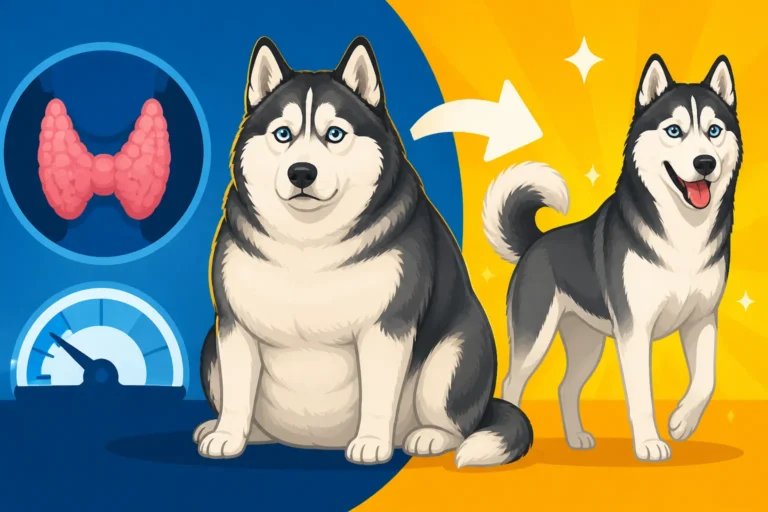
As adults, maintaining an ideal body weight is paramount for hip health. Even a few extra pounds can significantly increase the load on joints, accelerating wear and tear. A lean Husky is a healthy Husky. You should be able to easily feel their ribs without seeing them protruding, and they should have a discernible waist when viewed from above. Discussing The Weight a Siberian Husky Should Hold with your vet is a great idea to ensure you're on track. Furthermore, some joint supplements containing glucosamine and chondroitin can be beneficial for older Huskies or those with minor joint stiffness, though they aren't a substitute for good genetics and proper weight management. Always consult with your veterinarian before adding any supplements to your dog’s diet.
What This Means for Siberian Husky Owners
Understanding the excellent hip health of Siberian Huskies offers a significant advantage to prospective and current owners, providing peace of mind while also highlighting areas where vigilance is still important.
Understanding Your Husky's Risk Profile
The good news is that the Siberian Husky's low rate of hip dysplasia means you're already starting with a much lower baseline risk compared to many other breeds. This doesn't mean you can throw caution to the wind, but it does mean that if you've chosen a puppy from reputable breeders who perform health clearances like OFA, you've significantly stacked the odds in your favor. Health Testing Before You Buy a Siberian Husky is always the best first step. Knowing this can alleviate some of the common anxieties associated with raising a large breed dog.
However, "low risk" doesn't mean "no risk." Individual variation exists within every breed. That's why even with a breed renowned for good hips, selecting a puppy from parents with excellent or good OFA hip scores is still the gold standard. It’s also important to remember that hip dysplasia isn't the only joint or orthopedic issue a dog can face. While their hips are generally robust, other conditions, though less common or unrelated to breed predisposition, can still occur. This might include issues like cruciate ligament tears, which can happen in any active dog, or Early Arthritis Signs in a Siberian Husky as they age, regardless of their initial hip health. Comprehensive pet insurance, such as a plan from Healthy Paws, can provide an essential safety net for these unexpected health challenges, even for a generally healthy breed like the Husky.
Proactive Care for Lifelong Mobility
Even with excellent genetics, proactive care is essential to ensure your Siberian Husky enjoys lifelong mobility. This involves a holistic approach that covers diet, exercise, and regular veterinary check-ups.
Key Components of Proactive Care:
- Weight Management: As mentioned, keeping your Husky at an ideal weight is perhaps the single most impactful thing you can do for their joint health. Excess weight is a silent killer for joints, even healthy ones. Regular body condition scoring and adjusting food intake as needed are critical.
- Appropriate Exercise: Tailor exercise to your Husky's age and fitness level. During puppyhood, prioritize short, controlled play sessions and walks. As adults, they thrive on consistent, vigorous activity. This helps build and maintain strong supporting muscles, which act like natural shock absorbers for their joints. A sedentary Husky is not only prone to weight gain but also lacks the muscle tone needed to protect their skeletal structure.
- Regular Veterinary Check-ups: Routine vet visits are crucial. Your veterinarian can monitor your Husky's weight, assess their gait, and discuss any changes in mobility or activity levels. Early detection of any joint issues, even minor stiffness, allows for earlier intervention and better outcomes. Your vet can also advise on appropriate supplements or lifestyle adjustments as your dog ages. For example, Caring for a Siberian Husky Past Ten will undoubtedly involve more focused joint support and potential pain management strategies.
- Supportive Bedding: Provide comfortable, orthopedic bedding, especially as your Husky gets older. This can help cushion their joints and provide better support during rest, preventing stiffness.
- Consider Pet Insurance: While Huskies are generally healthy, no dog is immune to accidents or illnesses. A good pet insurance policy like those offered by Healthy Paws can provide immense financial relief should your Husky face an unexpected injury or illness, ensuring you can always make decisions based on the best care, not just your budget.
By combining the Siberian Husky's inherent genetic strength with diligent and thoughtful care, you are setting your companion up for a long, active, and comfortable life, full of joyful runs and happy adventures.
Here's a quick look at how Siberian Huskies compare to some other breeds regarding hip dysplasia:
| Breed | OFA Hip Dysplasia Rate (Overall) | Common Hip Rating for Healthy Dogs |
|---|---|---|
| Siberian Husky | <5% | Excellent/Good |
| German Shepherd Dog | 19.8% | Fair/Good |
| Labrador Retriever | 12.4% | Fair/Good |
| Golden Retriever | 19.7% | Fair/Good |
| Bulldog | 73.9% | Mild/Moderate (often dysplastic) |
| Great Dane | 12.8% | Fair/Good |
Note: Percentages represent the proportion of evaluated dogs diagnosed with hip dysplasia by OFA. These are general averages and individual dog results can vary.
Disclaimer
This article is for general informational purposes only and does not constitute professional advice. Laws, prices and regulations vary by location and change over time. Consult a qualified professional for guidance on your specific situation.