Health Testing Before You Buy a Siberian Husky
Bringing a Siberian Husky into your life is an exciting prospect, filled with visions of adventurous hikes, playful snow romps, and endless cuddles. However, many prospective owners, caught up in the beauty and charisma of these dogs, overlook a critical step: thoroughly investigating the health of their future puppy's parents. Skipping this due diligence can lead to devastating heartache and astronomical veterinary bills down the line, as hidden genetic conditions surface unexpectedly. This comprehensive guide is here to unravel the complexities of health testing, equipping you with the knowledge to identify responsible breeders and secure the healthiest possible start for your Siberian Husky companion.
Understanding the Importance of Health Testing for Siberian Huskies
The sheer joy of welcoming a fluffy Siberian Husky puppy into your home can sometimes overshadow the practical considerations of their long-term health. Yet, this initial stage is perhaps the most crucial for ensuring a lifetime of wellness for your furry friend. Health testing isn't just a fancy add-on; it's a fundamental pillar of responsible breeding and a safeguard for future owners.
Why Pre-Purchase Health Screening Matters
Imagine falling head over heels for a tiny, blue-eyed Husky pup, only to discover a year or two later that they're suffering from a painful, debilitating hip condition or slowly going blind from a genetic eye disease. The emotional toll of watching your beloved companion struggle, coupled with the financial strain of extensive medical treatments, can be truly overwhelming. This is a heartbreaking reality for many who buy from breeders who don't prioritize health screening. Pre-purchase health screening of the parents, therefore, isn't just about the puppy; it's about protecting yourself and your family from preventable heartache and significant financial burdens.
Responsible breeders invest considerable time and money into health testing their breeding stock precisely to minimize the risk of passing on these genetic predispositions. They understand that their commitment extends beyond simply producing puppies; it includes ensuring those puppies have the best possible chance at a long, healthy life. By choosing a breeder who transparently provides documented proof of these screenings, you're not just buying a dog; you're investing in a future where potential health issues are proactively addressed and mitigated before they even become a problem. It’s an ethical choice that champions the welfare of the breed and offers peace of mind to new owners.
The Difference Between a Healthy Pup and a Hidden Problem
When you meet a litter of Siberian Husky puppies, they all look adorable, full of boundless energy, and seemingly healthy. It’s nearly impossible for the untrained eye to spot a potential genetic health problem in a young pup. Many heritable conditions don't manifest until later in life, sometimes not until adolescence or even adulthood. For instance, a puppy might carry genes for juvenile cataracts, but the cloudy lenses might not become noticeable until they are a year old or more. Similarly, the early signs of hip dysplasia or certain thyroid issues can be subtle or entirely absent in a young, growing dog.
This is where parental health testing becomes indispensable. By screening the sire and dam for known genetic health issues, a responsible breeder can make informed decisions about pairings, aiming to produce puppies that are free from these conditions or, at the very least, have a significantly reduced risk. A seemingly healthy pup from untested parents is a gamble, one that could cost you dearly in emotional stress and veterinary expenses down the line. A pup from extensively health-tested parents, on the other hand, comes with a much higher likelihood of a truly healthy start, giving you confidence that you're welcoming a robust companion into your home, not a ticking health time bomb.
Common Heritable Health Concerns in Siberian Huskies
Siberian Huskies are generally a robust and healthy breed, known for their incredible endurance and resilience. However, like all purebred dogs, they are susceptible to certain heritable conditions. Being aware of these specific concerns is the first step in understanding what health tests are most important when choosing a puppy.
Eye Conditions to Watch For
The eyes of a Siberian Husky are one of their most captivating features, and unfortunately, they are also prone to several genetic conditions. One of the most common issues is cataracts, particularly juvenile cataracts, which can appear quite early in life. These aren't just cloudy spots; they can severely impair vision, sometimes leading to blindness, and often require expensive surgical intervention. Another significant concern is Progressive Retinal Atrophy (PRA), a degenerative disease that slowly destroys the retina, leading to eventual blindness. While there are different forms of PRA, the X-linked variant is specifically recognized in Siberian Huskies and can affect vision even in dimmer light settings before becoming full-blown. Many owners often notice their dogs starting to hesitate in dim rooms. Corneal dystrophy, which creates cloudy rings on the cornea, is also seen in the breed, though it typically doesn't impact vision as severely as cataracts or PRA.
For these reasons, annual eye examinations by a board-certified veterinary ophthalmologist are absolutely crucial for breeding Huskies. These specialized exams, often referred to as OFA Eye or CERF exams, help identify affected dogs before they are bred, preventing the passing of these debilitating conditions to future generations. When considering a puppy, you should always ask for proof of recent, clear eye exams for both parents. To learn more about this vital aspect of their care, you might want to read our detailed article on Why Siberian Huskies Need Their Eyes Checked Yearly. You can also delve deeper into The Three Eye Diseases a Siberian Husky Faces for a comprehensive overview.
Hip and Thyroid Health Considerations
While Siberian Huskies are often celebrated for their athletic build and lower incidence of hip dysplasia compared to many other large breeds, it’s still a condition that responsible breeders test for. Hip dysplasia is a painful genetic condition where the hip joint doesn't form correctly, leading to arthritis, lameness, and reduced quality of life. Although the breed's rate of hip dysplasia is comparatively low, it doesn't mean it's non-existent. Testing ensures that even in breeds with lower risk, the best possible genetic pairings are made. Our article on Siberian Husky Hips and Why the Rate Is Low offers more insight into this topic.
Beyond structural issues, thyroid health is another key area. Hypothyroidism, an underactive thyroid gland, can impact a Husky's metabolism, leading to a dull coat, weight gain, lethargy, and various other health problems. This condition can be autoimmune in nature, making screening for it important in breeding animals. A simple blood test can measure thyroid hormone levels, allowing breeders to make informed decisions and prevent the propagation of this issue. Understanding Siberian Husky Thyroid and Autoimmune Disease can give you a clearer picture of what to look for.
Other Genetic Predispositions
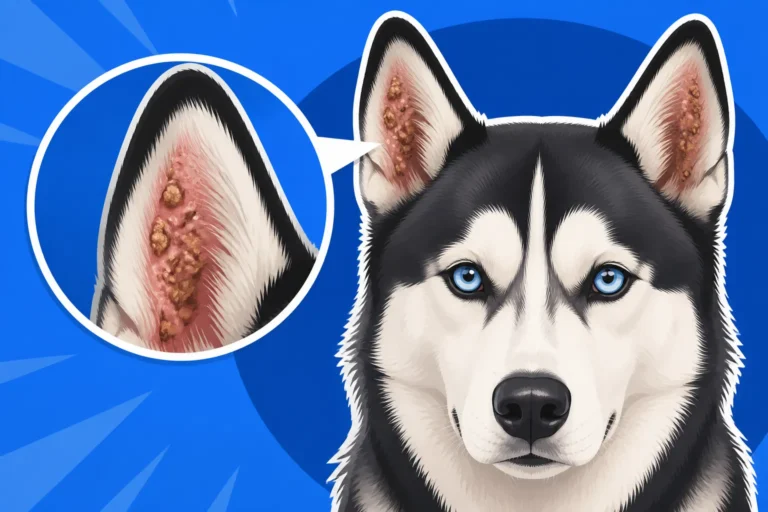
Siberian Huskies can also be prone to other genetic conditions that are less commonly discussed but equally important for prospective owners to be aware of. One notable example is zinc-responsive dermatosis. This condition arises when a Husky has an impaired ability to absorb zinc from their diet, leading to skin lesions, crusting around the eyes, mouth, and genitals, hair loss, and sometimes secondary infections. While it can be managed with zinc supplementation, it's a lifelong condition that requires careful attention. You can explore this further in our article on Zinc-Responsive Dermatosis in the Siberian Husky.
Another condition, though less prevalent, is follicular dysplasia, which affects the hair follicles, leading to patchy hair loss or a coarse, brittle coat, often starting in puppies. Additionally, while less specific to Huskies than some other breeds, some lines may carry a predisposition to idiopathic epilepsy, which causes seizures. While there isn't always a genetic test for every single potential condition, a breeder who is diligent about general health and keeps detailed records of their lines will be open about any conditions that have appeared, however rarely. Knowing about these predispositions helps you understand the full spectrum of potential health needs for your future Husky.
The Role of OFA and CHIC in Siberian Husky Health Testing
When you start looking into health testing, two acronyms will inevitably pop up: OFA and CHIC. These organizations are critical resources for responsible breeders and, by extension, for prospective puppy buyers like you. Understanding what they do and how they function will empower you to navigate health certificates with confidence.
Orthopedic Foundation for Animals (OFA) Explained
The Orthopedic Foundation for Animals (OFA) is a non-profit organization established in 1966 that is dedicated to promoting the health and welfare of companion animals through objective evaluation of inherited disease. For Siberian Huskies, OFA provides crucial certification for several key health areas. The most widely known is their hip certification, which involves radiographic evaluation (X-rays) of the dog's hips to assess for hip dysplasia. Results range from Excellent to Fair for passing grades, and Borderline, Mild, Moderate, or Severe for dysplastic joints. While Huskies have a lower incidence of severe hip dysplasia, the test is still a valuable tool to ensure healthy breeding stock. You can learn more about how to interpret these results by reading our guide on Reading a Siberian Husky's OFA Hip Result.
Beyond hips, OFA also evaluates elbows (though elbow dysplasia is less common in Huskies, it can still occur), and importantly, they manage the results for eye examinations conducted by board-certified veterinary ophthalmologists, often referred to as OFA Eye exams or previously CERF exams. They also offer evaluations for thyroid disease, using blood tests to identify autoimmune thyroiditis. All of these test results for a registered dog are publicly available on the OFA website, allowing potential puppy buyers to verify a breeder's claims. This transparency is a cornerstone of responsible breeding, giving you direct access to the health history of your prospective puppy's parents.
Canine Health Information Center (CHIC) Program
The Canine Health Information Center (CHIC) is a program collaboratively sponsored by the OFA and the AKC Canine Health Foundation. Its primary goal is to establish health testing protocols for individual breeds and to create a centralized database of health information. For a Siberian Husky to earn a CHIC number, the dog must complete a specific set of health tests that are recommended by the breed's parent club (the Siberian Husky Club of America) and found to be prevalent in the breed.
For Siberian Huskies, the core CHIC requirements typically include:
- Hip Evaluation: An OFA hip certification (acceptable ratings are Excellent, Good, or Fair).
- Eye Examination: An annual eye exam performed by a board-certified veterinary ophthalmologist, with results registered with OFA. These exams must be current within 12 months.
- Thyroid Evaluation: An OFA thyroid certification, screening for autoimmune thyroiditis.
A dog with a CHIC number has undergone these specified health screenings, and their results (both normal and abnormal) are publicly recorded in the CHIC database. This means a CHIC number doesn't necessarily guarantee "perfect" health, but it does assure you that the breeder has been diligent in performing the recommended screenings and is transparent about the results. It demonstrates a commitment to breed health and provides a comprehensive, standardized approach to health evaluation, making it easier for buyers to assess a breeder's dedication. To understand the full scope of what this certification entails, our article on What Siberian Husky CHIC Certification Requires offers an in-depth look.
Decoding Health Certificates: What to Look For and Ask For
Once you understand the importance of health testing and the organizations involved, the next crucial step is learning how to actually read and verify the documentation. A responsible breeder will be eager to share these records, but it’s up to you to know what you’re looking at and what questions to ask.
Verifying Parentage and Test Results
It's one thing for a breeder to tell you their dogs are health tested, and quite another to provide verifiable proof. When a breeder shows you health certificates, your first step should be to confirm that the certificates genuinely belong to the parents of the litter you're interested in. Look for the dog's registered name, registration number (like an AKC number), and microchip or tattoo number on the certificate and ensure they match the parent dogs. Don’t hesitate to ask to see the parent dogs' microchip or tattoo to verify identity. A reputable breeder will have no issue with this.
Next, take advantage of the public databases. Both the OFA and CHIC maintain online databases where you can search for a dog by its registered name or registration number. You should be able to cross-reference the information on the paper certificates with what's publicly listed. This step is vital to ensure that the certificates aren't outdated, forged, or belong to a different dog. If a breeder is evasive or reluctant to provide these details, consider it a major red flag. This transparency is your best defense against unscrupulous practices, and our guide on Looking Up a Siberian Husky in the OFA Database provides step-by-step instructions.
Understanding Eye Exam Reports (CERF/OFA Eye)
Eye exam reports, whether they're from OFA Eye or the previously used CERF (Canine Eye Registration Foundation), can seem a bit cryptic at first glance, but they contain vital information. These exams are performed annually by a board-certified veterinary ophthalmologist. The report will typically list the dog's details, date of exam, and then detail findings for various eye structures.
What you ideally want to see is "Normal" or "No evidence of inherited eye disease" for all relevant categories. The date of the exam is extremely important: since some eye conditions can develop later in life, and certainly over the course of a year, these exams need to be current. A clear eye exam from two years ago is not sufficient for a breeding dog today. The report will specifically mention if conditions like juvenile cataracts, Progressive Retinal Atrophy (PRA), or corneal dystrophy were noted. Even if the parents are clear, it’s important to remember that some conditions can still manifest later in offspring due to complex genetic inheritance, which is why ongoing, annual eye exams are so important, even for puppies from clear parents. Understanding Reading a Siberian Husky OFA Eye Certificate will help you interpret these crucial documents.
Red Flags and Green Lights in Health Paperwork
Navigating the world of breeder health claims can feel daunting, but knowing what signals to look for can simplify the process significantly. Here's a quick guide to help you identify good practices versus those that should make you pause.
| Health Paperwork Aspect | Green Light (Responsible Breeder) | Red Flag (Questionable Breeder) |
|---|---|---|
| Availability | Provides copies upfront, offers to walk you through them. | Hides paperwork, offers only verbal assurances, "forgot" them. |
| Verification | Encourages you to look up dogs on OFA/CHIC databases. | Discourages external verification, provides vague answers. |
| Currency | Eye exams are recent (within 12 months). | Eye exams are outdated or never performed. |
| Completeness | Provides all recommended CHIC tests (hips, eyes, thyroid). | Only has one or two tests, or none for some parents. |
| Transparency | Explains any "less than perfect" but passing results (e.g., "Fair" hips) and how they still fit breeding goals. | Only shows "Excellent" results, hides anything less. |
| Identification | Certificates clearly match the sire and dam (registered name, microchip). | Certificates have missing ID details or belong to other dogs. |
Remember, a responsible breeder isn't just someone who has done the tests; it's someone who is transparent about the results, educates you on their significance, and is proud to demonstrate their commitment to the breed's health. For a deeper dive into evaluating a puppy's health claims, check out Reading a Siberian Husky Puppy's Health Paperwork.
Beyond the Basics: Other Important Considerations
While genetic health testing is paramount, it's just one piece of the puzzle when choosing a healthy Siberian Husky. A truly responsible breeder considers the overall well-being of their dogs, which extends to their living conditions, temperament, and genetic diversity.
Understanding a Breeder's Ethics and Practices
Health testing is a scientific approach to minimizing genetic disease, but a breeder's ethics and overall practices play an equally significant role in producing well-adjusted, healthy puppies. When you visit a breeder, pay close attention to the environment. Are the dogs housed in clean, safe, and stimulating surroundings? Do the parent dogs appear healthy, well-socialized, and happy? A responsible breeder will typically invite you to meet the sire and dam, allowing you to assess their temperaments and overall condition firsthand. They should be friendly, confident, and calm, reflecting good breeding and early socialization.
A good breeder will also provide early neurological stimulation and appropriate socialization for their puppies, exposing them to various sights, sounds, and experiences during their critical developmental window. This foundational work helps ensure the puppies grow into resilient, confident adults. They should also offer a comprehensive health guarantee, outlining their responsibilities if a genetic health issue arises within a certain timeframe. This guarantee is a testament to their confidence in their breeding program and their commitment to their puppies throughout their lives. Always ask about their guarantee terms and ensure you understand them fully.
The Impact of Nutrition and Lifestyle on Genetic Predispositions
Even with excellent genetic health, a Siberian Husky's long-term well-being is heavily influenced by their nutrition and lifestyle. A puppy born with a genetic predisposition to, say, zinc-responsive dermatosis, might never show symptoms if fed a high-quality, zinc-rich diet or given appropriate supplements from an early age. Conversely, a genetically sound dog could develop issues if neglected or improperly cared for.
Proper nutrition, tailored to the Husky's unique metabolism and activity level, is crucial. These dogs often thrive on less food than their size suggests, due to their efficient metabolism. Overfeeding can lead to obesity, which puts undue stress on joints, even those genetically rated "Excellent." Regular, appropriate exercise is also vital for maintaining muscle mass, joint health, and overall cardiovascular fitness. A breeder should be able to offer guidance on feeding, exercise, and general care specific to the Siberian Husky breed. For instance, understanding Why a Balanced Diet Does Not Fix Husky Zinc Loss can highlight the specific nutritional considerations for the breed. Discussing these aspects with a breeder shows their holistic approach to canine health, extending beyond just test results.
Planning for Potential Future Health Costs
Even with the most rigorous health testing and the most responsible breeding, no living creature comes with a 100% health guarantee. Accidents happen, and dogs, just like people, can develop unforeseen illnesses or conditions not covered by standard genetic tests. This is where financial planning for potential veterinary costs becomes incredibly important. Emergency vet visits can run into thousands of dollars, and chronic conditions often require ongoing medication and treatments.
To protect yourself from unexpected financial strain, it's wise to consider pet insurance from the moment you bring your puppy home. While no insurance covers pre-existing conditions, getting a policy early, perhaps even with providers like Healthy Paws, can shield you from unexpected future costs that emerge after enrollment. Thinking about providers like Healthy Paws early on ensures that when your Husky needs care for unforeseen issues, you're not caught off guard by the financial burden. A detailed policy from a company like Healthy Paws can be a real game-changer for covering things like accident treatments, unexpected illnesses, and even hereditary conditions that develop after the policy goes into effect. It’s an investment in peace of mind, allowing you to focus on your Husky's care rather than worrying about the bill.
Finding a Responsible Siberian Husky Breeder Through Health Testing
The search for a Siberian Husky puppy should always begin with finding a responsible breeder. This is the single most important decision you'll make, impacting your puppy's health, temperament, and overall well-being for their entire life. Health testing is your primary tool in identifying these ethical breeders.
Where to Start Your Search
Begin your search by contacting the Siberian Husky Club of America (SHCA), the national breed club. They typically maintain lists of member breeders who adhere to the club's code of ethics, which often includes requirements for health testing. Local breed clubs are also excellent resources. These clubs are dedicated to the preservation and health of the breed, and their members are generally passionate and knowledgeable. Attend dog shows in your area; this is a fantastic way to meet breeders, see their dogs in person, and ask questions.
What you absolutely want to avoid are "backyard breeders" or puppy mills. These individuals or operations often prioritize profit over health and welfare. They rarely perform comprehensive health testing, provide minimal socialization, and their dogs often suffer from poor health, genetic issues, and behavioral problems. If a breeder can't provide verifiable health certificates for both parents, or if the price seems too good to be true, it almost certainly is. The initial savings will quickly be dwarfed by future veterinary costs and emotional distress. Remember, a good breeder is transparent, knowledgeable, and genuinely invested in the well-being of their dogs, not just making a sale.
Questions to Ask About Health Testing
Once you've identified potential breeders, prepare a list of specific questions about health testing. Don't be shy; a responsible breeder will appreciate your thoroughness. Here are some key questions to ask:
- "What health tests do you perform on your breeding dogs?" (Listen for hips, eyes, and thyroid as a minimum for Huskies.)
- "Can I see the OFA and CHIC certificates for both the sire and dam of this litter?" (Insist on seeing the physical documents and then verify them online.)
- "When was the last OFA Eye exam performed, and what were the results?" (Ensure it’s current and clear.)
- "Have any of your past litters produced puppies with known genetic health issues, and how were those situations handled?" (An honest breeder will be transparent, even about past challenges.)
- "What is your health guarantee, and what does it cover?" (Understand the specifics, especially regarding genetic conditions.)
- "What are the CHIC numbers for your breeding dogs?" (This is a quick way to verify they meet breed-specific testing standards.)
A breeder's willingness to answer these questions fully and provide documentation is a strong indicator of their commitment to ethical breeding. If they seem annoyed, evasive, or claim health testing isn't necessary for Huskies because they're a "healthy breed," walk away. Our guide on Whether a Husky Breeder's Testing Claim Checks Out offers even more questions and verification tips.
What to Do If Health Testing Isn't Done
Let's be blunt: if a breeder has not performed the recommended health tests on their Siberian Huskies, you should absolutely, unequivocally walk away. While it might be tempting to "rescue" a puppy from such a situation, doing so only enables and perpetuates irresponsible breeding practices. By purchasing a puppy from untested parents, you are financially supporting a breeder who is gambling with the health of their animals and the future of the breed.
The risks associated with buying an untested puppy are substantial. You could end up with a dog that develops debilitating and expensive genetic conditions, leading to immense suffering for the dog and significant financial and emotional strain for you. It's a gamble that almost never pays off in the long run. Instead of buying from an untested source, consider adopting from a breed-specific Siberian Husky rescue. These organizations often take in dogs that have been surrendered due to health or behavioral issues, and they typically provide thorough veterinary care and disclose any known problems before adoption. While a rescue dog's full genetic history might not always be available, the rescue itself acts as a crucial screening step, providing a known baseline of health and temperament.
Preparing for Your Siberian Husky Puppy's Future Health
Bringing home a Siberian Husky puppy from health-tested parents is an excellent start, but it's just that—a start. Maintaining your Husky's health throughout their life requires ongoing commitment, proactive veterinary care, and thoughtful planning.
Post-Purchase Vet Visits and Follow-Up Care
The very first item on your agenda after bringing your Siberian Husky puppy home should be a visit to your own veterinarian for a comprehensive check-up. This initial appointment is crucial to establish a relationship with your vet, confirm your puppy's general health, and discuss their vaccination schedule. Your vet will perform a thorough physical examination, check for any congenital abnormalities, and ensure your puppy is free from parasites. This "well-puppy check" often needs to happen within 48-72 hours of purchase to validate any health guarantees from your breeder.
Following this initial visit, adhere strictly to your vet's recommended vaccination schedule. Puppies need a series of shots to protect them from common and dangerous diseases. Your vet will also advise on parasite prevention, including deworming and flea/tick medications. This consistent, early veterinary care is fundamental to building a strong foundation for your Husky's long-term health. Our article on Vaccinating a Siberian Husky Puppy on Schedule can provide more details on what to expect.
Ongoing Health Management
Beyond the puppy stage, ongoing health management is key to ensuring your Siberian Husky enjoys a long and vibrant life. This includes regular annual wellness exams with your veterinarian, where they will assess your dog's weight, dental health, joint function, and overall condition. These routine check-ups are vital for catching any potential health issues early, when they are often most treatable.
Nutrition and exercise remain cornerstones of good health. Continue to feed a high-quality diet appropriate for their age and activity level, and ensure they receive plenty of mental and physical stimulation. Remember those breed-specific health concerns? Annual eye exams with a veterinary ophthalmologist should continue throughout your Husky's life, even if their parents had clear results, as some conditions can still develop. Be vigilant for any changes in behavior, appetite, or physical condition and consult your vet promptly. Being proactive is always better than reactive when it comes to your Husky's well-being.
The Value of Pet Insurance for a Husky
Despite your best efforts and a strong start with a health-tested puppy, unforeseen circumstances can always arise. Pet insurance serves as a vital financial safety net, helping you cover unexpected veterinary costs, from accidental injuries to sudden illnesses or even the development of conditions not covered by initial health testing. The cost of diagnostics, treatments, and medications can quickly add up, and without insurance, these expenses can force difficult decisions about your pet's care.
Enroll your Siberian Husky in pet insurance as early as possible, ideally before any health issues or conditions are noted in their medical records, as most policies will not cover pre-existing conditions. Companies like Healthy Paws offer comprehensive plans that can cover a significant portion of unexpected vet bills, allowing you to provide the best possible medical care without the crushing financial burden. Understanding what your policy covers and its limitations is crucial. For example, while basic health testing helps mitigate risks, an unexpected illness or injury can still occur, and that's where pet insurance shines. Look into plans and understand Enrolling a Siberian Husky Before the Eye Exam to ensure maximum coverage benefit. The peace of mind that comes with knowing you can afford necessary medical treatments for your beloved Husky is truly invaluable.
Disclaimer
This guide is intended for informational purposes only and does not constitute veterinary advice. Always consult with a qualified veterinarian for any health concerns or before making any decisions about your Siberian Husky's care.