Reading a Siberian Husky Puppy’s Health Paperwork
Bringing home a new Siberian Husky puppy is incredibly exciting, but that stack of paperwork from the breeder or rescue can feel like trying to decipher an ancient scroll. It's completely normal to feel overwhelmed, wondering if you're missing something vital or if all those certificates mean what you think they mean. This guide is here to cut through the jargon, helping you understand every piece of your Siberian Husky puppy's health paperwork so you can feel confident about your newest family member's foundation.
The Initial Stack of Puppy Paperwork: What to Expect
When you bring a Siberian Husky puppy home, a responsible breeder or reputable rescue organization will provide you with a dossier of documents. This isn't just busywork; these papers are your first line of defense in understanding your puppy's immediate health status and the efforts made to ensure a healthy start. Think of it as your puppy's very first resume, detailing their early life and care.
Veterinary Health Certificate and Exam Records
The veterinary health certificate, often just called a health certificate, is one of the most fundamental documents you'll receive. It's usually a single sheet signed by a licensed veterinarian, confirming that your puppy was examined recently – typically within a week or so of you taking them home – and appeared to be in good health at the time of that examination. This certificate is crucial because it provides an objective, professional assessment of the puppy's condition before they arrive in your home.
What you're looking for here is a clear statement from the vet about the puppy's general physical health. This should include observations on their eyes (clear, no discharge, no obvious abnormalities), ears (clean, no signs of infection), heart (no murmurs detected), lungs (clear sounds), and overall demeanor. The certificate should specify the date of the exam, the name and contact information of the examining veterinarian and their clinic, and a clear identifier for your puppy, such as a microchip number if one has already been implanted. It’s important to understand that while this certificate confirms general health, it isn't a guarantee against all future ailments, nor does it typically cover specific genetic health clearances like those for hips or eyes, which are usually documented separately for the parents.
Vaccination and Deworming Records
This section of your puppy's paperwork is incredibly important for their ongoing well-being and for establishing their future veterinary care schedule. Your Siberian Husky puppy should come with a detailed record of all vaccinations administered. For young puppies, this typically means a series of distemper, adenovirus, parvovirus, and parainfluenza (often abbreviated as DHPP or DA2PP) shots. The record should clearly list the date each vaccine was given, the type of vaccine, the manufacturer, and when the next booster shot is due. This allows your own veterinarian to seamlessly continue the vaccination series without guesswork or unnecessary repeats. Remember that vaccinating a Siberian Husky puppy on schedule is paramount to building their immunity against these common, and often serious, canine diseases.
Alongside vaccinations, you'll find records of deworming treatments. Puppies are often born with or acquire intestinal parasites early in life, so regular deworming is a standard practice for responsible breeders and rescues. This record should detail the dates of deworming, the product used, and which parasites it targets. It’s a good idea to discuss parasite prevention for an outdoor Siberian Husky with your vet, as their adventurous nature might expose them to different risks. Ensuring your puppy has a clean bill of health regarding parasites sets a healthy baseline and prevents potential digestive issues or more serious complications down the line.
Microchip Documentation
Given the Siberian Husky's legendary escape artist tendencies and their innate drive to roam, a microchip is absolutely non-negotiable for their safety. When you get your puppy, the breeder or rescue should provide documentation confirming the microchip has been implanted. This paperwork will have the microchip's unique identification number, often a small sticker you can add to your vet records. More importantly, it should include instructions or proof of initial registration.
You'll need to confirm that the microchip is registered to you as the new owner. This often involves filling out an online form or mailing in a card. This simple step is what connects your contact information to the chip, making it possible for animal shelters, humane societies, and veterinary clinics to reunite you with your beloved Husky if they ever get lost. Without proper registration to you, the chip is just a number, not a lifeline. Many proactive owners also consider GPS collars for added peace of mind, but a microchip is the permanent, foundational safety net for a breed prone to adventurous wanderings.
Understanding Genetic Health Testing: Beyond the Basic Check-Up
While the initial vet certificate covers immediate health, true responsible breeding for Siberian Huskies delves much deeper into genetic predispositions. This is where the health paperwork for the parents of your puppy becomes critically important. Understanding these tests gives you insight into the genetic lottery your puppy has won (or lost) and helps you anticipate potential health challenges specific to the breed.
OFA and Eye Certification for Parents
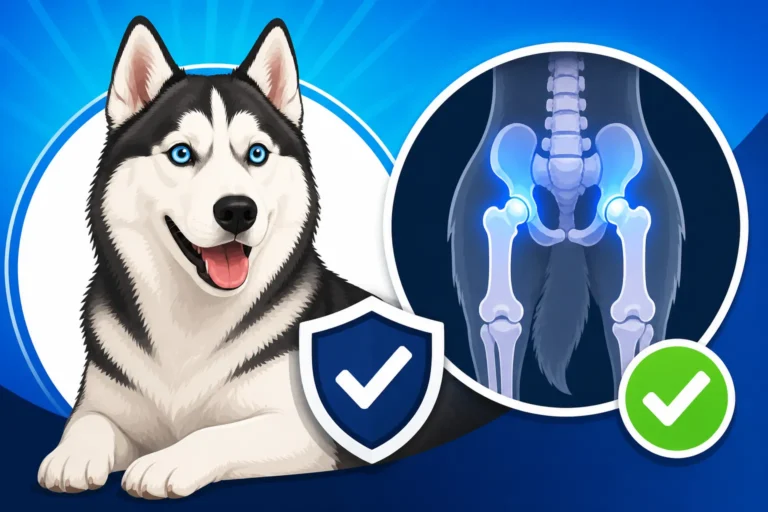
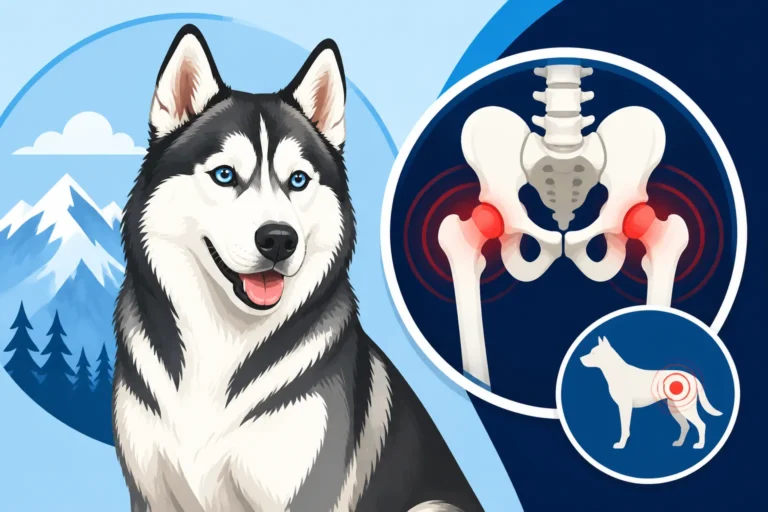
The Orthopedic Foundation for Animals (OFA) is a well-respected organization that certifies dogs for various genetic health conditions. For Siberian Huskies, one of the most commonly discussed certifications is for hip health. While many larger breeds are plagued by hip dysplasia, you might be surprised to learn that Siberian Husky Hips and Why the Rate Is Low is a real phenomenon – they have one of the lowest rates of hip dysplasia among all breeds. However, responsible breeders still screen parents to maintain this excellent record. You'll want to see documentation showing that both parent dogs received "Good" or "Excellent" hip scores from the OFA.
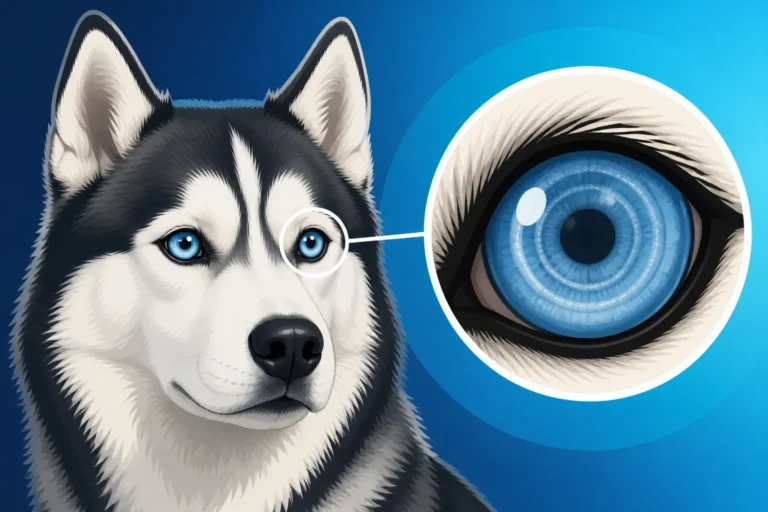
Even more critical for Siberian Huskies is eye certification. Historically, this was done through the Canine Eye Registry Foundation (CERF), but now it's part of the OFA Eye Certification Registry (ECER) program. This involves annual examinations by a board-certified veterinary ophthalmologist to screen for hereditary eye diseases. It's incredibly important why a Siberian Husky needs an eye exam every year, as some conditions can develop or progress over time. The parent's eye certificates should state "Normal" or "Clear" and be dated within the last 12 months of the breeding. Siberian Husky Eye Disease and the Annual Exam specifically targets conditions like juvenile cataracts, progressive retinal atrophy, and corneal dystrophy, which are known to affect the breed. Seeing these certifications for both parents significantly reduces the risk of your puppy developing these painful or sight-threatening conditions.
DNA Test Results for Breed-Specific Conditions
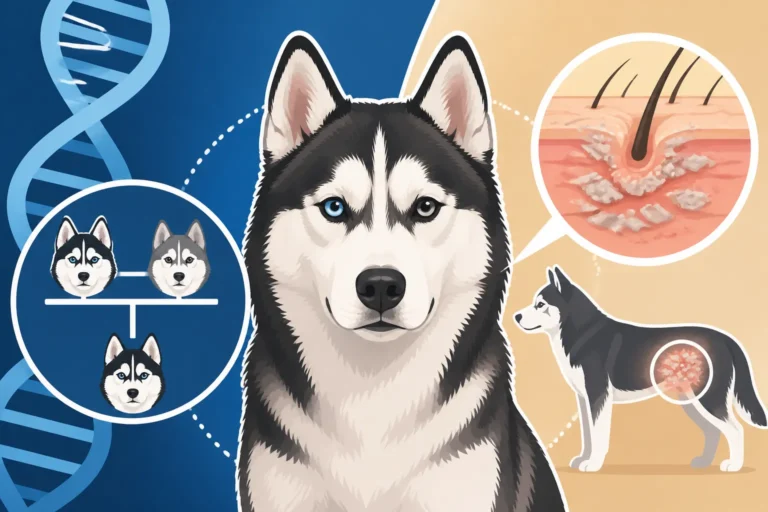
Beyond structural and ophthalmological exams, modern breeding practices utilize DNA testing to identify carriers or affected individuals for specific genetic diseases. For Siberian Huskies, one of the most prominent concerns is Progressive Retinal Atrophy (PRA). This is a group of degenerative eye diseases that can lead to blindness. It's especially notable that Why Husky PRA Runs Through the Male Line as it is an X-linked genetic condition.
A reputable breeder will have conducted a DNA test for PRA on their breeding stock. The results of the DNA test for Siberian Husky PRA will indicate whether a dog is "clear" (does not carry the gene), a "carrier" (carries one copy of the gene, but will not be affected), or "affected" (has two copies and will likely develop the disease). You want to see "Clear" results for both parents, or at least one "Clear" and one "Carrier" – never two carriers or an affected dog being bred, as this guarantees affected puppies. Another condition to be aware of is juvenile cataracts in the Siberian Husky, which can sometimes be inherited but may not always have a direct DNA test depending on the specific mutation. By reviewing these DNA results, you gain a deeper understanding of the genetic health legacy passed down to your puppy, allowing you to be proactive about future care and potential issues. This forms a significant part of what Siberian Husky CHIC certification requires, a program that recognizes dogs whose owners have completed all recommended health screenings for their breed.
Navigating Contracts, Guarantees, and Insurance
Bringing a new puppy home isn't just about cuddles and playtime; it's also a significant commitment that comes with legal and financial considerations. The contract you sign and the discussion around health guarantees and pet insurance are vital parts of protecting both you and your new Siberian Husky.
Sales Contract and Health Guarantee
Every responsible breeder or rescue will require you to sign a sales contract. This document serves multiple purposes: it legally transfers ownership of the puppy to you, outlines the terms of the sale, and crucially, includes a health guarantee. A good contract will clearly state the names of both the buyer and seller, detailed information about the puppy (breed, birth date, sex, microchip number, dam and sire registration numbers), and the purchase price. It might also include clauses about spaying/neutering by a certain age, returning the puppy if you can no longer care for it, or requirements for future vet care.
The health guarantee is arguably the most important section. This outlines the breeder's responsibility should the puppy develop certain health conditions after you take them home. Typically, guarantees cover genetic or congenital defects that manifest within a specified timeframe – often one to two years for serious conditions, or a shorter period for immediate health issues like parasites (which should ideally be resolved before sale). For a Siberian Husky, you'll want to specifically see if a Husky guarantee covers juvenile cataracts or other hereditary eye conditions, as these can be costly to treat. The guarantee should specify the remedy, which might include a full or partial refund, a replacement puppy, or assistance with veterinary bills up to the purchase price. Always read this section carefully and ask questions about anything unclear before signing.
Pet Insurance Information and Recommendations
Let's face it, veterinary care can be expensive, especially when unexpected accidents or illnesses strike. This is where pet insurance comes in, providing a financial safety net for your new Siberian Husky. While the breeder or rescue might not provide insurance, they might offer a limited-time free trial (often 30 days) with a particular provider or recommend specific companies. It's a smart idea to look into pet insurance early, perhaps even before you bring your puppy home. Companies like Healthy Paws are well-regarded and offer comprehensive coverage for accidents and illnesses.
A critical point to remember is to enroll your Siberian Husky as soon as possible. Enrolling a Siberian Husky before the eye exam or any other vet visit where a pre-existing condition might be noted is generally recommended. Most policies have waiting periods (e.g., 14 days for illness, shorter for accidents), and conditions diagnosed before or during this waiting period are typically considered "pre-existing" and won't be covered. Healthy Paws, for example, often covers conditions like broken bones, unexpected illnesses, cancer, and hereditary conditions (as long as they aren't pre-existing). Understanding the difference between what's covered (accidents, illnesses, some hereditary conditions) and what's often excluded (routine wellness, pre-existing conditions) is key. Comparing deductibles, reimbursement percentages, and annual limits across different providers will help you find a policy that fits your budget and provides peace of mind for your Husky's health journey.
Red Flags and What to Do If Paperwork is Missing
While most breeders and rescues operate with integrity, it's essential to be vigilant when reviewing your Siberian Husky puppy's health paperwork. Identifying red flags early can save you from significant heartache and expense down the road. Trust your gut if something feels off.
Common Warning Signs in Health Paperwork
One of the biggest red flags is missing documents altogether. If a breeder can't provide a veterinary health certificate, vaccination records, or proof of parent health clearances, that's a serious cause for concern. Equally troubling is vague or incomplete information. For instance, a vaccination record that just says "shots given" without dates, vaccine names, or a veterinarian's signature isn't sufficient. You need specifics to track your puppy's medical history accurately. Similarly, if parent health clearances are merely mentioned verbally but no official OFA or eye certification documents are produced, exercise caution.
Another warning sign is a puppy being offered for sale at an unusually low price, which often indicates that corners were cut in care or breeding. As the saying goes, why a cheap Siberian Husky puppy is a warning is often because the upfront savings can quickly be dwarfed by future veterinary bills stemming from neglected health testing or poor initial care. Puppies sold too young (before 8 weeks of age) also raise alarms, as they often haven't received their initial vaccinations or had enough time to socialize and learn crucial behaviors from their mother and littermates. Finally, if the microchip documentation is missing or the chip isn't registered, it points to a lack of attention to crucial safety measures for a breed renowned for its escape tendencies.
Steps to Take When Something Feels Off
If you encounter any of these red flags, don't ignore them. Your first step should always be to communicate directly with the breeder or rescue. Politely but firmly request any missing documents or clarification on incomplete information. A reputable source will be happy to provide this and address your concerns. If they are evasive, defensive, or simply refuse, that's a clear signal to be wary. Remember, you're making a significant investment of time, emotion, and money, and you have every right to ensure your puppy's well-being.
You can also take proactive steps to verify information. For example, if parent OFA clearances are provided, you can independently verify them by looking up a Siberian Husky in the OFA database online using the parent dogs' registered names or registration numbers. You can also call the veterinary clinic listed on the health certificate or vaccine records to confirm the appointments and treatments. Before you finalize the purchase, consider taking all the provided paperwork to your own trusted veterinarian for review. They can offer an objective assessment of the documents and advise you on any potential concerns. Ultimately, if you're not completely satisfied with the transparency and completeness of the health paperwork, it’s always best to walk away and find a different breeder or rescue that prioritizes the health and well-being of their animals.
Quick Reference for Siberian Husky Puppy Health Paperwork
Navigating all the documents can be a lot. Here's a quick table to help you keep track of what to look for and why each piece of paperwork is important for your Siberian Husky puppy.
| Document Type | What to Look For | Why It Matters |
|---|---|---|
| Veterinary Health Certificate | Recent date, Vet's name & contact, "Healthy" status | Confirms general health at time of transfer |
| Vaccination Record | Dates, Vaccine names (e.g., DHPP), Next due dates | Essential for immunity against common diseases |
| Deworming Record | Dates, Product names, Target parasites | Ensures puppy is free from internal parasites |
| Microchip Certificate | Unique chip number, Proof of registration, Transfer info | Crucial for identification and recovery if lost |
| Parent OFA Hips | "Good" or "Excellent" score | Reduces risk of hip dysplasia in offspring |
| Parent OFA Eyes | "Normal" rating, Annual exam date | Reduces risk of hereditary eye diseases |
| Parent DNA Tests | "Clear" status for PRA (Progressive Retinal Atrophy) | Prevents genetic diseases like PRA from being passed on |
| Health Guarantee | Covered conditions, Duration, Remedies (refund/replacement) | Protection for serious genetic/congenital issues |
| Pet Insurance Info | Enrollment details, Waiting periods, Coverage specifics (e.g., Healthy Paws) | Financial safety net for unexpected vet costs |
Long-Term Health Planning Starts with Paperwork
The health paperwork you receive for your Siberian Husky puppy isn't just a checklist for the first few weeks; it's the foundation for a lifetime of care. Understanding these documents helps you establish a proactive approach to your dog's health, ensuring they live a full and vibrant life. After all, the Siberian Husky lifespan and what shortens it often comes down to early detection and consistent preventive care.
Establishing a Relationship with Your Vet
As soon as you bring your Siberian Husky puppy home, one of your top priorities should be to schedule a visit with your own veterinarian. This initial appointment, typically within a few days of arrival, is crucial for several reasons. You'll want to bring all the health paperwork you received from the breeder or rescue. Your vet will review these documents thoroughly, confirm the vaccination schedule, and conduct their own comprehensive physical exam. This helps establish a baseline for your puppy's health in their new environment.
Sharing all the historical records ensures continuity of care. Your vet will know what vaccines your puppy has had, when the next boosters are due, and what deworming treatments have been given. This also provides them with important background on the parents' health, which can be valuable for anticipating potential breed-specific issues down the road. They can then guide you on upcoming milestones and routine care, helping you understand Siberian Husky vet visits by life stage and ensuring your puppy stays on track for optimal health.
Continuing Necessary Health Screens
Even with thorough parent testing, ongoing vigilance is key for a Siberian Husky. Based on the genetic screening you reviewed, your veterinarian can advise on any specific areas to monitor. For instance, even if the parents had clear eye certifications, continuing with annual eye exams why a Siberian Huskies need their eyes checked yearly is still a good idea, as some conditions can develop later in life. This regular check-up with a veterinary ophthalmologist ensures early detection of any emerging issues like corneal dystrophy or developing cataracts.
Beyond breed-specific screenings, your vet will help you understand general preventive care, from diet adjustments for a Siberian Husky's efficient metabolism to parasite prevention. For example, some Siberian Huskies can have issues with zinc absorption, leading to a condition called zinc-responsive dermatosis. While not directly covered by initial puppy paperwork, being aware of such breed tendencies can lead to discussions about zinc supplementation for a Siberian Husky with your vet if any symptoms arise. By leveraging the initial health paperwork as a starting point, you and your vet can create a comprehensive, long-term health plan that addresses your Siberian Husky's unique needs, setting them up for a healthy and happy life well into their senior years. This proactive approach is fundamental to caring for a Siberian Husky past ten.
Disclaimer
The information provided in this article is for educational and informational purposes only and does not constitute veterinary advice. Always consult with a qualified veterinarian for any health concerns or before making any decisions about your pet's medical care.