Why a Balanced Diet Does Not Fix Husky Zinc Loss
It’s a frustrating scenario many Siberian Husky owners know all too well: you’re feeding your beloved companion a high-quality, balanced diet, diligently following all the guidelines, yet they still develop crusty skin lesions, hair loss, or a dull coat. You might scratch your head, wondering what you're doing wrong, especially when you’re trying your best to provide everything they need. This guide will delve deep into why, for many Huskies, even the most nutritionally sound diet isn't enough to prevent zinc deficiency, and what you can do about it.
Understanding Zinc-Responsive Dermatosis in Siberian Huskies
Siberian Huskies are truly unique dogs, and sometimes, what works for other breeds just doesn't cut it for them. When it comes to zinc, they often face a distinct challenge that sets them apart, leading to a condition known as zinc-responsive dermatosis. This isn't just about not getting enough zinc in their food; it's about how their bodies process it.
What Makes Huskies Different? The Genetic Predisposition
The core issue for many Siberian Huskies lies not in the amount of zinc present in their diet, but in their body's inherent inability to properly absorb or metabolize it. Think of it like a faulty lock and key system: the zinc (the key) is there, but the husky's cells (the lock) just can't quite open up to let it in effectively. This is largely a genetic quirk, an inherited condition that makes them prone to developing this specific type of dermatosis. It’s not a reflection of poor ownership or a bad diet; it’s simply how some Huskies are wired.
This genetic predisposition means that even if a commercial dog food boasts high levels of zinc and is marketed as "complete and balanced," it might still not be enough for a sensitive Husky. Their digestive system simply isn't as efficient at extracting and utilizing the zinc as other breeds might be. This can be incredibly disheartening for owners who are meticulously selecting premium kibble, raw diets, or home-cooked meals, only to see their Husky still struggling with skin issues. It's crucial to understand that this isn't a dietary deficiency in the traditional sense, but rather an absorption or utilization issue.
The frustrating reality is that while some breeds might thrive on a standard diet, a Siberian Husky's unique physiology often demands a different approach. This inherited tendency means that for some, the problem of zinc loss is almost inevitable without targeted intervention. If you've ever found yourself asking, "Why Siberian Huskies Absorb Zinc Poorly," it's because their genetic makeup gives them a harder time with this essential mineral compared to many other dogs.
The Symptoms You'll Actually See and What They Mean
Zinc-responsive dermatosis isn't always immediately obvious, and its symptoms can sometimes mimic other skin conditions, which adds to the confusion and frustration. Typically, the first signs often appear around areas of friction or rapid cell turnover, like the eyes, muzzle, ears, and paw pads. You might notice the skin in these areas becoming crusty, scaly, thickened, and sometimes red or inflamed. It can look a bit like a severe allergic reaction or even a fungal infection at first glance.
One of the tell-tale signs is the classic "spectacle" appearance around the eyes, or crusting around the muzzle, which can be quite distinctive for this condition. These lesions can be intensely itchy, leading to scratching, rubbing, and further irritation, potentially causing secondary bacterial or yeast infections. For some Huskies, you might also observe hair loss, especially on the face and legs, and the overall coat might appear dull, brittle, and unhealthy, losing its characteristic shine. In more severe cases, the paw pads can become thickened, cracked, and painful, making walking uncomfortable.
Owners often report seeing "Crusting Skin on a Siberian Husky's Face" or noticing patches of hair thinning. It’s common for owners to initially treat these symptoms with topical creams or even antibiotics, only to find the problem persists or returns because the underlying zinc absorption issue hasn't been addressed. The symptoms can vary in severity, but they consistently point to the body struggling with a fundamental nutrient, despite your best efforts with a balanced diet. Pay close attention to "Where Husky Zinc Dermatosis Lesions Appear First" as this can give you valuable clues.
The Truth About "Balanced Diets" and Husky Zinc Needs
Many of us meticulously choose dog food, trusting the labels that claim "complete and balanced nutrition." And for most dogs, these foods are perfectly adequate. But for a Siberian Husky with a specific genetic predisposition to zinc absorption issues, even the most thoughtfully formulated diet might inadvertently fall short. This isn't a criticism of dog food manufacturers, but rather an acknowledgment of a breed-specific challenge.
Why Commercial Foods Fall Short for Some Huskies
The term "balanced diet" on a dog food bag means it meets the minimum nutritional requirements established by organizations like the Association of American Feed Control Officials (AAFCO) for the general canine population. These standards are broad and designed to ensure that the average dog gets what it needs. However, Siberian Huskies, with their unique metabolism and genetic quirks, are not always "average" when it comes to certain nutrients, particularly zinc. Even if a food contains the AAFCO-recommended amount of zinc, it doesn't account for a Husky's potential inability to absorb and utilize that zinc effectively.
What this means in practice is that a Husky could be consuming a food with seemingly adequate zinc levels, but their body isn't able to extract it and transport it to where it's needed in the cells. This leads to a functional deficiency, despite the dietary intake. Furthermore, other components in commercial foods, even healthy ones like phytates found in grains and legumes, or high levels of calcium, can sometimes interfere with zinc absorption in a sensitive gut. So, while a diet might be balanced for a Labrador or a Golden Retriever, it might create an unseen bottleneck for a Siberian Husky struggling with this absorption issue.
It’s a common misconception that if a dog food is labeled "premium" or "grain-free," it automatically solves all nutritional problems. Unfortunately, for Huskies, this isn't always the case with zinc. The inherent metabolic difference means that simply switching to a different brand or type of kibble might not resolve the underlying problem if the absorption pathway remains compromised. This is why you might feel like you've tried everything with their diet, but the skin issues persist, leaving you puzzled and your Husky uncomfortable.
The Role of Bioavailability and Absorption Issues
When we talk about bioavailability, we're referring to the proportion of a nutrient that, once ingested, is absorbed and available for use by the body. For zinc, and particularly for Siberian Huskies, this concept is incredibly important. It's not just about the absolute quantity of zinc in the food, but how easily the body can actually get its hands on it. Even if a diet is rich in zinc, if that zinc is in a form that's hard for the Husky's digestive system to break down and absorb, it's essentially passing right through them without doing its job.
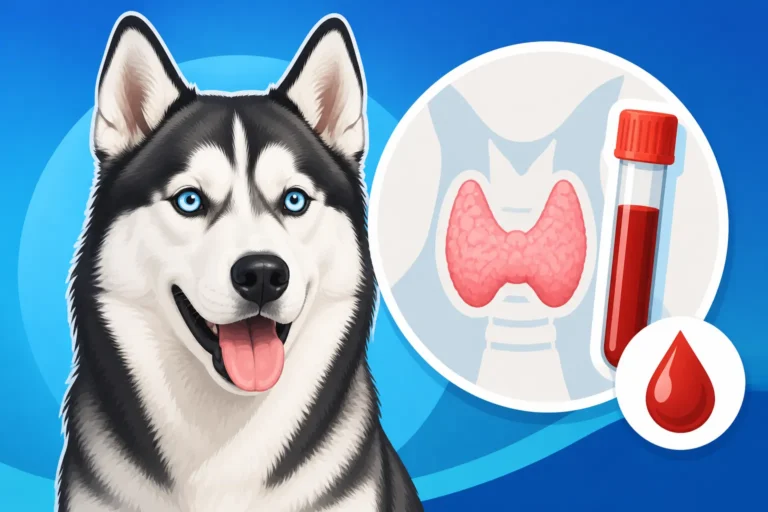
This is where the Husky's genetic predisposition truly comes into play. Their intestinal cells might have fewer or less efficient zinc transporters, the tiny cellular "gates" that allow zinc to pass from the gut into the bloodstream. Or, there might be internal metabolic pathways that process zinc differently, rendering it less effective. This intrinsic issue means that no matter how much dietary zinc you provide, a certain percentage of it will simply not be bioavailable to their body. This leads to a chronic, low-level zinc deficiency at the cellular level, which then manifests as the skin problems we discussed earlier.
Understanding this difference is key to knowing "Why a Balanced Diet Does Not Fix Husky Zinc Loss." It highlights why simply upping the amount of food or choosing a food with a higher stated zinc content often isn't the solution. The problem isn't the supply in the bowl; it's the cellular demand and the faulty internal delivery system. This fundamental absorption challenge often necessitates a targeted approach, moving beyond diet adjustments alone to ensure the Husky can access this vital mineral.
Diagnosing Zinc-Responsive Dermatosis Accurately
The frustrating reality for many Husky owners is that zinc-responsive dermatosis can be misdiagnosed as allergies, bacterial infections, or even parasites. This leads to ineffective treatments and prolonged discomfort for your dog. Getting an accurate diagnosis is paramount to providing the right care and truly helping your Husky.
Beyond Guesswork: The Importance of a Skin Biopsy
While the symptoms of zinc-responsive dermatosis can be highly suggestive, especially for an experienced veterinarian familiar with Siberian Huskies, a definitive diagnosis typically requires a skin biopsy. This isn't just a fancy procedure; it's a crucial step that distinguishes this condition from a myriad of other dermatological issues. During a biopsy, a small tissue sample is taken from an affected area, usually under local anesthetic, and sent to a specialized veterinary pathologist.
The pathologist will examine the tissue under a microscope, looking for characteristic changes that are indicative of zinc deficiency. These changes include parakeratosis, a specific abnormality in the outermost layer of the skin, and other cellular alterations that point directly to the metabolic issue. Without this histological confirmation, you're essentially guessing, and that can lead to weeks or months of trying different medications or diet changes that ultimately don't work. A proper diagnosis saves time, money, and most importantly, alleviates your Husky's suffering much faster.
It's tempting to try a "zinc trial" – simply giving supplements to see if it helps – but without a biopsy, you might mask symptoms of another serious condition or delay appropriate treatment. For instance, skin issues can sometimes be signs of more complex autoimmune diseases like "Pemphigus Foliaceus in the Siberian Husky" or "Siberian Husky Thyroid and Autoimmune Disease," which require entirely different treatment protocols. A biopsy provides clarity and ensures you're treating the actual problem, not just the symptoms.
Ruling Out Other Skin Conditions
The clinical signs of zinc-responsive dermatosis often overlap with other common canine skin problems, making differential diagnosis essential. Your veterinarian will likely want to rule out things like food allergies, environmental allergies, bacterial pyoderma, fungal infections (like ringworm), and even ectoparasites such as mites. Each of these conditions has its own specific diagnostic tests and treatments.
For example, if your Husky has crusting and itching, a vet might first perform skin scrapings to look for mites, or cytology (examining cells from the skin surface) to identify bacterial or yeast overgrowth. They might also discuss dietary elimination trials if food allergies are suspected. It's a systematic process of elimination, which can feel lengthy and frustrating as an owner, but it’s critical for precision. This is why having pet insurance, like a plan from Healthy Paws, can be incredibly helpful in covering the costs of these diagnostic steps without added financial stress.
Once other possibilities have been thoroughly investigated and ruled out, and especially if your Husky shows the classic lesions, a skin biopsy becomes the gold standard. This careful diagnostic journey ensures that when you finally begin zinc supplementation, you can be confident that you are addressing the correct underlying issue for your beloved companion. This thoroughness is key to long-term success and your Husky's comfort.
| Symptom Feature | Zinc-Responsive Dermatosis | Food Allergy | Bacterial Pyoderma |
|---|---|---|---|
| Primary Lesion Location | Muzzle, eyes, ears, paws, genitals | Groin, paws, armpits, ears | Anywhere, often secondary to itch |
| Appearance | Crusting, scaling, hair loss, thickening | Redness, intense itch, hives, paw chewing | Pustules, crusts, red bumps, odor |
| Itch Level | Moderate to severe | Often intense | Variable, can be itchy |
| Response to Antibiotics | Poor or temporary | Poor | Good (if primary) |
| Definitive Diagnosis | Skin biopsy | Elimination diet trial | Cytology, culture |
| Breed Predisposition | Siberian Husky, Alaskan Malamute | Any breed | Any breed |
Effective Management: Supplementation is Key
Once a definitive diagnosis of zinc-responsive dermatosis has been made, the good news is that the condition is highly manageable. However, it almost always requires direct zinc supplementation, as simply relying on dietary zinc, no matter how balanced the food, usually won't cut it. This is where your veterinarian's guidance becomes indispensable.
Choosing the Right Zinc Supplement and Dosage
When it comes to zinc supplementation for your Siberian Husky, not all zinc is created equal. The form of zinc matters significantly for absorption. Typically, veterinarians recommend organic zinc compounds, which are more bioavailable and easier for the body to absorb than inorganic forms. Common choices include zinc methionine, zinc picolinate, or zinc gluconate. Zinc sulfate can also be used but may cause more gastrointestinal upset in some dogs. It’s crucial to use a supplement specifically formulated for animals or follow your vet’s instructions carefully when using human-grade supplements, as dosages differ.
Determining the correct dosage is critical. Too little won't be effective, and too much can be toxic, leading to severe issues like vomiting, diarrhea, anemia, and even organ damage. Your vet will calculate the starting dose based on your Husky's weight and the severity of their condition. It's often started at a higher "loading" dose to get the zinc levels up quickly, then tapered down to a maintenance dose once symptoms improve. Regular follow-ups and blood tests might be necessary to monitor zinc levels and adjust the dosage accordingly. This isn't a "set it and forget it" situation; it requires ongoing veterinary oversight.
Remember, this is about therapeutic supplementation, not just adding a bit extra to their food. Your vet might also discuss "Zinc Doses Used in Siberian Huskies" and what to look for regarding improvement. It's a precise science to find that sweet spot where your Husky gets the zinc they need without risking "Why Too Much Zinc Hurts a Siberian Husky."
Long-Term Management and Monitoring
Zinc-responsive dermatosis in Siberian Huskies is, for most, a lifelong condition. This means that once you find an effective supplement and dosage, your Husky will likely need to continue receiving it indefinitely. While the initial goal is to clear up the active lesions and restore skin health, the long-term goal is to prevent recurrence. This ongoing need for medication means budgeting for it, and again, a good pet insurance policy like those offered by Healthy Paws can help manage these chronic medication costs.
Regular monitoring by your veterinarian is essential. This includes periodic check-ups to assess skin and coat condition, and sometimes blood tests to measure serum zinc levels, though these aren't always a perfect indicator of tissue zinc levels. More importantly, your vet will look for the clinical signs: is the crusting gone? Has the hair grown back? Are the paw pads healthy? These visible improvements are often the best indicators that the treatment is working. It's important to understand "Whether a Husky Needs Zinc for Life" and to commit to this long-term care.
Should symptoms return or worsen, it might indicate that the dosage needs adjusting, the type of zinc needs to be re-evaluated, or that other concurrent issues are at play. Consistent communication with your vet and a proactive approach to your Husky's health are the pillars of successful long-term management. Remember, you're not just treating skin issues; you're addressing a fundamental metabolic challenge unique to your Siberian Husky.
Living with a Zinc-Responsive Husky: Practical Tips
Managing zinc-responsive dermatosis goes beyond just giving supplements; it involves a holistic approach to your Husky's care. While the core issue is genetic and requires medical intervention, there are several practical steps you can take to support their overall health and minimize discomfort.
Diet Adjustments Beyond Just Zinc
Even though a balanced diet doesn't fix zinc loss, certain dietary considerations can still be beneficial. While you'll be providing a targeted zinc supplement, you can also look at foods that naturally have good quality, bioavailable zinc, such as red meat, poultry, and certain fish. However, remember the caveat: these might not be enough on their own. Avoiding excessively high levels of calcium or phytates (found in grains and legumes) in their diet might theoretically help, as these can interfere with zinc absorption in some cases, but this isn't a universally proven solution for Huskies with genetic absorption issues. The primary solution remains the direct supplementation.
Some owners explore novel protein diets if there's a suspicion of concurrent food allergies, which can complicate skin issues. For instance, if your Husky reacts to common proteins like chicken or beef, switching to lamb, duck, or fish might help alleviate additional skin irritation, allowing the zinc supplement to work more effectively on the primary zinc deficiency. Always discuss significant diet changes with your veterinarian to ensure nutritional completeness, especially when dealing with a condition like zinc-responsive dermatosis.
Focus on a high-quality, easily digestible diet that supports overall health. Look for diets with good omega-3 and omega-6 fatty acid ratios, which are excellent for skin and coat health, helping to reduce inflammation and promote a healthy skin barrier. While these won't resolve the zinc issue directly, they provide crucial support. For more ideas, explore "Diet Changes That Help Husky Zinc Absorption" but always prioritize the prescribed zinc supplement.
Maintaining Overall Skin and Coat Health
Beyond internal supplementation, good external care can significantly improve your Husky's comfort and skin condition. Regular, gentle grooming, especially during their intense shedding seasons, helps remove dead hair and undercoat, preventing matting and allowing the skin to breathe. This can be especially important if they have active lesions or recovering skin. Be gentle around affected areas to avoid further irritation.
Bathing should be done as needed, using a mild, oatmeal-based, or medicated shampoo recommended by your vet. If secondary bacterial or yeast infections occur (which are common when the skin barrier is compromised), a medicated shampoo can help manage these. Ensure you rinse thoroughly and dry your Husky completely, especially the thick double coat, to prevent moisture-related skin problems. Always use a high-velocity dryer or allow plenty of air drying, as leaving the undercoat damp can exacerbate issues.
Furthermore, protecting your Husky's skin from environmental irritants, harsh weather, or excessive sun exposure (if they have hair loss) can be beneficial. In the depths of winter, consider paw balms if their pads are particularly dry or cracked, though this is also a concern for all Huskies, not just those with zinc issues. Maintaining a clean living environment can also reduce exposure to allergens and pathogens that might further irritate their already sensitive skin.
Navigating Insurance for Your Husky's Health Needs
Owning a Siberian Husky comes with its own set of unique health considerations, and zinc-responsive dermatosis is just one example of a condition that requires ongoing care. Understanding how pet insurance can support you through these challenges is crucial for responsible ownership.
What Pet Insurance Covers and What It Excludes
Pet insurance plans, like those offered by Healthy Paws, are designed to help alleviate the financial burden of unexpected accidents and illnesses. For conditions like zinc-responsive dermatosis, which often involves diagnostic tests, specialist visits, and lifelong medication, insurance can be a huge relief. Typically, comprehensive plans cover a significant portion of veterinary bills for these types of conditions once your deductible is met. This means the cost of skin biopsies, follow-up vet appointments, and even the recurring cost of zinc supplements could be covered, depending on your policy.
However, it's vital to understand the common exclusions. The biggest one for chronic conditions is "pre-existing conditions." If your Husky shows symptoms or is diagnosed with zinc-responsive dermatosis before you enroll them in a policy or during the waiting period, that specific condition will likely be excluded from coverage. This is why enrolling a Siberian Husky puppy at a young age, before any health issues manifest, is often recommended. Waiting periods are also important; these are the short periods (e.g., 14 days for illnesses) after enrollment during which a condition won't be covered.
Always read your policy details carefully or speak directly with the insurance provider to understand what is covered, what the deductibles are, and what reimbursement percentages apply. Knowing these details upfront can save you from unexpected costs down the line when dealing with your Husky's health.
Budgeting for Lifelong Care with a Chronic Condition
Managing a chronic condition like zinc-responsive dermatosis means that beyond the initial diagnostic costs, you'll have ongoing expenses for supplements, medications, and regular veterinary check-ups. These costs can add up significantly over your Husky's lifespan, which can be a decade or more. Being realistic and prepared for these lifelong financial commitments is an important part of owning a Siberian Husky with this condition.
Creating a dedicated pet savings account or relying on a robust pet insurance plan can make a world of difference. Consider the monthly cost of the zinc supplements, any special shampoos, and twice-yearly vet visits, then multiply that by 10 to 15 years. It can quickly become a substantial sum. Companies like Healthy Paws understand the commitment owners make to their pets and offer plans that can help manage these long-term expenses, allowing you to focus on your Husky's well-being rather than stressing over every vet bill.
Ultimately, proactive planning and financial foresight are key. Whether it’s setting aside funds specifically for your Husky’s health or investing in a good pet insurance policy, being prepared ensures that you can provide the best possible care for your companion throughout their life, regardless of their unique health needs. This commitment is part of what makes Siberian Husky owners so special.
Conclusion
Caring for a Siberian Husky with zinc-responsive dermatosis can feel like a puzzling journey, especially when you're doing everything right with their diet. The truth is, for these magnificent dogs, a "balanced diet" simply isn't enough to overcome their genetic predisposition to absorb zinc inefficiently. Understanding this fundamental difference is the first step towards effective management. Through accurate veterinary diagnosis, consistent and appropriate zinc supplementation, and thoughtful overall care, your Husky can lead a comfortable, happy life free from the frustrating symptoms of this condition. It’s a testament to the unique needs of the breed and the dedicated love of their owners that this specific challenge is overcome daily.
Disclaimer
This article is intended for informational purposes only and does not constitute medical advice. Always consult with a qualified veterinarian for any health concerns or before making any decisions about your pet's medical care or diet. The information provided herein is not a substitute for professional veterinary diagnosis or treatment.