A Siberian Husky That Guards Food From Another Dog
Siberian Husky resource guarding behavior around food stems from survival instincts, causing tension in multi-dog households.
Work with the temperament you have.
House-training and crate work, recall, leash manners, separation anxiety, and the behaviors this breed is wired for.

Siberian Husky resource guarding behavior around food stems from survival instincts, causing tension in multi-dog households.
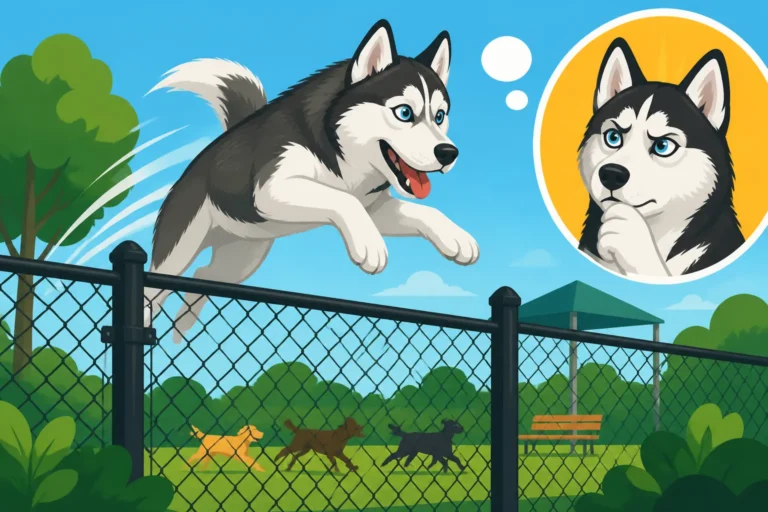
Siberian Husky jumping capability and powerful hindquarters explain why these dogs easily clear standard dog park fences.

Same-sex Siberian Husky pairs often face significant social challenges requiring deep understanding, proactive management, and consistent leadership.
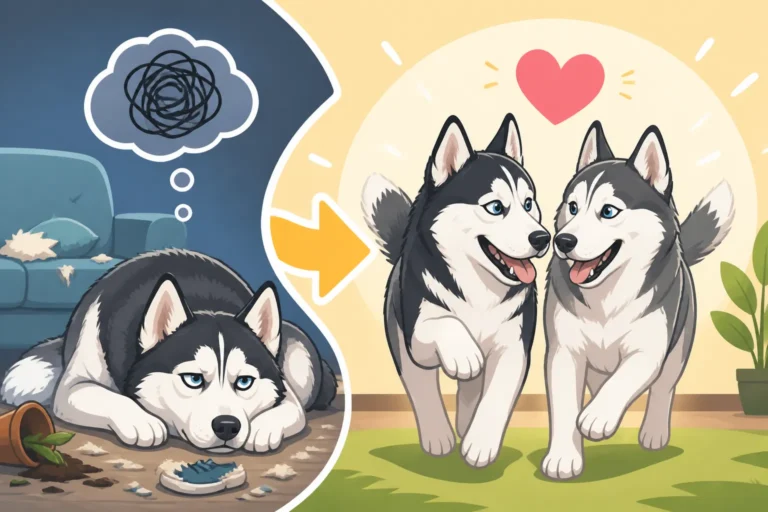
Adding a second Siberian Husky to calm a destructive pet often fails, revealing complex breed pack dynamics and realities.

Neutering a Siberian Husky reduces roaming and urine marking, but it does not calm high energy levels or escape habits like digging.

Siberian Husky adolescent boundary testing starts between six months and one year, continuing until age two with increased independence.

House training a Siberian Husky puppy requires understanding their independent nature, managing distractions, and establishing a consistent routine.

Siberian Husky pack dynamics explain whether adding a second dog solves loneliness, destructive chewing, or separation anxiety.
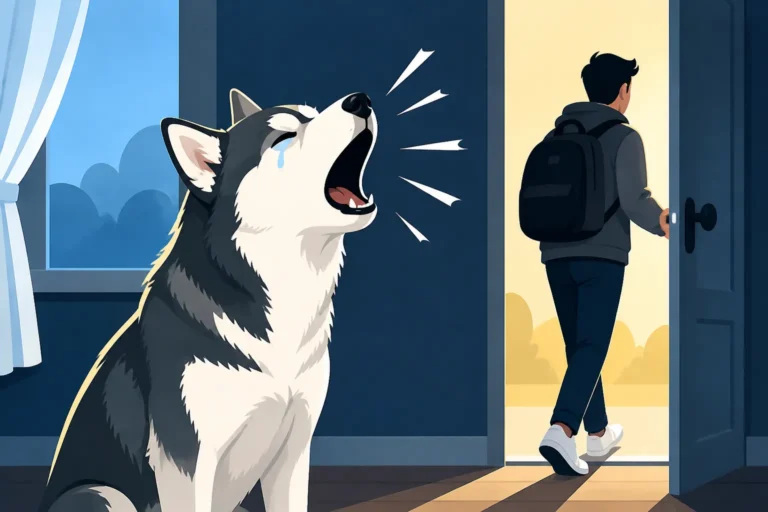
Siberian Husky screaming and separation anxiety causes explained with actionable strategies to soothe anxious dogs at home.
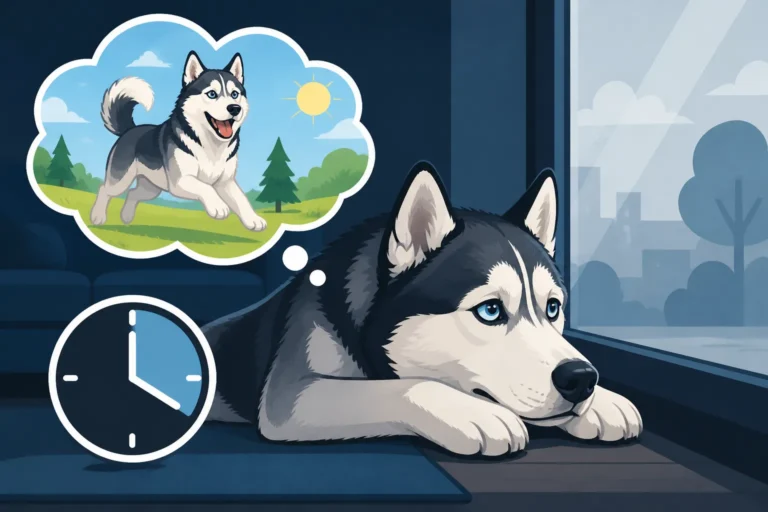
Siberian Husky alone time limits and independence traits explained so owners can prevent destruction and howling.