A Siberian Husky That Screams When Left
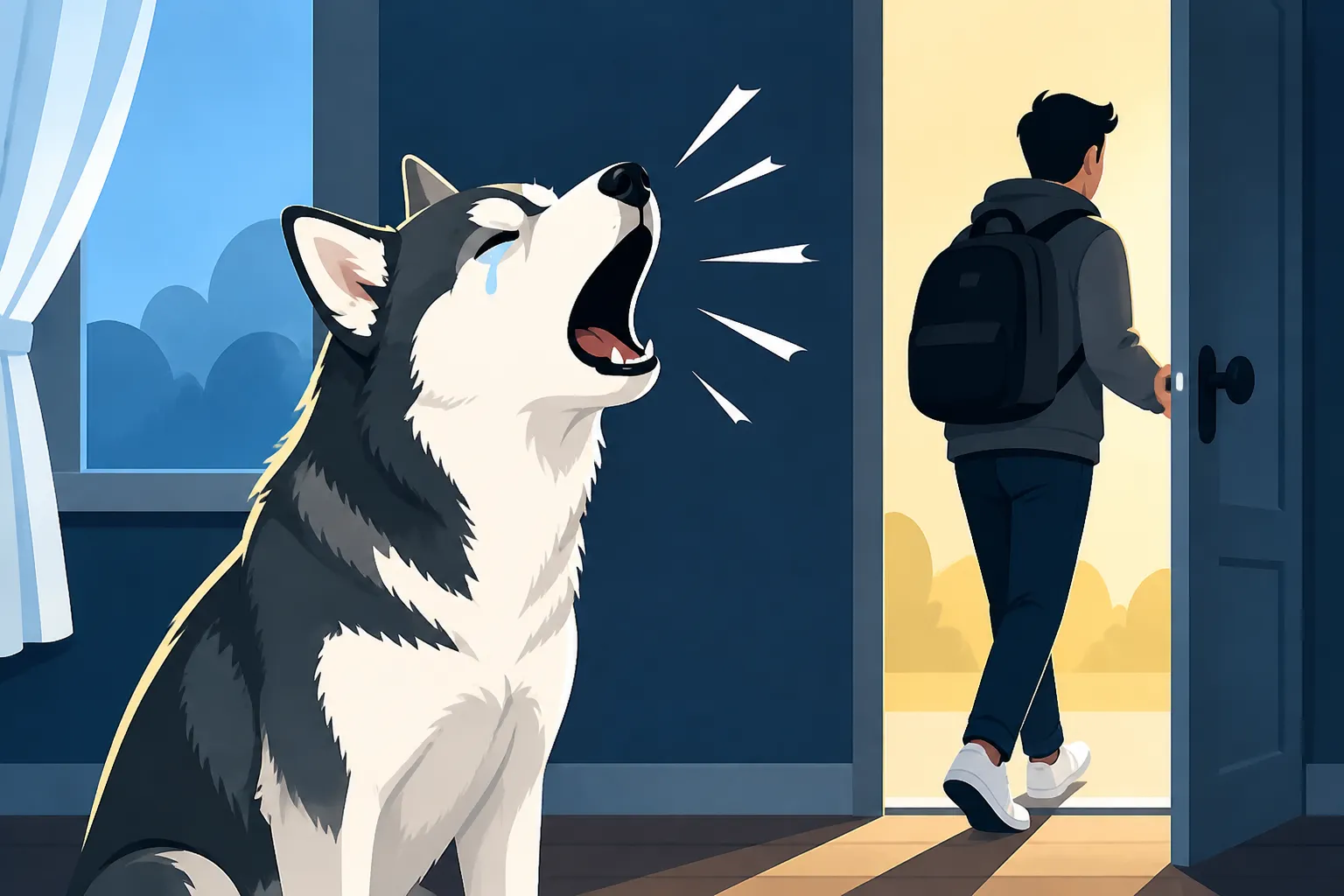
That ear-splitting, piercing scream when you walk out the door or even just step into the next room can be incredibly frustrating and frankly, quite heartbreaking. It’s not just a howl; it’s a full-blown vocalization that makes your Siberian Husky sound like they’re in agony or being tortured, and it leaves you feeling helpless and worried about your furry family member. This guide will delve into why your husky might be letting out these dramatic cries when left alone, distinguishing between different causes, and providing actionable, empathetic strategies to help bring peace back to your home and soothe your anxious pup.
Understanding the Siberian Husky Scream
Siberian Huskies are known for their incredibly diverse and often dramatic vocalizations. They're not generally big barkers like some other breeds, but they are masters of the "husky talk," which includes everything from gentle grumbles and playful yips to full-throated howls and, yes, those infamous screams. When a husky lets out a bloodcurdling scream, it’s rarely because they are physically hurt; more often, it's a profound expression of emotion or a learned behavior.
The Nature of the Husky "Voice"
If you've spent any time around huskies, you know they are chatty. This expressive nature is deeply ingrained in their heritage as working dogs who communicated with their teams and handlers over long distances. Their vocal range is quite remarkable, often sounding like they're trying to have a conversation with you, complete with inflections and varied tones. However, the scream is a different beast entirely. It's usually high-pitched, insistent, and designed to get an immediate reaction. It can sound truly alarming, leading many owners to rush back to check on their dog, which, while well-intentioned, can inadvertently reinforce the behavior. Understanding that this is part of their breed's communication style, albeit an extreme one, is the first step in addressing it.
It's a common misconception that such intense vocalizations are always a sign of distress. While they certainly can be, they can also be a sign of extreme excitement, frustration, or even just a very determined demand for attention. For example, some huskies might let out a short, sharp "yip-scream" when you come home after a long day, purely out of joy and excitement. Others might use a sustained, dramatic wail when they see you getting ready to leave. The context, and your husky's body language, are key to deciphering what their unique vocal message truly means. This breed possesses an emotional depth that they're often quite happy to share with the world, sometimes at maximum volume. For more about this, consider The Siberian Husky Scream and What Sets It Off.
Why They Scream When Left Alone
When your Siberian Husky screams specifically when you leave, or when they perceive they're being left alone, it usually boils down to a few core reasons:
Separation Anxiety: This is often the most common and distressing reason. Huskies are pack animals, deeply bonded with their human families. For some, being separated from their "pack" can trigger genuine panic, fear, and extreme stress. This isn't just being a little sad; it's a full-blown anxiety attack for your dog. They might vocalize incessantly, attempt to escape, or even be destructive. It’s a desperate plea to be reunited with you, and the screaming is one of the most immediate and impactful ways they know how to communicate their distress. The quiet can be deafening for them, and the screams are an attempt to break that silence and call you back.
Boredom and Lack of Mental Stimulation: Huskies are intelligent dogs with a strong need for physical and mental engagement. If they're not getting enough exercise or mental puzzles, they can become restless and bored. A bored husky is a destructive husky, but they can also be an incredibly vocal one. The screaming might be their way of saying, "Hey! I'm bored! Entertain me!" They're literally crying out for something to do, some form of interaction, or an outlet for their abundant energy. This is especially true for young, energetic huskies who haven't yet learned how to settle calmly on their own.
Attention-Seeking Behavior: Sometimes, the screaming is a learned behavior. If every time your husky screams, you immediately return, scold them, or even just acknowledge them, you've inadvertently taught them that screaming is an effective way to get your attention. They learn that "scream = human comes back/pays attention." This can happen even if the attention is negative; for a husky, any attention is often better than no attention at all. This can be a tough habit to break because it requires you to not respond to the behavior, which feels counterintuitive when your dog sounds so distressed.
Frustration: Related to boredom and attention-seeking, frustration can also be a trigger. Perhaps they want to go for a run, chase a squirrel they see out the window, or play with a specific toy, and your departure prevents them from doing so. This frustration can bubble over into a scream. They're expressing their displeasure at being unable to satisfy their desires or instincts. This is a common theme in the breed, and for more insights into this, look up A Siberian Husky That Howls When You Leave.
Identifying the Root Cause of the Screaming
Pinpointing why your husky is screaming when left alone is the most critical step toward finding an effective solution. It’s easy to jump to conclusions, but observing their behavior thoroughly will give you the clarity you need.
Differentiating Separation Anxiety from Attention-Seeking
These two can look similar on the surface, but their underlying motivations and manifestations are different.
Signs of Separation Anxiety: This is a genuine panic response. When a husky has true separation anxiety, their distress begins before you even leave. They might start pacing, panting, trembling, drooling excessively, or even try to block your exit as you prepare to depart. Once you're gone, the screaming is usually continuous or very frequent, and often accompanied by other anxiety-driven behaviors:
- Destructive Chewing: Often focused on exit points like doors or windows, or items that smell like you (shoes, clothes).
- House Soiling: Urinating or defecating indoors, even if house-trained, which is not done out of spite but out of an inability to control bodily functions due to extreme stress.
- Pacing and Restlessness: Constant movement, inability to settle.
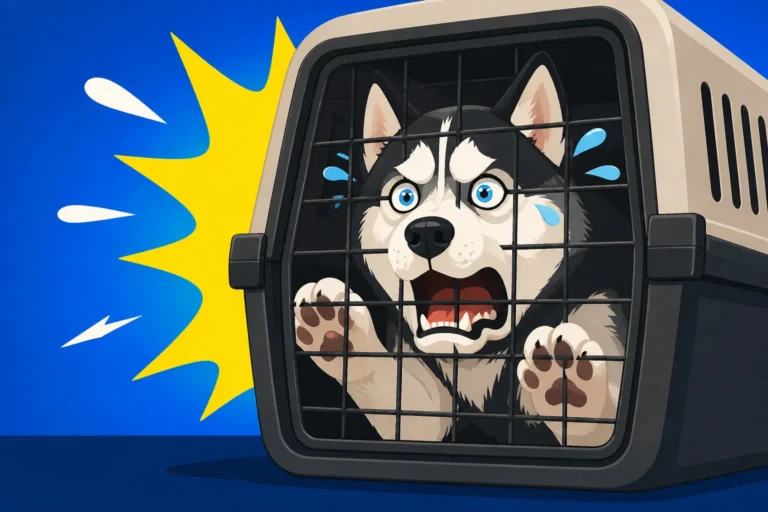
- Escaping: Trying to get out of their crate or the house, sometimes injuring themselves in the process.
These behaviors typically only happen when they are truly alone. If you set up a camera (many affordable options are available on Amazon these days, or even an old smartphone can work) to record their behavior while you're out, you'll see a dog in genuine distress. They're not just being "naughty" or "stubborn"; they're truly suffering. More on this can be found in Siberian Husky Separation Behavior.
Signs of Attention-Seeking: In contrast, a husky that screams for attention might not show significant distress before you leave. They might seem fine as you gather your keys, but as soon as the door closes or you walk into another room, the vocalizations begin. The key difference here is often the lack of other anxiety-related behaviors (like destruction or house-soiling) and the fact that the screaming might cease if they realize you're truly gone and there's no immediate reward for the noise. They're testing the boundaries, seeing if their vocalizations will bring you back. This behavior can also manifest when you are home but ignoring them (e.g., you're on the phone, working, or watching TV), and they want your focus back on them. The screaming is a tool they use, not an expression of panic.
It’s crucial to use that camera! Recording your husky's behavior for the first 30-60 minutes after you leave will provide invaluable insight. Does the screaming start immediately and continue? Is it interspersed with destructive attempts? Or does it stop after a few minutes, perhaps only to resume if they hear you return? The answers will guide your training approach.
Assessing Their Exercise and Mental Stimulation Needs
A tired husky is often a quiet husky. These dogs were bred to run for miles, pulling sleds in harsh conditions. Their energy levels are off the charts compared to many other breeds, and their minds are just as active.
If your husky is screaming from boredom or pent-up energy, consider their daily routine. Are they getting at least 1-2 hours of vigorous physical exercise every single day? This isn't just a leisurely walk around the block; this is a run, a hike, a bikejoring session, or intense playtime. How Much Exercise a Siberian Husky Really Needs is a great resource here. Without this physical outlet, that energy has to go somewhere, and vocalization is an easy, albeit disruptive, way for them to release it.
Beyond physical exercise, mental stimulation is equally important. Huskies are smart, problem-solving dogs. If their brains aren't challenged, they'll invent their own "jobs," which often involve destroying your furniture or, you guessed it, screaming for entertainment. Are you incorporating training sessions, puzzle toys, sniff work, or interactive games into their day? A husky who has spent time solving puzzles or learning new cues before you leave is much more likely to settle down than one who's just been lying around waiting for something to happen.
Practical Strategies to Reduce the Screaming
Once you have a better understanding of why your husky is screaming, you can implement targeted strategies. Patience, consistency, and a realistic outlook are your best friends here.
Building Independence and Confidence
For huskies with separation anxiety or those who are overly reliant on your presence, the goal is to gradually teach them that being alone is okay and that you will return.
Gradual Desensitization: This is the cornerstone of addressing separation anxiety. It involves starting with very short absences and slowly increasing the duration as your husky shows they can cope calmly.
- Practice Departure Cues: Pick up your keys, put on your shoes, grab your bag – all the things you do before leaving. Do them, but then don't leave. Sit back down. Repeat this many times a day until these cues no longer trigger anxiety.
- Micro-Absences: Start by stepping out of sight for literally a few seconds (e.g., behind a door), then return before your husky can start vocalizing. Reward calm behavior.
- Slowly Increase Time: Over days and weeks, gradually increase the duration of your absences. This might mean starting with 10 seconds, then 30 seconds, then a minute, and so on. The key is to never push them to the point of panic. If they start screaming, you've gone too long. Next time, go back to the duration they were comfortable with and try a slightly shorter increment.
- No Emotional Goodbyes or Hellos: While it's hard, make your departures and arrivals low-key. A big fuss only heightens their emotions. A calm "I'll be back" and a quiet return reinforces that your coming and going are normal, not a big event.
Creating a Safe Place: Designate a crate or a specific room as your husky's safe haven. This space should be associated with positive experiences, not punishment. Feed them meals there, offer high-value chews, and make it a comfortable den. If they view their crate as a secure retreat, they might feel less exposed and anxious when alone. Ensure the crate is robust enough for a husky; some are notorious for bending bars. Crating a Siberian Husky That Bends the Bars offers crucial advice on this. Always leave them with something safe to chew or a puzzle toy to occupy them.
Ignoring Attention-Seeking: If you've determined the screaming is primarily for attention, the hardest part is to ignore it. This means not responding in any way—no looking, no speaking, no returning until they are quiet. This is where those camera recordings come in handy, allowing you to monitor when they become quiet. Only return when there's a lull in the vocalization. It takes incredible patience, and the behavior often gets worse before it gets better (the "extinction burst"), as they try harder to get a response. This also applies when you're home; reward quiet, calm behavior with attention, not the other way around.
Providing Enrichment and Exercise
A physically and mentally exhausted husky is far less likely to have the energy or inclination to scream.
Pre-Departure Exercise: Make sure your husky gets a significant burst of exercise before you plan to leave them alone. A long, brisk walk, a serious run, or an intense game of fetch or tug can burn off much of that boundless energy. The goal is for them to be tired enough to want to nap or relax while you're gone. This isn't just about physical exertion; it also helps to satisfy their intrinsic need for activity.
Mental Games and Puzzle Feeders: Don't underestimate the power of brain work. Investing in high-quality puzzle toys or feeders can keep your husky engaged for a good amount of time. You can find excellent options on Amazon, designed to make dogs work for their kibble or treats. These aren't just toys; they are mental workouts that can tire a husky just as effectively as a physical run. Try toys that dispense food slowly, or snuffle mats for their meals. For instance, Puzzle Feeders a Siberian Husky Cannot Beat could offer some ingenious ideas. Rotate these toys to keep them novel and exciting.
Long-Lasting Chews: Provide safe, durable chews that can last for a long period, helping to redirect any destructive tendencies and provide a calming outlet. Always ensure they are appropriate for your husky's chewing strength and size to prevent choking hazards. Chewing is a natural, stress-relieving activity for dogs, and a good chew can keep them happily occupied.
Professional Help and Training Resources
Sometimes, the behavior is deeply ingrained or the anxiety is too severe for owners to manage alone. Don't hesitate to seek professional help.
Certified Professional Dog Trainer or Veterinary Behaviorist: If the screaming is persistent, accompanied by destruction, house-soiling, or self-harm attempts, it's time to bring in the experts. A certified professional dog trainer with experience in separation anxiety can provide tailored plans and guide you through the desensitization process. For severe cases, a veterinary behaviorist (a vet with specialized training in animal behavior) can assess if medication might be a helpful tool in conjunction with behavior modification, making the training process more effective by reducing the baseline anxiety. Finding a trainer who truly understands the husky temperament is essential; check out Finding a Trainer Who Has Worked With Huskies.
Online Resources and Virtual Training: Many fantastic online resources and virtual training programs are available, which can be particularly helpful if in-person trainers are scarce or out of budget. For example, platforms like BAXTER & Bella offer comprehensive online puppy and dog training programs, including modules on separation anxiety and behavior modification. These resources can provide structured guidance, video tutorials, and even personalized coaching to help you implement effective strategies from the comfort of your home. They often emphasize positive reinforcement and building a strong bond, which is crucial for sensitive breeds like huskies. Remember, a husky often "shuts down" under pressure, so positive reinforcement is key, as discussed in A Siberian Husky That Shuts Down Under Pressure.
Managing the Environment and Expectations
Beyond direct training, creating the right environment and setting realistic expectations are vital for long-term success.
Sound Management and Neighbor Relations
A screaming husky can quickly lead to strained neighbor relations, especially if you live in an apartment or close quarters.
Soundproofing Tips: While you can't entirely soundproof your home, you can mitigate the noise. Playing white noise, classical music, or even a dog-specific calming playlist on a low volume can help mask external sounds that might trigger your husky, and also help contain their own vocalizations. Heavy curtains, rugs, and soft furnishings can also absorb some sound. For deeper dives into making your space quieter, consider Soundproofing an Apartment for a Siberian Husky.
Open Communication with Neighbors: It's often better to be proactive. If you know your husky vocalizes when you're out, have an open and honest conversation with your neighbors. Explain that you are aware of the issue and actively working on it. You might even offer your phone number for them to text you if the noise becomes unbearable, allowing you to intervene or adjust your training. A little empathy and communication can go a long way in maintaining good relationships, and it helps to know your rights and responsibilities when it comes to dog noise, as explored in Whether Neighbors Can Complain About Husky Howling.
Consistency is Key
This journey with a screaming husky is rarely a quick fix. It requires immense patience, understanding, and above all, consistency.
Family Alignment: Every person in the household must be on the same page regarding training protocols. If one family member inadvertently reinforces the screaming, it can undermine all the hard work everyone else is doing. Ensure everyone understands the plan for departures, greetings, and ignoring attention-seeking behaviors. A unified front is critical for your husky to understand the new rules.
Realistic Expectations: Remember, your Siberian Husky isn't doing this to spite you. They are communicating, and if it's anxiety, they are truly distressed. Behavior modification takes time, often weeks or months, and there will be setbacks. Celebrate small victories: a minute of quiet, a less intense scream, or a slightly longer period of calm. Don't expect perfection overnight. This is a process of gradually reshaping their emotional response and learned behaviors. Keep track of your progress, and don't get discouraged by the occasional step backward. Your consistency and unwavering support will eventually help your husky find peace when you're away.
Disclaimer
This article is for general informational purposes only and does not constitute professional advice. Laws, prices and regulations vary by location and change over time. Consult a qualified professional for guidance on your specific situation.