A Siberian Husky That Howls When You Leave
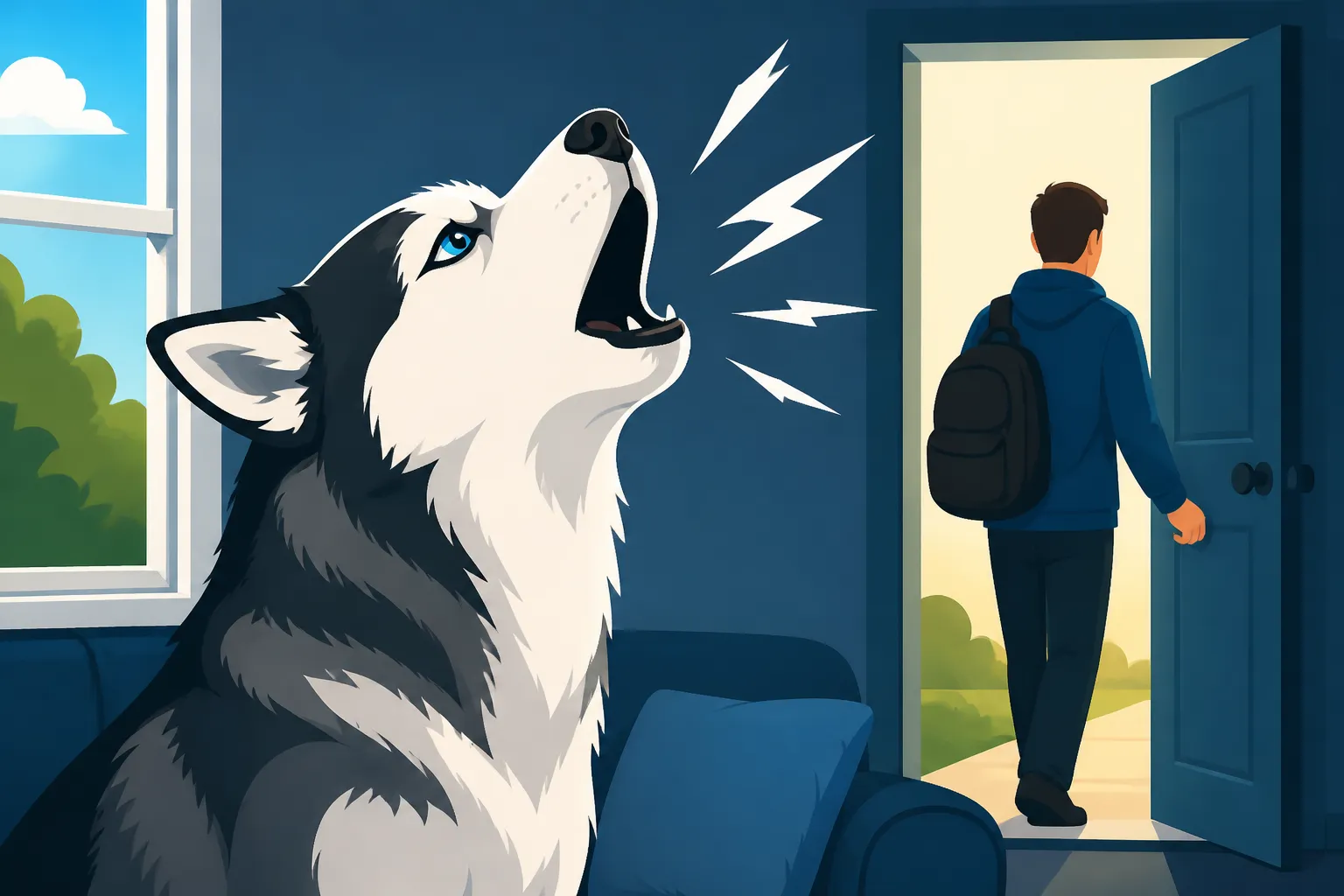
Coming home to the mournful, often ear-splitting, howls of your Siberian Husky can be incredibly frustrating, not to mention a source of tension with neighbors. It’s a common scenario for many Husky owners: you step out for an errand, a work shift, or even just a quick trip to the mailbox, and the moment the door clicks shut, the serenade begins. This guide is here to help you understand why your beloved Husky might be howling when you leave and, more importantly, what concrete steps you can take to bring some peace back to your home and your neighborhood.
Decoding the Husky Howl: More Than Just Noise
Siberian Huskies are, by nature, a highly vocal breed. This isn't just a quirk; it's a deeply ingrained part of their heritage. Their ancestors communicated across vast, open spaces, and howling was a primary means of staying connected with their pack. So, when your Husky lets out a howl, they're often doing what comes naturally, expressing themselves in a way that's as instinctual as a bark is to other breeds. The challenge for us as modern pet owners is to discern the reason behind the howl, especially when it happens specifically when you're not there.
The Instinctual Symphony of the Siberian Husky
Unlike many breeds that primarily bark, Huskies have a diverse vocal repertoire that includes everything from woos and grumbles to full-throated howls and those characteristic "talking" sounds. This isn't just random noise; it's communication. A Husky might howl to greet you, to express excitement, or to try and engage you in play. When you're present, these vocalizations can be endearing, even amusing. It's part of The Siberian Husky Scream and What Sets It Off and their charm. They're trying to tell you something, often with great passion!
However, this inherent vocal nature means that when a Husky feels isolated or disconnected, their go-to method for seeking attention or expressing distress is often through howling. They aren't trying to be naughty; they're operating on instinct, trying to reunite with their pack (you!). Understanding this fundamental aspect of their communication is the first step in addressing the problem, rather than simply labeling it as "bad behavior."
Why Silence Isn't Always Golden
For us, silence often equals contentment in a pet. For a Husky, silence can sometimes mean something else entirely. While excessive noise is certainly a problem, a completely silent Husky might be either deeply relaxed or, conversely, completely shut down. The goal isn't necessarily to eliminate all vocalization, but to reduce the distress-driven howling that occurs when they are left alone. We want them to feel comfortable and secure enough not to feel the overwhelming need to call out for their missing pack members.
Think of it from their perspective: one minute, their entire world (you!) is there, and the next, it's gone. Without understanding why or when you'll return, their pack instinct kicks in. This deep-seated need for connection and communication is what drives many of these persistent vocal efforts.
Is it Separation Anxiety or Just a Husky Being a Husky?
This is the million-dollar question for many Husky owners. While some howling is simply a Husky expressing their feelings, persistent, intense howling when alone often points to a deeper issue, typically separation anxiety or severe boredom. Distinguishing between the two is crucial for effective intervention.
Telltale Signs of True Separation Anxiety
True separation anxiety is more than just missing you; it's a panic response. When a Husky experiences separation anxiety, their emotional state escalates rapidly from slight unease to full-blown terror when left alone. The howling is usually intense, high-pitched, and continuous, often starting almost immediately after you leave. But it's rarely just howling.
Look for a cluster of these behaviors:
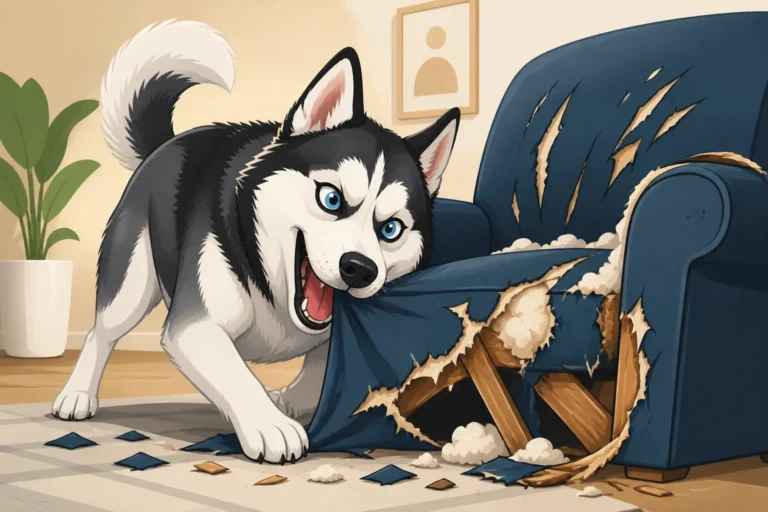
- Destructive Chewing and Scratching: This isn't just casual chewing; it's often directed at exit points like doors, door frames, windowsills, or even crates, in desperate attempts to escape and find you. You might come home to significant damage to your home, which is a major red flag for this kind of distress.
- Pacing and Restlessness: They might pace constantly, unable to settle, leaving distinct tracks on carpets or floors. You might notice wear patterns that weren't there before.
- House Soiling: Accidents indoors, even from a fully house-trained dog, can be a sign. It's not out of spite; it's a loss of bladder or bowel control due to extreme stress.
- Excessive Salivation or Drooling: A dog under severe stress can drool profusely, sometimes leaving puddles.
- Self-Harm: In severe cases, dogs might lick or chew themselves raw, or even injure themselves trying to break out of confinement.
- Hyper-Greeting: When you return, they might be overly excited, almost frantic, as if they've been separated for weeks, not hours.
If you're seeing several of these behaviors alongside the howling, particularly the destructive attempts to escape, it's very likely you're dealing with genuine Siberian Husky Separation Behavior. This isn't something that can be fixed with just a new toy or a longer walk; it requires a structured, patient approach, often involving professional guidance.
The Boredom-Driven Howl
On the other hand, many Huskies simply get bored. They are intelligent, high-energy dogs bred to run for miles and solve problems. If they're under-exercised, under-stimulated, and then left alone for long stretches, they're going to find ways to entertain themselves. And for a Husky, making noise is often part of that entertainment.
Signs of boredom howling include:
- Less Intense Howling: It might be intermittent, less frantic, and perhaps more of a "talking" or conversational howl. It might ramp up over time rather than starting immediately.
- No Destructive Escape Attempts: While a bored Husky can certainly be destructive (chewing furniture, digging in the yard), it's usually not focused on escape routes. It's more about exploring or redecorating your home in their own way.
- No Other Panic Symptoms: You won't typically see the excessive drooling, house soiling, or self-harm associated with anxiety.
- Happily Engaged Upon Return: They might be excited to see you, but it's a happy excitement, not an overwhelmed, frantic reunion.
The key difference here is the underlying emotional state. A bored Husky is looking for something to do, while an anxious Husky is desperately trying to stop feeling terrified and alone. This distinction will guide your approach to finding a solution.
Actionable Steps to Quieten a Lonely Howler
Whether it's anxiety or boredom, a howling Husky needs your help. The good news is there are many practical strategies you can implement to address this challenging behavior. It often requires a multi-faceted approach, combining training, enrichment, and environmental adjustments.
Building Positive Associations with Your Departure
One of the most powerful things you can do is change your Husky's emotional response to you leaving. Right now, your departure likely signals distress or boredom. We want to flip that script.
- Practice Short Departures: Start incredibly small. Get your keys, walk to the door, open it, then close it and immediately come back inside. Don't make a fuss. Gradually extend the time you're gone by mere seconds. The goal is to return before your Husky starts howling. If they do howl, you waited too long. Next time, make it even shorter. This can take incredible patience, but it builds resilience.
- "Go Away" Cues: Develop a "go away" routine that is not associated with leaving. For example, grab your keys, walk to the door, open it, and then sit down and watch TV. Do this multiple times a day without actually leaving. This desensitizes them to your "leaving" signals.
- High-Value Departure Treats: Just before you leave, give them something absolutely amazing and long-lasting that they only get when you're gone. This could be a Kong filled with frozen peanut butter or cream cheese, or a chew toy that takes a while to get through. The idea is to make your departure synonymous with something fantastic happening. Puzzle Feeders a Siberian Husky Cannot Beat can be a great option here; find one on Amazon that is truly challenging and engaging. They'll be too busy working for their reward to worry about you.
Exercise, Enrichment, and Mental Stimulation
A tired Husky is a quieter Husky. These dogs were bred for endurance and purpose. Without sufficient physical and mental outlets, they will create their own, and that often involves noise and destruction.
- Ample Physical Exercise: This is non-negotiable for a Siberian Husky. Aim for at least 60-90 minutes of vigorous exercise daily, ideally broken into two sessions. This isn't just a leisurely walk around the block. Think running, hiking, Canicross and Bikejoring With a Siberian Husky, or even swimming. A good run before you leave for work can make a world of difference.
- Mental Games and Training: Huskies are smart, even if they're often called stubborn. Engage their minds! Practice obedience commands, teach new tricks, or use sniff games. Even 15-20 minutes of focused mental work can be as tiring as a long walk. Online training platforms, such as those offered by BAXTER & Bella, can provide a structured curriculum for mental stimulation and help you with positive reinforcement techniques.
- Interactive Toys: Beyond the departure treats, provide a variety of toys that rotate regularly. Some dogs love squeaky toys, others prefer tough chew toys. Look for toys that can be stuffed with treats or that require some thought to manipulate.
- Daycare or Dog Walker: If your schedule doesn't allow for enough exercise and mental stimulation, consider a reputable dog daycare a few times a week or hiring a dog walker to break up their day. This provides both physical activity and social interaction, which can significantly reduce boredom-driven howling.
Managing the Environment and Routine
Small changes to their environment and your routine can have a big impact on your Husky's sense of security.
- Crate Training for Security (Not Punishment): If properly introduced, a crate can become a safe, den-like space for your Husky. It should never be used as punishment. Start by making the crate a positive place with treats and toys, gradually increasing the time they spend in it while you're home. Many Huskies feel more secure in a confined space. However, be aware that a distressed Husky can be incredibly destructive in a crate, sometimes injuring themselves or breaking out. For these dogs, you'll need an escape-proof, heavy-duty crate. Crating a Siberian Husky That Bends the Bars describes some of the challenges here.
- White Noise or Calming Music: A radio or TV left on a talk channel or with classical music can provide background noise that masks outside triggers and makes the house feel less empty.
- Scent of You: Leave an old, unwashed t-shirt or blanket with your scent on it in their sleeping area. Your familiar smell can be comforting.
- Gradual Departures and Arrivals: Make your departures and arrivals as low-key as possible. Avoid lengthy goodbyes or overly enthusiastic greetings, as this can heighten the drama of your leaving and returning. Give them a few minutes to settle before acknowledging them when you get back.
Long-Term Strategies and Mindset Shifts for Husky Owners
Addressing howling when you leave is rarely a quick fix. It requires consistency, patience, and a deep understanding of your Husky's needs. This is a journey, not a sprint.
Seeking Professional Guidance
If you suspect true separation anxiety, or if your efforts aren't yielding results, don't hesitate to seek professional help.
- Certified Professional Dog Trainer (CPDT): A trainer specializing in positive reinforcement and separation anxiety can provide tailored strategies and guide you through the process. They can observe your dog's behavior and help you create a desensitization plan.
- Veterinary Behaviorist: For severe cases, a veterinary behaviorist (a vet with specialized training in animal behavior) can prescribe medication to help manage the anxiety in conjunction with behavior modification. This isn't a magic bullet but can help lower their anxiety levels enough for the training to be more effective.
- Remote Monitoring: Using a pet camera allows you to observe your Husky's behavior when you're gone. This is invaluable for understanding when the howling starts, how intense it is, and what other behaviors are present. Many systems offer two-way audio, which some owners find useful, though be cautious not to inadvertently reinforce the howling by responding to it.
The Role of Consistency and Patience
Huskies are smart, but they thrive on routine and consistency. Any training or behavior modification plan needs to be followed consistently by everyone in the household. If one person practices the desensitization exercises while another makes a big fuss upon leaving, it will confuse your dog and hinder progress.
- No Quick Fixes: Understand that changing a deeply ingrained behavior, especially one rooted in anxiety or strong instinct, takes time. Weeks, even months, of consistent effort are often required. Celebrate small victories, like a few extra minutes of quiet.
- Manage Expectations: Your Husky may never be completely silent when left alone, especially if they are highly vocal by nature. The goal is to reduce distress, minimize nuisance howling, and ensure they are comfortable and safe in your absence. Howling in a Siberian Husky Household is often a fact of life, but problematic howling can be managed.
- Empathy for Your Husky: Remember that your Husky isn't howling to annoy you. They are expressing a need or a feeling. Approaching the problem with empathy, rather than frustration, will make you a more effective trainer and build a stronger bond with your dog. They rely on you to help them feel safe and secure.
Planning for the Future and Life Changes
Your Husky's needs might change over time, and proactive planning can help prevent old habits from resurfacing.
- Long-Term Exercise Plan: Continue to prioritize their physical and mental stimulation throughout their lives. As they age, the type of exercise might change, but the need for engagement remains.
- Anticipate Changes: If you anticipate a major life change – like a new job with different hours, a move to a new home, or adding a new family member – start preparing your Husky well in advance. Gradually adjust routines or re-introduce desensitization exercises to help them adapt.
- Consider a Companion: For some Huskies, especially those with strong pack drives, a compatible canine companion can sometimes help alleviate loneliness. However, this is a significant decision and not a guaranteed solution, as some dogs with separation anxiety are still anxious even with another dog present, or you could end up with two howling Huskies!
By understanding the unique vocal nature of your Siberian Husky, distinguishing between anxiety and boredom, and implementing consistent, patient strategies, you can help your furry family member feel more secure and content when you're away, leading to a much quieter and happier home for everyone.
| Symptom Category | Likely Cause: Boredom | Likely Cause: Separation Anxiety |
|---|---|---|
| Howling | Intermittent, rises over time, lower intensity, "talking" | Continuous, high-pitched, frantic, starts immediately |
| Destruction | General chewing (shoes, toys, furniture), digging in yard | Focused on exits (doors, windows, crates), attempts to escape |
| Elimination | Unlikely, unless left for excessive duration | Frequent, immediate, loss of bladder/bowel control due to stress |
| Physical Signs | Normal | Pacing, drooling, panting, trembling, self-harm |
| Upon Return | Happy, excited greeting | Frantic, overly dramatic, takes time to settle |
| Triggers | Lack of exercise/mental stimulation, long periods alone | Any signal of your departure, being left alone |
Disclaimer
This article is for general informational purposes only and does not constitute professional advice. Laws, prices and regulations vary by location and change over time. Consult a qualified professional for guidance on your specific situation.