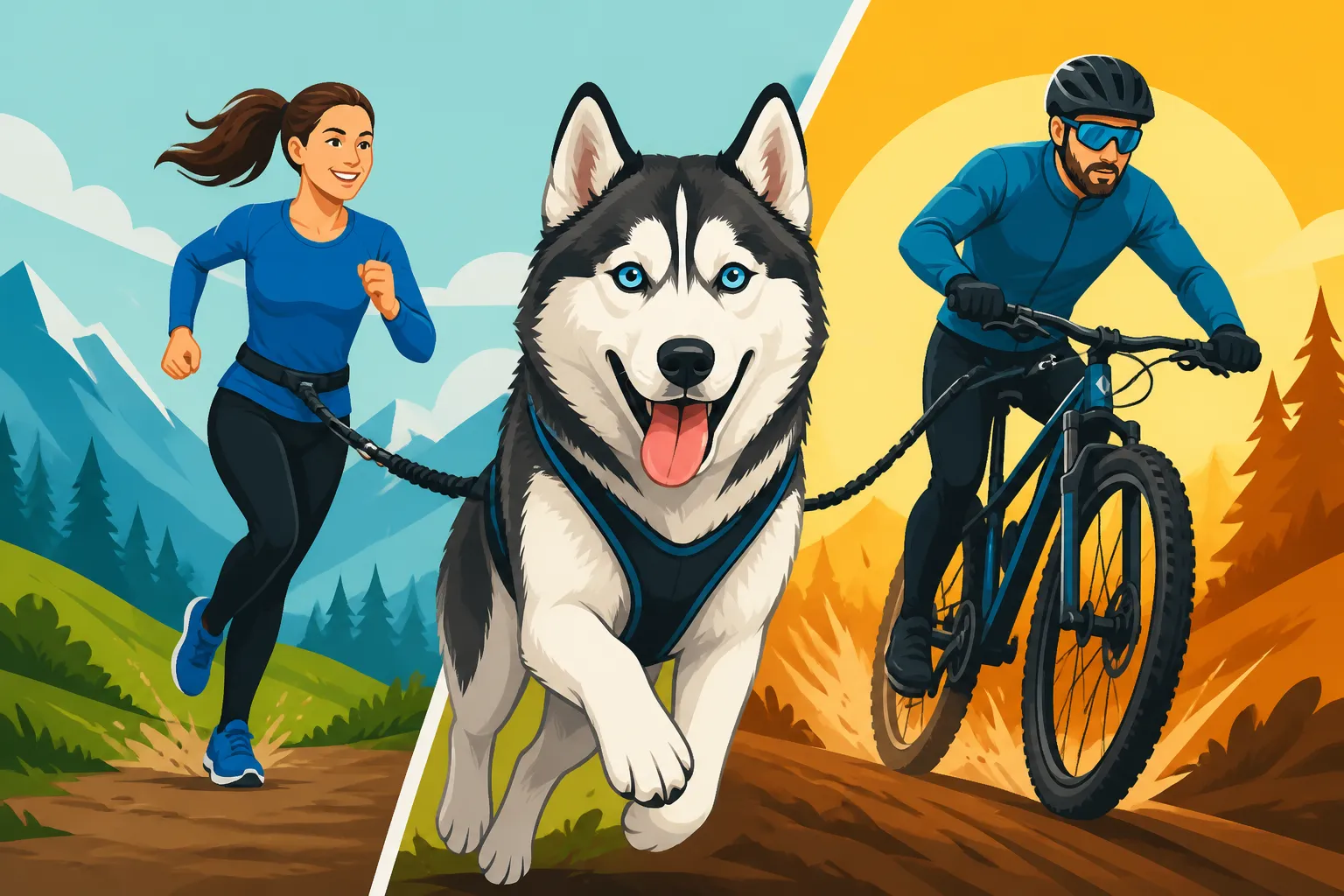
Canicross and Bikejoring With a Siberian Husky
It's no secret that living with a Siberian Husky often means dealing with an incredible amount of energy and a deeply ingrained desire to run and pull. Many owners find themselves at their wit's end trying to give their active companion a satisfying outlet that goes beyond endless walks or dog park visits. This guide is all about exploring two fantastic harness sports, canicross and bikejoring, that truly tap into your Husky's natural instincts, offering both a phenomenal physical workout and a powerful way to bond.
Understanding Your Siberian Husky's Drive to Pull
If you've ever walked a Siberian Husky on a leash, you know the struggle is real. It often feels less like a pleasant stroll and more like a human-powered sledding expedition! This isn't your Husky being naughty or stubborn; it's a fundamental part of who they are, bred into their very being for centuries.
The Instinctive Pull: Why Huskies Love to Work
Let's be honest, trying to teach a Siberian Husky not to pull on a leash can feel like trying to teach a fish not to swim. It's frustrating, isn't it? You see those beautiful dogs gliding effortlessly beside their owners, and then there's your Husky, practically dragging you down the street the moment a squirrel breathes wrong. But here's the thing: these dogs weren't just bred to look pretty; they were specifically developed by the Chukchi people for endurance pulling over vast, snowy distances. Their entire physique, their powerful shoulders, their efficient gait, and their incredible stamina are all geared towards one thing: pulling. It's in their DNA.
This isn't a flaw in their temperament; it's a feature of their breed. When your Husky leans into that harness and strains forward, they're not trying to challenge your authority; they're simply doing what their ancestors did for generations to survive and thrive in harsh environments. Recognizing this deep-seated instinct is the first step toward a more harmonious relationship. Instead of constantly fighting against this powerful urge, imagine if you could harness it, literally, for an activity that benefits both of you. That's where canicross and bikejoring come into their own, transforming a perceived "problem" into a shared passion.
Channeling Energy: Beyond Walks in the Park
A casual stroll around the block, even a long one, just isn't enough for most Siberian Huskies. Many of us have experienced the sheer chaos of a young Husky who hasn't had adequate exercise – chewed furniture, incessant howling, or digging craters in the backyard. It's not maliciousness; it's boredom and pent-up energy manifesting in destructive ways. Your Husky needs to work their body and their mind in a way that truly challenges them. Think about it: a walk at your pace is like a gentle amble for a dog built to cover miles at a trot.
Harness sports provide an unparalleled physical and mental workout. They allow your Husky to engage in sustained, high-intensity aerobic exercise, which is exactly what their bodies are designed for. But it's not just about burning off steam; it's about giving them a job, a purpose. When they're focused on pulling, responding to commands, and navigating trails, their minds are engaged. This mental stimulation is just as crucial as the physical exertion, preventing the kind of boredom that leads to mischief. It's a fantastic way to satisfy their natural desires and turn that relentless energy into a positive, shared adventure. When your Husky gets to do what they love, you'll find a calmer, happier, and more content dog curled up beside you at the end of the day. For more on their natural activity levels, read How Much Exercise a Siberian Husky Really Needs.
What is Canicross and Why a Husky Excels At It?
Canicross is essentially cross-country running with your dog, where you are connected by a bungee line to a specially designed harness your dog wears, and you wear a canicross belt around your waist. Your dog runs in front, pulling you along, setting the pace, and adding an extra layer of challenge to your run. It's a fantastic, low-impact way for humans to exercise while allowing their Husky to embrace their innate pulling drive.
Gear Up: Essential Canicross Equipment
Getting started with canicross requires a few key pieces of equipment to ensure both your safety and your Husky's comfort and efficiency. You can find a wide range of these products on platforms like Amazon, but always prioritize quality and proper fit.
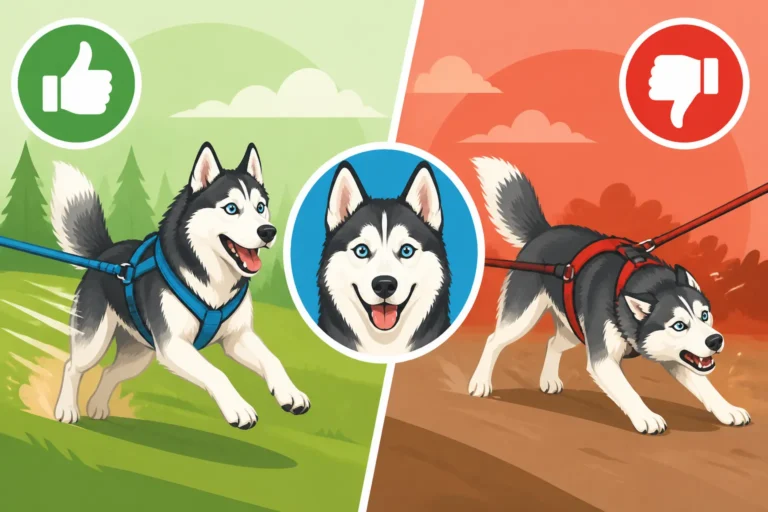
First and foremost, your Husky needs a specialized canicross harness. This is not a regular walking harness. A proper canicross harness, often called an X-back or H-back harness, is designed to distribute the pulling pressure evenly across your dog's chest and shoulders, allowing for full range of motion in their legs and preventing strain on their throat or back. It should fit snugly but not restrict movement, especially around the shoulders and rib cage. A poorly fitting harness can cause discomfort, chafing, and even injury, so investing in a good one and ensuring it's the right size is paramount.
Next, you'll need a bungee line (also known as a tug line or leash). This isn't just any leash; it incorporates an elastic section that absorbs shocks and provides a smoother pulling experience for both you and your dog. It prevents jarring motions that can occur if the dog pulls suddenly or you change speed abruptly. These lines typically range from 6 to 10 feet when extended, giving your Husky enough space in front of you without getting tangled.
Finally, you need a canicross belt for yourself. This belt is worn around your hips, not your waist, to engage your core and larger muscle groups, reducing strain on your back. It features a hook or loop at the front where you attach the bungee line. A good belt will have wide webbing and padding to ensure comfort, especially on longer runs. Some belts even have small pockets for your phone, keys, or a treat pouch. With the right gear, you'll quickly discover how much more enjoyable and effective running with your Husky can be.
Benefits and Basics of Canicross
Canicross offers a wealth of benefits that go far beyond just burning calories. For your Siberian Husky, it's a phenomenal outlet that taps directly into their instincts. Imagine your Husky, out on a trail, feeling the harness engage, the line tighten, and knowing their job is to pull and run. That look of pure joy and focus is truly something to behold. It provides sustained aerobic exercise, building muscle, endurance, and cardiovascular health. It’s a perfect way for them to expend all that boundless energy they seem to have in limitless supply, leading to a much calmer and more content dog at home.
For you, the human, it's an incredible workout that gets you moving faster and further than you might on your own. The dog's pulling power gives you an assist, but you're still doing plenty of work, especially up hills. It strengthens the bond between you and your Husky as you work together as a team, relying on each other. Starting is relatively simple: once you have your gear, begin with short, easy runs on familiar, safe trails. Teach basic directional commands like "gee" (right), "haw" (left), "onward" (go straight), and "whoa" (stop) using clear verbal cues and positive reinforcement. Keep early sessions fun and positive, gradually increasing distance and intensity as both you and your Husky build fitness. Remember, the goal is to make it an enjoyable experience, cementing the idea that pulling in harness is a rewarding activity. You can learn more about specific verbal commands in Teaching a Siberian Husky the Difference Between Pull and Walk.
Diving Into Bikejoring With Your Siberian Husky
If you're looking for an even higher-octane adventure that lets your Siberian Husky truly open up and run at speed, bikejoring might be your calling. This sport involves your Husky (or a team of Huskies!) pulling you on a bicycle, similar to canicross but with the added element of wheels. It’s an exhilarating way to cover more ground, give your Husky an intense workout, and experience the thrill of being pulled by a powerful animal.
Bikejoring Gear: What You'll Need for the Trail
Just like canicross, bikejoring requires specialized equipment, with safety being the absolute priority for both you and your dog. Don't skimp on quality here, as you'll be moving at higher speeds.
The foundation is a sturdy mountain bike. While you might think any bike will do, a mountain bike is essential for its robust frame, excellent shock absorption, and reliable braking system. You'll likely be on dirt trails, gravel paths, or even packed snow, and a road bike simply won't cut it. Make sure your brakes are in perfect working order, as your ability to stop quickly is crucial. Many enthusiasts even recommend a fat bike for winter bikejoring, offering better traction on snowy surfaces.
Attached to the front of your bike, you'll need a bikejor arm or antenna. This is a spring-loaded or rigid arm that extends from the front of your bike, keeping the bungee line clear of your front wheel. Without it, the line could get tangled in your wheel, leading to a sudden and dangerous stop. Brands like Non-stop Dogwear and Ruffwear offer excellent options, and you can certainly find a variety of styles and price points on Amazon.
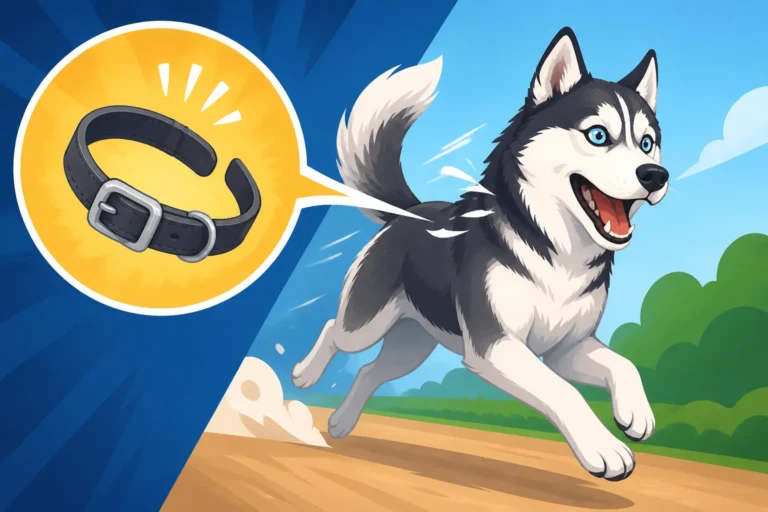
The bungee line used for bikejoring is similar to a canicross line, designed to absorb shock and provide a smooth pull. However, it might be slightly longer to ensure your dog has ample space in front of the bike, typically 8 to 12 feet when extended. Again, the canicross harness you use for running can often double as a bikejoring harness, but ensure it's still fitting perfectly to handle the increased speed and consistent pull. Never use a collar for bikejoring, as any sudden stops or jerks could cause serious neck injury to your Husky. Safety for your dog includes ensuring the right equipment is used.
Advantages and Safety Considerations for Bikejoring
The primary advantage of bikejoring is the ability to match your Siberian Husky's speed and allow them to run at their natural, higher pace. This provides an incredibly efficient and intense workout, burning off energy faster than canicross or even free running. It's exhilarating for both dog and human, creating a deep sense of teamwork as you navigate trails together. The higher speeds mean you can cover significantly more ground in a shorter amount of time, exploring new areas and giving your Husky the long, fast runs they crave. It’s especially wonderful for Huskies with immense energy reserves that simply aren't challenged by slower activities.
However, with higher speeds come increased safety considerations. Wearing a helmet is non-negotiable. Even on seemingly smooth trails, unforeseen obstacles or a sudden change in direction from your dog can lead to a fall. Gloves are also highly recommended to protect your hands. Always check your bike thoroughly before each ride – brakes, tires, and steering. Choose trails that are relatively flat and free of heavy pedestrian or dog traffic, especially when starting out. You want clear paths where your Husky can focus without too many distractions, particularly given their strong prey drive.
Pay close attention to weather conditions. Siberian Huskies thrive in cooler temperatures, so avoid bikejoring in warm or hot weather. Even on cooler days, carry plenty of water for both of you and offer frequent breaks for your Husky to hydrate. Watch for signs of overheating like excessive panting or lagging. Know your Husky's limits and gradually increase distance and speed. Heat Stroke Risk in a Siberian Husky is a very real concern. Remember, the goal is fun and fitness, not pushing to exhaustion or risking injury.
Starting Your Siberian Husky in Harness Sports
Embarking on canicross or bikejoring with your Siberian Husky is an exciting journey, but it requires a thoughtful approach. You can't just strap on a harness and expect them to know what to do. Building a strong foundation through basic obedience and gradual progression is key to success and enjoyment.
Building the Foundation: Basic Obedience and Commands
Before you even think about hitting the trails at speed, your Siberian Husky needs a solid understanding of basic obedience, especially commands relevant to these sports. Think of it as their trail manners. The "leave it" command is absolutely critical, especially with your Husky's notorious Siberian Husky Prey Drive Around Small Animals. You'll encounter squirrels, rabbits, deer, and other critters on the trail, and your Husky must be able to ignore them when you give the command. Practice this extensively in various environments, using high-value rewards.
Another crucial command is "wait" or "stay." This helps at trail crossings, when passing other trail users, or when you need to adjust your gear. "Stop" or "whoa" is also vital for safety, allowing you to halt your dog quickly if there's an obstacle or danger ahead. Directional commands like "gee" (right) and "haw" (left) are fundamental for steering your dog on the trail. Start teaching these without the harness first, using hand signals and rewards. Many online training platforms, such as BAXTER & Bella, offer comprehensive guidance on positive reinforcement methods that work wonderfully for independent breeds like the Husky. Their philosophy of building a strong bond through consistent, positive training aligns perfectly with teaching a Husky to love their job. Remember, Huskies respond best to positive reinforcement and clear, consistent communication. Forceful methods tend to backfire, making them shut down or become stubborn. Keep sessions short, fun, and always end on a positive note.
Progression and Training Tips
Once your Husky has a grasp on basic commands, you can begin introducing the harness and the concept of pulling. Don't rush it! Start with very short sessions, even just a few minutes, wearing the harness. Let them get comfortable with the feel of it. Then, attach the bungee line and practice walking or jogging together in a low-distraction environment, like your backyard or a quiet park. The moment they lean into the harness, even slightly, reward them enthusiastically. This teaches them that pulling in harness is a good thing, distinct from pulling on a regular leash during a walk.
Gradually introduce your chosen sport. For canicross, start with short jogs, focusing on your verbal cues. For bikejoring, you might even begin by having someone walk or jog alongside your Husky while you slowly pedal behind, just to get them accustomed to the bike. Increase distance and speed incrementally, always observing your Husky for signs of fatigue or discomfort.
Consistency is key. Regular, even if short, training sessions will solidify commands and build your Husky's understanding. Consider finding a local canicross or bikejoring group; training with other experienced dogs can be incredibly motivating for a social breed like the Husky. Always carry water and offer it frequently. After a run, check their paws for cuts or abrasions, especially if you're on rough terrain. Proper paw care, including paw balms or even booties in harsh conditions, is essential. For more on the crucial stages of a Husky's life, see The Health Milestones of a Siberian Husky Year by Year.
Common Challenges and How to Overcome Them
While canicross and bikejoring are incredibly rewarding, they aren't without their unique hurdles, especially with a breed as spirited and instinct-driven as the Siberian Husky. Acknowledging these challenges upfront can help you prepare and respond effectively.
Managing the Prey Drive on the Trail
The Siberian Husky’s strong prey drive is perhaps the biggest challenge you’ll face on the trail. These dogs were bred with a keen instinct to chase, and the sight of a squirrel, rabbit, or deer can instantly override all training and focus. It’s not just a distraction; it’s an ingrained impulse that can be incredibly powerful. Imagine your Husky in full stride, pulling you with all their might, suddenly veering off course to pursue a fleeting shadow. This can be dangerous, especially during bikejoring at higher speeds, risking falls and injuries for both of you.
Overcoming this requires an exceptional "leave it" command, practiced relentlessly in increasingly distracting environments. Start in a controlled area with minor distractions, slowly building up to more challenging scenarios. Reward massively when your Husky chooses to ignore a critter. It's about teaching them that ignoring the chase is far more rewarding than the chase itself. Choosing your initial training trails wisely is also crucial. Opt for areas with less wildlife or during times of day when wildlife activity is lower. If you know a specific section of a trail is prone to rabbits, slow down, shorten your line, and be extra vigilant, ready with your "leave it" command. You may need to use a strong, clear verbal interruption before the chase even fully begins. For further reading, check out Interrupting a Siberian Husky Mid-Chase.
Keeping Your Husky Engaged and Safe
Another challenge is keeping your Husky consistently engaged and focused, especially on longer runs or if the trail becomes monotonous. Huskies are intelligent and can get bored, leading to a drop in enthusiasm or even refusal to pull. Varying your routes, exploring new trails, and incorporating different speeds can help keep things interesting. You want the sport to remain a fun, exciting activity for them, not a chore.
Safety goes beyond just the right gear; it involves constant awareness of your Husky's physical condition. Their ability to push themselves can sometimes override their common sense. Regularly assess your Husky for signs of fatigue: excessive panting, lagging behind, or a reluctance to pull. In warmer weather, this is even more critical. Huskys have a dense double coat, designed for extreme cold, which means they can overheat quickly. Always carry water and offer frequent breaks, especially for a drink. On hot days, consider cooling vests or simply postpone the activity until cooler hours. Running a Siberian Husky in Summer Heat requires careful consideration.
Also, be mindful of their joints and overall health. While Huskies are generally robust, sustained pulling activities do put stress on their bodies. Regular vet check-ups are essential to ensure they are fit for the sport. Pay attention to any limping or changes in gait, and don't hesitate to consult your vet if you notice anything unusual. Ensuring their foundational health, including proper nutrition and joint support as they age, will allow them to enjoy these sports for many years.
Canicross vs. Bikejoring: A Quick Comparison
Here's a handy table to help you decide which sport might be a better fit for you and your Siberian Husky:
| Feature | Canicross | Bikejoring |
|---|---|---|
| Activity Type | Running with your dog pulling | Cycling with your dog pulling |
| Speed | Moderate to fast, human-paced | Fast to very fast, dog-paced |
| Intensity | High-intensity cardio for both | Very high-intensity, more ground covered |
| Required Gear | Canicross harness, bungee line, canicross belt | Dog harness, bungee line, mountain bike, bikejor arm |
| Physical Demands (Human) | Strong legs, core strength, endurance | Strong legs, core strength, good bike handling skills |
| Physical Demands (Husky) | High endurance, strong puller | Very high endurance, powerful puller |
| Terrain | Trails, fields, varied surfaces | Smoother trails, dirt roads, packed snow |
| Learning Curve | Easier to start, less complex handling | Requires bike handling skills, higher risk at speed |
| Space Needed | Can be done in more varied natural spaces | Requires wider, less obstructed trails |
| Prey Drive Management | Critical, but slightly lower risk due to slower speeds | Extremely critical, higher risk at speed |
| Overheating Risk | Present in warm weather | Higher risk due to sustained high speeds |
Ultimately, both canicross and bikejoring offer incredible benefits for a Siberian Husky, channeling their deepest instincts into a joyful, bonding activity. Choose the one that best suits your own fitness level, comfort with equipment, and the types of trails available to you. Most importantly, always prioritize your Husky's health, happiness, and safety.
Disclaimer
This article is for general informational purposes only and does not constitute professional advice. Laws, prices and regulations vary by location and change over time. Consult a qualified professional for guidance on your specific situation.