Teaching a Siberian Husky to Pull in Harness
Many Siberian Husky owners find themselves in a constant tug-of-war, feeling like their strong, enthusiastic dog is always pulling them down the street. It's a common frustration, especially with a breed so naturally inclined to use its strength. But what if that pulling instinct, instead of being a nuisance, could be channeled into something positive and fulfilling for both of you? This guide is all about embracing that natural drive and teaching your Siberian Husky to pull in a harness for fun, exercise, and a true partnership, transforming walks from a battle into a shared adventure.
Understanding the Siberian Husky's Pulling Instinct
It's easy to get exasperated when your Husky is practically dragging you, but understanding why they do it can shift your perspective entirely. This isn't stubbornness or a lack of manners, but rather a deep-seated, instinctual behavior.
The Breed's History with Pulling
Siberian Huskies were not bred to be pampered lapdogs. Their entire existence, for centuries, was dedicated to pulling light loads quickly over vast, often frozen, distances for the Chukchi people of Siberia. They were working dogs, valued for their endurance, speed, and ability to thrive in harsh conditions. Their musculature, their stride, their very metabolism is designed for efficient, sustained pulling. When you see your Husky leaning into their collar, they're simply acting on thousands of years of selective breeding. It's in their DNA to put their shoulder into a harness and move forward with purpose. The Chukchi Origins of the Siberian Husky delves deeper into this fascinating history.
This inherent drive means that trying to suppress pulling entirely in a Siberian Husky can be an uphill battle, often leading to frustration for both dog and owner. Instead of fighting it, we can learn to direct it. Imagine telling a retriever not to retrieve, or a border collie not to herd—it goes against their very nature. The same applies to a Husky and pulling. Recognizing this fundamental aspect of the breed is the first step toward a harmonious relationship.
Why Pet Huskies Still Pull
Even if your Siberian Husky has never seen a sled or a snow-covered trail, that instinct to pull remains incredibly strong. Modern pet Huskies might not be hauling supplies, but they still have that ancestral call to action. Their minds and bodies are wired for it. A leash around their neck, offering resistance, can trigger that "let's go!" response. For many Huskies, pulling feels good; it's physically satisfying and mentally stimulating. It gives them a sense of purpose and a way to expend their boundless energy.
Many owners mistakenly believe their Husky is "dominant" or "untrainable" because of this pulling. In reality, they are often bored, under-exercised, and simply doing what comes naturally. A regular walk around the block, while important for potty breaks and a change of scenery, rarely taps into the deep well of energy a Siberian Husky possesses. This is why you'll often find your Husky still full of beans after a 30-minute stroll, ready to keep pulling you further. Understanding this helps us move beyond frustration to constructive training.
Differentiating "Walk" from "Pull"
One of the most crucial concepts in harness training is teaching your Siberian Husky the difference between "loose-leash walking" (where they walk politely beside you without tension on the leash) and "pulling" (where they lean into the harness and apply force to move something). You absolutely can teach both! The key is to associate different equipment and specific cues with each behavior.
When your Husky is wearing their regular walking collar or a front-clip harness, they should be taught to walk politely. When they wear a designated pulling harness, that's their cue that it's time to work and pull with all their might. This clear distinction prevents confusion and allows your Husky to understand what's expected of them in different situations. Think of it like a uniform: different outfits mean different jobs. Harness Against Collar for a Siberian Husky provides more insights into choosing the right equipment for each purpose. By having distinct gear for distinct activities, you help your intelligent but independent Husky understand the rules of the game.
Essential Gear for Harness Training
Before you even think about teaching your Siberian Husky to pull, you need the right equipment. Using inappropriate gear can be uncomfortable for your dog, ineffective for training, and even dangerous.
Choosing the Right Harness
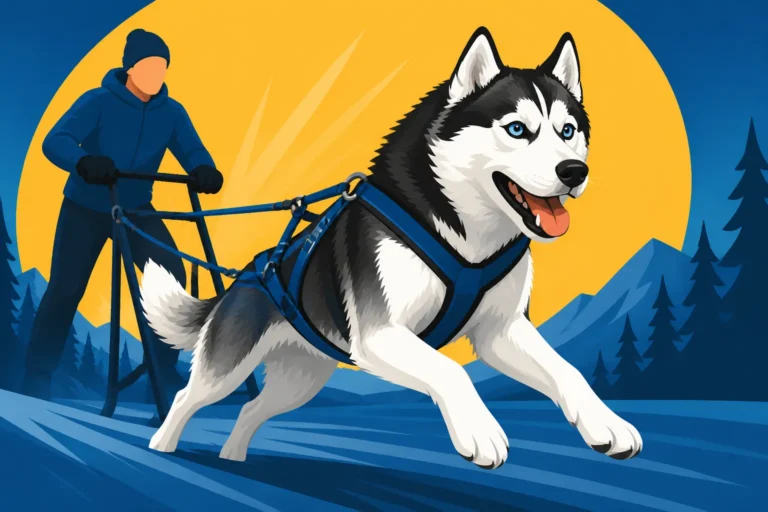
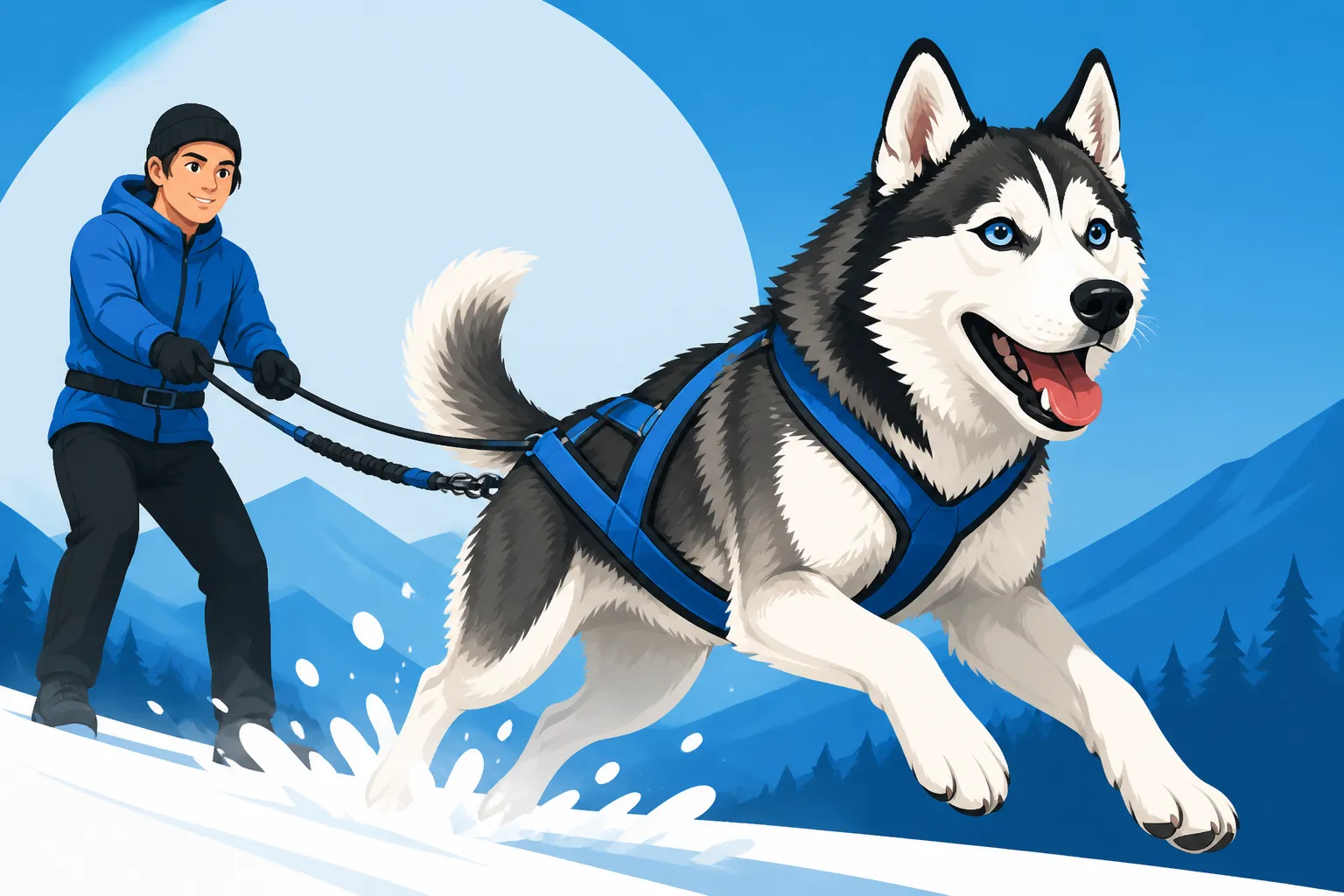
A proper pulling harness is vastly different from a standard walking harness. For pulling activities like canicross, bikejoring, or scootering, you need a specialized X-back or H-back harness, sometimes called a sled dog harness. These harnesses are designed to distribute the pulling force evenly across your Husky's chest and shoulders, preventing pressure on their throat and allowing for full range of motion.
Key features to look for in a pulling harness:
- Padding: Ample padding on the chest, shoulders, and around the neck to prevent chafing.
- Fit: It should fit snugly but not restrict movement. The neck opening should not be too tight, and the back straps should extend just past the base of the tail when the dog is pulling, ensuring the pulling force is distributed correctly.
- Material: Durable, weather-resistant materials are essential for outdoor activities. Brands like Non-Stop Dogwear, Arctic Wolf, and Manmat are popular choices among mushers and dog sports enthusiasts, often found on specialty online stores or sometimes on broader platforms like Amazon.
Avoid using front-clip harnesses for actual pulling work. While excellent for Teaching a Siberian Husky to Heel on One Side during polite walks, they are designed to redirect pulling sideways, which would be counterproductive and uncomfortable for dedicated pulling sports. A well-fitted harness is an investment in your Husky's comfort and performance, and it's essential for their long-term health and enjoyment of the activity.
Proper Leash and Line Selection
The "leash" you use for pulling sports is actually called a gangline or towline, and it's specifically designed for the job. These lines are typically longer than standard leashes, often with a bungee section to absorb shock and provide a smooth, consistent pull. This bungee element is crucial; it protects both your dog's joints and your own body from jarring impacts, especially when your Husky surges forward.
For solo activities like canicross or bikejoring, you'll need a single, strong towline, usually 6-10 feet long, with a reliable snap hook that can withstand the force of a pulling Husky. It should connect directly to the loop at the end of their pulling harness. For canicross, this line will attach to a specialized canicross belt worn by the human runner, distributing the pulling force across your hips rather than your arm. Canicross and Bikejoring With a Siberian Husky covers more details on these setups. Never use a retractable leash for pulling sports; they offer no shock absorption and can be extremely dangerous if the line snaps or the mechanism fails under pressure.
Comfort and Safety Considerations
Beyond the harness and line, there are other comfort and safety considerations.
- Booties: For long runs, especially on abrasive surfaces like pavement, gravel, or icy trails, dog booties can protect your Husky's paws from cuts, abrasions, and frostbite. They also prevent snow and ice from balling up between their paw pads.
- Hydration: Always carry plenty of water for both you and your Husky. A collapsible bowl is a must. Huskies can overheat, even in cooler weather, when working hard.
- Visibility: If you're out during dawn, dusk, or night, reflective gear for both you and your Husky is paramount. Many harnesses come with reflective stitching, but additional reflective vests or lights are always a good idea.
- Weather: Be mindful of the weather. While Huskies are built for cold, they can still suffer Frostbite on Siberian Husky Ears and Tails in extreme conditions. Conversely, they are highly susceptible to Heat Stroke Risk in a Siberian Husky in warmer temperatures. Always err on the side of caution.
Ensuring your Husky is comfortable and safe means you can both focus on enjoying the activity without unnecessary risks or discomfort.
Foundation Training: Basic Cues Off-Harness
Before you introduce the pulling harness, it's incredibly helpful to teach your Siberian Husky some basic verbal cues. These commands will be your primary communication tools on the trail and will make the transition to pulling in harness much smoother.
Building a Strong "Go Forward" Cue
Your "go forward" cue is probably the most important command you'll teach for harness work. This tells your Husky to lean into the harness and move forward with energy. It's distinct from "walk," which implies polite movement beside you. You want a clear, enthusiastic word. "Mush!" "Hike!" "Let's Go!" or even a simple "Forward!" are all common choices.
Start practicing this cue without the harness.
- Enthusiastic Start: Stand with your Husky on a regular leash. Get them excited with a high-pitched voice and some playful bounces.
- Release and Reward: As you start to walk, say your "go forward" cue enthusiastically and take a few quick, energetic steps. When your Husky moves with you, shower them with praise and a high-value treat.
- Repeat and Generalize: Practice this in various locations, always making it a fun, high-energy event. The goal is for your Husky to associate the cue with forward motion and excitement.
- Introduce a Helper: If possible, have a helper hold your Husky a short distance from you. Call your Husky with the "go forward" cue, and have the helper release them as you run a few steps away, rewarding them when they reach you. This builds drive.
Consistency and making it a positive experience are key. You want that "go forward" cue to signal maximum fun and effort.
Introducing Directional Cues (Gee and Haw)
Directional cues are vital for guiding your Husky on trails, especially if you plan on more advanced activities like dog scootering or bikejoring. The traditional sled dog commands are "Gee" for right and "Haw" for left. These need to be taught clearly and consistently.
You can teach these cues in a few ways:
- Lure-Based: With your Husky on a leash, hold a treat in your hand and lure them to turn right, saying "Gee!" as they turn. Reward immediately. Do the same for "Haw!" to the left.
- Environmental Cues: Walk your Husky on a trail or in a park where you encounter natural turns. As you approach a right turn, say "Gee!" and guide them that way. Praise and reward. Repeat for "Haw!"
- Two-Person Method: Have a helper stand at a junction. As you approach, give the "Gee!" or "Haw!" cue. Have the helper encourage your Husky in the correct direction with a treat or toy.
Practice these turns repeatedly, ensuring your Husky understands the difference. The beauty of "Gee" and "Haw" is that they are specific to harness work and won't be confused with other commands you use during everyday walks. Teaching a Siberian Husky Gee and Haw will give you even more detailed strategies.
"Whoa" or "Stop" Command Importance
Just as important as "go" is "stop." A reliable "Whoa" or "Stop" command is critical for safety, allowing you to halt your Husky before obstacles, at intersections, or if you need to attend to something.
To teach "Whoa" or "Stop":
- Controlled Environment: Start in a quiet, distraction-free area.
- Combine with Motion: Start moving forward with your "go forward" cue. After a few steps, suddenly say "Whoa!" (or "Stop!"). Immediately plant your feet, brace yourself, and stop your dog from moving further, even if you have to use a firm but gentle leash correction to halt their momentum.
- Reward Stillness: As soon as your Husky stops and stands still, even for a second, praise and reward them heavily.
- Gradual Increase in Duration: Once they understand the initial stop, start asking for a longer pause before rewarding.
- Add Distractions: Gradually introduce more distractions and practice in different environments. This command needs to be absolute.
This is a command that requires 100% compliance. Your Husky's safety, and sometimes yours, depends on their ability to stop instantly when asked. It’s not just about stopping, but about maintaining that stop until released.
Starting Out: First Steps in Harness
Once your Siberian Husky understands the basic verbal cues, it's time to introduce the pulling harness and start putting that natural drive to good use. This phase should be all about positive reinforcement and building enthusiasm.
Introducing the Harness Positively
The first step is to make the harness a positive experience.
- Positive Association: Don't just strap the harness on. Let your Husky sniff it, play with it gently, and give them treats whenever the harness is present. Lay it on the floor and toss treats onto it.
- Short Wear Times: Once they're comfortable, put the harness on for very short periods, such as meal times or a quick play session. This helps them associate the harness with good things and activities.
- No Pressure: During these initial phases, there should be no pressure to pull. The goal is simply for them to be comfortable and happy wearing the new gear. Some Huskies might act a bit stiff or awkward at first; that's normal. Keep it light, fun, and brief.
- Check Fit: Always double-check the fit. A poorly fitting harness can chafe, restrict movement, or even cause injury. Ensure you can comfortably slide two fingers under all straps, but that it's not so loose it shifts around.
By taking these steps, you build a positive foundation, ensuring your Husky views the harness as an exciting signal for fun activities, rather than a restrictive or uncomfortable piece of equipment.
Short, Positive Pulling Sessions
With the harness on, it's time for the first short pulling sessions. The goal here is to keep it fun, brief, and incredibly rewarding.
- Start with a Helper: Ideally, have a helper stand with your Husky while you move a short distance ahead.
- Give the Cue: Give your "go forward" cue enthusiastically. As your helper releases your Husky, run forward, encouraging them.
- Light Resistance: At first, you might just be holding the line and letting them pull you lightly. For a truly light start, you might even attach the line to a very small, lightweight object like a plastic bottle or a small piece of wood. The idea is to give them something to feel they are pulling.
- Massive Reward: The moment they lean into the harness and move forward, give them huge praise, high-value treats, and lots of encouragement. Make it the best thing ever!
- Keep it Short: End the session on a high note before your Husky gets tired or bored. Even 5-10 minutes is plenty for the first few times. The positive experience is far more important than distance at this stage.
These early sessions are crucial for building confidence and a strong association between the harness, the "go forward" cue, and the joy of pulling. The Cues a Siberian Husky Needs in Harness is a valuable read for refining your communication.
The Role of a Helper or Weighted Object
For many Siberian Huskies, the initial motivation to pull versus just walk comes from feeling resistance and being part of a team, even if the "team" is just you.
- The Helper as a Motivator: Having a helper is invaluable in the beginning. They can encourage your Husky from behind, while you, as the "driver," call them forward. This creates a powerful drive-through effect. The helper can also manage the dog at the start line, letting go on your command.
- Introducing a Weighted Object: Once your Husky is consistently pulling you (if you're doing canicross) or the bike/scooter, you can introduce a very light weighted object behind them during a separate session. This could be a small tire, a light log, or a designated sled dog training cart. The key is very light at first. The purpose isn't to build strength yet, but to get them accustomed to the sensation of pulling something behind them that offers consistent resistance. This simulates the feeling of pulling a sled or a rig.
Remember to celebrate every success, no matter how small. Your Husky is learning a new way to interact with the world and use their natural talents.
Progressing to Actual Harness Sports
Once your Siberian Husky has a solid grasp of basic cues and enjoys pulling light loads, you can start exploring specific harness sports. This is where your Husky's natural athleticism truly shines.
Canicross and Skijoring
These are fantastic ways to enjoy a dynamic workout with your Siberian Husky.
- Canicross: This involves you running while your Husky pulls you, attached via a bungee line to a specialized belt worn around your waist. It's a team sport where your Husky sets the pace, and you provide encouragement and direction. For many, it's an incredible way to bond and cover more ground than you could running alone. Start with shorter distances on clear, flat trails, gradually increasing as both of you build stamina. Make sure you wear appropriate running shoes with good grip.
- Skijoring: Similar to canicross, but on skis. You wear cross-country skis, and your Husky pulls you, again attached by a bungee line to your skijoring belt. This is an exhilarating winter sport that truly allows your Husky to feel like a sled dog. It requires some experience with cross-country skiing yourself, as you'll need to navigate and help propel yourself while your dog pulls. Skijoring With a Siberian Husky provides more in-depth advice on this activity.
For both sports, the communication cues (Gee, Haw, Whoa) become even more critical, allowing for smooth navigation and safety.
Bikejoring and Dog Scootering
If you prefer wheels over your own feet, bikejoring and dog scootering are excellent alternatives that still leverage your Husky's pulling power.
- Bikejoring: Your Husky pulls your bicycle, attached to the bike's frame (often with a specialized bikejor arm to keep the line clear of the front wheel) via a bungee line. This allows for higher speeds and longer distances than canicross. It's crucial that you maintain control of the bike and are prepared to brake if needed. Start in low-traffic areas and practice emergency stops.
- Dog Scootering: This is very similar to bikejoring but uses a non-motorized scooter designed for dog pulling. Scooters often have lower centers of gravity and robust frames, making them quite stable. Many find scootering a good starting point before moving to bikejoring, as it feels a bit more grounded. Brands like Diggler, DoggyRide, and Kickbike offer robust dog scooters.
For both of these activities, safety gear is non-negotiable: a helmet for you, and strong, well-maintained equipment for your dog. You are relying on your Husky's focus and your ability to steer and brake safely. Bikejoring Safely With One Siberian Husky will offer crucial tips.
Patience and Consistency for Success
Regardless of the harness sport you choose, remember that patience and consistency are your greatest allies.
- Start Small: Don't expect your Husky to run 5 miles on the first try. Gradually increase distance and intensity.
- Positive Reinforcement: Always keep it positive. End sessions on a high note. If your Husky seems tired or loses interest, stop for the day.
- Troubleshooting: If your Husky isn't keen to pull, revisit your foundation training. Are they excited by your "go forward" cue? Is the harness comfortable? Are you choosing an interesting trail? Some Huskies need a "packmate" to run alongside them to truly unleash their drive.
- Enjoy the Journey: This isn't just about the physical exercise; it's about the partnership. Celebrate the small victories, enjoy the time outdoors together, and embrace the unique drive of your Siberian Husky. This journey will deepen your bond and provide a wonderful outlet for their energy.
Common Challenges and Troubleshooting
Even with the best intentions and gear, you might encounter some bumps along the trail when teaching your Siberian Husky to pull. It’s important to anticipate these and have strategies ready.
Lack of Enthusiasm or Drive
It sounds counterintuitive for a Husky, but sometimes they just don't seem that into pulling. This can be incredibly frustrating when you've invested in gear and time!
- Revisit Motivation: What truly excites your Husky? Is it a squeaky toy, a specific high-value treat (like boiled chicken or cheese), or just your enthusiastic praise? Experiment to find their ultimate reward.
- Environment Matters: Are you practicing in a dull, unstimulating area? Try a new trail with interesting smells and varied terrain. Some Huskies thrive on having a destination.
- Pace and Pressure: Are you pushing too hard, too fast? Keep sessions short and incredibly positive. End before they get tired or bored. Sometimes, a Husky's lack of enthusiasm comes from feeling pressured or confused.
- Running Partner: Many Huskies perform best with another dog (or even another human) running ahead, acting as a "rabbit." Their pack drive kicks in, and they are much more motivated to chase and keep up. This is a common strategy used in professional mushing.
- Health Check: If a previously enthusiastic Husky suddenly loses interest, a vet visit is always a good idea to rule out any underlying pain or medical issues. Sometimes a subtle ache can cause a big drop in enthusiasm.
Remember, a Husky is independent. They need to believe it's their idea or that it's profoundly rewarding to fully engage.
Distractions on the Trail
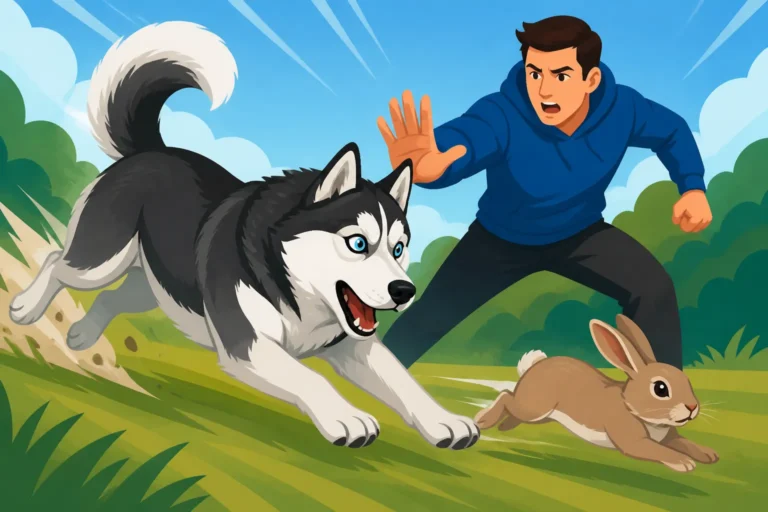
The world is full of interesting smells, squirrels, and other dogs – all major distractions for a Siberian Husky with a strong prey drive and curiosity. Dealing with these is an ongoing process.
- Gradual Exposure: Start training in low-distraction environments (e.g., quiet trails, early mornings). As your Husky's focus improves, gradually introduce more stimulating locations.
- "Leave It" and "Focus" Cues: Reinforce a strong "leave it" command for tempting smells or objects. Practice a "look at me" or "focus" cue to regain their attention when distractions arise. Training an Independent Siberian Husky emphasizes how important these foundation cues are.
- Maintain Momentum: When your Husky is pulling, try to keep the momentum going past distractions. Often, stopping to correct them just makes the distraction more interesting. Use your "go forward" cue firmly and keep moving.
- High-Value Rewards: Have extremely high-value treats on hand to reward them immediately for ignoring a distraction or for refocusing on you. The reward must be more enticing than the distraction itself.
- Distance: Sometimes, the best strategy is simply to create more distance from the distraction. Turn around, cross the street, or find a different path if a distraction is too overwhelming for your Husky to ignore.
A key point to remember is that you cannot eliminate all distractions, especially in varied outdoor environments. The goal is to teach your Husky to work through them. Siberian Husky Prey Drive Around Small Animals is a related topic that explores managing these instincts.
Avoiding Frustration for You and Your Husky
Training any dog, especially an intelligent and independent Siberian Husky, can test your patience.
- Set Realistic Expectations: Understand that your Husky is not a robot. There will be good days and bad days. Progress might be slow, especially for specific commands. Don't compare your Husky to others.
- Keep it Fun: If it stops being fun for you, it definitely stops being fun for your Husky. Take breaks. End sessions if you feel your frustration rising.
- Short Sessions: As mentioned, Huskies have relatively short attention spans for formal training. Keep sessions brief, positive, and focused. Long, drawn-out sessions lead to boredom and resentment.
- Celebrate Small Wins: Did they pull consistently for an extra minute? Did they make a perfect "Gee" turn? Celebrate every single positive step. Your enthusiasm is contagious.
- Seek Guidance: If you're truly struggling, don't hesitate to seek advice from experienced canicrossers, mushers, or positive reinforcement dog trainers who have experience with northern breeds. They can offer tailored advice and spot issues you might be missing. BAXTER & Bella, for example, offers online training resources that can be adapted for focused skill-building, though their general obedience program would need augmentation for specialized pulling skills. Learning from others' experiences can save you a lot of heartache.
Remember, the relationship with your Siberian Husky is a journey, not a destination. Embrace the challenges, celebrate the successes, and enjoy the unique bond that comes from working together as a team.
Disclaimer
This article is for general informational purposes only and does not constitute professional advice. Laws, prices and regulations vary by location and change over time. Consult a qualified professional for guidance on your specific situation.