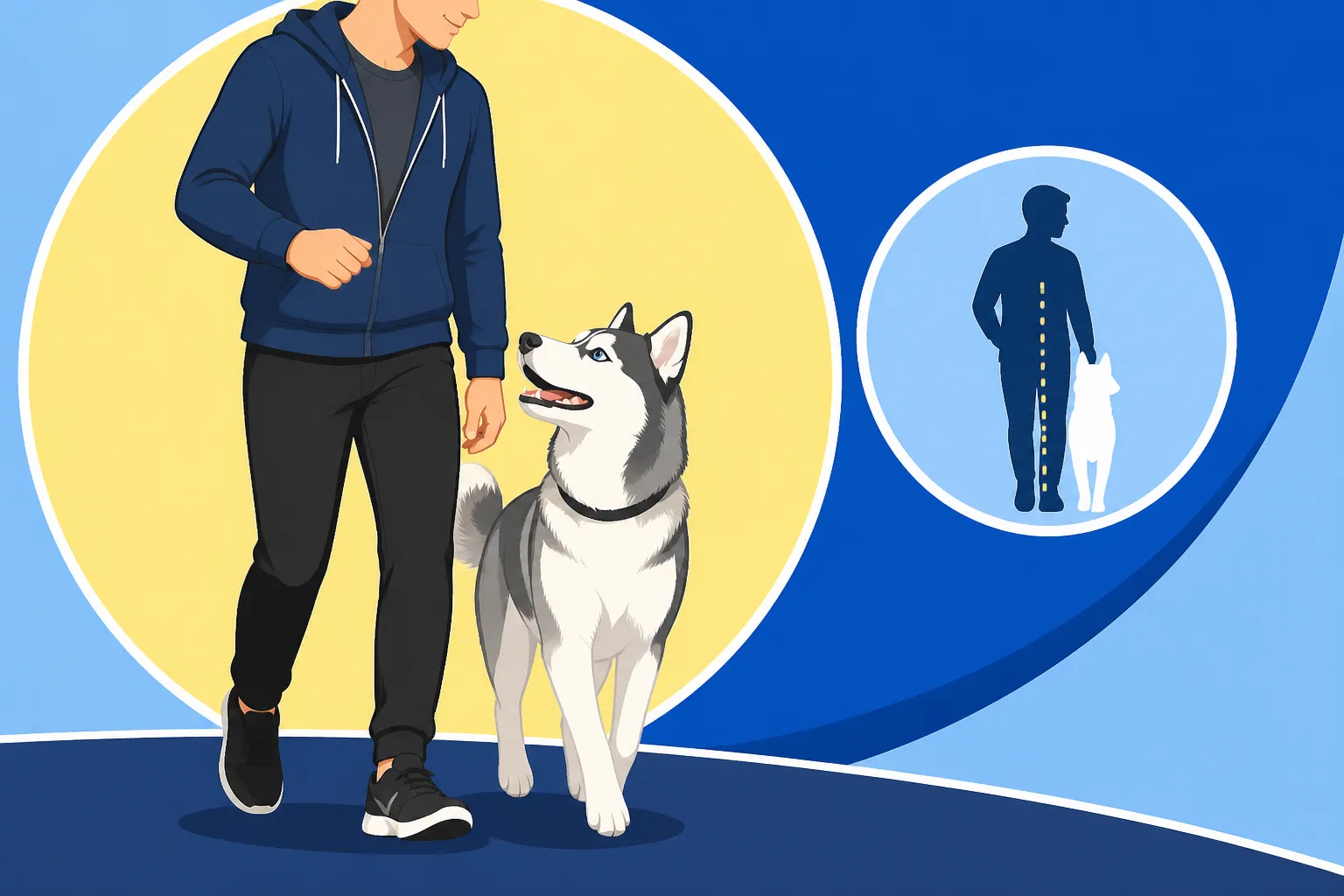
Teaching a Siberian Husky to Heel on One Side
Walking a Siberian Husky can often feel less like a leisurely stroll and more like being attached to a small, furry freight train. Many of us have experienced that familiar shoulder-jerking sensation when our strong-willed, independent Husky decides to investigate a particularly interesting scent or chase a leaf blowing across the street. The dream of a calm, side-by-side walk, where your Husky strolls politely at your heel, can seem almost mythical. This guide is here to tell you that while it takes patience and a deep understanding of their unique breed traits, teaching your Siberian Husky to heel on one side is absolutely achievable, transforming your walks from a tug-of-war into a harmonious partnership.
Understanding the "Why" Behind Husky Pulling
Before we even get into the mechanics of teaching a heel, it's crucial to understand why your Siberian Husky pulls in the first place. It's not usually about malice or deliberately trying to be difficult. It's deeply ingrained in their very being. When you grasp this, your approach to training shifts from frustration to empathetic guidance.
The Instinct to Pull and Explore
Siberian Huskies were bred for centuries by the Chukchi people in Siberia to pull light loads over long distances at a moderate pace. This isn't just a fun historical fact; it’s literally coded into their DNA. Their entire physique – their strong shoulders, deep chests, and powerful hindquarters – is built for sustained exertion in harness. When you attach a leash, especially a back-clip harness, their natural instinct kicks in: "Oh, something is attached to me, so I must pull it!" This isn't disobedience; it's them doing what they were genetically selected to do.
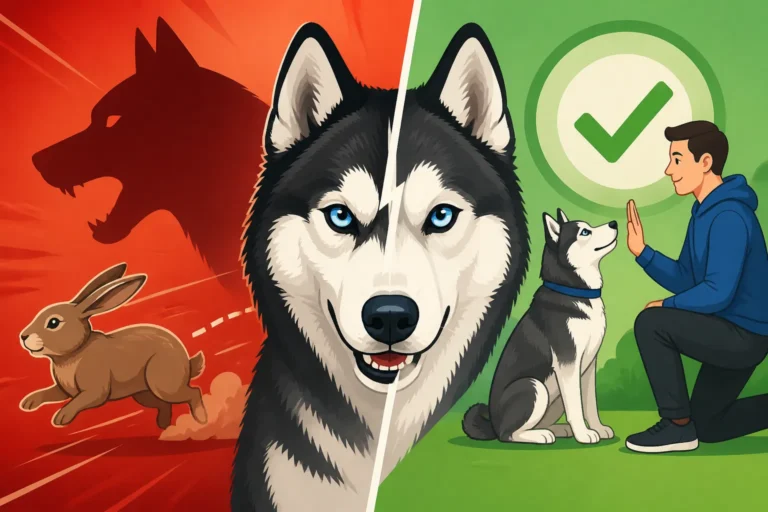
Beyond the pulling instinct, Huskies also possess an incredibly strong prey drive and an insatiable curiosity for their environment. Every rustle in the bushes, every faint scent on the wind, every distant movement is an invitation to explore. They are true adventurers at heart, always seeking out the next exciting discovery. For a Husky, the world is a giant playground waiting to be investigated, and a tight leash can feel like an unjust restriction on their inherent need to roam and explore. This often manifests as intense pulling towards whatever has captured their attention, making a loose-leash walk feel like an impossible feat. The Roaming Instinct Bred Into Every Siberian Husky explores this trait further.
The Failure of "Traditional" Leash Training
Many traditional dog training methods, particularly those that rely heavily on harsh leash corrections or punitive tools, often fall flat with a Siberian Husky. Huskies are highly intelligent, but they are also incredibly independent and sensitive. They respond poorly to force. If you try to yank them into position or use a device that causes discomfort, you're more likely to shut them down, make them resistant, or even damage your bond. They don't typically see you as the "alpha" in the same way some other breeds might; they see you as a partner, and partners negotiate.
Forcing a Husky to comply usually results in them either ignoring you completely, becoming more stubborn, or simply learning to "tune out" the corrections. They might momentarily stop pulling after a sharp jerk, but the underlying desire to explore or pull remains unchanged. It doesn't teach them what you want them to do, only what you don't want them to do, and even that message is often temporary. This is why you'll see Huskies pulling against choke chains or prong collars; they've simply learned to tolerate the discomfort because the drive to move forward or investigate is stronger. This independent streak is part of their charm, but it means you need a more thoughtful, positive reinforcement-based approach.
Building the Foundation: Essential Tools and Mindset
Successful heel training with a Siberian Husky starts long before you even step out the door. It involves having the right equipment and, perhaps even more importantly, the right mental approach as their handler. Without these foundational elements, you'll find yourself fighting an uphill battle.
Choosing the Right Gear for Success
The equipment you choose can make a world of difference in your leash training journey with a Husky. A simple flat collar and a back-clip harness are often the culprits behind intense pulling, as they leverage the Husky's natural pulling instinct.
- Front-Clip Harnesses: These are often a game-changer for Huskies. Instead of clipping on the back, the leash attaches to a ring on the dog's chest. When your Husky pulls, the harness gently redirects their body sideways, making it physically awkward for them to continue pulling forward. Brands like Balance Harness or Freedom No-Pull Harness are popular choices. This reorientation interrupts their forward momentum without causing pain. While it doesn't teach them to heel, it makes it much easier to practice heeling without being dragged. You can find a wide variety of these harnesses on Amazon.
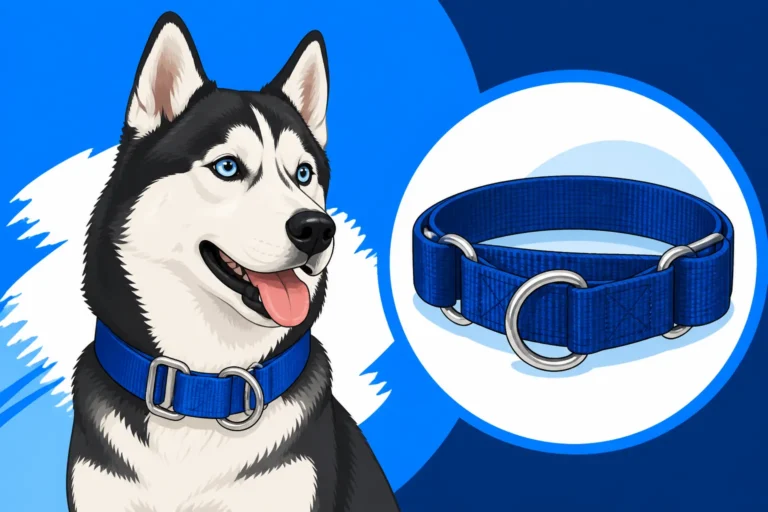
- Martingale Collars: For Huskies with their narrow, often slippery necks, traditional buckle collars can be an escape risk. A martingale collar, sometimes called a limited-slip collar, tightens slightly when the dog pulls, preventing them from backing out of it, but it's designed not to choke them. It's a safety tool, not a training tool for pulling, but essential for keeping your Husky secure. Martingale Collars for a Siberian Husky provides more detail on their use.
- Leash Length and Material: A standard 4-6 foot leash is generally ideal for heel training. It gives you enough slack for comfortable walking but keeps your Husky close enough for control and guidance. Avoid retractable leashes, as they actually encourage pulling and offer minimal control. Choose a durable material like nylon or leather that feels comfortable in your hand.
Remember, the goal isn't to rely on these tools forever, but to use them as aids while you teach the desired behavior. Think of them as training wheels for a bicycle; they help you get started until you're confident enough to ride on your own. Harness Against Collar for a Siberian Husky offers a deeper dive into these choices.
Your Role as the Trainer: Consistency, Patience, High-Value Rewards
Training a Siberian Husky to heel requires a specific mindset from you. Forget instant gratification; think long-term investment.
- Consistency is Key: Huskies are smart, and they quickly learn what they can get away with. If you let them pull sometimes and correct them other times, you're sending mixed signals. Every walk is a training opportunity. Decide on your rules for heeling (e.g., leash always loose, no pulling ahead) and stick to them, every single time. This means if you can't be consistent on a particular walk, perhaps choose a shorter route or a less distracting time.
- Patience is a Virtue: You're working against centuries of breeding and powerful instincts. There will be days when your Husky seems to forget everything you've taught them. Don't get discouraged. Frustration will only make the training harder for both of you. Take a deep breath, reset, and approach each session with a calm, positive attitude. Celebrate small victories, even if it's just one step of loose-leash walking.
- High-Value Rewards: Huskies are notorious for being "what's in it for me?" dogs. Standard kibble might not cut it when faced with the irresistible scent of a squirrel. You need to make heeling more rewarding than pulling or exploring. This means using treats your Husky absolutely adores – cooked chicken, cheese, hot dogs, freeze-dried liver, or even a favorite squeaky toy. Experiment to find what truly motivates your individual Husky. The reward needs to be potent enough to capture and hold their attention even in distracting environments. Food Rewards a Siberian Husky Will Work For emphasizes this point.
- Short, Positive Sessions: Huskies have relatively short attention spans for formal obedience, especially if it feels repetitive. Keep your training sessions brief (5-10 minutes max), fun, and always end on a positive note. Multiple short sessions throughout the day are far more effective than one long, arduous one. This also helps prevent them from getting bored or frustrated. Keeping Siberian Husky Sessions Short explains why this is so important.
- Be a Partner, Not a Dictator: Understand that your Husky is an independent thinker. Instead of trying to force them, invite them to participate. Make training a game where they figure out the right answer and are generously rewarded for it. Many owners find online training programs, such as those offered by BAXTER & Bella, offer a structured, positive reinforcement approach that works well with independent breeds. This builds trust and makes them more willing to work with you.
Step-by-Step Heel Training for Your Siberian Husky
Now that you're armed with the right mindset and tools, let's break down the actual steps to teaching your Siberian Husky to heel. This is a gradual process, building from low-distraction environments to real-world scenarios.
Starting Indoors or in a Low-Distraction Area
The very first steps of heel training should take place somewhere your Husky feels comfortable and where there are minimal distractions. This could be your living room, a quiet hallway, or a fenced backyard away from sights and sounds. The goal here is to establish the basic concept of walking by your side.
- Positioning with a Lure: Hold a high-value treat in your hand, near your Husky's nose. Lure them into the desired heel position – typically on your left side, with their shoulder aligned with your leg.
- Taking a Step: Once they are in position, take one step forward, keeping the treat near their nose to encourage them to move with you. As soon as they take that step in the correct position, say a marker word like "Yes!" or use a clicker, and immediately give them the treat.
- Repeat and Release: Take another step, mark, and reward. Practice taking just one or two steps, then release them with a cue like "Free!" or "Okay!" and let them sniff around for a moment. This release cue is important as it tells them they don't always have to be in heel position, which prevents frustration and makes the heel more valuable when you ask for it.
- Gradually Increase Steps: Over several short sessions, slowly increase the number of steps you take before marking and rewarding. Go from one step to two, then three, then four, and so on. Always reward while they are still in the correct position. If they get ahead or lag behind, stop, reset, and try again. The key is to reward the process of staying in position, not just getting there.
Introducing the "Heel" Cue and Movement
Once your Husky consistently follows your lure for several steps in a low-distraction environment, it's time to add the verbal cue and solidify the behavior.
- Add the Verbal Cue: Just as your Husky is about to move into the correct heel position with the lure, say your chosen heel cue – "Heel," "Side," or whatever word you prefer. Then, proceed with the steps, mark, and reward as before. The cue should predict the action, not command it.
- Fading the Lure: Gradually start to reduce how much you use the treat as a lure. Instead of holding it right at their nose, move it a little further away, eventually just pointing to your side where you want them to be, then relying on the verbal cue alone. Still mark and reward generously for maintaining position. Your hand motion becomes a prompt, not a lure.
- Practice Turns and Stops: Integrate turns and stops into your heel practice. When you slow down, they should slow down. When you turn left or right, they should turn with you. Reward heavily for maintaining position through these changes in direction and pace. For turns, anticipate the turn and guide them with your body and the lure. For stops, simply stop, and if they stop by your side, mark and reward.
- Varying Rewards: While high-value treats are excellent, also incorporate verbal praise and gentle petting as rewards. This teaches your Husky that your approval is also valuable, not just the food. However, always have those high-value treats on hand, especially as you move into more challenging environments. Whether Praise Alone Motivates a Siberian Husky discusses the balance of rewards.
Moving to Outdoor Environments
This is where the real test begins! Huskies are incredibly sensitive to their surroundings, and outdoor distractions will be a huge challenge. The trick is to generalize the behavior slowly and strategically.
- Choose Your Environment Wisely: Start in a slightly more distracting area, like your quiet front yard, a deserted park, or an empty cul-de-sac. Avoid dog parks or busy city streets initially.
- Short Sessions, High Rewards: Keep these initial outdoor sessions very short – maybe just 5 minutes. Use your highest value treats. Reward much more frequently than you did indoors, especially if your Husky is showing good focus despite the distractions. You want to make it incredibly worthwhile for them to ignore the enticing outdoor world and focus on you.
- Practice "Pattern Games": Walk in predictable patterns – a figure-eight, a circle, or a zig-zag. These patterns help keep your Husky engaged and give you more opportunities to reward for maintaining position during turns and changes in direction.
- "Treeing" Method (for pulling): If your Husky starts to pull, immediately stop moving. Become a "tree." Don't yank or correct; simply stand still. Wait until the leash goes slack, even for a second, then immediately release the tension by taking a step back and encouraging them back to your side. Once the leash is loose, even if they're not in perfect heel, mark and continue walking. This teaches them that pulling gets them nowhere, and a loose leash gets them forward motion and rewards. This technique is often more effective than traditional jerking for independent breeds like Huskies.
- Gradual Increase in Distractions: As your Husky improves, slowly increase the level of distraction. Walk at a slightly busier time, near a quiet street, or where another calm dog is at a distance. Always set them up for success, meaning don't put them in a situation where they are guaranteed to fail. If they struggle, go back to an easier environment. Practice in a fenced field, perhaps even using platforms like Sniffspot, to allow for focused training without escape risk. Practicing Siberian Husky Recall in a Fenced Field might give you ideas for suitable training spaces.
- Maintain Regular Practice: Heeling is a perishable skill, especially for a Husky. Incorporate heel work into every single walk, even if it's just for short bursts. The more you practice, the more it becomes a habit for your Husky.
Common Challenges and Troubleshooting Heel Work
Even with the best intentions and consistent effort, training a Siberian Husky to heel can present unique challenges. Their independent nature and high drive mean you'll encounter moments of frustration. Here's how to troubleshoot some common issues.
When Your Husky Just Won't Focus
It's common for a Husky to act like you don't even exist when something exciting is happening around them. A squirrel, another dog, a new smell – these can instantly hijack their attention.
- Elevate Your Rewards: If your Husky is blowing off your treats, it's a clear sign your rewards aren't high-value enough for that environment. Go back to basics in a quieter spot, find what truly makes their eyes light up (maybe it's a squeaky toy or a rare piece of bacon!), and use only that reward during distracting training. Make yourself the most interesting thing in the world, at least for a few minutes.
- Manage the Environment More Strictly: If a certain park or time of day is simply too stimulating, avoid it for focused training. Choose quieter times (early morning, late evening) or less populated areas. Remember, you're building a habit, and repeated failure is counterproductive. Set your Husky up for success by controlling the variables.
- Engagement Games Before Training: Before you even ask for a heel, spend a few minutes just engaging with your Husky. Play a quick game of "find the treat" in the grass, do some quick sits and downs, or run a few yards together. Get their brain focused on you and make eye contact. This builds a foundation of attentiveness before you start asking for sustained focus.
- The "Pocket Full of Sunshine" Approach: Always carry treats. Not just for formal heeling, but for randomly rewarding glances, check-ins, or moments of loose-leash walking you didn't even ask for. Make yourself a constant source of good things. This helps build a positive association with your presence on the walk.
The Dreaded "Siberian Shuffle" and Other Shenanigans
Huskies are clever. They might give you a few good steps, then subtly drift, zig-zag, or even try to cut you off. They'll test boundaries constantly. This isn't stubbornness, but a dog doing what works for them, which is often easier than what you're asking. Why a Siberian Husky Looks Stubborn Rather Than Slow delves into this perception.
- Increase Randomness of Rewards: If your Husky only heels when they expect a treat every few seconds, they'll stop when the treats become predictable. Vary your reward schedule. Sometimes reward after one step, sometimes after five, sometimes after a turn, sometimes for just staying in position while you pause. Keep them guessing and engaged. This builds a strong "gambling" instinct – they keep trying because they know a reward might come.
- Physical Blocking and Body Language: Use your body to gently guide your Husky back into position. If they start to drift wide to your left, take a slight step to your left yourself, naturally bringing them back closer to your side. Avoid harsh physical corrections; think of it as subtly moving into their space to guide them.
- Practice "U-Turns" or Direction Changes: If your Husky starts to forge ahead, make an abrupt U-turn or change direction without warning. This often catches them off guard and forces them to re-engage with you to maintain position. As soon as they adjust and follow you, mark and reward generously. This teaches them they need to pay attention to your movements.
- Don't Let Them Self-Reward: If your Husky pulls and gets to sniff that interesting bush, they've just been rewarded for pulling. You must prevent this. If they pull towards something, stop dead. Only allow them to approach the object after they have returned to a loose leash and ideally, a short heel. This makes the reward contingent on polite behavior.
Maintaining Consistency Over the Long Haul
Heel training isn't a "one and done" deal with a Siberian Husky. It's a lifelong commitment to reinforcement and practice, especially as they age or their environment changes.
- Short Bursts on Every Walk: You don't need your Husky to heel perfectly for an entire 30-minute walk. Instead, incorporate short bursts of heel work (e.g., 20-30 seconds) throughout your casual walk. Ask for a heel when you approach a busy intersection, pass another dog, or just for a few moments of focused connection. This keeps the skill sharp without overburdening them.
- "Check-in" Rewards: Randomly reward your Husky whenever they glance back at you while walking on a loose leash, even if you haven't given a cue. This reinforces their attentiveness and strengthens your bond.
- Vary Your Training Locations: Don't just practice in the same few spots. Take your Husky to new, novel environments (again, start quiet and build up) to ensure they generalize the heel cue, understanding that "heel" means the same thing everywhere.
- Seek Professional Help if Needed: If you find yourself truly stuck, don't hesitate to consult a professional dog trainer experienced with independent working breeds. They can offer personalized advice and help you troubleshoot specific challenges. Look for trainers who use positive reinforcement methods. Finding a Trainer Who Has Worked With Huskies is an important consideration. Sometimes, an objective eye can spot subtle things you're missing. Whether a Siberian Husky Repeats a Cue Then Quits can highlight the need for varied approaches.
Heel training a Siberian Husky is a journey, not a destination. There will be good days and bad days, but with patience, consistency, and a deep understanding of your Husky's unique personality, you can build a truly enjoyable and harmonious walking experience. Celebrate every small success, cherish the bond you're building, and remember that every moment spent training is an investment in a better relationship with your magnificent canine companion.
Leash and Harness Options for Siberian Husky Heel Training
Choosing the right equipment is a critical first step. Here's a brief comparison of common options and their suitability for Huskies learning to heel.
| Leash/Harness Type | Description | Pros for Huskies | Cons for Huskies | Heel Training Effect |
|---|---|---|---|---|
| Flat Collar | Standard collar around the neck, leash clips to a D-ring on top. | Simple, lightweight, good for ID tags. | Easy for Huskies to slip out of, offers no leverage against pulling, can injure throat if pulled hard. | Poor for teaching heel; encourages pulling due to direct resistance, high escape risk. |
| Martingale Collar | Designed with a secondary loop that tightens gently, preventing escape without choking. | Excellent for preventing escapes from Huskies with narrow heads/thick necks. | Still offers no leverage against pulling, primarily a safety device, not a training tool. | Better for safety during walks, but does not inherently teach a heel; pulling instinct remains. |
| Back-Clip Harness | Leash clips to a D-ring on the dog's back, behind the shoulders. | Comfortable, distributes pressure across chest, reduces strain on neck. | Actively encourages pulling by engaging the dog's sled dog instinct; provides maximum leverage for pulling. | Makes heel training extremely difficult as it reinforces the natural pulling motion. |
| Front-Clip Harness | Leash clips to a D-ring on the dog's chest. | Redirects dog's forward momentum sideways when they pull, reducing pulling force. | Some dogs may still pull, can sometimes tangle front legs, may rub sensitive armpit areas. | Highly effective aid for reducing pulling, making it much easier to practice loose-leash walking and heel cues. Does not teach heel on its own. |
| Head Halter | Fits over the muzzle and behind the ears, giving control similar to a horse's halter. | Provides excellent control, can instantly stop pulling by directing the head. | Many Huskies dislike them initially, requires careful introduction, can look like a muzzle (misunderstood by public). | Very effective for control and teaching polite walking by controlling the head; requires positive association to avoid aversion. |
| Standard 4-6ft Leash | Basic leash, provides consistent length and connection. | Good length for heel training, sufficient control, durable. | Can be pulled from hand if dog lunges, requires good grip strength from handler. | Essential for any heel training; allows for consistent communication and immediate feedback. |
| Retractable Leash | Extends and retracts, allowing variable leash length. | Gives dog more room to roam in low-risk areas. | Offers little control in emergencies, encourages pulling by constantly maintaining tension, prone to tangles and injuries. | Actively hinders heel training; teaches dog that pulling extends their range, makes consistent loose-leash difficult. Strongly discouraged for training. |
Disclaimer
This article is for general informational purposes only and does not constitute professional advice. Laws, prices and regulations vary by location and change over time. Consult a qualified professional for guidance on your specific situation.