Why Siberian Huskies Look Stubborn Rather Than Slow
It's incredibly frustrating when you're trying to train your Siberian Husky, and they just seem to look at you with that intelligent, yet utterly unconcerned gaze, making you feel like they're being purposefully stubborn. Many Husky owners grapple with this exact feeling, believing their dog is simply slow to learn or willfully disobedient. This guide is here to unravel the truth behind that "stubborn" label, helping you understand your Husky's unique mind and offering practical ways to build a more cooperative, less frustrating relationship.
Unpacking the "Stubborn" Label: Understanding Your Husky's Nature
When we call a dog "stubborn," we're often projecting our human expectations onto an animal whose motivations and instincts are completely different from our own. Siberian Huskies, with their ancient lineage as sled dogs bred to think independently in vast, unforgiving environments, come with a built-in set of behaviors that can easily be misinterpreted as stubbornness. It's not that they don't understand; it's often that they have a very good reason not to comply, at least from their perspective.
The Independent Thinker, Not the Obedient Follower
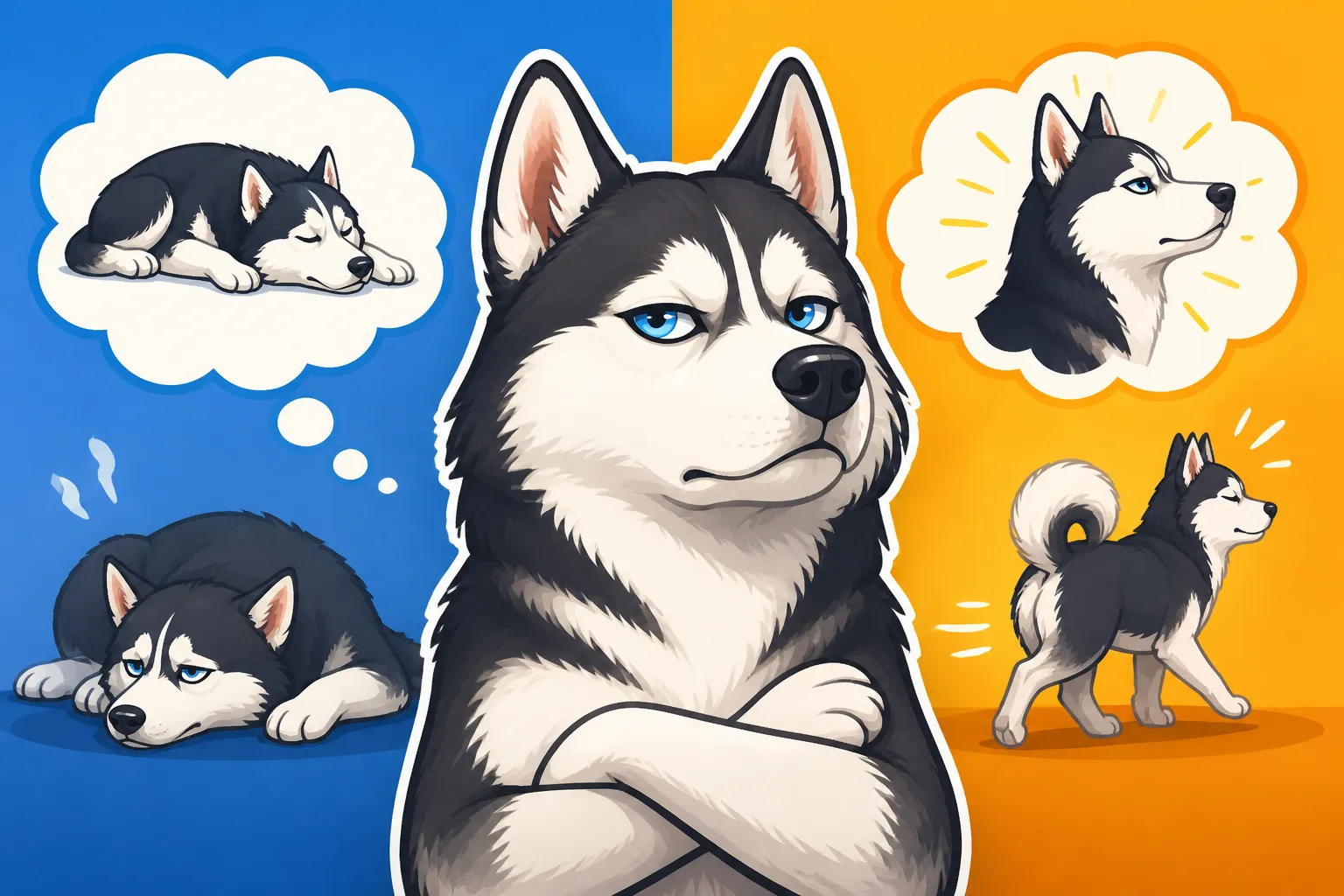
Unlike many breeds developed to work in close partnership with humans, constantly seeking direction and approval, Siberian Huskies were bred for endurance and autonomous decision-making. Imagine a team of Huskies pulling a sled across miles of snow, with the musher sometimes barely visible or audible in a blizzard. Those dogs needed to be able to assess conditions, follow a trail, and even make minor course corrections without constant input. This profound independence is still deeply ingrained in the breed today. When your Husky looks at you like they're weighing their options after a command, they often are. They're not being rude; they're simply engaging their natural inclination to evaluate the situation. This can be especially apparent when you're asking them to do something that seems pointless or unrewarding to them, like a repetitive drill.
High Intelligence, Different Priorities
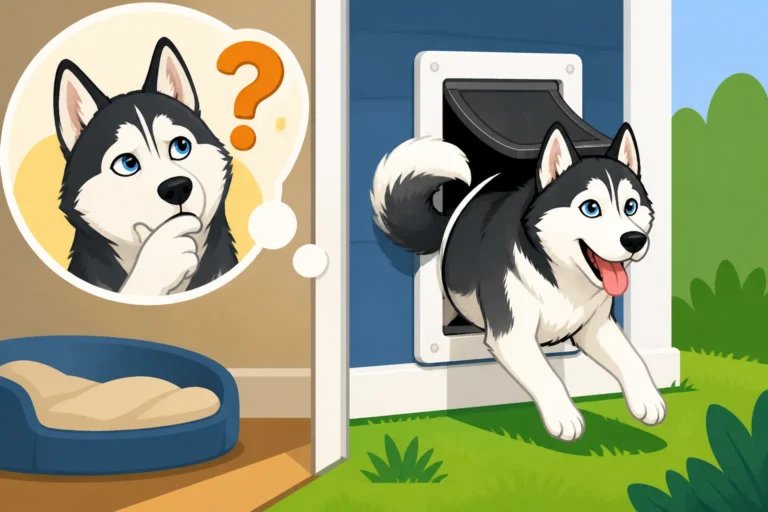
Siberian Huskies are undeniably intelligent, but their intelligence manifests differently than, say, a Border Collie or a German Shepherd. They're quick problem-solvers, especially when the problem involves getting what they want. They can figure out how to open gates, undo latches, and even strategically outmaneuver you for a dropped treat. This high intelligence, however, often comes with a low tolerance for arbitrary rules or tasks that don't offer clear benefits. They're not slow to grasp concepts; they're simply often weighing whether the effort is worth the reward you're offering. If the squirrel across the park is more compelling than your "come" command, the squirrel usually wins. This is why many owners struggle with Training an Independent Siberian Husky. Their focus is often on the environment and their own agenda, rather than constantly checking in with you.
Energy Levels and Boredom Thresholds
Another factor contributing to the "stubborn" perception is the Husky's immense energy and low boredom threshold. A tired Husky is often a cooperative Husky, but an under-exercised Husky is a Husky brimming with mental and physical energy, looking for an outlet. If your training session feels dull or repetitive, their minds will wander, and their bodies will follow suit. What you see as ignoring you might simply be their natural drive to be active and engaged, manifesting as them finding something far more interesting to do than sit still for the tenth time. They need mental stimulation as much as physical, and a lack of either can lead to behaviors that get labeled as stubbornness. They're not being difficult; they're just being Huskies with unfulfilled needs.
Why Traditional Training Methods Often Miss the Mark with Huskies
Many standard dog training approaches, especially those relying heavily on repetitive drills and strict obedience, often fall flat with Siberian Huskies. This isn't a reflection on the dog's capacity to learn, but rather on the mismatch between the method and the breed's intrinsic nature. Owners often feel like they're hitting a wall, convinced their Husky is simply untrainable, when in reality, the approach needs a complete overhaul.
The Pitfalls of Force-Based Training
One of the biggest mistakes owners make is resorting to force-based or highly corrective training methods, thinking it will "break" the Husky's stubbornness. For a Siberian Husky, such an approach is almost guaranteed to backfire. These dogs respond poorly to heavy-handed tactics. Instead of fostering obedience, it often leads to a complete shutdown, anxiety, or an even stronger resolve to ignore you. A Husky might comply temporarily under duress, but they won't learn to want to work with you. They'll just learn to avoid you or the situation altogether. As we've discussed before, Why Force Training Fails on a Siberian Husky is a critical piece of the puzzle for understanding this breed. They are partners, not subordinates.
Lack of Motivation and Reinforcement Variety
Huskies, like all dogs, are motivated by rewards, but what constitutes a "reward" can be highly specific and change frequently. If you're using the same dry kibble treat for every command, every time, your Husky will quickly decide that the value isn't high enough to warrant their attention, especially if there's anything more exciting happening in the environment. Their perceived stubbornness might just be a cost-benefit analysis in their head: "Is this tiny treat really worth giving up the chance to investigate that interesting smell or chase that blowing leaf?" To effectively train a Husky, you need a high-value, varied reward system that truly captures their interest. This goes beyond just food and includes toys, praise, and exciting activities.
Overlooking the "What's In It For Me?" Factor
Every time you ask your Husky to do something, especially something they perceive as counter-intuitive to their instincts (like staying put when something is running), they're mentally asking, "What's in it for me?" If the answer isn't immediately obvious and highly appealing, they'll simply opt out. Traditional training often assumes dogs will perform simply because you asked. Huskies often won't. You need to consistently demonstrate that cooperating with you leads to fantastic outcomes for them. This means being creative and making every training interaction a positive, rewarding experience. If you're constantly having to figure out Motivating a Siberian Husky That Ignores You, it's likely your "what's in it for me" equation needs adjusting.
Strategies for Working With, Not Against, Your Husky's Intelligence
Training a Siberian Husky effectively means understanding their unique brain and adapting your methods to suit their independent spirit. It's less about breaking their will and more about channeling their intelligence and energy into cooperative endeavors. This approach transforms a seemingly stubborn dog into a willing, albeit still discerning, partner.
Embrace Positive Reinforcement and High-Value Rewards
The cornerstone of successful Husky training is consistent, enthusiastic positive reinforcement. This means rewarding desired behaviors immediately and lavishly. Forget harsh corrections; focus on making good choices incredibly worthwhile. You'll need an arsenal of high-value treats – think cooked chicken, cheese, or specialized training treats. Experiment to find what your Husky considers irresistible. Remember, their motivation can fluctuate. What worked yesterday might not work today, so variety is key. Food Rewards a Siberian Husky Will Work For can be a game-changer. Beyond food, consider using their favorite squeaky toy, a quick game of fetch, or even access to a stimulating environment as a reward. The goal is to make you the most exciting thing in their world, at least during training sessions.
Keep Sessions Short, Fun, and Varied
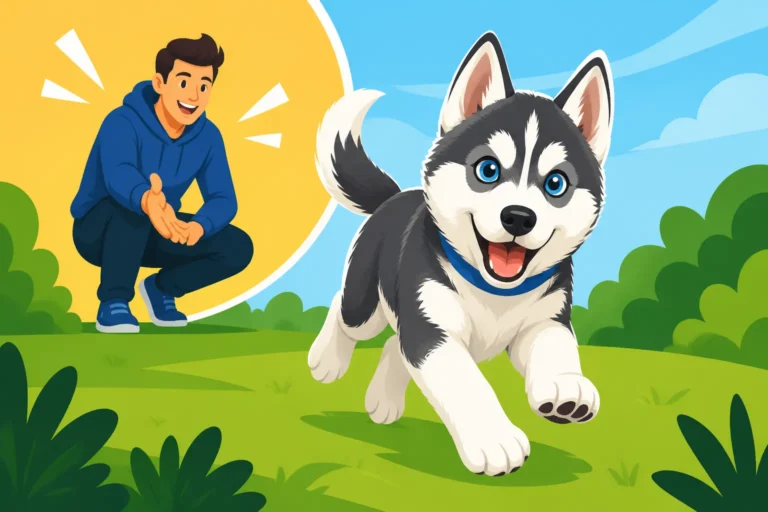
Huskies have short attention spans for repetitive tasks. Instead of long, tedious drills, break training into short, frequent sessions – five to ten minutes, a few times a day. Keep the energy high and end on a positive note before they get bored. Introduce novelty by changing locations, varying the order of commands, and integrating games. Think of training as a series of engaging puzzles rather than a chore. If you notice your Husky starting to zone out or get distracted, it’s often a sign that the session needs to end or shift focus. This dynamic approach makes learning more enjoyable for them and prevents the "stubborn" attitude from even surfacing. For more on this, check out Keeping Siberian Husky Sessions Short.
Channel Their Instincts into Productive Activities
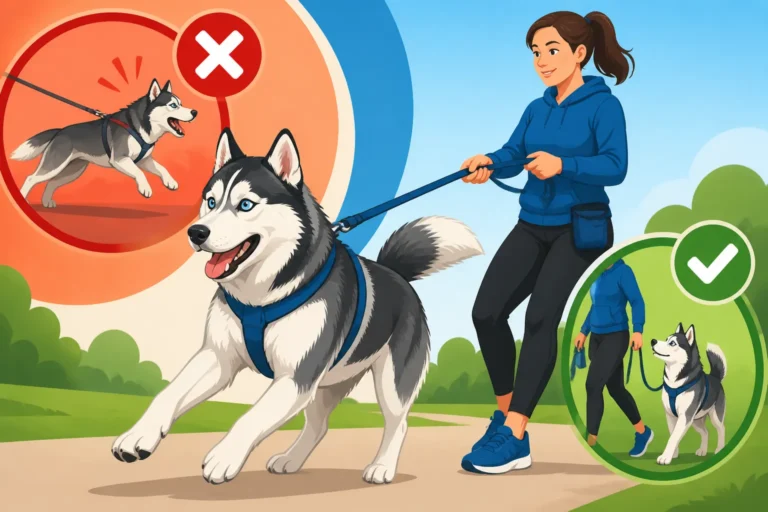
Instead of fighting their natural drives, find ways to harness them. Their innate desire to run, pull, and explore can be channeled into activities like canicross, bikejoring, or even simply long, varied hikes on a long line. Giving them a job that fulfills their instincts makes them more content and often more receptive to general obedience training because their core needs are being met. For instance, that strong prey drive can be managed through structured play with toys, rather than being allowed to run rampant. Teach them directionals (gee, haw) through harness work, which stimulates their mind and body. A physically and mentally tired Husky is far less likely to display "stubborn" behaviors indoors.
Building a Bond That Encourages Cooperation
Ultimately, the "stubborn" label often dissolves when a deep, trusting bond is forged between owner and Husky. It's about establishing a relationship built on mutual respect, understanding, and clear communication, rather than trying to impose strict obedience through sheer will.
Consistency is Key, But So is Flexibility
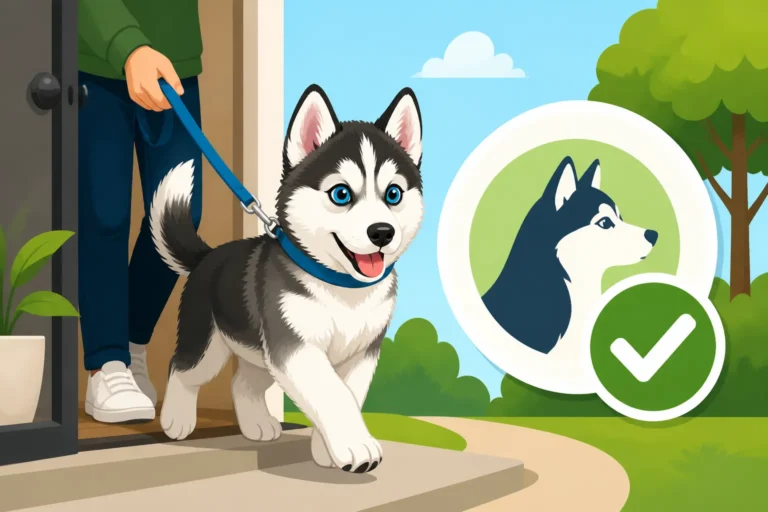
Huskies thrive on routine and clear expectations. Be consistent with your commands, rules, and boundaries. If "off" means getting off the couch, it needs to mean that every single time, from every person in the household. However, consistency doesn't mean rigidity. Be flexible enough to understand that some days your Husky might be more distracted or less motivated. Don't push them to the point of frustration. Instead, scale back, make it easier, or take a break. Your persistence in creating clear, predictable routines helps them understand what you want, which reduces the need for them to "question" your requests.
Understanding the "Why" Behind Their Actions
Take the time to observe your Husky and understand why they're doing what they're doing. Are they digging under the fence because they're bored or because they're under-exercised? Are they ignoring your recall because a scent is overwhelmingly fascinating, or because they haven't learned that coming back to you is the most rewarding choice? Addressing the root cause of the behavior, rather than just punishing the symptom, is crucial. This empathy allows you to devise solutions that work with their nature. For instance, if they refuse a command during a walk, consider if the environment is too stimulating and if you need to practice in a quieter area first. Getting to know Siberian Husky Temperament and What the Standard Says can help you predict and understand their natural reactions.
Seek Professional Guidance When Needed
There's absolutely no shame in seeking help from a professional dog trainer, especially one with experience with independent, Nordic breeds. They can offer fresh perspectives, help you troubleshoot specific issues, and provide tools and techniques tailored to your Husky's personality. Sometimes, a neutral third party can identify subtle cues you're missing or help you refine your communication. Training companies like BAXTER & Bella offer online programs that can be incredibly useful, providing structured guidance and support from the comfort of your home, which is perfect for busy Husky owners. They often emphasize positive, relationship-based training that aligns well with the Husky mindset. Don't hesitate to invest in expert advice; it can transform your relationship with your dog. You can also look for local trainers who understand Finding a Trainer Who Has Worked With Huskies.
Acknowledging Their Unique Contributions
Finally, remember that the very traits that can sometimes be labeled "stubborn" are also what make Siberian Huskies so captivating and unique. Their independence, intelligence, and free spirit are defining characteristics of the breed. Rather than trying to mold them into a different type of dog, celebrate their Husky-ness. Appreciate their vocalizations, their boundless energy, their clever problem-solving (even when it's to your detriment!), and their unwavering loyalty to their chosen family.
Here's a quick look at how you might reframe common Husky "stubborn" behaviors:
| Perceived "Stubborn" Behavior | Underlying Husky Trait or Need | Effective Training Approach |
|---|---|---|
| Ignoring commands during walks | High prey drive, environmental focus | Practice recall in low-distraction areas, use long lines, high-value rewards, games like 'find it' |
| Refusing repetitive drills | Low boredom threshold, independent mind | Short, varied sessions; incorporate games; switch locations; end before boredom sets in |
| Lack of enthusiasm for training | Insufficient motivation, low reward value | Experiment with different high-value treats/toys; integrate activities they love (e.g., pulling) |
| Escaping yard/house | High drive to explore, intelligence | Secure fencing (digging/climbing prevention); mental enrichment; supervised outdoor time |
| Not always coming when called | Prioritizes own agenda, strong chase instinct | Build a bomb-proof recall with consistent high-value rewards; make coming back a joyous event |
Remember, a "stubborn" Husky is often just a Husky being a Husky. With understanding, patience, and the right approach, you can turn those perceived challenges into strengths, fostering a truly extraordinary bond with your magnificent canine companion. This journey is about learning to communicate in their language, rather than insisting they speak solely in yours.
Disclaimer
This article is for general informational purposes only and does not constitute professional advice. Laws, prices and regulations vary by location and change over time. Consult a qualified professional for guidance on your specific situation.