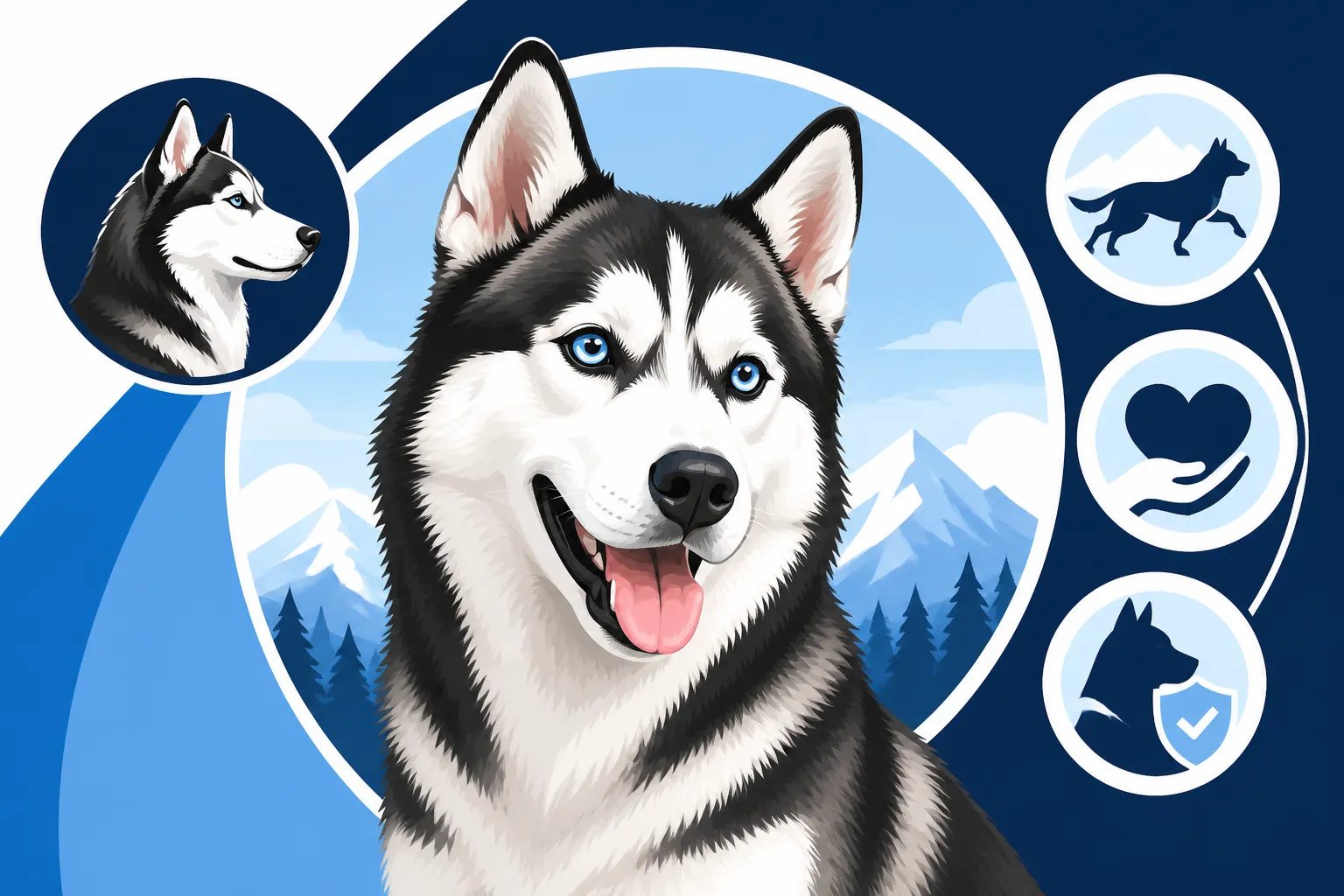
Siberian Husky Temperament and What the Standard Says
Many people fall head over heels for the striking good looks of a Siberian Husky – those piercing blue eyes, the thick fluffy coat, that confident gait. But beneath that stunning exterior lies a complex personality that, if misunderstood, can lead to a lot of frustration for owners and a difficult life for the dog. This guide will dive deep into the true Siberian Husky temperament, exploring what the breed standard truly describes and unpacking the real-world behaviors that define these incredible, yet demanding, companions.
Understanding the Siberian Husky's Core Temperament
The Siberian Husky is a creature shaped by centuries of purpose, bred to work alongside humans in the harshest conditions, not necessarily to be a Velcro dog or a guardian. Their temperament is a direct reflection of this history, a blend of independence, friendliness, and an unshakeable drive. When you truly understand their origins, their behaviors start to make a lot more sense.
The Standard's Ideal Husky Disposition
The official breed standard for the Siberian Husky, as recognized by organizations like the American Kennel Club (AKC), paints a very specific picture of their ideal temperament. It emphasizes their "friendly and gentle" nature, noting a "marked independence" and a distinct lack of possessiveness or aggression. They are not meant to be suspicious of strangers, nor are they typically inclined to guard property. Instead, the standard describes them as alert, eager, and outgoing. This means your Husky is likely to greet a new person with a wagging tail rather than a warning bark. They're usually delighted by new experiences and people, which is fantastic if you're looking for a sociable companion, but perhaps not if you had visions of a fierce protector.
This friendly disposition is deeply ingrained. Think about their history with The Chukchi Origins of the Siberian Husky people – these dogs lived and worked in close quarters, often with entire families, children included. They needed to be reliable and non-confrontational in a community setting. This isn't to say every Husky will be a perfect angel, but the breed standard sets a high bar for amiability. Any deviation towards aggression or extreme shyness is considered a serious fault, as it goes against the very essence of what a Siberian Husky is meant to be. They are spirited, yes, but that spirit should be channeled into joyous interaction, not hostility.
It’s crucial to remember that the standard describes an ideal. Just like people, individual Huskies can vary. However, understanding this foundational description helps potential owners calibrate their expectations. You're bringing home a companion bred for endurance and sociability, not a personal bodyguard. Their independence means they might have their own ideas about how things should go, but it doesn't mean they aren't affectionate or loyal. It just means their loyalty often manifests differently than, say, a Golden Retriever's. They might not be constantly underfoot, but they will be part of the family pack.
Why "Stubborn" is a Misunderstanding of Independence
One of the most common complaints you hear about Siberian Huskies is that they are "stubborn." Oh, I've heard it a million times! "My Husky just looks at me when I give a command, then walks away!" But is it truly stubbornness, or something else entirely? In the world of the Siberian Husky, what often gets labeled as stubbornness is actually their inherent independence and intelligent, self-preserving nature. These dogs were bred to make decisions on the fly while pulling a sled team, sometimes miles ahead of their human mushers in whiteout conditions. They had to think for themselves, evaluate situations, and trust their own judgment to survive. They weren't bred to blindly obey every single command from their handler.
This isn't a malicious defiance; it's a deep-seated trait. When you ask a Husky to do something, especially if there's a more interesting squirrel or a particularly good smell nearby, they might just weigh the pros and cons in their heads. "Is this command worth my effort? What's in it for me? Is that squirrel more rewarding?" Their motivation is often more internal than external, which can be baffling for owners used to more biddable breeds. They are smart enough to understand what you want, but they reserve the right to decide if it's a good idea for them. This is why consistency, high-value rewards, and making training incredibly fun and engaging are paramount. Why Siberian Huskies Look Stubborn Rather Than Slow is a concept many owners need to grasp to truly connect with their Husky.
Instead of seeing it as stubbornness, try reframing it as a conversation. You're not just issuing orders; you're negotiating with a highly intelligent, self-possessed animal. This independence also ties into their ability to problem-solve – often to your detriment when it comes to escaping. They can figure out gate latches, climb fences, and even open doors. This isn't out of spite, but a natural curiosity and an intrinsic drive for exploration and freedom. Understanding this independence is the first step towards a harmonious relationship, allowing you to appreciate their unique mind rather than constantly battling against it.
The Friendly, Outgoing Nature
The Siberian Husky is, by and large, a remarkably friendly and outgoing dog. This isn't a breed known for being aloof or reserved. Quite the opposite! They tend to love people, including strangers, often greeting them with enthusiasm and a happy wag of the tail. This makes them terrible guard dogs, as they're more likely to invite an intruder in for a game of fetch than to scare them away. Their social nature extends beyond humans; many Huskies enjoy the company of other dogs, often thriving in multi-dog households or at dog parks. This trait, again, goes back to their history as part of large sled teams and living in close communities.
However, this outgoing nature doesn't always translate to perfect manners. A friendly Husky can also be a bouncy, exuberant Husky, especially when young or under-exercised. They might jump up to greet you, "talk" excitedly, or try to involve every passerby in their current game. While charming, this requires consistent training to ensure their friendliness doesn't become overwhelming. Socialization from a young age is key to channeling this natural inclination into polite interactions, helping them learn appropriate greetings and play behaviors.
Their lack of inherent suspicion often means they integrate well into diverse social settings, from bustling city streets to quiet neighborhood gatherings. They rarely discriminate based on age, gender, or appearance. This open-hearted approach is one of their most endearing qualities, making them wonderful companions for active families and individuals who enjoy sharing their lives with a sociable canine. Just be prepared for them to make friends everywhere you go – your Husky might just be the most popular dog at the local pet store or park!
Social Dynamics: Huskies with Strangers, Children, and Other Dogs
One of the defining characteristics of Siberian Huskies is their unique approach to social interactions. Unlike many breeds that might be wary or protective, Huskies often embrace a more universal camaraderie. This open-door policy, while charming, comes with its own set of considerations for owners, especially regarding safety and training.
Welcoming Strangers, Not Guarding the Home
Let's be clear: if you're looking for a dog to stand guard and protect your home, a Siberian Husky is almost certainly not the right choice for you. Their friendly disposition, as outlined in the breed standard, means they are far more likely to roll over for a belly rub from a stranger than to issue a stern warning. I’ve known Huskies who would happily lead an unfamiliar person right to the treat jar! This lack of guarding instinct can be a surprise to first-time Husky owners who might expect a dog of their size and striking appearance to be more protective.
This isn't a flaw; it's a feature of the breed. Their historical role didn't involve guarding property or livestock. Instead, they were valued for their ability to coexist peacefully with humans and other dogs. This means that while your Husky might bark or howl when someone approaches your door (often out of excitement or to announce their presence, not aggression), it's unlikely to be a territorial display. In fact, many Huskies are so eager to make new friends that they might try to follow a stranger right out of your yard if given the chance. This underscores the importance of secure fencing and vigilant supervision, as their friendliness can easily be exploited or simply lead to them wandering off with a new "friend" if not contained.
So, while your Siberian Husky might not be your personal security system, they will be your most enthusiastic social ambassador. This makes them fantastic companions for people who enjoy company and want a dog that can comfortably interact with a wide range of individuals without stress or apprehension. Just manage those expectations – and keep your doors securely latched!
Living with Children and the Importance of Supervision
Siberian Huskies generally have a good reputation with children, and the breed standard's emphasis on a gentle and friendly nature certainly supports this. Many Huskies adore kids, seeing them as playmates and sources of attention. Their playful energy can often match that of a child, making for wonderful, engaging interactions. However, just like with any dog and child pairing, active supervision and teaching both parties how to interact respectfully are absolutely critical.
A Husky's exuberance can sometimes be a problem, especially with very young children. A puppy or young adult Husky might not understand their own strength and could accidentally knock over a toddler in their excitement. Their high energy levels mean they might try to herd, chase, or simply play too rough without proper guidance. Teaching children how to approach dogs, what body language to look for, and when to give a dog space is paramount. Similarly, teaching your Husky appropriate play (no nipping, no jumping, gentle interaction) from a young age is vital. Many rescues will often not place a Husky in a home with very young children unless there is extensive prior experience.
The core of successful coexistence lies in management and education. Establish clear boundaries for both your Husky and your children. Provide your Husky with ample exercise and mental stimulation so they are less likely to seek it out by excessively interacting with kids. Create a safe space for your dog where they can retreat when they need quiet time, away from curious little hands. With thoughtful integration and consistent training, Siberian Huskies with Toddlers in the House can thrive, but it requires a proactive approach from the adults in the home.
Navigating Multi-Dog Households and Pack Instincts
Given their history as sled dogs, living and working in close-knit teams, Siberian Huskies typically adapt very well to multi-dog households. They are inherently pack animals and often thrive on the companionship of other canines. For many Huskies, having a doggy friend to play with, run with, and even just lounge beside, helps fulfill a deep-seated social need. This can be especially beneficial if you have a busy household and worry about your Husky feeling lonely or bored when you're away.
However, "pack animal" doesn't mean they'll get along with every dog, or that there won't be nuances. Like any group of individuals, personalities can clash. Introductions need to be handled carefully, on neutral ground, and under strict supervision. While they are generally not dog-aggressive, some Huskies can be dominant or pushy in play, especially with smaller or more timid dogs. Also, their strong prey drive can sometimes extend to smaller dogs, particularly if they resemble prey animals in size or movement. This is less common with well-socialized Huskies, but it's a consideration you can't ignore.
When bringing a second (or third!) Husky into the mix, or introducing one to an existing dog, consider factors like age, sex, and temperament. Often, a male and female pair works best, or two males or two females with compatible personalities. Providing separate feeding areas, toys, and resting spots can help prevent resource guarding. Many owners find that having two Huskies actually helps manage their energy levels and can curb destructive behaviors, as they keep each other entertained. Just remember that two Huskies mean double the exercise needs, double the shedding, and double the potential for mischief!
The Instinctual Drives: Prey Drive and the Desire to Roam
To truly understand a Siberian Husky, you must understand the powerful instincts that lie at their core: the almost irresistible urge to chase and the profound desire to run free. These aren't quirks; they are fundamental components of their genetic makeup, bred into them over centuries of survival and work.
Strong Prey Drive and Small Animals
This is perhaps the single most critical aspect of Siberian Husky temperament that new owners often underestimate, to their regret. Siberian Huskies possess a very strong, deeply ingrained prey drive. They were bred by the Chukchi people not just to pull sleds, but also to hunt for small game to supplement their diet. This means that anything small, furry, or fast-moving is likely to trigger that instinct to chase, capture, and, unfortunately, kill.
This prey drive extends to a wide range of animals: squirrels, rabbits, cats, chickens, goats, and even smaller dog breeds can be seen as potential prey. It's not about being "mean" or "aggressive"; it's a primal, hardwired instinct to hunt. Once that switch is flipped, it is incredibly difficult, if not impossible, to call a Husky off. This is why Siberian Husky Prey Drive Around Small Animals is such a huge consideration for multi-pet households, or for those living near wildlife or livestock. Many, many Huskies end up in shelters because they've killed a neighbor's cat or chicken.
Living with a Husky means constant vigilance. If you have cats or other small pets, introductions must be carefully managed, ideally starting with a Husky puppy raised alongside them, and even then, never left unsupervised. Even the most "cat-friendly" Husky can revert to instinct if the cat suddenly bolts. For outdoor living, secure fencing is non-negotiable, and even then, don't assume your yard is truly secure from ambitious hunters. Walking on a leash is essential, as even a momentary lapse can lead to a disastrous chase. You simply cannot train this instinct out of them; you can only manage and mitigate its expression.
The Irresistible Call of the Horizon
If there's one thing a Siberian Husky was born to do, it's run. And run, and run some more. They have an insatiable desire to explore, to cover ground, and to see what's just beyond the next hill. This isn't just about needing exercise; it's a deep-seated drive for freedom and exploration, a legacy of their nomadic past. This is why Why a Siberian Husky Cannot Be Trusted Off Leash is an absolute mantra for Husky owners. No matter how well-trained, how well-behaved, or how much they "love" you, if a Husky sees an open gate or a break in the fence, their first instinct is often to take off.
Once they bolt, they are rarely inclined to come back on their own terms. The thrill of the chase, the new smells, the sheer joy of running without restraint, far outweighs any desire to return to your side. Their recall, even if excellent in a controlled environment, often disintegrates when that powerful wanderlust kicks in. They'll run for miles, sometimes covering vast distances in a surprisingly short amount of time. This roaming instinct is a major factor in Siberian Husky Deaths From Trauma and Escape, as they often end up hit by cars, lost, or injured.
This drive means that secure containment is not a suggestion but a requirement. We're talking about fences that are not just tall (at least six feet), but also secured at the bottom to prevent digging, and ideally with a "coyote roller" or inward-facing extension to prevent climbing. Every door and gate needs to be double-checked. Microchipping and a GPS collar are incredibly wise investments for any Husky owner, as finding a lost Husky can be a heartbreaking and exhaustive experience. Embrace their love for running through safe, controlled activities like dog sports, but never, ever assume they'll stick around if given the chance to roam.
Digging and Escaping: Engineered for Freedom
The Siberian Husky’s desire to roam combines with another deeply ingrained behavior: digging. These dogs are master excavators, a skill that served them well in their ancestral lands for creating cool dens in summer or finding shelter in winter. In a modern backyard, however, this translates to a relentless quest to dig under fences, through flowerbeds, and sometimes just for the sheer joy of moving dirt. Combine this with their impressive ability to climb and jump, and you have a canine escape artist par excellence. Stopping a Siberian Husky From Escaping the Yard becomes a full-time job for many owners.
They are not just digging aimlessly. Often, they are systematically trying to find a way out. They'll test fence lines, looking for weak spots, and will tirelessly work at digging tunnels beneath them. Their athleticism means they can easily scale fences that might contain other breeds, and many can also learn to open gate latches or even unlatch doors with their paws or mouths. It's truly astonishing what they can figure out when motivated by the prospect of adventure.
Preventing escapes requires a multi-faceted approach. Your fence isn't just a barrier; it's a strategic fortification. Burying chicken wire or adding an L-footer at the bottom of the fence can deter digging. Regular inspection for new holes or weakened sections is crucial. For diggers, providing designated digging areas in the yard can sometimes redirect the behavior. For climbers, coyote rollers or inward-slanting extensions can be effective. Ultimately, the best defense is a well-exercised, mentally stimulated Husky who is less driven to seek excitement beyond the yard. A bored Husky is a destructive and an escape-prone Husky.
Vocalizations: Howls, Woos, and the Husky "Talk"
If you're considering a Siberian Husky, you need to be prepared for conversation. These aren't quiet dogs, nor are they typically incessant barkers like some other breeds. Instead, they have a rich and varied vocabulary that is truly unique and often quite endearing, if a little loud!
The Iconic Husky Howl
The sound most associated with the Siberian Husky is, of course, the howl. It's a primal, melodic sound that hearkens back to their wolf ancestors and their pack origins. Huskies howl for a variety of reasons: to communicate with other dogs, to express excitement or joy, to alert you to something, or sometimes just because they feel like it! You'll often hear them "singing" along to sirens, music, or even other dogs howling in the distance. It's a beautiful sound, but it can be quite loud and carry a long way.
Unlike barking, which is often a warning or territorial display, howling is more of a communal communication. When a Husky howls, they are essentially calling out, "I'm here! Where are you? Let's connect!" This can be particularly prevalent when they are left alone, as howling can be a sign of loneliness or separation anxiety. A Siberian Husky That Howls When You Leave is a common challenge for owners, requiring careful management and training to ensure it doesn't become a nuisance for neighbors.
If you live in an apartment or close quarters, the Husky howl is definitely something to consider. While some Huskies are quieter than others, it's a deeply ingrained behavior, and trying to completely suppress it can be frustrating for both you and your dog. Instead, focus on understanding why they are howling and addressing the underlying cause, whether it's boredom, separation distress, or simply a desire for attention. Embrace the song, but manage the symphony.
Conversational Woos and Chirps
Beyond the dramatic howl, Huskies are famous for their incredibly expressive vocalizations often referred to as "talking," "wooing," or even "chirping." These sounds are a unique blend of mumbles, grumbles, low growls, and high-pitched squeaks, all designed to communicate with their humans. It's almost as if they're trying to form words, and it's truly captivating to witness. My own Husky, Kiska, has a whole repertoire of "woos" she uses to tell me it's time for dinner, or that she wants to play, or even just to express her general contentment.
This "talking" is a hallmark of the breed and one of the most charming aspects of their personality. Siberian Husky Talking Back During Training is a common, and often hilarious, phenomenon where they'll vocalize their opinions during a training session, sometimes sounding like they're complaining about the effort required! It's their way of engaging with you, expressing their feelings, and trying to get your attention. They learn very quickly that these unique sounds get a reaction from their humans, and they often lean into it.
Encouraging this conversational aspect can deepen your bond with your Husky, but it's important to set boundaries. While it's fun to have a dog that "talks" to you, you don't want it to become incessant or demanding. Teach them that quiet communication is also rewarded, and avoid inadvertently reinforcing excessive vocalizations with attention every single time. Nevertheless, if you love a dog with a big personality and a lot to say, the Husky's conversational woos will absolutely steal your heart.
Barking Habits Compared to Other Breeds
While Huskies are champions of howling and talking, they are generally not known for being excessive barkers compared to many other dog breeds. If you're used to a dog that barks at every squirrel, mail carrier, or leaf blowing past the window, a Husky's relative silence in this regard might be a pleasant surprise. Their communication style leans more towards the melodious howl or the expressive "woo."
That's not to say a Siberian Husky never barks. They certainly can, but it's often more situational. They might bark once or twice to alert you to someone at the door, or if they are playing particularly enthusiastically with another dog. Sometimes, a bark can be a sign of frustration or boredom, especially if they are left alone for extended periods without adequate exercise or mental stimulation. However, the sustained, repetitive territorial barking seen in some other breeds is typically not a Husky trait.
So, while Whether a Siberian Husky Barks Much is a common question, the answer is usually "less than you might think, but prepare for howling!" This can make them suitable for certain living situations where constant barking would be an issue, but the trade-off is often a more resonant, carrying howl. It's all part of their unique charm, a reminder that they march to the beat of their own drum, or rather, sing to the tune of their own howl.
Intelligence, Trainability, and Problem-Solving
Siberian Huskies are undeniably intelligent dogs, but their intelligence doesn't always translate into eager obedience. This is where many owners hit a wall, expecting a dog that learns quickly and then complies readily. The Husky's mind works a little differently, making them both fascinating and incredibly challenging to train.
Smart, But Not Eager to Please
Yes, Siberian Huskies are smart. They can learn commands quickly, often picking up on new tricks or cues with just a few repetitions. They observe, they analyze, and they remember. But here's the kicker: their intelligence is often coupled with that strong independent streak. They're smart enough to understand what you want, but not always motivated by the sheer desire to please you. Their primary driver isn't pleasing their human; it's often what benefits them. This can be incredibly frustrating if you're used to a breed that lives to obey.
This doesn't mean they can't be trained; it just means you have to be smarter, more consistent, and more motivating than they are. Force training or harsh methods are almost guaranteed to backfire with a Husky. They will shut down, become resistant, and potentially even fearful. Instead, you need to tap into their intelligence and their love of a good challenge. Make training a game, use high-value rewards (think delicious, meaty treats, not just kibble), and keep sessions short, fun, and engaging.
Their intelligence manifests in surprising ways. For example, they're often very good at reading human emotions and anticipating routines. They can tell when you're getting ready for a walk, or when you're about to leave the house. This can be used to your advantage in training, but it also means they can exploit loopholes if your rules aren't perfectly consistent. It's a constant mental chess match with a Husky, and if you're not up for it, you might find yourself outsmarted.
Training Challenges and the Need for Motivation
Training a Siberian Husky presents a unique set of challenges that can test even the most experienced dog owners. Their independence means they often lack the strong "desire to please" found in many other breeds. While they can learn quickly, their willingness to perform a command consistently, especially in distracting environments, is often conditional on what's in it for them. This is why Motivating a Siberian Husky That Ignores You is a skill you'll need to master.
Recall, for instance, is notoriously difficult. While you can certainly teach a Husky a strong recall cue, and practice it in controlled environments, their innate desire to roam and their high prey drive means that an off-leash Husky is always a gamble. One squirrel, one open field, one interesting smell – and your perfectly recalled Husky might suddenly develop "selective hearing." This isn't stubbornness, but a prioritization of deeply ingrained instincts over learned commands. For their safety and the safety of others, a secure leash or a truly escape-proof, supervised enclosure is always the safest bet. Teaching a Siberian Husky to Come Back is possible, but never absolute.
Another challenge is their short attention span for repetitive tasks. They get bored easily. Long, drawn-out training sessions will lead to a Husky who disengages, lays down, or simply wanders off. You need to be creative, varied, and constantly finding new ways to make training exciting. Clicker training, positive reinforcement, and using their natural drives (like their love for running) as rewards can be highly effective. Finding a trainer who truly understands the Husky mentality and can offer breed-specific advice is invaluable, rather than one who applies generic obedience methods that will likely fail.
The Husky's Talent for Troubleshooting Escape Routes
We've touched on this before, but it bears repeating: Siberian Huskies are expert problem-solvers when it comes to escaping. Their intelligence, combined with their relentless drive for freedom, makes them truly formidable escape artists. It’s not just a matter of digging; they observe, they learn, and they adapt. I’ve known Huskies who could open lever door handles, unlatch gates, and even manipulate kennel clips.
Think of it this way: to a Husky, your fence, your gate, your crate — these aren't just barriers. They are puzzles waiting to be solved. If there's a loose board, they'll find it. If a gate isn't perfectly secured, they'll exploit it. If a window is left ajar, they'll figure out how to widen the gap. This isn't malicious, it's just their clever brain working overtime, constantly assessing their environment for opportunities to explore. They have an almost uncanny ability to identify weak points in any containment system.
This means you, as the owner, must always be one step ahead. A secure yard for a Husky needs to be thought of like Fort Knox. Regular inspections are necessary – walk the perimeter, check the gate latches, look for new dig spots. Crates must be heavy-duty and truly escape-proof, as a determined Husky can bend or break lesser models. Leaving them alone in an unsecure yard is simply inviting trouble. Their talent for troubleshooting is a testament to their intelligence, but it requires owners to be equally vigilant and resourceful in their containment strategies.
Exercise Needs and Energy Levels: More Than Just a Walk
Beneath that gorgeous fur coat beats the heart of an athlete. Siberian Huskies are built for endurance, speed, and hard work. Understanding and meeting their extensive exercise needs is paramount to having a happy, well-adjusted Husky and preventing behavioral issues.
High Energy Demands and Boredom-Induced Behaviors
Siberian Huskies possess exceptionally high energy levels. They were literally bred to run for miles, pulling a sled across vast, frozen landscapes. This isn't a breed that's content with a quick stroll around the block or a couple of laps in the backyard. They require significant physical exertion daily to truly be content and well-behaved. Without an appropriate outlet for their boundless energy, that energy doesn't just dissipate; it manifests in destructive and problematic behaviors.
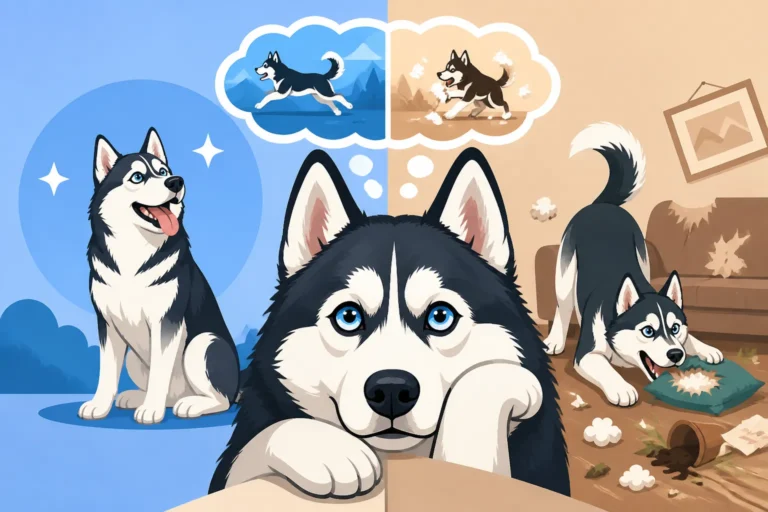
A bored, under-exercised Husky is a recipe for disaster. They might chew through furniture, scratch at doors, dig up your yard, or become excessively vocal with howling and whining. Siberian Husky Destruction When Left Alone is incredibly common, and it often stems from pent-up energy and a lack of mental stimulation. It's not out of spite; it's simply their way of coping with boredom and seeking an outlet for their natural drives. Imagine a marathon runner being forced to sit still all day – they'd climb the walls too!
Meeting these demands isn't always easy, especially for owners with busy schedules or those who live in warmer climates. It often means getting creative with their exercise: long runs, hikes, bikejoring, canicross, or even just extended play sessions in a secure area. Two 30-minute walks a day probably won't cut it for most Huskies. They need to burn off steam, both physically and mentally, to be the calm, gentle companions they are capable of being indoors. Investing time and effort into their exercise routine pays dividends in a well-behaved dog and a harmonious home.
The Drive to Run and Pull
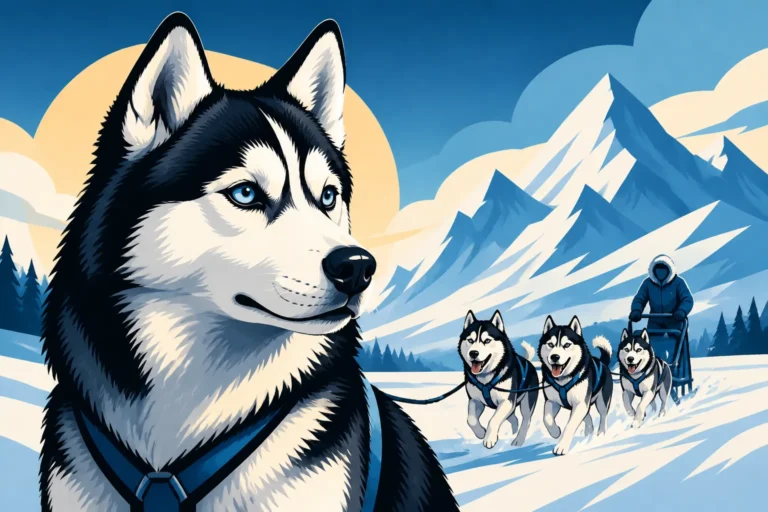
The quintessential image of a Siberian Husky is one of a dog in harness, powerfully pulling a sled across the snow. This image is etched into their very being. The drive to run and pull is not just an activity for them; it's a fundamental expression of who they are. They truly love to pull. This is why Siberian Husky Leash Work Against a Pulling Instinct can be so challenging. While you can train them to walk nicely on a loose leash, it goes against their deepest instincts. Many owners use front-clip harnesses or head halters to manage this pulling during casual walks, saving the dedicated pulling for appropriate sports.
For many Huskies, being allowed to engage this natural drive is incredibly fulfilling. Activities like canicross (running with your dog pulling you), bikejoring (cycling with your dog pulling), scootering, or even competitive urban mushing allow them to tap into their ancestral purpose. Giving a Siberian Husky a Job in Harness can transform a restless, mischievous dog into a happy, tired, and well-adjusted companion. It provides them with a sense of purpose and fulfills a deep genetic need.
If you're not able to engage in these structured pulling sports, simply finding ways for your Husky to run unimpeded in a very secure area is vital. Dog parks can be an option for some, but always remember their prey drive and potential for escape. Large, privately rented fields are often the safest bet. The sheer joy a Husky expresses when they are truly allowed to stretch their legs and run at full speed is a sight to behold and a clear indication of how important this activity is for their overall well-being. Look on Chewy for durable harnesses and leads designed for strong pullers if you're venturing into these sports.
Mental Stimulation Beyond Physical Exertion
While physical exercise is critical, it's not the only component of a well-rounded routine for a Siberian Husky. Their intelligence means they also require significant mental stimulation to prevent boredom and destructive behaviors. A dog that is physically tired but mentally under-stimulated can still be a handful. Think of a teenager forced to run laps all day but never allowed to read a book or solve a puzzle – they'd be physically drained but mentally frustrated.
Mental stimulation can take many forms. Puzzle toys and interactive feeders (like those you can find on Chewy) that require your Husky to figure out how to get their food are fantastic. Scent work, where they use their powerful noses to find hidden treats or toys, is incredibly engaging. Learning new tricks, even simple ones, provides a mental workout. Short, consistent training sessions throughout the day, even just five minutes here and there, can keep their minds active and reinforce good behavior.
Rotating toys, teaching them names for their toys, and engaging them in games that require problem-solving (like hide-and-seek) can also be highly effective. Remember their independence? This also means they enjoy a challenge. If a puzzle toy is too easy, they'll master it and then look for the next "problem" to solve, which might involve your sofa. By providing a rich environment that challenges both their body and their brain, you're much more likely to have a contented, well-behaved Siberian Husky.
Common Misconceptions and Why Huskies End Up in Rescue
Despite their undeniable charm and unique appeal, Siberian Huskies are one of the most frequently surrendered breeds to shelters and rescues. This isn't because they are inherently bad dogs, but almost always due to a significant mismatch between owner expectations and the reality of living with this demanding breed.
The "Wolf-Like" Allure vs. Reality
A common misconception, and often a dangerous one, is the idea that Siberian Huskies are "wolf-like" in temperament or that they are a "small wolf." Their appearance, with their pointed ears, often striking eyes, and athletic build, certainly evokes images of their wild ancestors. This aesthetic appeal often draws people in, particularly those fascinated by wolves or the mystique of the wild. However, this "wolf-like" allure often leads to completely unrealistic expectations about their behavior and a profound misunderstanding of their true nature.
While genetically related to wolves, like all domestic dogs, Siberian Huskies are dogs, through and through. They are not miniature wolves, nor do they possess a "wild" or "aggressive" temperament simply because of their looks. In fact, their breed standard emphasizes gentleness and friendliness. The idea that they are tough, aloof, or protective like a wolf is fundamentally at odds with their historical purpose and genetic programming. They were bred to work with people, not to be solitary predators.
This misconception can lead people to acquire a Husky expecting a fierce guardian or a fiercely independent, untrainable wild creature, only to find a dog that is friendly to a fault, wants to run freely, and has a deeply playful, often goofy, personality. The mismatch between the romanticized "wolf-dog" image and the reality of a social, high-energy, independent working dog is a primary reason for disappointment and, sadly, surrender. It's vital to educate oneself on the actual breed characteristics, rather than falling for an image.
Unprepared Owners and Unmet Needs
The biggest reason Why So Many Siberian Huskies End Up in Rescue is simply unprepared owners. People fall in love with the look, maybe even the idea of a "wolf-dog," without doing their homework on the breed's demanding needs. They often underestimate the sheer volume of exercise required, the intensity of their prey drive, their incredible escape artistry, and their independent, often "stubborn" nature.
Many owners envision a dog that will happily stroll on a leash, relax quietly in the backyard, and eagerly obey every command. What they get instead is a dog that pulls like a freight train, scales fences, digs up the garden, howls the house down when bored, and has a one-track mind for chasing squirrels. This isn't a "bad" dog; it's a perfectly normal Husky whose needs are simply not being met. The frustration mounts, the behaviors escalate, and eventually, the owner feels overwhelmed and unable to cope.
This cycle of misunderstanding is heartbreakingly common. It's why rescues spend so much time educating potential adopters about the reality of Husky ownership. It’s not enough to love the look of a Husky; you have to love their energy, their independence, their vocalizations, and their inherent drive to explore. You have to be committed to providing the secure environment, the massive amounts of exercise, and the consistent, positive training that they need to thrive. If you can't, then a Husky might not be the right fit for your lifestyle.
The Impact of Pop Culture on Husky Popularity
Recent years have seen a surge in Siberian Husky popularity, largely fueled by their striking appearance in TV shows and movies, particularly those featuring characters with "wolf-like" companions. The visual appeal of these dogs in a fantastical context has led many to seek them out, often without understanding the practicalities of owning such a breed. This phenomenon has been well-documented, with rescues reporting a significant increase in Husky surrenders following popular media releases.
When a breed becomes a trendy accessory, ethical breeding practices often suffer, and backyard breeders or puppy mills churn out puppies with little regard for health or temperament. This can exacerbate existing issues, leading to dogs with less stable temperaments or more pronounced behavioral challenges. These dogs then end up in the hands of owners who, already ill-prepared, are even less equipped to handle a dog that might also come from poor breeding.
The cycle is clear: popular imagery sparks impulse buys, unprepared owners struggle with the reality, and shelters become overflowing with beautiful, confused dogs who are simply being Huskies. Before adopting, look beyond the screen and talk to current Husky owners, visit breed-specific rescues, and research thoroughly. The aim should be to find a companion that genuinely fits your lifestyle, not to replicate a fantasy. The Game of Thrones Wave of Siberian Huskies is a poignant example of how pop culture can inadvertently contribute to this heartbreaking problem.
A Snapshot of Siberian Husky Temperament
To summarize the complex nature of the Siberian Husky, here's a quick overview of their key temperament traits:
| Trait | Description | Common Misconception |
|---|---|---|
| Friendly/Outgoing | Eager to greet strangers, loves people, generally good with other dogs. | Makes a good guard dog; is aloof or shy. |
| Independent | Thinks for themselves, makes their own decisions, not always eager to please. | Stubborn, disobedient, untrainable. |
| High Prey Drive | Strong instinct to chase and hunt small, fast-moving animals. | Can live safely with cats/small pets if "trained out" of it. |
| Wanderlust | Profound desire to explore and run, leading to expert escape artistry. | Will stick around the yard; can be trusted off-leash with good recall. |
| Vocal | Communicates through howling, "wooing," and chirping; less prone to incessant barking. | Is a quiet dog; barks constantly. |
| Intelligent | Quick learner, capable problem-solver, highly adaptable. | Not smart because they don't always obey; easy to trick. |
| High Energy | Requires extensive daily exercise (running, working) to prevent boredom and destructive behaviors. | Content with a short walk or backyard playtime. |
| Affectionate | Often enjoys cuddles and attention, but on their own terms; not typically a "Velcro dog." | Cold or aloof; constantly needy. |
This table illustrates the gap between what many expect and what a Siberian Husky truly brings to the table. Understanding these core traits is the first, most crucial step in determining if this spirited, beautiful breed is the right match for your home and lifestyle.
Disclaimer
This article is for general informational purposes only and does not constitute professional advice. Laws, prices and regulations vary by location and change over time. Consult a qualified professional for guidance on your specific situation.