Raking an Old Siberian Husky That Cannot Stand Long
Gentle strategies and specialized tools help you rake the thick undercoat of an aging Siberian Husky unable to stand.
The daily stuff, done right.
Feeding amounts by life stage, coat and skin routines, dental and nail care, exercise needs, and what changes as they age.
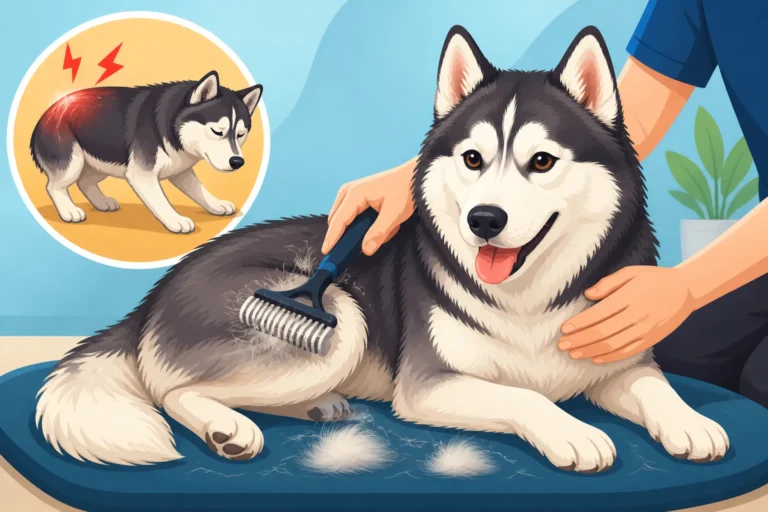
Gentle strategies and specialized tools help you rake the thick undercoat of an aging Siberian Husky unable to stand.

Older Siberian Huskies experiencing a decreased appetite may be affected by slower metabolism, dental pain, or underlying health conditions.

Senior Siberian Husky metabolism, energy needs, and health concerns require careful diet adjustments past ten years of age.

Siberian Husky dietary needs differ from working sled dogs due to vastly lower daily energy output and domestic lifestyles.

Working Siberian Husky recovery meals provide targeted carbohydrates and protein to repair muscles and replenish glycogen stores safely.

Feeding a Siberian Husky around exercise requires proper meal timing to prevent digestive upset and support their frugal metabolism.
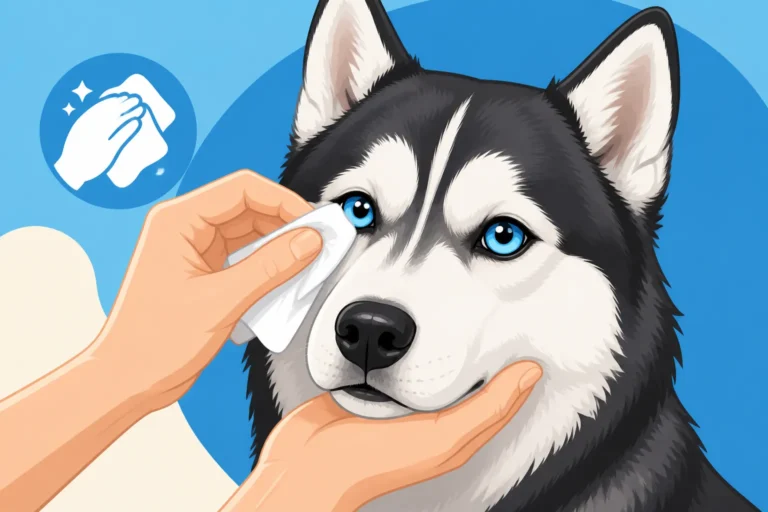
Siberian Husky eye discharge maintenance and safe cleaning techniques help owners identify normal crust from concerning infection symptoms.

Siberian Husky ear anatomy provides natural protection against infections through erect carriage and open canals.
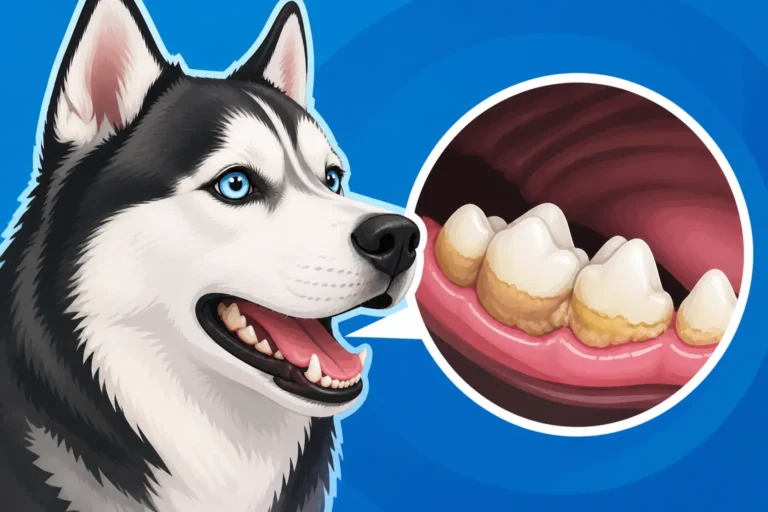
Tartar buildup on a Siberian Husky back molars forms from mineralized plaque, creating health risks that owners can identify and address.
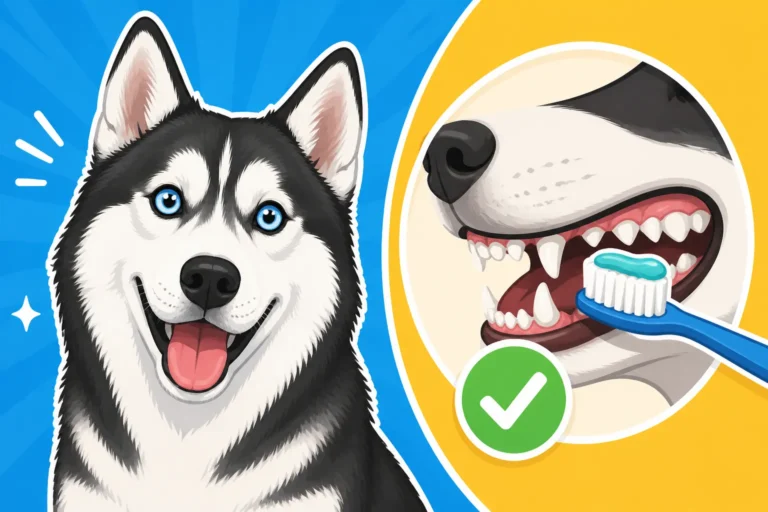
Dental hygiene for a Siberian Husky prevents periodontal disease and systemic health issues like heart and kidney problems.