Wiping a Siberian Husky’s Eyes Clean
It's a familiar sight for many Siberian Husky owners: that little bit of crust or watery residue in the corner of their magnificent, often piercing eyes. While it’s usually nothing to fret over, knowing the difference between normal doggy eye gunk and something more concerning, and how to safely clean it, is key to keeping your Husky comfortable and healthy. This guide will walk you through the proper techniques and tell-tale signs to watch out for.
Understanding What's "Normal" for Husky Eye Discharge
Before you grab a cloth, it's really helpful to understand what kind of eye discharge is typically okay for a Siberian Husky, and what signals it's time to pay closer attention. Huskies, like all dogs, produce tears to keep their eyes lubricated and to flush out irritants. This natural process often leaves a little residue, especially after a good long nap.
The Everyday Eye Crust
Think about your own "sleepy dust" in the morning – dogs get that too! For Huskies, this often presents as small, dry crusts in the inner corners of their eyes. These can range in color from clear to a light reddish-brown, often looking a bit like dried mucus. This is usually just dried tears, dust, and maybe some stray fur that accumulated overnight. It's completely normal and generally nothing to worry about. You'll often see it more after they've been outside playing in the wind, or if there's a lot of dust from their latest digging project.
Sometimes, especially in the mornings, you might notice a slightly moist, clear discharge, almost like watery tears. This is also often benign, a sign of the eyes simply cleaning themselves. If your Husky has been out on a windy day, or if there's pollen in the air, their eyes might water a bit more than usual to flush out those environmental irritants. The key here is clarity and lack of redness or irritation to the eye itself. A good, healthy eye should look bright and clear, not red or swollen.
However, if this everyday crust becomes excessive, changes significantly in color or consistency, or is accompanied by other symptoms, it warrants a closer look. For instance, if your Husky's eyes are always watery, even indoors, it could indicate a mild irritation or even allergies. Just like us, dogs can suffer from seasonal allergies that might make their eyes a bit more teary than usual. Keep an eye on the bigger picture – is your Husky otherwise happy, playful, and showing no signs of discomfort? That's usually the best indicator of normal eye health.
When Eye Discharge Raises an Eyebrow
While a bit of clear or light brown gunk is fine, certain types of discharge are definitely red flags. If you notice a thick, yellowish, or greenish discharge, especially if it seems to stick the eyelids together, that’s usually a sign of infection. This could be bacterial conjunctivitis or another type of eye issue that needs veterinary attention. Don't try to treat this at home with over-the-counter remedies, as you could make things worse.
Another concerning sign is an increase in discharge accompanied by redness of the whites of the eye (sclera), swelling of the eyelids, or frequent pawing at the face. If your Husky is squinting, seems sensitive to light, or is generally acting uncomfortable, their eyes are telling you something isn't right. These symptoms could point to anything from a foreign object lodged in the eye to more serious conditions such as Glaucoma as a Siberian Husky Emergency or an injury. Even if it's just a mild irritation, discomfort can escalate, so prompt action is important.
Finally, pay attention to discharge that suddenly appears or changes character. If your Husky has been fine, and then suddenly has one eye producing a lot of sticky, pus-like discharge, that’s a clear indicator to seek professional advice. Sometimes, even what appears to be a minor irritation can mask something more significant, like an ulcer on the cornea, which needs immediate veterinary care. Regular checks of your Husky's eyes are part of Siberian Husky Weekly Grooming Between Blows, allowing you to catch changes early.
Your Step-by-Step Guide to Safely Cleaning Husky Eyes
Cleaning your Siberian Husky's eyes is a simple routine, but it requires gentleness and the right tools to prevent irritation or injury. Getting your Husky comfortable with the process from a young age can make it much easier, but even older, more opinionated Huskies can learn to tolerate it with patience and positive reinforcement.
Gathering Your Gentle Tools
You don't need a fancy array of products to clean your Husky's eyes; in fact, less is often more when it comes to sensitive areas. Your go-to items should be simple and sterile. First, invest in some sterile saline solution for eyes – the kind you might use for contact lenses (without any added chemicals or preservatives for "redness relief"). This is essentially just salt water, which is incredibly gentle and won't sting. Many pet supply stores, or online retailers like Chewy and Amazon, offer pet-specific eye rinses, but human-grade sterile saline is perfectly safe.
Next, you'll need soft, clean cloths or cotton pads. Avoid using harsh tissues or paper towels, as their abrasive texture can irritate the delicate skin around the eyes. Lint-free gauze pads are also an excellent choice. Make sure you have several on hand, as you'll want to use a fresh piece for each eye to prevent cross-contamination if one eye happens to have an issue. Always ensure your hands are clean before you begin, too. This simple preparation makes the process smooth and safe for both you and your Husky.
Finally, keep some high-value treats nearby! Huskies can be notoriously independent, and making eye cleaning a positive experience with rewards will go a long way. A little piece of cheese, some cooked chicken, or even a favorite crunchy biscuit can turn a potentially stressful moment into a pleasant routine. Remember, patience is key – if your Husky isn't cooperating, take a break and try again later rather than forcing the issue.
The Gentle Cleaning Technique
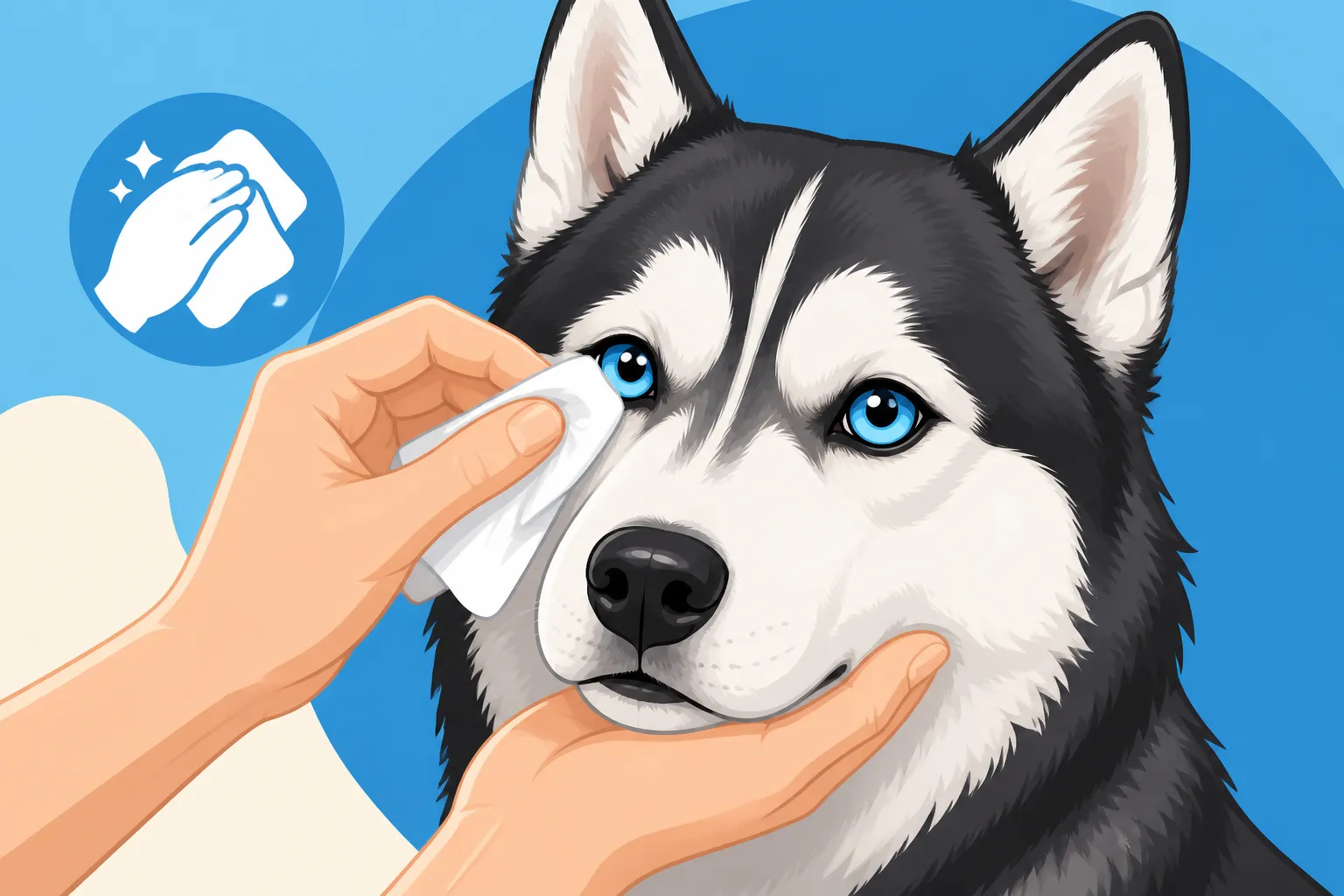
Once you have your supplies ready and your Husky is in a relaxed mood, it's time to clean. Start by gently holding your Husky's head steady with one hand, speaking in a calm, reassuring voice. If they're a wiggler, you might need another person to help gently stabilize them. Moisten a clean cotton pad or soft cloth with the sterile saline solution. It should be damp, not dripping wet.
Carefully wipe from the inner corner of the eye (near the nose) outward towards the ear. This motion helps to gently pull away any crusts or debris without pushing them further into the eye. Use light, feathery strokes. Do not rub vigorously, and never, ever touch your Husky's actual eyeball with the cloth or your fingers. The goal is to clean the fur and skin around the eye, not the eye itself. If there are stubborn crusts, hold the moist pad over them for a few seconds to soften them before gently wiping.
After you've cleaned one eye, discard the used pad or cloth and grab a fresh one for the second eye. This simple step is crucial for hygiene. Once both eyes are clean, offer praise and those high-value treats you prepared. Make it a celebration! The more positive associations your Husky has with eye cleaning, the easier future sessions will be. Remember that consistency builds trust, so incorporating this into your regular grooming schedule can make a big difference in cooperation. This also ties into keeping them generally well-maintained, as discussed in Siberian Husky Dental and Ear Care.
| Action | Do | Don't |
|---|---|---|
| Supplies | Use sterile saline solution or pet-specific eye wash. | Use tap water, hydrogen peroxide, or irritating chemicals. |
| Use soft, lint-free cloths, cotton pads, or gauze. | Use rough paper towels, tissues, or your bare fingers. | |
| Technique | Wipe from the inner corner outward. | Wipe back and forth, or wipe from the outside in. |
| Use a fresh cloth/pad for each eye. | Use the same cloth for both eyes. | |
| Be gentle and use light pressure. | Rub vigorously or apply excessive force. | |
| Hold a moist pad over stubborn crusts to soften. | Pick or scrape at dried gunk with your nails. | |
| Engagement | Speak calmly and offer praise and treats. | Force the issue or punish your Husky for non-cooperation. |
| Make it a positive, consistent routine. | Only clean when there's an obvious problem, causing fear of the process. | |
| When to Vet | Consult vet for yellow/green discharge, redness, pain, or swelling. | Assume all eye issues can be resolved at home. |
When to Worry: Signs Your Husky's Eye Gunk Needs a Vet
Sometimes, what starts as a simple cleaning job can reveal deeper issues. It's crucial for any Siberian Husky owner to recognize when a simple wipe isn't enough and professional medical attention is needed. Ignoring these signs can lead to more serious problems, so always err on the side of caution.
Persistent Redness and Swelling
If, after cleaning, your Husky's eyes remain red, inflamed, or swollen, it's time to call the vet. Redness in the white part of the eye (sclera) or persistent puffiness around the eyelids can indicate an infection, an allergic reaction, or a more serious underlying condition. This isn't just cosmetic; redness often means irritation or inflammation is present, and swelling can interfere with normal tear drainage and comfort. It's especially concerning if only one eye is affected, as this often points to a localized problem like a scratch or foreign body.
Don't try to self-diagnose or treat with human eye drops (unless specifically instructed by your vet). Many human eye medications contain ingredients that can be harmful to dogs. Your vet will be able to perform a thorough examination, including checking for corneal ulcers, measuring tear production, and potentially using special dyes to look for abrasions. Catching these issues early is vital for preserving your Husky's vision and comfort. This is why annual eye exams are so important, as detailed in Why a Siberian Husky Needs an Eye Exam Every Year.
Similarly, if the third eyelid (nictitating membrane) in the corner of their eye is consistently prominent or appears red, it’s a strong indicator of irritation or discomfort. While sometimes this can be a transient response to an irritant, if it persists, it certainly warrants a vet visit. This membrane plays a protective role, and its visible protrusion usually means it's trying to cover an irritated or painful eye.
Changes in Discharge Consistency or Color
As we discussed, a bit of clear or light brownish discharge is usually normal. However, if you notice a significant change in the consistency or color of your Husky's eye gunk, it's time for a vet check. Thick, yellow, green, or even pus-like discharge is almost always a sign of a bacterial infection, often conjunctivitis. This kind of discharge tends to be sticky, can dry into a hard crust, and might even glue the eyelids shut after a long sleep.
If the discharge becomes suddenly profuse, watery, and clear, but is accompanied by frequent blinking, squinting, or pawing, it could still be a sign of a foreign object, irritation, or allergies. A vet can determine if there’s an irritant stuck under the eyelid or if an allergic reaction is causing the excessive tearing. What might seem like "just tears" could be the eye trying desperately to flush out something harmful. The clarity of the discharge in this instance is less important than the quantity and the accompanying signs of discomfort.
Blood in the discharge or a noticeably cloudy appearance to the eye itself (not just the gunk) are emergency situations. Blood could indicate trauma or a severe internal eye issue, while cloudiness could signal anything from Corneal Dystrophy in the Siberian Husky to cataracts or even glaucoma. These conditions can progress rapidly and threaten your Husky's sight, so immediate veterinary attention is paramount. Waiting even a day or two can sometimes make a significant difference in the outcome.
Behavioral Signs of Discomfort
Beyond what you see with your eyes, how your Husky is acting can tell you a lot about their eye health. If they are constantly pawing at their face, rubbing their eyes on furniture or the carpet, or blinking excessively, they are clearly experiencing discomfort. Huskies are stoic dogs by nature, so overt signs of pain or irritation like this should never be ignored. This behavior could be due to an itch, a foreign body, or even a painful condition like uveitis.
Another behavioral red flag is light sensitivity, also known as photophobia. If your Husky is squinting in normal light, avoiding bright areas, or seems hesitant to go outside on a sunny day, it indicates that bright light is causing them pain or exacerbating an underlying eye condition. This can be a symptom of various serious issues, including corneal ulcers or internal inflammation of the eye. Don't delay a vet visit if you notice this.
Finally, a general change in demeanor, such as becoming lethargic, losing their appetite, or showing reluctance to play, especially when combined with eye symptoms, suggests they're feeling unwell. It's their way of telling you something is seriously wrong. Always trust your gut if you feel something is off with your beloved Husky, and don't hesitate to seek professional advice. Even if it turns out to be minor, peace of mind is invaluable, and early detection can be critical for conditions like Siberian Husky Eye Disease and the Annual Exam.
Proactive Steps for Long-Term Eye Health
While knowing how to clean your Siberian Husky's eyes is important for immediate care, a truly holistic approach to their eye health involves regular prevention and observation. By being proactive, you can often catch potential issues before they become major problems, ensuring your Husky's bright, intelligent eyes stay healthy for years to come.
Regular Visual Checks and Grooming
The simplest and most effective proactive step is to make regular visual checks of your Husky's eyes a part of your daily routine. When you're petting them, grooming them, or just enjoying a cuddle, take a moment to look closely at their eyes. Are they clear and bright? Is the surrounding fur free of excessive staining or crust? Do the whites of their eyes look white, not red or yellow? Are both pupils the same size? These quick checks can help you spot subtle changes early, long before they become obvious or your Husky shows signs of discomfort.
Beyond just looking, incorporating eye checks into your regular grooming sessions is essential. When you're brushing out their magnificent double coat, especially around the face, take extra care. Stray hairs can sometimes irritate the eyes, and in breeds with long facial fur, this is a common issue. While Huskies generally don't have long fur around their eyes, some individuals might have slightly longer hairs that could brush against the eye, causing irritation and excess tearing. Keeping these areas neatly trimmed (by a professional groomer or vet if you're not comfortable doing it yourself) can help.
Additionally, consider the overall cleanliness of your Husky. A dusty environment, or a Husky that loves to roll in dirt, can introduce more irritants into their eyes. While you shouldn't bathe your Husky too frequently (their coat really doesn't need it), ensuring their bedding is clean and reducing dust in their living areas can contribute to better eye health. If your Husky often has dirt or debris in their eyes, you might need to reconsider where they spend their outdoor time or the surfaces they play on.
The Role of Diet and Environment
A well-balanced, high-quality diet plays a foundational role in your Siberian Husky's overall health, and that includes their eyes. While no specific food will "cure" eye problems, good nutrition supports a robust immune system, which in turn helps your Husky fight off infections and heal more efficiently. Ensure your Husky is getting all the necessary vitamins and minerals. Some owners find that certain diets can reduce tear staining, although this is more often associated with specific breeds and isn't a primary concern for most Huskies. Services like Ollie focus on fresh, balanced meals, which contribute to general wellness that can indirectly benefit eye health.
Your Husky's environment also plays a significant role. If you live in a very dusty area, or if there's a lot of sand or pollen, your Husky's eyes might naturally produce more tears to flush out these irritants. Keeping them indoors during peak pollen times or after heavy winds can help. For active Huskies that spend a lot of time outdoors or working in harness, consider dog-specific goggles to protect their eyes from debris, wind, and even UV rays, especially if they are running through brush or in very bright conditions.
Lastly, think about chemicals in your home. Cleaning products, aerosols, and even strong air fresheners can irritate a Husky's sensitive eyes and respiratory system. Opt for pet-safe cleaning solutions and ensure good ventilation when using any household chemicals. Even seemingly harmless items like certain types of outdoor sprays for plants could potentially cause irritation if your Husky encounters them. Being mindful of their surroundings is a key part of keeping their eyes clear and healthy.
Regular Vet Check-ups and Specialized Care
Beyond your at-home care, consistent veterinary check-ups are paramount for your Siberian Husky's long-term eye health. Your general veterinarian will typically perform a basic eye exam during annual wellness visits. They’ll look for obvious signs of problems, check pupils, and sometimes test reflexes. These routine exams are your first line of defense in catching potential issues. Don't underestimate the value of these regular appointments; they are crucial for monitoring overall health, including Siberian Husky Thyroid and Autoimmune Disease and other systemic issues that can impact the eyes.
For breeds like the Siberian Husky, which are predisposed to certain genetic eye conditions, specialized care might be recommended. This is where a board-certified veterinary ophthalmologist comes in. They have specialized equipment and expertise to detect conditions such as Juvenile Cataracts in the Siberian Husky, Progressive Retinal Atrophy in Siberian Huskies, or Corneal Dystrophy in the Siberian Husky much earlier than a general vet might. Many reputable breeders will have their breeding dogs undergo annual eye exams with an ophthalmologist to screen for hereditary conditions, and this practice is vital to responsible breeding and puppy health.
If your vet ever expresses concern about your Husky's eyes, or if you notice any of the "red flag" symptoms we discussed, don't hesitate to ask for a referral to a veterinary ophthalmologist. These specialists can provide more in-depth diagnostics and treatment options, from specific medicated eye drops to surgical interventions if necessary. Early intervention is often key to a better prognosis, especially with progressive conditions. Investing in your Husky's eye health through regular check-ups and specialized care when needed is one of the best ways to ensure they maintain excellent vision and comfort throughout their active lives.
Disclaimer
This article is for general informational purposes only and does not constitute professional advice. Laws, prices and regulations vary by location and change over time. Consult a qualified professional for guidance on your specific situation.