Siberian Husky Weekly Grooming Between Blows
Anyone who shares their life with a Siberian Husky knows the sheer volume of fur these magnificent dogs can produce. While the infamous "coat blow" — those intense periods of heavy shedding that can last six weeks or more — gets all the attention, the truth is, your Husky sheds all the time. That steady trickle of fur, the tumbleweeds in your living room, the fine white hairs clinging to every surface, can be overwhelming. This comprehensive guide will walk you through an effective weekly grooming routine specifically designed for your Siberian Husky between those major blowouts, helping you manage the everyday shedding, maintain coat health, and strengthen your bond.
Understanding the Siberian Husky Coat Cycle Beyond the Blowout
It's easy to get fixated on the "coat blow" because it's so dramatic, but the reality of living with a Siberian Husky is that shedding is a year-round phenomenon. While not as torrential as the seasonal dumps, the continuous loss of hair is a fact of life, and understanding why it happens is the first step to managing it effectively.
The 'Continuous Shed' Reality
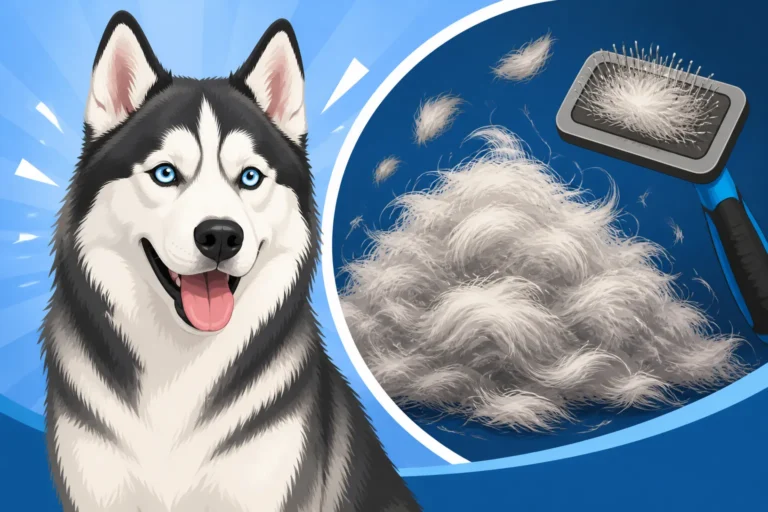
Let's be real: your Siberian Husky isn't just a fur machine twice a year; they're a constant fur machine. Even when they're not actively "blowing" their undercoat, they are still shedding. This often surprises new owners who might assume they only need to worry about grooming during those intense periods. But those little wisps of undercoat, those longer guard hairs you find on your clothes, that's all part of the normal, ongoing cycle. Your Husky's magnificent double coat, designed for extreme cold, is constantly renewing itself.
The double coat consists of two distinct layers: a soft, dense undercoat that provides insulation, and a coarser, water-repellent outer layer made of guard hairs. Both types of hair have a lifespan. The undercoat sheds more dramatically during seasonal changes when the dog needs to adapt to warmer or colder temperatures. However, guard hairs, which protect the undercoat and skin, also fall out and are replaced continuously. This means that while you won't be filling grocery bags with fur every week outside of a blow, you'll always have some level of shedding to manage. It's a fundamental part of the breed's biology, and accepting it is key to developing a sustainable grooming routine. Ignoring it, even for a week, can quickly lead to tangles, mats, and a buildup of dead hair that irritates the skin.
Why Weekly Grooming Is a Must, Not an Option
Considering the continuous nature of Husky shedding, weekly grooming isn't just about tidiness; it's a critical component of your dog's health and well-being. Think of it less as a chore and more as preventative maintenance. By committing to a consistent, weekly routine, you're not just reducing the amount of fur floating around your home; you're actively preventing a host of potential problems before they even start.
First and foremost, regular brushing helps to remove loose undercoat and dead guard hairs before they can form mats. Mats aren't just unsightly; they can pull on the skin, cause discomfort, create hot spots, and even hide skin infections or parasites. Secondly, brushing helps distribute your Husky's natural skin oils, promoting a healthy, shiny coat and nourishing the skin beneath. This natural oil distribution acts like a built-in conditioning treatment, keeping the skin supple and the fur vibrant. Beyond the physical benefits, weekly grooming is an excellent opportunity for you to bond with your Husky. It allows for calm, focused interaction and helps your dog become accustomed to being handled, which is invaluable for vet visits or professional grooming sessions. Lastly, by consistently removing dead hair, you're also reducing dander, which, for some people, can alleviate mild allergy symptoms. While no dog is truly hypoallergenic, managing the amount of loose hair and dander can make a noticeable difference in a household with sensitive individuals.
Essential Tools for Your Weekly Husky Grooming Arsenal
Having the right tools is half the battle when it comes to effectively grooming your Siberian Husky. Trying to tackle their dense double coat with an inadequate brush is like trying to shovel snow with a teaspoon – frustrating and largely ineffective. Investing in a few key items will make your weekly routine much more manageable and productive.
Undercoat Rakes and De-Shedding Tools
For a Siberian Husky, an undercoat rake is your absolute best friend. These tools are specifically designed to penetrate the dense outer guard coat and reach down into the soft, fluffy undercoat, gently pulling out dead and loose hair that would otherwise get trapped and eventually lead to mats. There are various styles available; a wide-toothed rake is great for initial passes on larger body sections, while a finer-toothed rake can get into trickier spots like the "armpits" or behind the ears. You can find excellent options for these types of tools on platforms like Chewy or Amazon, where reviews often highlight durability and effectiveness for specific coat types.
It's crucial to understand how to use these tools correctly. The goal is to remove dead undercoat without damaging the healthy guard hairs. Always brush in the direction of hair growth, using light, long strokes. Avoid digging the rake into the skin or repeatedly going over the same spot aggressively, as this can cause brush burn or irritation. While some tools market themselves as "de-shedding," be wary of those that claim to dramatically reduce shedding in one go, particularly certain blade-style tools like the Furminator. While these can be effective in experienced hands, improper use can cut or damage the guard hairs, which are vital for your Husky's protection and insulation. A damaged guard coat won't grow back correctly, can lead to uneven texture, and can even compromise your Husky's ability to regulate temperature. Stick to a good undercoat rake for routine maintenance; it's safer and more effective for preserving the integrity of that magnificent Husky coat.
Slicker Brushes and Pin Brushes
While undercoat rakes target the dense fluffy layer, slicker brushes and pin brushes play a crucial role in managing the outer guard coat and addressing surface tangles. A slicker brush typically has a flat or curved head with many fine, short wires packed closely together, usually angled. This type of brush is excellent for removing loose guard hairs, surface debris, and for smoothing out the topcoat, giving it that polished look. It's particularly useful after you've thoroughly raked out the undercoat, as it helps to capture any remaining loose hairs on the surface and ensures a sleek finish.
Pin brushes, on the other hand, feature widely spaced wires or plastic pins, often with rubber tips. These are gentler and more forgiving than slicker brushes. They are ideal for general detangling, especially on longer areas like the britches or tail, and for simply going over the entire coat to remove everyday dust, dirt, and loose hairs. For a Siberian Husky, a pin brush is a good choice for daily quick brushes, or for introducing a puppy to the grooming routine as it's less likely to cause discomfort. Neither of these brushes will effectively get into the undercoat like a rake, so they are always used in conjunction with your undercoat rake for a complete weekly grooming session. They are excellent finishing tools that help ensure all layers of your Husky's coat are healthy and free from minor snags.
Nail Trimmers or Grinders
Beyond brushing, proper nail care is non-negotiable for your Husky's comfort and long-term health. Overgrown nails can lead to a host of problems, from painful splayed toes and altered gait to more serious orthopedic issues. When nails get too long, they push back into the nail bed, causing discomfort with every step and putting undue pressure on the paw structure. Eventually, they can curl and grow into the paw pad, leading to infection.
You have a couple of primary options for nail care: trimmers or grinders. Trimmers come in guillotine or scissor styles. Guillotine trimmers are common and effective for most Huskies, while scissor-style trimmers are often preferred for larger, thicker nails. Whichever type you choose, ensure the blades are sharp to make a clean cut. Grinders, like a Dremel tool, use a rotating abrasive to gradually file the nail down. Many owners find grinders less intimidating than trimmers, as they offer more control and reduce the risk of cutting the "quick" – the sensitive blood vessel and nerve that runs through the nail. If your Husky has black nails, which many do, a grinder can be particularly helpful since the quick is invisible. Regular, short sessions with either tool are far better than infrequent, long ones. Aim for nails that do not touch the ground when your Husky is standing naturally.
The Step-by-Step Weekly Grooming Routine
Establishing a consistent, systematic approach to your Husky's weekly grooming will make the process more efficient for you and more comfortable for your dog. It's not about rushing through it, but rather about breaking it down into manageable steps that ensure every part of their magnificent coat and body receives attention.
Starting with a Full Body Rake-Through
The first and most critical step in your weekly grooming session is a thorough rake-through of your Husky's double coat. This is where you'll tackle the bulk of the loose undercoat that's been accumulating. To do this effectively, imagine your Husky's body in sections: start with one side, then the other, move to the back, then the chest and belly. Working systematically ensures you don't miss any spots. Begin with the neck and shoulders, moving down the back and sides, then the chest, belly, and finally the legs and tail.
Use your undercoat rake with long, gentle strokes, always moving in the direction of hair growth. Don't press too hard; the rake should glide through the undercoat, pulling out dead hair without scratching the skin. You'll be amazed at how much fur comes out, even between coat blows. Pay particular attention to "problem areas" where mats commonly form, such as behind the ears, in the "armpits" (the area behind their front legs), and the dense fur on their britches (the fluffy fur on their hind legs). These areas tend to knot up easily due to friction and movement. If you encounter a tangle, don't yank. Gently work it out with your fingers or the very tips of the rake, perhaps using a detangling spray if needed, before continuing with your broader strokes. The key here is patience and making the experience positive for your Husky, perhaps with a few calm words or a small, healthy treat, something from Ollie, for instance, to reward their cooperation. This thorough raking prevents mats, improves air circulation in the coat, and removes debris that might be trapped deep within.
Following Up with a Slicker or Pin Brush
Once you've completed the full body rake-through and removed the majority of the loose undercoat, it's time to switch to a slicker or pin brush. This step serves a couple of important purposes: it helps to capture any remaining loose guard hairs that the rake might have missed, and it smooths and polishes the outer coat, giving your Husky that sleek, finished look. The type of brush you choose depends on your Husky's specific coat texture and your preference, but both are designed for surface work rather than deep undercoat removal.
Use the slicker or pin brush with confident, flowing strokes over your Husky's entire body. You'll likely notice fewer hairs coming out at this stage compared to the raking, but it's still an important step for cleanliness and appearance. This is also a good opportunity to perform a final check for any lingering tangles that may have become more apparent now that the undercoat is thinned out. Pay close attention to the longer fur on the tail, the feathery bits on the legs, and around the ruff, ensuring they are free of snags. Beyond just hair removal, this gentle brushing action can stimulate the skin and help distribute natural oils, contributing to a healthier and shinier topcoat. By consistently doing this, you're not only keeping their coat in tip-top condition but also fostering a routine of calm physical interaction that reinforces your bond.
Addressing Nails, Ears, and Teeth
Grooming isn't just about the fur; it’s about a head-to-tail wellness check that includes their nails, ears, and teeth. Integrating these tasks into your weekly routine, or at least checking them weekly even if the actual task isn't performed as often, ensures no small issue goes unnoticed and develops into a bigger problem.
Nails: For nails, ideally, you should be able to hear them just barely clicking on hard floors, or not at all. If you hear a distinct click-clack, they're too long. Using either trimmers or a grinder, carefully trim or file down the nails. Remember to only take small amounts off at a time to avoid hitting the quick. If you do accidentally nick the quick, don't panic; have styptic powder on hand to stop the bleeding. Many Huskies have dark nails, making the quick harder to see, which is why frequent, small trims or grinding is safer. Consistent weekly checks mean you’re staying on top of growth and preventing discomfort.
Ears: Siberian Huskies have erect ears, which typically have good air circulation and are less prone to infections than floppy-eared breeds. However, weekly checks are still essential. Gently lift the ear flap and visually inspect the ear canal. Look for any redness, swelling, excessive wax buildup, or discharge. Also, take a sniff – a foul odor is often the first sign of an ear infection. If you see dirt or a little wax, you can gently wipe the visible parts of the ear with a soft cloth or a cotton ball lightly moistened with a veterinarian-approved ear cleaner. Never use cotton swabs deep inside the ear canal, as this can push debris further in or damage delicate structures. If you notice persistent redness, discharge, or a strong odor, it's time for a vet visit. For more detailed insights, you can read Siberian Husky Dental and Ear Care.
Teeth: Dental hygiene is often overlooked but is incredibly important for your Husky's overall health. Just like in humans, plaque and tartar buildup can lead to gum disease, pain, and even systemic health issues. While a full professional dental cleaning under anesthesia is necessary periodically, daily or weekly brushing at home can significantly extend the time between these cleanings. Use a dog-specific toothbrush and toothpaste (never human toothpaste). Even a few minutes of brushing, focusing on the outside surfaces of the teeth, can make a difference. Start slow and make it a positive experience with praise and rewards. If brushing isn't feasible, dental chews or water additives can offer some benefit, but nothing replaces mechanical brushing. Keep an eye out for bad breath, red or swollen gums, or visible tartar, as these are all signs that professional attention might be needed soon. The article Siberian Husky Dental Disease by Age Five offers more specific information on preventing and managing these issues.
Common Grooming Challenges and How to Overcome Them
Grooming a Siberian Husky isn't always a walk in the park. Their independent nature, high energy, and dense coat can present unique challenges. However, with the right approach, patience, and persistence, you can turn grooming into a positive and even enjoyable experience for both of you.
Dealing with Matting and Tangles
Even with a consistent weekly grooming schedule, you might still encounter tangles and mats, especially in certain areas or during seasonal transitions. The key to tackling mats effectively is prevention and a gentle approach. The best defense against matting is indeed consistent, thorough brushing with your undercoat rake. By removing dead undercoat regularly, you're eliminating the material that forms the core of most mats. However, if you find a mat, resist the urge to pull or yank it out aggressively. This will only cause pain and make your Husky fearful of future grooming.
Instead, arm yourself with patience, a good detangling spray (dog-specific, of course!), and a matting comb or a sturdy metal comb with varying tooth widths. Start by spritzing the mat generously with the detangling spray. Then, use your fingers to gently try and pull the mat apart from the edges, working your way towards the center. Once you've loosened it somewhat, use the wider teeth of your comb to pick at the mat, working slowly and holding the skin at the base of the mat to prevent pulling. If the mat is very tight and close to the skin, it might be safer to carefully cut it out with blunt-nosed scissors, always pointing the tips away from the skin, or better yet, using a mat splitter tool. For severe or extensive matting, especially those causing skin irritation, don't hesitate to consult a professional groomer or your vet. They have specialized tools and expertise to remove mats safely and with minimal discomfort for your dog. For specific insights into particular areas prone to matting, consider reading Matting Behind a Siberian Husky's Ears.
Handling a Reluctant Husky
It’s completely normal for some Huskies to be less than thrilled about grooming time. Their independent spirit means they often have their own ideas about how they want to spend their time, and standing still for brushing might not be high on that list. However, consistent grooming is vital, so teaching them to tolerate and even enjoy it is crucial. The most effective strategy starts with positive reinforcement and making grooming a rewarding experience.
Begin with very short sessions, even just a minute or two, especially if you have a puppy. Introduce the brushes gently, letting your Husky sniff them before touching their coat. Pair every touch, every stroke, with high-value treats and calm, reassuring praise. If your Husky tolerates a few strokes on their back, reward them. If they allow you to brush a leg, reward them. Gradually increase the duration of the sessions as their comfort grows. Avoid any forceful handling or punishment, as this will only create negative associations and make future grooming more difficult. If they show signs of stress or fear (tensing, trying to escape, growling), take a break and try again later, starting with an even shorter session. For adult Huskies who are already wary, you might need to reintroduce brushes as if they're entirely new, building positive associations from scratch. Consistency, patience, and delicious rewards (like those from Ollie, perhaps!) are your best tools here. Making grooming a calm, bonding experience, rather than a confrontation, will go a long way in turning a reluctant Husky into a cooperative one.
Minimizing Shedding in Your Home
Even with a diligent weekly grooming routine, living with a Siberian Husky means living with some amount of fur. It's a reality every Husky owner accepts, but there are definitely strategies you can employ to minimize the impact of their shedding on your home environment. The goal isn't necessarily a fur-free house – that's often an impossible dream – but rather to keep it manageable and prevent hair from becoming embedded in every surface.
Beyond the brushing itself, investing in the right cleaning tools is paramount. A high-quality vacuum cleaner designed for pet hair is a game-changer. Look for models with strong suction, good filtration (like a HEPA filter), and specialized attachments for upholstery and tight corners. Regular vacuuming, even daily during heavier shedding periods, will prevent hair from building up. You might be interested in Vacuums That Handle Siberian Husky Undercoat for specific recommendations. For quick clean-ups on clothes or furniture, lint rollers are your best friend. Keep them strategically placed around the house and in your car. Speaking of cars, protecting car seats with durable, washable covers can save you a lot of effort in trying to remove embedded fur from upholstery. Furthermore, consider using throws or blankets on your furniture that can be easily removed and washed. Even strategic fabric choices in your home, favoring smoother materials over highly textured ones, can help. By combining proactive grooming with smart cleaning habits, you can keep your home feeling much cleaner, even with a magnificent shedding machine like a Husky living there. And for those stubborn spots in your vehicle, Siberian Husky Hair in Car Seats and Vents can offer further advice.
Bathing a Siberian Husky Between Coat Blows
Bathing a Siberian Husky is a task many owners approach with trepidation, and for good reason. Their dense double coat can be challenging to wet thoroughly, rinse completely, and dry fully. While not a weekly task, knowing when and how to bathe your Husky between their major coat blows is an important skill to master.
When (and How Often) to Bathe
One of the great characteristics of the Siberian Husky coat is its self-cleaning nature. Huskies generally don't have a strong "doggy odor" and their coats are surprisingly adept at repelling dirt and grime. This means they do not need frequent bathing, certainly not weekly. In fact, over-bathing can do more harm than good. Each bath, even with gentle shampoo, strips away some of the natural oils that protect their skin and keep their coat healthy and water-resistant. Stripping these oils too often can lead to dry, itchy skin, and a dull, unhealthy coat that is more prone to matting.
So, when should you bathe your Husky? The general rule is: only when necessary. This means when they are genuinely dirty – perhaps they've rolled in something smelly, gotten into mud, or their coat feels greasy or grimy. For most pet Huskies, this might mean a bath every few months, or even less frequently if they manage to stay relatively clean. It's certainly not something you'd typically integrate into a weekly routine. If your Husky has a skin condition that requires medicated baths, your veterinarian will provide a specific bathing schedule. Otherwise, rely on your weekly brushing to keep their coat clean and healthy, and save the full bath for when it's truly unavoidable. More details on this can be found in Bathing a Siberian Husky and How Rarely.
The Right Products and Techniques
When the time does come for a bath, using the right products and techniques is crucial for a Siberian Husky. Their dense double coat requires a different approach than many other breeds. First, always use a high-quality shampoo specifically formulated for dogs. Human shampoos have a different pH balance and can irritate a dog's skin. Look for gentle, moisturizing shampoos, perhaps with oatmeal or soothing ingredients if your Husky has sensitive skin. A good conditioner can also be beneficial, especially after shampooing, to help restore moisture and soften the coat, making it easier to comb through after drying.
Before applying shampoo, ensure your Husky's coat is thoroughly wet down to the skin. This can take longer than you'd expect due to their water-repellent guard hairs. Use lukewarm water and work the shampoo gently through the coat, making sure to lather up every area, including the belly and legs. The most critical step is rinsing. You must rinse, rinse, and then rinse again. Any residual shampoo left in the undercoat can cause skin irritation, flakiness, and hot spots. It often feels like you've rinsed enough, but with a Husky, you probably haven't. Keep rinsing until the water runs clear and you can't feel any slickness on the fur when you squeeze it. For specific concerns about deep cleaning, especially regarding thorough drying, Drying a Siberian Husky to the Skin provides valuable insights.
Drying Your Husky Properly
After the bath, drying a Siberian Husky isn't just about getting them to stop dripping; it's about getting their double coat completely dry, down to the skin. This step is arguably more important than the bathing itself, as an improperly dried Husky coat can lead to serious skin issues. Trapped moisture in the dense undercoat creates a perfect breeding ground for bacteria and fungi, leading to hot spots, skin infections, and a generally miserable dog. For comprehensive guidance, be sure to check out Whether a Wet Siberian Husky Undercoat Causes Hot Spots.
The gold standard for drying a Siberian Husky is a high-velocity dog dryer, also known as a force dryer. These powerful dryers blow air at high speed (without heat) to literally "force" the water out of the coat and lift the undercoat, separating it for quicker drying. If you don't have access to one, thoroughly towel-dry your Husky as much as possible, pressing out water rather than rubbing vigorously (which can create tangles). Then, consider using a human hairdryer on a cool or low-heat setting, making sure to keep it moving and not concentrating heat in one spot. A powerful fan or even having your Husky air dry in a warm, dry room can also work, but it will take much longer, and you'll need to periodically brush through their coat to help air circulate and prevent matting as it dries. Regardless of the method, make absolutely sure every layer of their coat, particularly the undercoat closest to the skin, is completely dry before they are allowed to go about their day. This diligence will prevent discomfort and health problems.
Specialized Care Considerations
Beyond the routine brushing and occasional bathing, there are a few specialized care considerations that Husky owners should keep in mind to ensure their dog's overall health and comfort. These often get overlooked but play a significant role in maintaining the well-being of a breed known for its resilience and activity levels.
Paw Pad and Joint Health
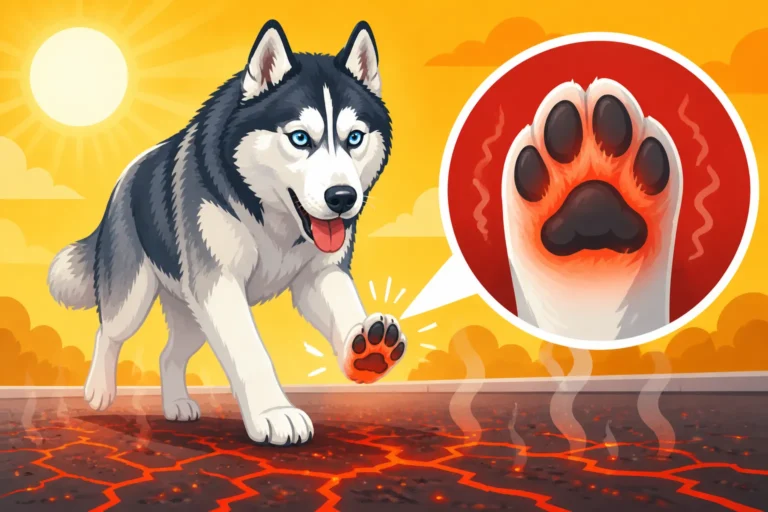
Your Siberian Husky's paws are their primary mode of transportation, especially if they're an active dog who loves to run, hike, or even engage in harness sports. As such, their paw pads deserve specialized attention. During your weekly grooming checks, always inspect their paw pads thoroughly. Look for any cuts, cracks, punctures from sharp objects, or excessive dryness. The pads should be tough but supple. In harsh weather, especially during winter with ice and road salt, or hot summers with scorching pavement, their pads can suffer. Siberian Husky Paw Care Through Snow and Salt offers excellent guidance on protecting them.
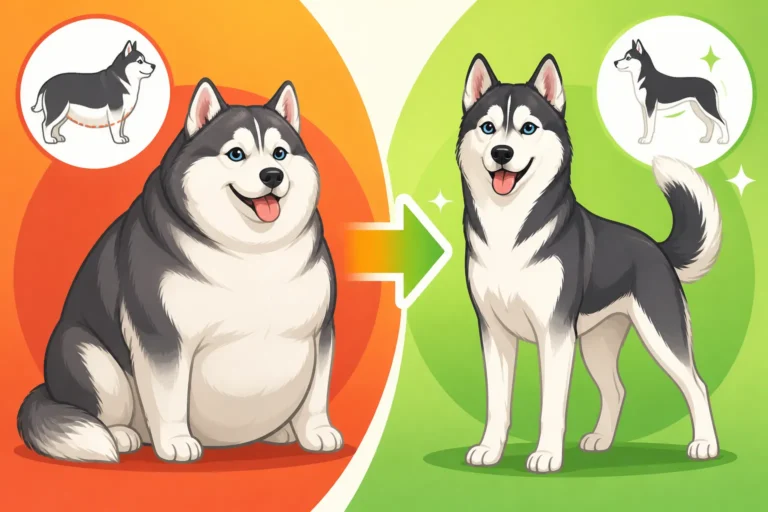
You might notice hair growing between their paw pads. While not as critical to trim as in some other breeds, if this hair gets too long, it can collect debris, snow, or ice, and become matted, causing discomfort. Carefully trim this excess hair flush with the pads using blunt-nosed scissors. Beyond the pads, consider your Husky's joints. As an active breed, maintaining healthy joints is paramount for their quality of life. Regular exercise, maintaining a healthy weight, and providing a high-quality diet are foundational. Pay attention to how they move; any limping, stiffness, or reluctance to jump or run could be signs of joint discomfort and warrant a veterinary check-up. Integrating paw massages during grooming can also promote circulation and provide another opportunity to bond.
Monitoring Skin and Coat Health for Issues
Your weekly grooming session is more than just about removing hair; it's a vital opportunity to conduct a thorough visual and tactile inspection of your Husky's skin and coat. You'll be touching almost every inch of their body, making it the perfect time to detect any abnormalities that might indicate a developing health issue. Look for anything out of the ordinary: areas of redness, inflammation, flakiness, excessive dryness, or oiliness. Feel for any new lumps, bumps, or crusts on the skin. Notice any bald spots, thinning patches, or changes in coat texture that aren't typical for your Husky.
Excessive scratching, licking, or chewing can be indicators of underlying skin irritation, allergies, or even parasites that might not be visible at first glance. Be particularly vigilant for conditions like zinc-responsive dermatosis, which Siberian Huskies are predisposed to. Symptoms often include crusting, scaling, and hair loss around the eyes, muzzle, and pressure points. If you spot anything concerning, like the specific "crusting skin" pattern on their face described in Crusting Skin on a Siberian Husky's Face or need to differentiate it from other issues, as discussed in Telling Husky Zinc Dermatosis From an Allergy, it's important to consult your veterinarian promptly. Early detection of skin and coat problems can often lead to quicker and more effective treatment, preventing minor issues from escalating into more serious conditions.
Nutrition's Role in a Healthy Coat
While external grooming tackles the surface, the true foundation of a healthy, lustrous coat and supple skin lies within: proper nutrition. What you feed your Siberian Husky directly impacts the quality of their fur and the health of their skin barrier. A diet lacking essential nutrients can manifest as a dull, dry, brittle coat, excessive shedding, or even various skin conditions.
A high-quality, balanced diet is paramount. Look for dog foods that list a named meat source as the first ingredient and contain appropriate levels of protein and healthy fats. Omega-3 and Omega-6 fatty acids, often found in fish oils (salmon oil, for example), are particularly beneficial for skin and coat health, helping to reduce inflammation, promote a strong skin barrier, and add a beautiful sheen to the fur. Some owners even incorporate specific supplements if recommended by their vet. For Huskies prone to zinc-responsive dermatosis, dietary zinc levels and absorption are especially crucial. While a balanced diet is important, some Huskies simply don't absorb zinc effectively from food alone and may require supplementation, as explored in articles like Zinc-Rich Food for a Siberian Husky. Even for general coat health, consider options like fish-based foods, which are often excellent sources of the beneficial oils that promote a vibrant coat, as detailed in Fish-Based Food for a Siberian Husky Coat. Always discuss any significant dietary changes or supplementation with your veterinarian to ensure it's appropriate for your individual Husky's needs.
The Long-Term Benefits of Consistent Grooming
Beyond the immediate satisfaction of a tidy house and a well-kept dog, consistent weekly grooming offers a wealth of long-term benefits that contribute significantly to your Siberian Husky's overall health, happiness, and your relationship with them. It's an investment of your time that pays dividends in multiple ways.
Stronger Bond and Trust
One of the most profound benefits of regular, positive grooming sessions is the strengthening of the bond between you and your Siberian Husky. When grooming is approached with patience, gentleness, and positive reinforcement, it transforms from a potential chore into a shared, intimate experience. Your Husky learns to trust your touch, to relax in your presence, and to associate being handled with comfort and rewards. This shared activity builds a deeper level of communication and understanding.
Think about it: during these quiet moments, you're not asking them to perform a trick or adhere to a command. You're simply caring for them, providing comfort, and demonstrating your commitment to their well-being. This non-demanding, physical interaction fosters a sense of security and affection. A Husky that is comfortable with being handled during grooming will also be more cooperative during vet visits, nail trims, or any situation where they need to be examined. This trust extends beyond the grooming table, enriching every aspect of your relationship and creating a more harmonious household.
Early Detection of Health Issues
Your hands are often the first line of defense in detecting potential health problems in your Siberian Husky. Because you're systematically running your hands over nearly every inch of their body during weekly grooming, you're uniquely positioned to notice subtle changes that might otherwise go unnoticed. This regular physical inspection allows for the early detection of a wide range of issues.
You might feel a new lump or bump under the skin, spot a patch of dry or irritated skin that wasn't there last week, or notice a change in the texture of their coat. You could uncover a hidden tick, a developing hot spot, an ear infection just beginning to brew, or even dental problems like swollen gums. Catching these issues early often means they are easier, less invasive, and less costly to treat. A small lump found early might be benign, but waiting until it's larger could mean a more complex diagnostic process. This proactive approach to health monitoring, built directly into your grooming routine, can literally be a lifesaver, allowing your veterinarian to intervene before a minor issue becomes a major crisis.
A Happier, Healthier, and More Comfortable Husky
Ultimately, the most significant long-term benefit of consistent weekly grooming is contributing to a happier, healthier, and more comfortable Siberian Husky. A well-groomed coat is more than just aesthetically pleasing; it's a testament to good health and responsible ownership.
A Husky free from mats and tangles experiences no pulling or irritation on their skin. Clean ears are less likely to harbor infections, and properly trimmed nails prevent painful foot issues that can impact their mobility and joy in running. When their coat is healthy, free of excess dead undercoat, it can perform its natural function of insulating and protecting them more effectively, helping them stay comfortable in varying temperatures. Beyond the physical aspects, a Husky who is comfortable with being handled and groomed is generally a more confident and relaxed dog. They are less stressed by necessary examinations and more at ease in their own skin. This foundational level of comfort and care translates directly into a higher quality of life, allowing your Siberian Husky to thrive and enjoy every adventure by your side.
| Task | Primary Tool(s) | Frequency | Key Benefit |
|---|---|---|---|
| Full Body Rake-Through | Undercoat Rake | Weekly | Removes dead undercoat, prevents matting, improves air circulation |
| Surface Brush | Slicker/Pin Brush | Weekly | Removes loose guard hairs, smooths coat, distributes oils, final polish |
| Nail Trim/Grind | Nail Clippers or Grinder | Every 1-2 weeks (as needed) | Prevents discomfort, splayed toes, and orthopedic issues |
| Ear Check | Cotton ball/cloth & cleaner | Weekly | Detects infections, excessive wax, or foreign objects early |
| Teeth Brush | Dog toothbrush & toothpaste | Daily/Weekly | Reduces plaque & tartar, prevents gum disease, improves breath |
| Paw Pad Inspection | None (visual/tactile) | Weekly | Checks for cuts, cracks, debris; maintains paw health |
| Skin/Body Check | None (visual/tactile) | Weekly | Early detection of lumps, bumps, skin irritation, parasites |
Disclaimer
This article is for general informational purposes only and does not constitute professional advice. Laws, prices and regulations vary by location and change over time. Consult a qualified professional for guidance on your specific situation.