Crusting Skin on a Siberian Husky’s Face
It’s truly unsettling when you notice crusty, scaly patches appearing on your beloved Siberian Husky’s face. These aren't just cosmetic issues; they can be uncomfortable, itchy, and a sign of underlying health problems that need attention. This guide will walk you through the most common reasons your Husky might be developing crusting skin around their muzzle, eyes, or ears, and what steps you can take with your veterinarian to get them feeling better.
Understanding Why Your Siberian Husky's Face Might Be Crusting
When you see crusting skin on your Siberian Husky's face, it's natural to immediately worry. Is it an allergy? Is it something more serious? Huskies, with their unique genetics and double coats, can be prone to specific dermatological conditions that manifest in these frustrating ways. It’s never just "dry skin" with these guys; there's always a reason, and often, it's something breed-specific that your average vet might not see every day.
Zinc-Responsive Dermatosis: A Breed-Specific Challenge
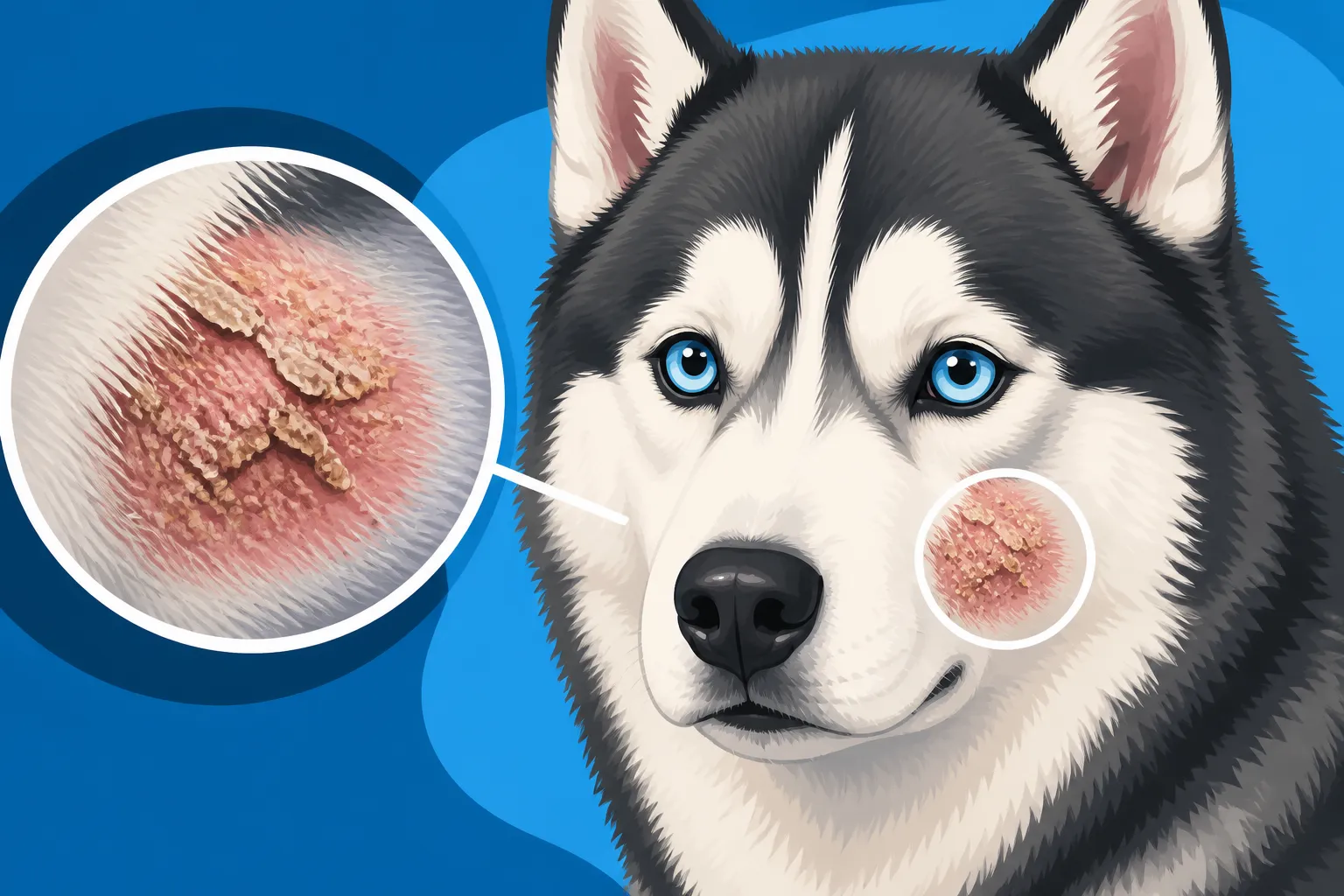
One of the most common culprits for crusting skin, especially around the face, in Siberian Huskies is a condition called Zinc-Responsive Dermatosis (ZRD). This isn't just about whether you're feeding a "good" diet; it's about how your Husky's body processes zinc. Even with high-quality kibble, some Huskies struggle to absorb enough zinc, leading to a deficiency that directly impacts their skin health. The first places you'll often notice these tell-tale crusts are around the eyes, the bridge of the nose, the muzzle, and sometimes on the ear flaps.
Imagine your Husky, typically so vibrant and playful, starting to look a bit dull, with flaky, thick patches developing right where they're trying to sniff and interact with the world. It's heartbreaking to see, and it can be quite uncomfortable for them. These crusts can become quite hard and adherent, sometimes even cracking and bleeding, especially if your Husky tries to rub or scratch at the area. It’s not uncommon for these lesions to also appear on their paw pads or even around their genitals, making the condition widespread and incredibly irritating. Many owners initially assume it's an allergy to food or pollen, but often, the reality is a metabolic issue with zinc absorption. Understanding Why a Siberian Husky Crusts Around the Muzzle is crucial, as this condition requires specific intervention, not just a diet change. You might be surprised to learn Why a Balanced Diet Does Not Fix Husky Zinc Loss.
Autoimmune Skin Conditions
Beyond zinc issues, Siberian Huskies are also unfortunately predisposed to certain autoimmune skin conditions where their own immune system mistakenly attacks healthy skin cells. These can be particularly challenging to diagnose and manage, often requiring specialized veterinary care.
Pemphigus Foliaceus is one such condition that can cause crusting, pustules, and scabs, often starting on the face, around the eyes, ears, and nose. These lesions can spread to other parts of the body, including paw pads, and can be quite painful. It's like their skin is constantly fighting itself, leading to persistent inflammation and crust formation. Another, though less common, autoimmune disease with skin manifestations is Uveodermatologic Syndrome, which can affect both the eyes and the skin, sometimes leading to Whitening Lips and Eyelids in a Siberian Husky alongside crusting around the eyes. If you’re seeing crusting pustules, especially on the ears, it’s vital to get your vet involved quickly to rule out or diagnose conditions like Crusting Pustules on a Siberian Husky's Ears. These conditions require a precise diagnosis, often involving skin biopsies, and typically need lifelong management with immunosuppressive medications. These types of diagnostic tests and ongoing medications can certainly add up, making pet insurance, like a plan from Healthy Paws, a consideration for many owners.
Other Common Skin Irritations and Infections
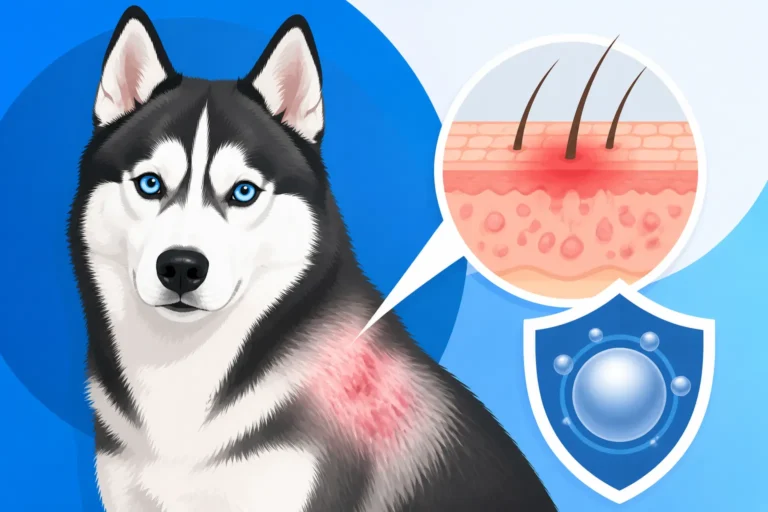
Of course, not every crusty patch is a rare or breed-specific disease. Huskies, like any dog, can suffer from more common skin issues. Allergies – whether environmental (like pollen or dust mites) or food-related – can cause intense itching, leading your Husky to scratch, lick, and rub their face, which in turn causes skin irritation, redness, and secondary crusting from self-trauma or infection. Bacterial or yeast infections can then take advantage of this compromised skin barrier, creating further crusts, pustules, and an unpleasant odor.
Imagine your Husky relentlessly scratching at their chin or rubbing their face along the carpet. This constant irritation breaks the skin, allowing normal skin bacteria to overgrow and cause a secondary infection. Sometimes, these infections can be superficial, responding well to topical treatments, while other times, oral antibiotics or antifungals are needed. It's a frustrating cycle for both you and your dog, trying to figure out if it's the primary allergen causing the itch, or the secondary infection causing the visible crusts. Regular check-ups are important; a visit to your vet for Siberian Husky Vet Visits by Life Stage can help catch these issues early.
Recognizing and Differentiating the Specific Symptoms
Observing the precise location, appearance, and progression of the crusting can offer important clues for your veterinarian. It’s not just "crusts" – the type of crust, where it appears, and what other symptoms accompany it can point to very different underlying issues.
Location and Appearance of Crusts
With Zinc-Responsive Dermatosis, the crusts often have a very characteristic appearance: thick, adherent, and usually grayish-yellow or brownish. They'll typically be symmetrical and found around the eyes, on the bridge of the nose, the muzzle (especially around the lips), and the ear tips. Sometimes they look like thick scales rather than true crusts. When these crusts are pulled off, the underlying skin can be red, raw, and even bleeding, signifying the intense inflammation happening beneath. You might also notice hair thinning or loss in these areas. For many Huskies, this condition often starts when they are young adults, usually around The Age Husky Zinc Dermatosis Starts.
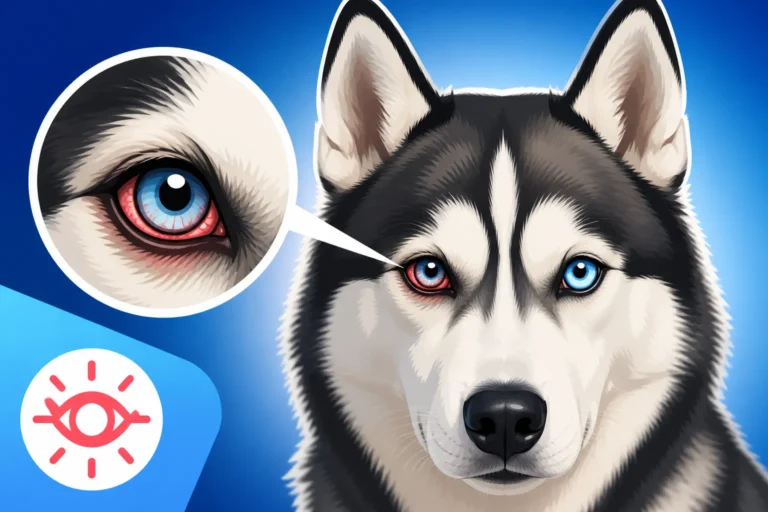
In contrast, Pemphigus Foliaceus often presents with pustules (small pus-filled bumps) that quickly rupture, forming yellowish-brown crusts. These might be more randomly distributed but frequently start on the face, particularly around the eyes and ears. The skin underneath these crusts can be very red and inflamed. With Uveodermatologic Syndrome, the crusting around the eyes might be accompanied by changes in eye color or inflammation, and importantly, pigment loss on the nose, lips, or eyelids, which can look like your Husky is turning ghostly white in those areas. This pigment loss, coupled with crusting, is a strong indicator of this particular autoimmune response. You'll want to read about A Siberian Husky Nose That Loses Its Color and Why Husky Uveodermatologic Syndrome Threatens Sight to understand the full scope.
For allergies or superficial infections, the crusts might be less uniform, often developing in areas where the dog scratches most intensely. These can be more irregular, perhaps smaller and more flaky, and might be accompanied by redness, swelling, and a greasy feel to the fur. The skin itself might be visibly irritated, hot to the touch, and you might see generalized itching or licking.
Accompanying Behavioral and Systemic Signs
Beyond the visible skin lesions, your Husky might display other signs that something is amiss. With any itchy skin condition, excessive scratching, rubbing their face on furniture or the ground, or pawing at their ears or muzzle are common. This constant irritation can lead to broken skin, secondary bacterial or yeast infections, and a general feeling of discomfort. A Husky constantly focused on scratching is a miserable Husky.
If the condition is more severe, like an autoimmune disease or a widespread infection, you might notice systemic signs. Your Husky could become lethargic, lose their appetite, or show signs of pain when touched, especially around the affected areas. Fever, swollen lymph nodes, or a general malaise can accompany serious skin problems. It’s crucial to pay attention to these subtle changes in behavior and energy levels, as they can indicate a more serious underlying health issue beyond just skin deep. Any deviation from your Husky’s normal vibrant self warrants a call to your veterinarian.
Comprehensive Veterinary Diagnosis and Treatment Approaches
When you bring your Husky to the vet with crusting skin, it's not a quick fix. Your veterinarian will need to be a bit of a detective, gathering clues from the appearance of the lesions, your Husky's medical history, and various diagnostic tests. Self-treating or delaying a vet visit can worsen the condition, prolong your Husky's discomfort, and make definitive diagnosis more challenging.
The Diagnostic Process: From Skin Scrapes to Biopsies
Your vet will start with a thorough physical examination, looking closely at the lesions, their distribution, and any other symptoms your Husky is showing. They’ll ask you detailed questions about when the crusts first appeared, if they’re itchy, what your Husky eats, and if there have been any changes in their environment or routine. This initial conversation is incredibly important for narrowing down the possibilities.
Next, a series of diagnostic tests will likely be performed. These typically include:
- Skin Scrapes: Your vet will gently scrape a small sample from the affected area to examine under a microscope for parasites like mites (e.g., Demodex or Sarcoptes), which can cause crusting and itching.
- Cytology: A sample is taken from the skin (either by impression, tape strip, or swab) and stained to look for bacteria and yeast. This helps determine if a secondary infection is present and what type it is, guiding the choice of medication.
- Fungal Cultures: If a fungal infection (like ringworm) is suspected, a hair and skin sample might be sent to a lab to grow out any fungi.
- Bloodwork: While not directly diagnostic for skin conditions, blood tests can provide a general health picture and check for underlying issues like thyroid disease, which can sometimes impact skin health. For Huskies, specifically, thyroid issues are something to watch, as discussed in Siberian Husky Thyroid and Autoimmune Disease.
- Zinc Levels: For suspected Zinc-Responsive Dermatosis, your vet might recommend checking blood zinc levels, although sometimes a therapeutic trial of zinc supplementation is initiated based on clinical signs, as blood levels aren't always definitive.
- Skin Biopsy: This is often the gold standard for diagnosing autoimmune conditions like Pemphigus Foliaceus or Uveodermatologic Syndrome. A small piece of affected skin is surgically removed and sent to a specialized veterinary pathologist for examination. This helps definitively identify the type of immune response happening in the skin. Diagnosing these complex issues correctly is paramount, and these tests can be costly. This is where a robust pet insurance policy, such as those offered by Healthy Paws, can really make a difference in alleviating the financial burden of comprehensive care.
Tailored Treatment Plans for Specific Conditions
Once a diagnosis is reached, your veterinarian will develop a targeted treatment plan. This isn't a one-size-fits-all approach, as the treatments for ZRD, autoimmune diseases, or allergies are vastly different.
- For Zinc-Responsive Dermatosis: The primary treatment is zinc supplementation. This usually involves specific zinc compounds (like zinc methionine or zinc sulfate) given orally, often for life. The dosage needs to be carefully managed by your vet, as too much zinc can also be harmful. While diet can play a small role, for a true ZRD Husky, Zinc Supplementation for a Siberian Husky is almost always necessary. It's important to remember that this isn't a quick fix; it can take several weeks for the skin to show significant improvement. Your vet will guide you on the appropriate Zinc Doses Used in Siberian Huskies and if Whether a Husky Needs Zinc for Life.
- For Autoimmune Diseases (e.g., Pemphigus Foliaceus, Uveodermatologic Syndrome): These conditions typically require immunosuppressive medications, most commonly corticosteroids (like prednisone). These drugs reduce the immune system's attack on the skin. In some cases, other immunosuppressants might be used in conjunction with or instead of steroids to minimize side effects. These treatments are often lifelong, and managing them requires careful monitoring by your vet to balance efficacy with potential side effects. The good news is that with proper management, many Huskies can live comfortably.
- For Allergies: Treatment often involves a multi-modal approach. This could include identifying and avoiding allergens (if possible), antihistamines, omega-3 fatty acid supplements for skin barrier health, medicated shampoos to soothe and treat secondary infections, and potentially immunotherapy (allergy shots). For severe cases, newer medications that target the itch pathway, like Apoquel or Cytopoint, can provide significant relief.
- For Bacterial or Yeast Infections: These are typically treated with appropriate antibiotics or antifungals, either orally or topically (or both). Medicated shampoos containing ingredients like chlorhexidine or miconazole are often very effective in managing these superficial infections and preventing recurrence.
It is crucial to follow your veterinarian's instructions precisely, especially with lifelong medications. Never stop or adjust medication without consulting them. Regular follow-up appointments will be necessary to monitor your Husky's progress and adjust treatment as needed.
Long-Term Management and Supportive Care
Living with a Siberian Husky prone to skin issues, whether it's ZRD, an autoimmune condition, or chronic allergies, means committing to ongoing care. It's not just about treating the immediate flare-up, but also about creating a supportive environment and routine that minimizes future problems and keeps your Husky comfortable.
Environmental and Dietary Adjustments
For Huskies with allergies, trying to minimize exposure to known allergens can be immensely helpful. This might mean more frequent vacuuming, using air purifiers, wiping down your Husky's paws after outdoor excursions, or switching to a novel protein diet if food allergies are suspected. While dietary changes won't fix Zinc-Responsive Dermatosis, a high-quality, balanced diet is always the foundation of good health. Discussing dietary options with your vet, especially if your Husky has other sensitivities, is a smart move.
Even for conditions requiring medication, maintaining a clean and healthy skin barrier can reduce the incidence of secondary infections. Using gentle, veterinary-recommended shampoos and conditioners, avoiding harsh grooming products, and keeping your Husky’s coat well-groomed (though never shaved!) can all contribute to better skin health. Remember, a good preventative routine can save you a lot of headache and your Husky a lot of discomfort.
Regular Monitoring and Ongoing Veterinary Partnership
Because many of these conditions require lifelong management, a strong partnership with your veterinarian is essential. Regular check-ups allow your vet to monitor your Husky’s skin, assess the effectiveness of current treatments, and catch any potential relapses or side effects early. For conditions like Zinc-Responsive Dermatosis, your vet might suggest periodic retesting of zinc levels, or simply adjust the Zinc Supplement Costs for a Siberian Husky dose based on clinical signs. For autoimmune diseases, blood tests may be needed to monitor organ function, especially if your Husky is on immunosuppressants.
It's also important to be vigilant at home. Routinely inspect your Husky’s face, ears, and paws for any new crusts, redness, or signs of discomfort. Keep a journal of flare-ups, noting down potential triggers, and how your Husky responds to different interventions. This information can be invaluable for your vet in fine-tuning their care plan. Remember, treating conditions like Treating Husky Zinc Dermatosis as a Standing Bill can be ongoing, and having a good pet insurance plan from a company like Healthy Paws can help cover these recurring veterinary expenses, from specialist visits to the cost of continuous medication. Their coverage can truly provide peace of mind for managing long-term health issues.
Quality of Life Considerations
Ultimately, the goal is to ensure your Siberian Husky enjoys the best possible quality of life. Even with chronic conditions, many Huskies can thrive with proper management. This includes not just physical care, but also emotional support. A dog dealing with itchy or painful skin can become irritable or withdrawn. Continue to provide them with plenty of exercise, mental stimulation, and affection.
If their vision is affected by an eye-related skin condition, or if medication causes side effects like increased thirst or appetite, adjust your routine accordingly. Provide easy access to water, maintain consistent feeding times, and ensure their environment is safe and predictable. A happy Husky is one who feels loved and cared for, even when facing health challenges.
Disclaimer
This article is intended for informational purposes only and is not a substitute for professional veterinary advice. Always consult with a qualified veterinarian for any health concerns or before making any decisions related to your Siberian Husky's care.