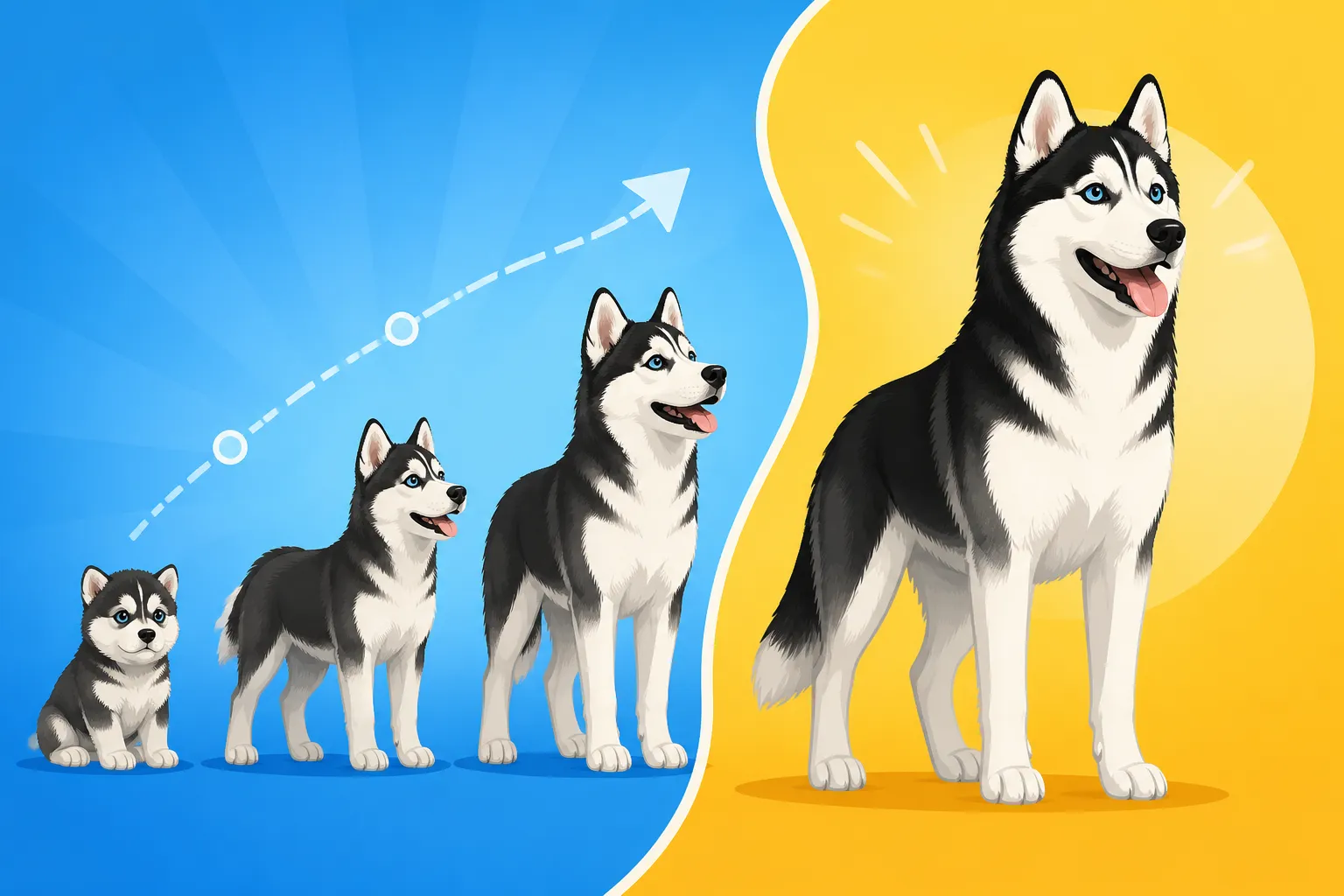
When a Siberian Husky Stops Growing
It's a common question for any new Siberian Husky parent: "When will my fluffy land shark finally stop growing?" You watch them sprout seemingly overnight, their paws looking comically large one week and perfectly proportionate the next, and you might worry if they're developing correctly or if that awkward teenage phase will ever end. This comprehensive guide will walk you through the fascinating journey of a Siberian Husky's physical and mental development, helping you understand the milestones from tiny pup to a majestic, fully mature adult.
Understanding the Siberian Husky Growth Timeline
Watching a Siberian Husky grow is a journey filled with rapid changes, awkward phases, and finally, a graceful transition into adulthood. Unlike some breeds, Siberians don't just grow outward; they also "fill out" considerably over time, developing their distinctive strong, lean build.
Rapid Puppy Growth Phase 0-6 Months
From the moment you bring home your tiny, adorable fluffball, you'll witness an astonishing rate of growth. In these first six months, your Siberian Husky puppy will experience their most significant increases in both height and weight. It's a period where their bones are rapidly extending, and they often look quite lanky and disproportionate – all legs and ears! This is a critical time for skeletal development. Their bones are growing at an incredible speed, and their growth plates (soft areas at the ends of long bones) are wide open, making them susceptible to injury from over-exertion or improper nutrition.
During this stage, you'll see weekly, sometimes daily, changes. Their puppy fluff will gradually start to give way to a denser, coarser coat, and their eyes, if not blue from the start, might still be shifting color. They need a high-quality puppy food, but it's crucial not to overfeed them in an attempt to make them grow faster. Too much protein or calcium can actually lead to developmental orthopedic issues later on. The goal is steady, healthy growth, not accelerated bulk. This early stage also marks important developmental The Health Milestones of a Siberian Husky Year by Year, setting the foundation for their adult size and health.
Continued Maturation and Filling Out 6-18 Months
Once your Siberian Husky passes the six-month mark, the dramatic vertical growth begins to slow down. They might not get much taller, but don't be fooled into thinking they're done growing! This phase, often extending well into their second year, is all about filling out. Their chest will broaden, their musculature will develop and strengthen, and their overall frame will become more robust and substantial. The gangly teenager starts to gain a more mature, powerful physique. You'll notice their head becoming more proportional to their body, and their coat continuing to thicken, especially their dense undercoat.
This is often the "adolescent" phase, where they might seem to have endless energy, testing boundaries and exploring their independence. While their physical height might largely be set, their weight and muscle mass will continue to increase. For males, this can mean a significant difference in their final adult weight. This is also a crucial period for joint health, as their bones are still maturing. Protecting their Siberian Husky Weight and Joint Health during this time means avoiding excessive high-impact activities like repeated jumping on hard surfaces or intense, long-distance runs. Instead, focus on controlled, sustained exercise.
Full Physical Maturity 18-24 Months and Beyond
For most Siberian Huskies, full physical maturity, where they reach their final height, weight, and muscle development, typically occurs between 18 and 24 months of age. Some larger males, or those with slower developmental curves, might continue to fill out even up to 36 months, but by two years old, you're generally looking at their adult size. This is when their growth plates have usually closed, meaning the soft cartilage at the ends of their bones has hardened into bone. This closure is why it's so important to be mindful of Protecting a Siberian Husky Puppy's Growth Plates during their younger, more vulnerable months.
At this stage, their coat will be fully developed, showcasing its impressive thickness and weather resistance. Their adult temperament will also largely be established, though continued training and socialization are always beneficial. It's a remarkable transformation from the tiny, clumsy puppy to the elegant, powerful athlete they were bred to be. Understanding these stages helps you set realistic expectations and provide the right care at each crucial point in their life. You'll finally have that magnificent, fully-grown Husky you envisioned, ready for all the adventures you've planned!
The Mental and Behavioral Maturation Process
While physical growth is often what owners focus on, a Siberian Husky's mental and behavioral development is just as, if not more, complex and critical. It's not a straight line; there are peaks, valleys, and sometimes maddening plateaus.
Puppyhood Learning 0-12 Months
The first year of a Siberian Husky's life is a whirlwind of learning, discovery, and sometimes, a little chaos. This period is paramount for shaping their adult temperament. From 8 to 16 weeks, puppies are in a critical socialization window, where positive exposure to new sights, sounds, people, and other well-behaved dogs can lay the foundation for a confident, well-adjusted adult. This is when they absorb information like sponges, learning basic obedience cues, house training, and leash manners.
However, even at this young age, you'll start to see glimpses of the classic Husky independence and sometimes, stubbornness. Their innate prey drive might also begin to emerge, as they chase leaves, birds, or even the family cat. It's essential to channel their boundless energy into appropriate outlets and reinforce good habits consistently. Early training is less about perfection and more about building a strong bond and clear communication. If you're looking into bringing a puppy home, ensure you understand the importance of Health Testing Before You Buy a Siberian Husky to ensure you're starting with the healthiest possible foundation, as health issues can impact behavior.
Adolescent Challenges 12-24 Months
Ah, the teenage phase of a Siberian Husky. If you thought puppyhood was challenging, prepare for the "Husk-ole" years! This period, roughly from 12 to 24 months, can be incredibly trying for owners. Physically, they're nearing their adult size, but mentally, they're often still quite immature, prone to testing boundaries, ignoring commands they once knew perfectly, and generally pushing your patience to its limits. This is often The Month a Siberian Husky Starts Testing You.
Their independent streak becomes more pronounced, and their drive to explore and run can become overwhelmingly strong. Destructive behaviors, like chewing furniture or digging up the yard, often peak during this phase, especially if they're bored or not getting enough physical and mental stimulation. This is also a common age for Huskies to end up in rescues, as owners become overwhelmed by their seemingly untrainable nature and high energy. But remember, this phase is temporary. Consistency, patience, and continued training, along with ample exercise and mental engagement, are your best tools. Structured activities like dog sports can be incredibly beneficial for channeling their energy and focus.
Adult Temperament 2 Years and Beyond
By the time a Siberian Husky reaches two years of age, their mental and behavioral development typically settles into their adult temperament. This doesn't mean they suddenly become couch potatoes – a well-bred Siberian Husky will retain its high energy, playful nature, and independent spirit throughout its life. However, they generally become more emotionally mature, less prone to erratic puppy behaviors, and more reliable in their responses (though "reliable" for a Husky still means needing constant management of their instincts!).
They might still be mischievous, and their prey drive will likely remain intact, but their ability to focus and learn improves. They become more settled in their routine and understanding of household rules. Many owners report a noticeable shift in their dog's ability to settle down and relax in the home after their second birthday. While they will always need significant exercise and mental stimulation, the frantic energy of adolescence gives way to a more controlled, purposeful vigor. Continued training throughout their life is key to maintaining good habits and strengthening your bond. Remember that even adult Huskies require regular mental engagement to prevent boredom and destructive behaviors.
Factors Influencing Growth and Development
Just like with humans, a variety of factors can influence how and when a Siberian Husky reaches its full size and maturity. It's not just about age; genetics, nutrition, and lifestyle all play a significant role.
Genetics and Breed Lines
The most fundamental factor determining your Siberian Husky's adult size and build is genetics. Your puppy inherits its potential for height, weight, and general conformation from its parents and lineage. There can be noticeable differences between various breed lines. For example, some working lines, bred for speed and endurance in sledding, might be leaner and more compact, while show lines might be bred to conform more closely to the AKC standard for a more robust or stocky appearance.
If you're interested in predicting your puppy's adult size, looking at the parents is usually the best indicator. A reputable breeder should be able to show you both parents and provide information on their lineage, helping you get a clearer picture of what your puppy might grow into. This genetic blueprint also influences health predispositions, making it vital to choose a puppy from parents with clear health certifications. Understanding these genetic influences helps set realistic expectations for your Husky's adult size and helps avoid common misconceptions.
Nutrition and Diet
Proper nutrition is absolutely paramount for healthy growth, especially during those critical first 18-24 months. Feeding a high-quality puppy food specifically formulated for medium to large breeds is crucial. These foods are designed with appropriate calcium and phosphorus ratios to support skeletal development without promoting excessively rapid growth. As mentioned earlier, overfeeding a puppy can be detrimental. While it might seem counterintuitive, making a puppy grow too fast can actually put undue stress on their developing joints and lead to orthopedic problems like hip dysplasia, even in a breed known for its relatively low incidence of the condition.
Many owners discover that Siberians have surprisingly efficient metabolisms. They often need less food than other breeds of comparable size. This is why it's recommended to consult guides like Feeding a Siberian Husky on 60 Percent of the Label. Portion control is key. As your Husky approaches their first birthday, you'll eventually transition them to an adult dog food. The timing of this transition can vary by individual dog and food brand, but generally, it happens around 12-18 months of age. The Age a Siberian Husky Moves to Adult Food is an important milestone to discuss with your vet. Always ensure fresh water is available. A balanced diet not only supports physical growth but also fuels their high energy levels and contributes to a healthy coat and overall well-being.
Exercise and Activity Levels
Exercise is vital for a growing Siberian Husky, but it needs to be appropriate for their age and developmental stage. During puppyhood, controlled, moderate exercise is key. Long, forced runs or strenuous activities like jumping from high places should be avoided to protect their developing growth plates. Short, frequent play sessions and walks are much better. As they mature into adolescence and young adulthood, their need for exercise will skyrocket. Siberian Huskies are high-energy dogs that require a lot of physical activity to thrive.
However, even as they fill out, it's important to gradually increase the intensity and duration of exercise. While they might appear fully grown around 12-18 months, their bones and joints are still strengthening. Too much impact too soon can still cause issues. By the time they reach full physical maturity around two years of age, they are generally ready for more strenuous activities like canicross, bikejoring, or longer hikes. Just be mindful of the temperatures, as they are a cold-weather breed. Understanding How Much Exercise a Siberian Husky Really Needs is crucial for their physical and mental health. A healthy amount of exercise contributes to strong muscle development and helps maintain an ideal The Weight a Siberian Husky Should Hold.
When to Consult Your Vet About Growth Concerns
It's natural to have questions and concerns as your Siberian Husky grows. While much of their development is predictable, sometimes things don't quite go as expected. Your veterinarian is your best partner in navigating these waters.
Recognizing Abnormal Growth
While every Siberian Husky grows at its own pace, there are general ranges for height and weight that are considered healthy. If your puppy seems significantly smaller or larger than average for its age, or if its growth appears to be uneven (e.g., one limb growing faster than another), it's worth discussing with your vet. Sudden changes in growth rate, unexplained lameness, or visible deformities are all reasons to seek veterinary attention. These could be signs of underlying health conditions, nutritional deficiencies, or orthopedic issues that require early intervention.
A good vet will monitor your Husky's growth curve during their regular check-ups. They'll look at their body condition, feel their joints, and generally assess their development. Don't hesitate to voice any observations or worries you have, no matter how small they seem. Early detection of any growth abnormalities can make a significant difference in treatment outcomes and your dog's long-term health.
Addressing Growth Plate Injuries
As mentioned, growth plates are vulnerable during the rapid growth phase. Injuries to these areas, known as physeal fractures, can sometimes lead to stunted or abnormal growth if not treated properly. Because the growth plates are softer than the surrounding bone, they can be easily damaged by trauma, falls, or excessive impact. If your growing Husky suddenly develops a limp, shows signs of pain when moving, or has an obvious swelling around a joint, it's crucial to seek immediate veterinary care.
Your vet will likely perform a thorough examination, and potentially X-rays, to assess the injury. Treatment can range from rest and pain management to surgical intervention, depending on the severity and location of the fracture. Prompt and appropriate treatment is key to minimizing long-term complications. These kinds of unexpected injuries are exactly why many owners choose to invest in pet insurance. Plans from providers like Healthy Paws can help cover the costs of diagnostics, specialist visits, and surgeries, giving you peace of mind that you can afford the best care for your growing Husky.
Importance of Regular Vet Check-ups
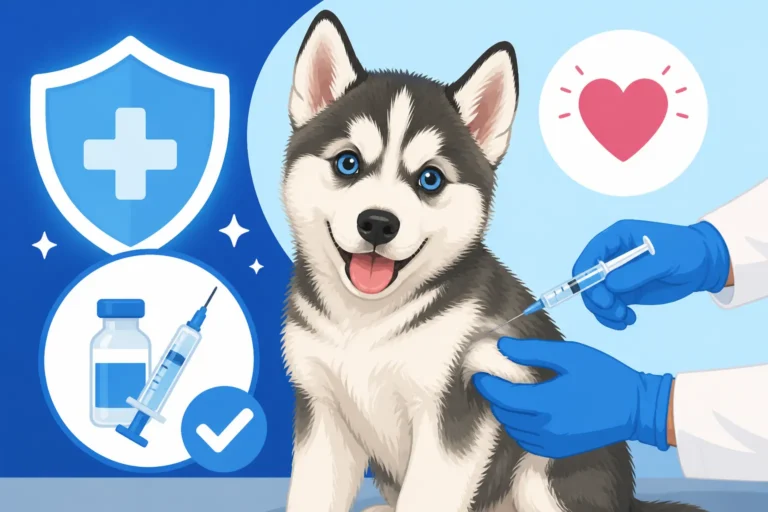
Regular veterinary check-ups are not just for vaccinations; they are an essential part of monitoring your Siberian Husky's overall health and development. From puppyhood through adulthood, your vet provides invaluable guidance on nutrition, exercise, and preventative care. These visits allow your vet to catch potential issues early, discuss appropriate feeding for their current growth stage, and address any behavioral changes that might arise during adolescence.
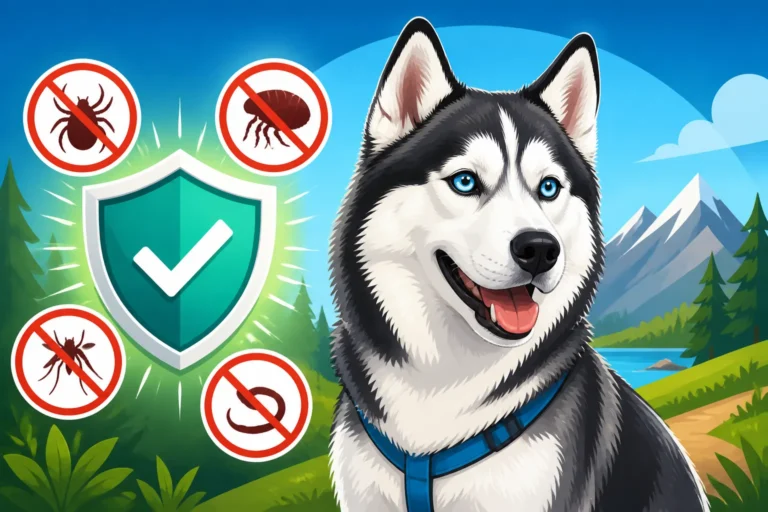
During these Siberian Husky Vet Visits by Life Stage, your vet can advise you on everything from parasite prevention to appropriate spay/neuter timing, which can also have an impact on a Husky's growth and coat development. Having a consistent relationship with a veterinarian who knows your dog's history is incredibly beneficial. They can offer tailored advice and spot subtle changes that might indicate a problem. Unexpected illnesses or accidents can happen at any age, and having a pet insurance policy from a company like Healthy Paws can be a lifesaver, ensuring that you can always make healthcare decisions based on what's best for your Husky, rather than on cost alone. These plans can help manage the financial strain of both routine and emergency veterinary care as your Husky journeys from puppy to senior.
Siberian Husky Growth Milestones Summary
To help visualize your Husky's growth journey, here's a table summarizing key physical and mental milestones. Keep in mind these are general guidelines, and individual dogs may vary.
| Age Range | Physical Milestones | Mental/Behavioral Milestones | Owner Considerations |
|---|---|---|---|
| 8-16 Weeks | Rapid weight/height gain; lanky appearance | Critical socialization window; basic obedience learning | Puppy vaccines; early training; controlled exercise |
| 4-6 Months | Continued rapid growth; baby teeth fall out; permanent teeth emerge | Increased curiosity; developing independence; chewing phase | Teething toys; continued socialization; house training |
| 6-12 Months | Growth rate slows; starts to "fill out" chest; near adult height | Adolescent "testing" phase; high energy; potential for stubbornness | Consistent training; ample exercise; protect growth plates |
| 12-18 Months | Nearing adult height/weight; muscle development continues; coat thickens | Stronger independence; sometimes challenging behavior; peak energy | Transition to adult food; advanced training; secure containment |
| 18-24 Months | Reaches full adult height and most weight; growth plates close | Settling into adult temperament; more focus, still energetic | Continue mental/physical stimulation; consider advanced activities |
| 2 Years + | Fully physically mature; robust musculature | Stable adult personality; high energy remains but more controlled | Regular health checks; lifelong exercise & mental enrichment |
Disclaimer
This guide provides general information about Siberian Husky growth and development. Every dog is an individual, and growth rates can vary. Always consult with a qualified veterinarian for personalized advice regarding your Siberian Husky's health, nutrition, and specific developmental needs. This information is not a substitute for professional veterinary care.