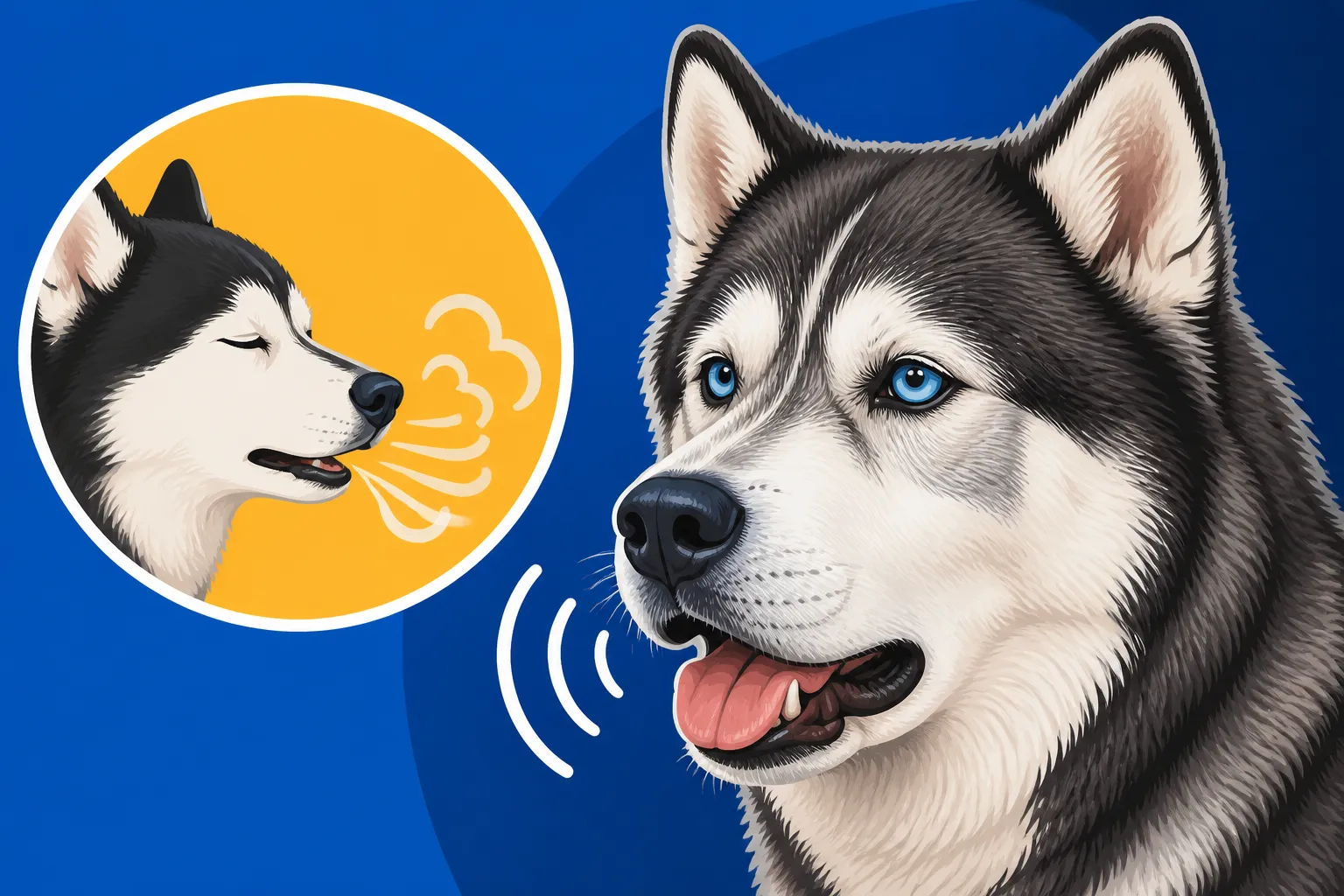
Noisy Breathing in an Older Siberian Husky
It's incredibly distressing to hear your senior Siberian Husky struggling to breathe. That once-effortless, powerful stride and quiet contentment can give way to a raspy intake of breath, a persistent cough, or a loud snore that sounds anything but peaceful. It’s a common worry for owners of older dogs, and that change in breathing often signals that something deeper is going on. This guide is here to walk you through understanding why your older Husky might be making these new, concerning noises, what to look for, and how to work with your veterinarian to bring them comfort.
Recognizing Different Types of Noisy Breathing in Your Older Siberian Husky
When your loyal companion starts making new sounds with every breath, it’s natural to feel a knot in your stomach. But not all strange noises are equally alarming. Learning to differentiate between what might be normal aging quirks and what truly warrants immediate attention is the first crucial step in helping your beloved Husky.
Distinguishing Between Normal and Concerning Sounds
Let's be real: Huskies aren't known for being quiet, but their typical vocalizations are usually howls, 'woo-woos,' and playful grumbles. Breathing should generally be silent, or a soft, rhythmic inhale and exhale. When things change, your ears are often the first alert system.
- Normal Sounds: An occasional snort, a deep sigh after a long nap, or even a bit of light snoring when they're in a particularly deep sleep, especially if they're lying in an awkward position, usually isn't cause for panic. These are often brief and don't involve any other signs of distress. A Siberian Husky will sometimes have a slight snore as they age, much like people, due to tissues relaxing.
- Concerning Sounds: This is where you need to pay close attention.
- Raspy or Harsh Breathing: If their breath sounds like it's catching or there's a constant roughness, even when resting, that’s a red flag.
- Wheezing: A high-pitched whistling sound, often indicating narrowed airways. It can be heard on either inhale or exhale.
- Stertor: This is a low-pitched, snoring-like sound that comes from vibrations of soft tissue in the throat or nasal passages. It's often associated with conditions like elongated soft palate or presence of fluid or obstruction.
- Stridor: This is perhaps the most alarming. Stridor is a high-pitched, harsh, gasping sound that typically occurs during inhalation. It indicates a partial obstruction or narrowing in the upper airway, such as the larynx or trachea. If you hear this, it's often a sign of a more serious issue like laryngeal paralysis.
- Coughing or Gagging: Persistent coughing, especially if it sounds wet or productive, or if it leads to gagging, means something is irritating their respiratory tract or potentially accumulating in their lungs.
- Increased Respiratory Rate: Count their breaths per minute when they are calm and resting. A normal resting rate is typically between 10-30 breaths per minute. A consistent elevation above this, without any obvious reason like exertion or heat, is concerning.
Observe when these sounds occur. Do they happen only after exertion? Do they worsen at night? Are they present all the time? The timing and context are vital clues for your vet.
Signs Beyond Just Sound
Noisy breathing rarely comes alone. Your Husky's body will often give you other signals that they're not feeling well. These accompanying symptoms are just as important as the sound itself.
- Labored or Effortful Breathing: Look at their flanks and chest. Are they moving more dramatically than usual? Are their nostrils flaring with each breath? Are they using their abdominal muscles to push air out? This is a clear sign they're working too hard to breathe.
- Restlessness or Inability to Get Comfortable: A Husky struggling to breathe might pace, constantly shift positions, or stretch their neck out to try and open their airway. They might even avoid lying down entirely, preferring to sit or stand.
- Cyanosis (Blue Gums/Tongue): This is a critical emergency. If your Husky's gums or tongue appear bluish or purplish, it means they're not getting enough oxygen. This requires immediate veterinary attention, as in right now. Do not wait.
- Reduced Exercise Tolerance: A once-energetic Husky might suddenly be unable to keep up on walks, tiring quickly, or refusing to go on their usual adventures. This is often an early sign that their heart or lungs aren't functioning optimally. Even a previously robust Siberian Husky might seem to lose their drive and desire for activity, which is a major red flag given their breed's inherent need for movement. You might also notice them struggling with what was once a comfortable journey. For more on how their activity levels change, you might find insight in articles like What Changes in a Siberian Husky After Nine.
- Changes in Appetite or Energy Levels: Any significant drop in interest in food, water, or their usual playful activities should prompt a call to your vet. These are general signs of illness that can accompany respiratory issues.
Observing these details meticulously can provide your vet with invaluable information, helping them pinpoint the problem faster and more accurately.
Common Causes of Noisy Breathing in Senior Huskies
As our cherished Siberian Huskies age, their bodies, much like our own, start to experience wear and tear. Several conditions can lead to noisy breathing, some of which are more prevalent in older, larger breeds. Understanding these common culprits can help you be better prepared for discussions with your vet.
Laryngeal Paralysis
This condition is a leading cause of inspiratory stridor in older dogs. The larynx, or voice box, contains cartilages that should open wide when your Husky inhales to allow air into the lungs. With laryngeal paralysis, the nerves controlling these cartilages degenerate, causing them to remain partially or completely closed. It's like trying to breathe through a perpetually constricted straw.
- How it Manifests: You'll typically hear a harsh, high-pitched pant or gasp as your Husky tries to inhale. Their bark might sound hoarse or change in tone entirely. They might start coughing or gagging, especially when eating or drinking, as food or water can accidentally enter the trachea (windpipe) due to the compromised larynx.
- Why it's Worse in Heat and With Exercise: When your Husky needs more oxygen, like during exercise or on a warm day, the partially paralyzed larynx can't open wide enough. This creates more resistance, making breathing even harder and potentially leading to overheating. This is a critical consideration for a breed like the Siberian Husky, known for its double coat and intolerance for heat. More specifically, you can learn about the challenges in Husky Laryngeal Paralysis and Summer Heat.
- Progression: Laryngeal paralysis is often progressive, meaning it tends to get worse over time. What starts as occasional noisy breathing can develop into severe respiratory distress, requiring emergency intervention. We have an entire article dedicated to Laryngeal Paralysis in an Older Siberian Husky which offers a deeper dive into this condition.
Respiratory Infections and Allergies
Just like people, older dogs can be susceptible to various respiratory illnesses, some of which can cause noisy breathing.
- Bronchitis: Inflammation of the bronchial tubes can lead to a persistent cough, wheezing, and sometimes a rattling sound in the chest. In older dogs, chronic bronchitis can become a recurring issue, especially if their immune system isn't as robust as it once was.
- Pneumonia: This is a more serious infection of the lungs, often bacterial. Symptoms can include a deep, moist cough, fever, lethargy, loss of appetite, and significant labored breathing. Older Huskies, especially those with other underlying health conditions, are more vulnerable to developing pneumonia.
- Allergies: Environmental allergens like pollen, dust mites, or molds can cause inflammation in the nasal passages and throat, leading to sneezing, snorting, and sometimes wheezing. While typically not as severe as other causes, chronic allergic inflammation can contribute to noisy breathing and make your Husky more uncomfortable.
Heart Disease and Lung Issues
The heart and lungs work in tandem, and a problem with one can quickly impact the other. As Huskies age, cardiac conditions can develop, indirectly affecting their respiratory system.
- Congestive Heart Failure (CHF): This is a condition where the heart is no longer able to pump blood efficiently, leading to fluid buildup in the lungs (pulmonary edema) or abdomen. Fluid in the lungs makes breathing incredibly difficult, often resulting in a soft, moist cough, especially at night or when lying down. Other signs include exercise intolerance, lethargy, and a distended belly. You might notice your Husky seems more breathless after even minimal activity.
- Pulmonary Fibrosis: This is a chronic, progressive lung disease where lung tissue becomes scarred and thickened, making it difficult for oxygen to pass into the bloodstream. It's less common in Huskies but can lead to a dry cough and increasingly labored breathing.
- Lung Tumors: While heartbreaking to consider, masses or tumors can develop in the lungs or airways, physically obstructing airflow or causing inflammation. Symptoms can vary but often include a persistent cough, weight loss, lethargy, and progressive breathing difficulties.
Other Potential Contributors
Beyond the primary respiratory and cardiac issues, several other factors can exacerbate or directly cause noisy breathing in an older Siberian Husky.
- Obesity: Carrying extra weight puts significant strain on a dog's entire system, including their respiratory and circulatory functions. Excess fat in the chest and abdomen can restrict lung expansion, making breathing less efficient and leading to louder breathing and snoring. Keeping a healthy weight is crucial for a Siberian Husky's overall well-being, especially as they age. This is further highlighted when considering Siberian Husky Weight and Joint Health.
- Collapsed Trachea: While more commonly seen in small breeds, severe cases or age-related weakening of the tracheal rings can lead to a collapsed trachea even in larger dogs like Huskies, causing a characteristic honking cough and noisy breathing, especially during excitement or exertion.
- Dental Disease: Believe it or not, severe dental disease can sometimes contribute to respiratory issues. Chronic inflammation and infection in the mouth can spread to the nasal passages and sinuses, leading to noisy, congested breathing and nasal discharge.
- Anatomical Variations: Some Huskies might naturally have slightly narrower nostrils or a slightly longer soft palate, which can become more problematic with age, weight gain, or the onset of other conditions.
Diagnosing and Treating Breathing Issues
Pinpointing the exact cause of noisy breathing in an older Siberian Husky requires a thorough and systematic approach from your veterinarian. It’s not always a quick fix, but with a precise diagnosis, an effective treatment plan can be put into place to improve your Husky's quality of life.
The Importance of a Thorough Veterinary Examination
When you bring your Husky in, expect your vet to be very methodical. They're gathering clues to piece together the full picture of your dog's health.
- Comprehensive Physical Exam: This is where it all starts. Your vet will listen carefully to your Husky’s heart and lungs using a stethoscope, checking for murmurs, abnormal rhythms, or crackles in the lungs that might indicate fluid. They'll examine their throat, palpate their neck, and assess their overall body condition. They'll also check your Husky's gum color and capillary refill time to assess circulation and oxygenation.
- Blood Work and Urinalysis: These tests are crucial for evaluating overall organ function and ruling out systemic diseases. A complete blood count (CBC) can indicate infection or anemia, while a biochemistry panel assesses kidney, liver, and thyroid function, all of which can indirectly affect respiratory health. For instance, sometimes a thyroid issue can contribute to lethargy and weight gain, making breathing more difficult. Understanding Thyroid Blood Panels for a Siberian Husky is very important.
- Chest X-rays (Radiographs): X-rays are invaluable for visualizing the heart and lungs. They can reveal an enlarged heart, fluid accumulation in the lungs (a sign of congestive heart failure), the presence of masses or tumors, or changes in lung tissue suggestive of fibrosis or chronic bronchitis.
- Laryngeal Examination: If laryngeal paralysis is suspected, your vet will perform a sedated laryngeal exam. This involves a light sedation to allow them to visually inspect the larynx and observe the movement (or lack thereof) of the vocal cords during breathing. This is the definitive diagnostic test for laryngeal paralysis.
- Advanced Diagnostics: In some complex cases, your vet might recommend more advanced imaging, such as a CT scan of the chest or head to get a more detailed view of airways, lungs, or nasal passages. A bronchoscopy, where a small camera is inserted into the airways, can also provide direct visualization and allow for tissue biopsies if needed.
Don't be afraid to ask questions during this process. Your pet insurance provider, like Healthy Paws, can be incredibly helpful during this diagnostic phase, as comprehensive testing can become costly. Having a good policy can ease the financial burden, allowing you to pursue all necessary diagnostics without hesitation.
Treatment Options Based on Diagnosis
Once a diagnosis is confirmed, your vet will discuss tailored treatment options. These can range from medical management to surgical intervention, depending on the underlying cause.
- Laryngeal Paralysis Treatment:
- Lifestyle Management: For mild cases, or as a preliminary step, this includes keeping your Husky cool, avoiding strenuous exercise, weight management, and using a harness instead of a collar to prevent neck pressure. This can sometimes buy you time.
- Surgery (Tie-Back Surgery): This is often the most effective treatment for moderate to severe laryngeal paralysis. The procedure permanently sutures one or both of the laryngeal cartilages open, creating a wider airway. While it significantly improves breathing, it does carry a risk of aspiration pneumonia, as the protective function of the larynx is reduced. Deciding about surgery on an older Husky is a big decision, and you can explore more about Tie-Back Surgery for a Siberian Husky and Deciding About Surgery on an Old Siberian Husky in our dedicated articles.
- Respiratory Infections: Bacterial infections are typically treated with a course of antibiotics. Anti-inflammatory medications might be prescribed to reduce swelling and discomfort, and cough suppressants can help manage persistent coughing, especially if it's disrupting sleep or causing distress.
- Heart Disease: Treatment for congestive heart failure often involves a combination of medications, including diuretics to reduce fluid buildup in the lungs, ACE inhibitors to improve heart function, and other cardiac medications. Dietary changes, particularly reducing sodium intake, are also crucial. Regular monitoring of your Husky's breathing rate and overall condition is vital.
- Allergies: If environmental allergies are causing respiratory symptoms, antihistamines might be prescribed. In more severe cases, corticosteroids or other immunosuppressants might be used to control inflammation. Identifying and reducing exposure to specific allergens can also be helpful.
- Weight Management: If obesity is a contributing factor, a carefully managed diet and controlled exercise program are essential. Losing even a few pounds can significantly reduce the strain on your Husky's respiratory system and improve their overall comfort.
Remember, consistent follow-up with your vet is paramount. Many older Huskies require ongoing care, and having a reliable pet insurance plan, such as one from Healthy Paws, can help cover the continuous medication, specialty vet visits, and monitoring that these conditions often demand.
Managing and Supporting Your Senior Husky at Home
Dealing with an older Siberian Husky who has noisy breathing can feel overwhelming, but there’s so much you can do at home to make their life more comfortable and ensure they receive the best possible care. Your role as their advocate and caregiver is absolutely vital in managing these conditions.
Environmental Adjustments for Comfort
Creating an optimal home environment can significantly reduce the strain on your Husky's respiratory system and improve their overall well-being.
- Keep Them Cool: Siberian Huskies are built for colder climates, and heat can quickly become a serious danger, especially for a dog with compromised breathing. Avoid outdoor activity during the hottest parts of the day, provide ample shade and fresh, cool water, and consider using cooling mats or fans indoors. Air conditioning is a must in warmer climates. The added effort of breathing against resistance also generates more body heat, creating a vicious cycle.
- Reduce Environmental Irritants: Smoke (from cigarettes, fireplaces, candles), strong air fresheners, cleaning chemicals, and even heavy perfumes can irritate sensitive airways. Keep your home well-ventilated and free of these airborne pollutants.
- Elevated Food and Water Bowls: For Huskies with conditions like laryngeal paralysis or chronic coughing, raising their food and water bowls can help them swallow more easily and reduce the risk of aspiration (inhaling food or water into the lungs). This simple change can make meal times much less stressful and safer.
- Minimize Stress and Excitement: High excitement can lead to rapid breathing and panting, which puts extra strain on an already struggling respiratory system. While it's hard to keep a Husky from getting excited, try to manage situations that might overstimulate them. A calm, predictable routine can be very beneficial.
Lifestyle and Dietary Considerations
What your Husky eats and how they move directly impact their respiratory health. Small adjustments can make a big difference in their comfort and longevity.
- Strict Weight Management: This cannot be stressed enough. Even a few extra pounds can severely impede breathing in a dog with a respiratory condition. Work closely with your vet to establish a healthy weight goal and a feeding plan. Remember, a Siberian Husky has an incredibly efficient metabolism, so they often need less food than you might think for their size. Monitoring their diet and ensuring they don't become overweight is one of the best things you can do for their long-term health.
- Smaller, More Frequent Meals: For Huskies prone to gagging or aspiration, offering smaller meals throughout the day instead of one or two large ones can be helpful. This reduces the volume of food in the stomach and minimizes the effort required to eat, making it safer and more comfortable.
- Gentle, Controlled Exercise: While their instinct might be to run for miles, your senior Husky with breathing issues needs a modified exercise routine. Short, leashed walks during cool times of the day are often best. Avoid strenuous activity, rough play, or anything that causes them to pant excessively or struggle for breath. The goal is to keep them mobile without pushing them into respiratory distress. For more on their activity needs as they age, refer to The Ages a Siberian Husky Changes Health-Wise.
- Regular Veterinary Check-ups: Your older Husky will benefit from more frequent vet visits than they did in their younger years. These visits allow your vet to monitor their condition, adjust medications as needed, and catch any new issues early. Discussing their changing needs with your vet, especially as they enter their golden years, is critical. Our article, Siberian Husky Vet Visits by Life Stage, elaborates on this importance.
- Consider Pet Insurance: Managing a chronic condition in an older dog often involves ongoing medications, specialized diets, and regular vet appointments. Pet insurance, like a policy from Healthy Paws, can be a lifesaver, helping to offset these cumulative costs. It allows you to focus on your Husky's health without the added stress of exorbitant vet bills. If you haven't considered it, it's worth exploring, especially as your Husky reaches the age where complex medical needs become more common. For insights into the financial aspects of their later years, you can read Caring for a Siberian Husky Past Ten.
Supporting your older Husky with noisy breathing is a journey that requires patience, observation, and a close partnership with your veterinarian. By understanding their condition and implementing these home care strategies, you can significantly improve their comfort and extend their happy, cherished years with you.
Summary of Common Causes of Noisy Breathing in Senior Huskies
To help keep things clear, here’s a quick overview of some of the conditions that might cause your older Siberian Husky to have noisy breathing, their key symptoms, and general treatment approaches. This isn't exhaustive, but it covers the most frequent culprits.
| Condition | Common Sound (Description) | Key Symptoms | Treatment Approach |
|---|---|---|---|
| Laryngeal Paralysis | Harsh, high-pitched stridor (on inhale), hoarse bark | Labored breathing, coughing/gagging while eating/drinking, exercise intolerance, worsened in heat | Lifestyle modification, Tie-back surgery (surgical opening of larynx) |
| Chronic Bronchitis | Persistent, moist or dry cough, wheezing | Coughing (often chronic), reduced stamina, occasional nasal discharge | Anti-inflammatories, bronchodilators, cough suppressants, antibiotics if bacterial |
| Congestive Heart Failure | Soft, moist cough (especially at night/lying down) | Labored breathing, lethargy, exercise intolerance, distended abdomen, restlessness | Diuretics, cardiac medications, sodium-restricted diet |
| Pneumonia | Deep, wet cough, crackles, wheezing | Fever, lethargy, loss of appetite, nasal discharge, very labored breathing | Antibiotics, supportive care (fluids, oxygen), nebulization |
| Obesity | Loud, heavy breathing, increased snoring, general breathlessness | Reduced stamina, reluctance to move, visible excess fat | Strict diet, controlled exercise regimen |
| Collapsed Trachea | Honking cough (especially with excitement/pressure on neck) | Exercise intolerance, gagging, difficulty breathing, often worse with excitement or pulling on collar | Medical management (cough suppressants, bronchodilators), weight loss, surgical stenting (rare for Huskies) |
Disclaimer
This article is intended for informational purposes only and does not constitute veterinary advice. The health and well-being of your Siberian Husky should always be discussed with a qualified and trusted veterinarian. Do not attempt to diagnose or treat medical conditions based solely on information found online. Always seek professional veterinary care for any concerns about your dog's health.