Caring for a Siberian Husky Past Ten
Watching your spirited, boundless Siberian Husky start to slow down as they enter their golden years can be a bittersweet experience. The dog that once pulled you down the street with a joyful tug, the escape artist who always found a way out, the energetic companion who never tired – they're now a little slower, perhaps a bit stiffer, and may even be struggling with new aches and worries. This comprehensive guide is here to walk you through the nuances of caring for a Siberian Husky past ten, offering practical advice, emotional support, and a realistic look at the health and lifestyle adjustments needed to ensure their twilight years are as comfortable and joyful as possible.
Understanding the Aging Siberian Husky
It's a common misconception that all dogs age at the same rate, but breed, size, and even individual genetics play a huge role. Siberian Huskies, with their robust, athletic build and heritage, often age a bit differently than some other breeds, and recognizing these shifts early is key to proactive care.
Recognizing the Signs of Aging
You might notice the subtle hints first: a slight hesitation before jumping into the car, a preference for napping over long play sessions, or perhaps a bit more gray around the muzzle than before. These aren't just cosmetic changes; they're indicators that your Husky's body is entering a new phase of life. Their once relentless energy may wane, replaced by shorter bursts of activity followed by longer periods of rest. They might not respond to their name quite as quickly, or seem disoriented in familiar surroundings at times. Their coat, while still luxurious, might become a little duller, or their eyes might start to develop a faint haze. It's easy to dismiss these as "just getting old," but each sign offers a clue to what might be happening internally.
For instance, that hesitation on the stairs could be Early Arthritis Signs in a Siberian Husky rather than simple reluctance. A reduced appetite might not be pickiness, but a sign of dental discomfort or a more systemic issue. Pay close attention to changes in their sleeping patterns, appetite, thirst, and bathroom habits. Are they drinking more water than usual? Are they having accidents indoors after being perfectly house-trained for years? These seemingly minor changes can be significant indicators of underlying health concerns common in senior dogs.
The Unique Lifespan of Siberian Huskies
Compared to many other medium to large breeds, Siberian Huskies actually boast a relatively impressive lifespan. While some large breeds might only live 7-10 years, it's not uncommon for a well-cared-for Siberian Husky to reach 12 to 14 years, and even beyond. This longer life is often attributed to their hardy, natural breeding, which prioritized health and working ability over extreme physical traits. To get a fuller picture of what to expect, you might want to look at resources like How Long Siberian Huskies Live on Average and Siberian Husky Lifespan and What Shortens It.
However, a longer lifespan doesn't mean a problem-free one. It simply means you have more years to enjoy with your companion, but also more years during which age-related conditions can develop. Planning for this extended period of care, both emotionally and financially, is crucial. Pet insurance, like policies from Healthy Paws, can be a godsend during these years, helping to cushion the financial blow of increased veterinary needs.
Why Huskies Age Differently
Siberian Huskies, originating from the Chukchi people's rigorous selective breeding in Siberia, were designed for endurance, resilience, and efficiency in harsh environments. This background has gifted them with a robust genetic makeup that often translates to fewer of the severe orthopedic issues seen in some other large breeds. For example, the rate of hip dysplasia in Siberian Huskies is remarkably low compared to many other breeds, which you can learn more about in Siberian Husky Hips and Why the Rate Is Low.
Their efficient metabolism, developed to conserve energy while pulling sleds, also plays a role in their aging. They don't tend to carry excess weight as easily as some breeds, which can reduce strain on joints and organs later in life. However, they are not immune to age-related illnesses. While they might be less prone to some specific conditions, the general wear and tear of time still affects their organs, joints, and cognitive function. Understanding these breed-specific tendencies helps you anticipate and address their senior needs more effectively. The general progression of their health changes is detailed in articles like The Ages a Siberian Husky Changes Health-Wise.
Common Health Challenges in Senior Huskies
As your Siberian Husky enters their senior years, new health concerns can emerge. Being aware of these common challenges allows you to work proactively with your veterinarian and provide the best possible quality of life.
Joint Issues and Arthritis
Even with their excellent hip scores, no dog is immune to the effects of time on their joints. Arthritis, or osteoarthritis, is a progressive and painful condition where the cartilage cushioning the joints wears down, leading to bone-on-bone friction, inflammation, and stiffness. You might notice your Husky struggling to get up after lying down, showing reluctance to go on walks, or even limping after exercise. Cold, damp weather can often exacerbate these symptoms, making them visibly more uncomfortable.
Managing arthritis often involves a multi-pronged approach. Your vet might recommend anti-inflammatory medications (NSAIDs), joint supplements containing glucosamine and chondroitin, or even newer injectable treatments that can significantly improve comfort. Creating a comfortable, supportive environment at home, free of slippery surfaces and with orthopedic beds, is also crucial. For a deeper dive into managing discomfort, explore Pain Management for an Arthritic Siberian Husky. Regular, gentle exercise is important to maintain muscle mass around the joints, but it must be balanced with adequate rest to prevent overexertion.
Organ Function Decline
Just like humans, a Husky's internal organs can start to lose efficiency with age. The kidneys, liver, and heart are particularly susceptible.
- Kidney Disease: This is very common in older dogs. Signs can include increased thirst, more frequent urination (and potentially accidents), decreased appetite, weight loss, and lethargy. Early detection through regular blood work (checking Kidney Values in an Aging Siberian Husky) and urinalysis is vital, as diet changes and medications can slow the progression and improve your dog's comfort.
- Liver Disease: While less overtly common than kidney issues, liver function can also decline. Symptoms are often vague, such as lethargy, vomiting, diarrhea, or a yellowish tinge to the gums and eyes. Regular blood panels can help monitor liver enzymes, and dietary management or supplements may be prescribed.
- Heart Conditions: Conditions like valvular disease (where heart valves become leaky) or dilated cardiomyopathy (a weakening of the heart muscle) can develop. You might notice your Husky coughing, tiring easily, having trouble breathing, or even fainting. Your vet may recommend a cardiac workup, including X-rays, an EKG, or an ultrasound of the heart, to diagnose these conditions. Medications can often help manage symptoms and improve quality of life for a significant period.
Vision and Hearing Loss
It's heartbreaking to see your once sharp-sensed Husky bumping into furniture or not responding when you call their name, but these are common facets of aging.
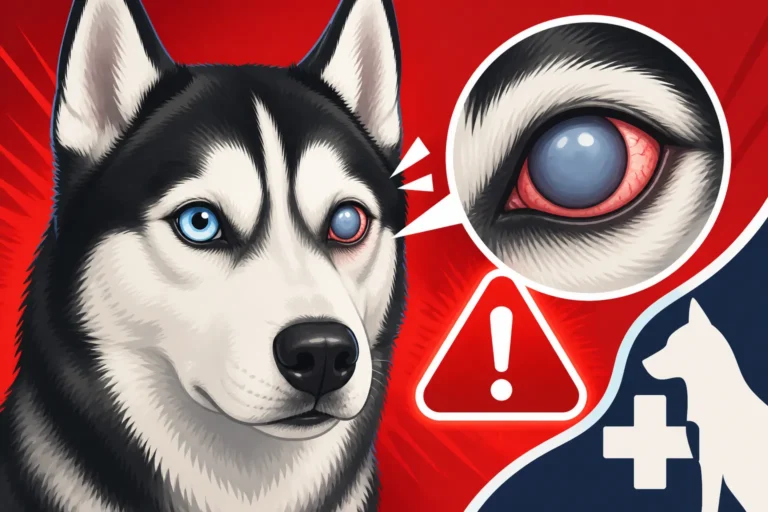
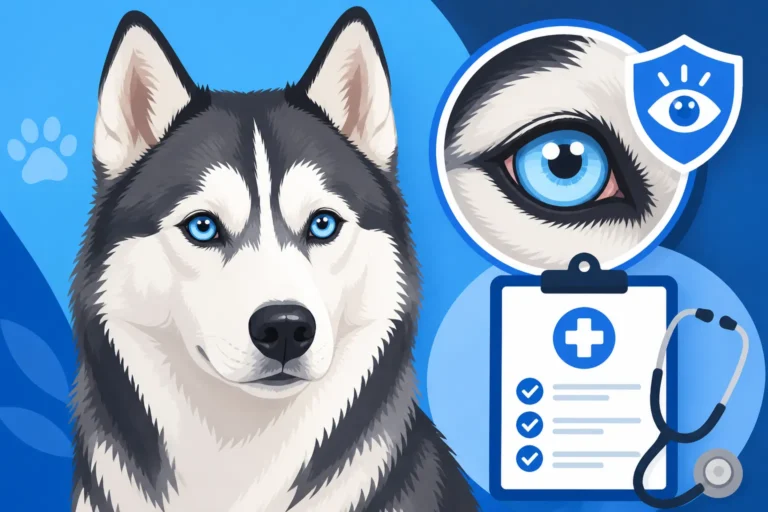
- Vision Loss: Cataracts (clouding of the lens), nuclear sclerosis (a normal age-related hardening of the lens that usually doesn't severely impair vision), and glaucoma can all affect senior Huskies. You might notice a bluish-grey haze in their eyes or that they're hesitant to navigate in dim light or unfamiliar places. Siberian Husky Eye Disease and the Annual Exam emphasizes the importance of regular ophthalmological check-ups, even for older dogs. While some conditions like cataracts can be surgically corrected, many forms of age-related vision loss are managed by adapting the home environment to help your Husky cope. Unfortunately, some Huskies may also develop Progressive Retinal Atrophy in Siberian Huskies, which can lead to blindness.
- Hearing Loss: This is a gradual process and can be harder to spot. Your Husky might seem to ignore you more often, sleep through loud noises, or startle easily when approached from behind. They might not respond to verbal commands as readily. While there's no cure for age-related hearing loss, you can adapt by using hand signals more frequently, stomping your foot to create vibrations, or even using a vibrating collar for attention. Patience and clear communication become even more important.
Cognitive Dysfunction Syndrome
Often likened to canine Alzheimer's, Cognitive Dysfunction Syndrome (CDS) is a progressive neurodegenerative disorder affecting older dogs. It's truly tough to witness your once sharp and clever Husky becoming disoriented or acting out of character. Signs include:
- Disorientation: Getting lost in familiar rooms, staring blankly at walls, or struggling to navigate doorways.
- Interaction Changes: Reduced desire for interaction, or conversely, increased neediness. They might also become irritable or less tolerant of other pets or children.
- Sleep-Wake Cycle Alterations: Increased restlessness or pacing at night, or sleeping more deeply during the day.
- House-Soiling: Accidents indoors, even after being perfectly house-trained for years, not due to physical incontinence but because they "forget" where or when to go.
- Activity Level Changes: Decreased interest in play or walks, or engaging in repetitive behaviors like pacing.
If you suspect CDS, talk to your vet. There are dietary changes (often including antioxidants and omega-3s), supplements, and medications that can help manage symptoms and slow the progression of the disease, giving you more quality time with your senior companion.
Nutritional Adjustments for Older Huskies
The dietary needs of an aging Siberian Husky shift dramatically, and continuing to feed them like a young, active dog can lead to weight gain or exacerbate existing health issues. It's time to rethink what goes into their bowl.
Calorie Needs and Weight Management
One of the biggest mistakes owners make is keeping their senior Husky on the same high-calorie diet they ate in their prime. As energy levels drop and metabolism slows, calorie requirements decrease significantly. Overfeeding an older Husky can lead to obesity, which puts undue strain on joints, exacerbates arthritis, and increases the risk of heart disease, diabetes, and other health complications. You're trying to keep them healthy for years, a topic covered in great detail in Caring for a Siberian Husky Past Ten.
Conversely, some senior Huskies might experience unexplained weight loss due to muscle wasting, dental pain, or underlying illnesses. It's a delicate balance. Your vet can help you determine an ideal weight and calorie intake. Look for senior-specific dog foods that are lower in calories, moderate in protein (to support muscle mass without overworking kidneys), and often higher in fiber to aid digestion. Monitor their weight regularly, feeling their ribs (you should be able to feel them without seeing them prominently) and checking for a distinct waistline. If you're struggling to manage their weight, a consultation with your vet or a veterinary nutritionist is highly recommended.
Dietary Supplements for Senior Health
While a balanced senior diet is the foundation, specific supplements can provide targeted support for common age-related issues. Always discuss any supplements with your vet before introducing them, especially if your Husky is on medication.
- Joint Supplements: Glucosamine, chondroitin, and MSM are widely used to support cartilage health and reduce inflammation. Omega-3 fatty acids (fish oil) are excellent natural anti-inflammatories and benefit skin, coat, and cognitive function.
- Antioxidants: Vitamins C and E, along with other antioxidants, can help combat cellular damage from free radicals, which are thought to contribute to aging and cognitive decline. Many senior dog foods are fortified with these.
- Probiotics: As digestion can become less efficient with age, probiotics can help maintain a healthy gut microbiome, improving nutrient absorption and supporting the immune system.
- MCT Oil: Medium-chain triglyceride (MCT) oil, derived from coconut oil, has been shown to provide an alternative energy source for the brain and can be beneficial for dogs with Cognitive Dysfunction Syndrome.
Hydration and Digestion Support
Adequate hydration is paramount for senior Huskies, especially given the increased risk of kidney issues. Ensure fresh water is always available in multiple locations, and consider using ceramic or stainless steel bowls that are easy to keep clean. You might even try adding a little water or low-sodium broth to their kibble to increase fluid intake.
Digestive changes are also common. Older dogs might experience constipation or diarrhea more frequently. A diet higher in digestible fiber can help regulate bowel movements. Small, more frequent meals might be easier on their digestive system than one or two large meals. If dental issues make chewing dry kibble painful, consider softening it with water or transitioning to a wet food formula. Watch for any persistent changes in stool consistency or frequency, as these can signal underlying problems that require veterinary attention.
Maintaining Mobility and Comfort
An aging body doesn't mean the end of activity, but it does mean redefining what "activity" looks like and ensuring your Husky remains as comfortable as possible.
Gentle Exercise and Activity
The days of 10-mile jogs or scaling mountains might be behind your senior Husky, but complete inactivity is detrimental. Regular, gentle exercise is crucial for maintaining muscle mass, joint flexibility, and mental well-being. Think short, frequent walks rather than one long trek. A 15-20 minute stroll a couple of times a day can be far more beneficial than pushing them for an hour once.
Adjust the intensity and duration based on their individual comfort level and the weather. Avoid strenuous activities, jumping, or long periods on hard surfaces. Swimming can be a fantastic low-impact exercise for arthritic dogs, as the water supports their weight while allowing them to move their joints. Even gentle games of "find it" in the house or yard, where they use their nose to locate treats, can provide mental stimulation and light movement. If they're struggling, talk to your vet about physical therapy or hydrotherapy options available in your area.
Pain Management Strategies
Chronic pain from conditions like arthritis can severely impact a senior Husky's quality of life. Effective pain management is about more than just medication; it's a holistic approach.
- Veterinary Medications: NSAIDs (non-steroidal anti-inflammatory drugs) are commonly prescribed for arthritis pain. There are also other classes of pain relievers, like gabapentin, that your vet might recommend, especially if NSAIDs aren't sufficient or well-tolerated. Always administer medications exactly as prescribed and report any side effects.
- Supplements: As mentioned, glucosamine, chondroitin, and omega-3 fatty acids can help reduce inflammation and support joint health.
- Alternative Therapies: Many owners find success with alternative treatments such as acupuncture, chiropractic adjustments, or therapeutic laser treatments. These can be excellent complementary therapies to traditional medicine.
- Environmental Adjustments: Ensure your Husky has an orthopedic bed that supports their joints. Use ramps or steps to help them access furniture, cars, or even go up and down stairs if needed. Non-slip rugs on slick floors can prevent falls and help them gain traction.
Regular check-ups will allow your vet to assess their pain levels and adjust their management plan as needed. Don't let your Husky suffer in silence; there are many options available to keep them comfortable.
Grooming Needs for Senior Coats
Your senior Husky's grooming routine might need some modifications. While they still possess that glorious double coat, they might not be able to maintain it as meticulously as they once did.
- Brushing: Their skin can become more delicate and prone to dryness, and they might have trouble standing for long grooming sessions. Regular, gentle brushing becomes even more important to prevent matting, especially in the feathery parts of their coat, behind their ears, and around their hindquarters. Use a soft slicker brush or an undercoat rake with care. This also provides an excellent opportunity to check for any lumps, bumps, skin changes, or parasites that might be harder to spot otherwise.
- Bathing: They might need less frequent bathing as they become less active, but when they do need a bath, use a gentle, moisturizing shampoo. Ensure they are thoroughly dried, especially the undercoat, to prevent skin issues.
- Nail Trims: Their nails may grow thicker and harder, and they might be less tolerant of having their paws handled. Regular nail trims are crucial, as overgrown nails can make walking painful, affect their gait, and contribute to joint problems. If you're uncomfortable doing it yourself, a professional groomer or vet tech can help.
- Ear and Dental Care: While Siberian Husky Dental Disease by Age Five highlights early dental concerns, regular dental check-ups and cleanings remain critical for older Huskies. Dental pain can significantly impact their appetite and overall health. Likewise, their ears should be checked regularly for wax buildup or signs of infection, especially if they spend more time resting on the ground.
Mental Stimulation and Emotional Well-being
A happy senior Husky isn't just about physical comfort; it's about keeping their mind engaged and their emotional needs met. Don't underestimate the power of mental activity and companionship.
Keeping Their Minds Active
Even if their body is slowing down, your Husky's intelligent mind still needs stimulation. Mental exercise can help slow cognitive decline and prevent boredom and associated behavioral issues.
- Puzzle Toys: Invest in treat-dispensing puzzle toys that require problem-solving to get a reward. Start with easier ones and gradually increase the difficulty.
- Scent Games: Huskies have incredible noses. Hide treats around the house or yard and encourage them to "find it." This is a low-impact activity that engages their natural instincts.
- Reviewing Commands: Keep their obedience skills sharp with short, positive training sessions. Practice familiar commands like "sit," "stay," or "down." Even teaching a new, simple trick can be a fun mental workout. Keep the sessions short and upbeat to avoid frustration.
- New Environments (Carefully): While long hikes are out, visiting a new, quiet park for a short walk can provide novel smells and sights, stimulating their brain without overtaxing their body. Always ensure the environment is safe and calm.
Remember, a mentally stimulated dog is generally a happier dog, and that's especially true for our clever Siberian Huskies.
Addressing Anxiety and Behavioral Changes
Aging can bring about changes in personality and behavior, often linked to declining senses, pain, or cognitive dysfunction. A once confident Husky might become more anxious, clingy, or even irritable.
- Increased Anxiety: As vision and hearing diminish, your Husky might become more easily startled or anxious, especially in new situations or when left alone. Establishing a predictable routine can provide a sense of security. Create a safe, quiet den space where they can retreat.
- Nocturnal Restlessness: This is a classic sign of CDS. Your Husky might pace, whine, or seem disoriented at night. Discuss this with your vet, as medications can help regulate their sleep cycle.
- Irritability: Pain can make even the sweetest dog grumpy. If your Husky suddenly snaps or growls, consider that they might be in discomfort. Always approach them gently and avoid startling them, especially when they are sleeping.
- Separation Anxiety: Some senior Huskies develop or exacerbate separation anxiety as they become more dependent. Short, positive absences, ample mental stimulation before you leave, and sometimes even calming supplements or medications can help.
Patience, understanding, and a willingness to adapt are your greatest tools here. What might seem like "bad behavior" is often a symptom of an underlying physical or mental change.
The Importance of Routine and Companionship
For an aging Siberian Husky, routine is gold. Predictability helps reduce anxiety, especially if their senses or cognitive abilities are declining. Stick to consistent feeding times, walk schedules, and bedtime routines. This structure provides a sense of security and familiarity.
Companionship is also vital. Huskies are social animals, and while their energy for play might decrease, their need for connection with their human family does not. Spend quality time with them, whether it's gentle petting, quiet cuddles on the couch, or just having them near you as you go about your day. Even if they sleep more, your presence is comforting. If you work long hours, consider a dog sitter or a trusted friend to check in on them. For those concerned about managing vet bills, especially for older dogs, pet insurance like Healthy Paws can help ensure you can afford the best care without sacrificing quality time.
Veterinary Care for Senior Huskies
As your Siberian Husky ages, regular veterinary care becomes increasingly important. Early detection and proactive management are key to maintaining their quality of life.
Increased Vet Visits and Diagnostic Tests
The days of annual wellness checks might be over. Most veterinarians recommend twice-yearly check-ups for senior dogs. This allows for earlier detection of age-related conditions, which often progress slowly and can be managed more effectively when caught early.
During these visits, your vet will perform a thorough physical exam, paying close attention to their joints, teeth, eyes, ears, and palpating their abdomen. They will likely recommend routine diagnostic tests, which are essential for monitoring organ function and detecting diseases before clinical signs are obvious:
- Blood Panels: These typically include a complete blood count (CBC) to check for anemia or infection, and a chemistry panel to assess organ function (kidneys, liver, pancreas).
- Urinalysis: This can detect kidney disease, urinary tract infections, and diabetes.
- Thyroid Testing: Hypothyroidism can occur in older Huskies and can cause lethargy, weight gain, and coat changes. Regular thyroid checks are important, and you can delve deeper into this with Thyroid Blood Panels for a Siberian Husky.
- Blood Pressure: High blood pressure can contribute to kidney disease, heart disease, and vision problems.
- Glaucoma Checks: Given the breed's predispositions, regular intraocular pressure checks are crucial, especially if there's any family history of glaucoma or previous eye issues.
These regular screens are your best defense against insidious diseases, helping your vet catch problems while they are still treatable. The investment in these diagnostics now can save your Husky from suffering later.
Managing Chronic Conditions
Many senior Huskies will develop one or more chronic conditions that require ongoing management. This isn't about curing them, but about managing symptoms, slowing progression, and maintaining comfort.
- Arthritis: As discussed, this involves a combination of medication, supplements, and lifestyle adjustments. Your vet will work with you to find the right balance for your Husky.
- Kidney or Liver Disease: Often managed with special prescription diets, fluid therapy (if kidney disease is advanced), and medications to support organ function or alleviate symptoms.
- Heart Disease: Typically managed with multiple medications to improve heart function, control fluid retention, and maintain blood pressure.
- Diabetes: Requires daily insulin injections and strict dietary management.
- Cushing's Disease or Hypothyroidism: Managed with daily medications to regulate hormone levels.
It's a commitment, but with proper care, many Huskies with chronic conditions can live comfortably for months or even years. Your vet will be your primary partner in navigating these challenges, helping you understand the prognosis and treatment options. This is where a robust pet insurance plan, such as those from Healthy Paws, can significantly alleviate the financial burden of ongoing prescriptions, specialized diets, and frequent veterinary visits required for chronic conditions.
Deciding About Surgery on an Old Siberian Husky
The decision to put an older Husky through surgery can be incredibly stressful. There are many factors to consider, and it's a conversation you'll have with your vet based on a careful assessment of risks and benefits.
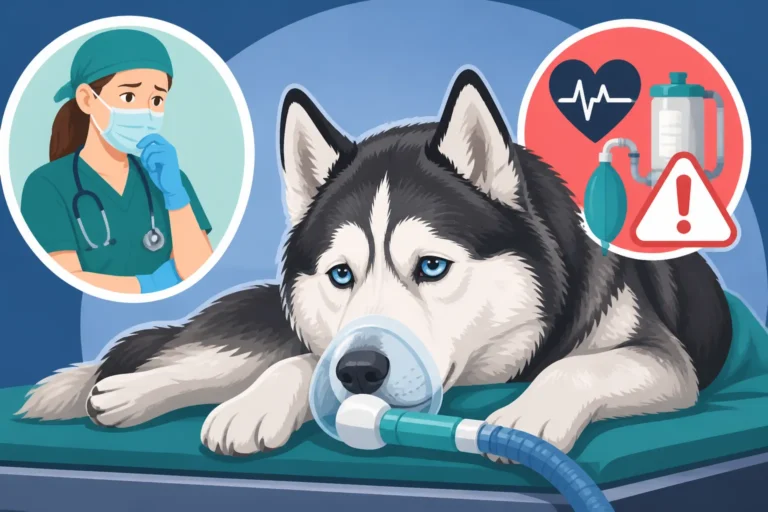
- Anesthesia Risk: Older dogs, especially those with underlying heart, kidney, or liver issues, carry a higher Anesthesia Risk in a Senior Siberian Husky. Your vet will likely recommend pre-anesthetic blood work, chest X-rays, and possibly an EKG to assess these risks. They might also adjust the anesthetic protocol to be safer for senior patients.
- Recovery Time: Recovery from surgery can be slower and more challenging for older dogs. They might experience more pain, have difficulty mobilizing, or take longer to regain their appetite.
- Quality of Life: The most important question is: will this surgery genuinely improve my Husky's quality of life, or will it prolong suffering? For instance, a surgery to remove a painful tumor might be worth it, but a procedure with a low success rate or a very difficult recovery for a dog with multiple existing health issues might not be.
- Palliative vs. Curative: Sometimes, surgery is curative (e.g., removing a benign mass). Other times, it's palliative, meaning it aims to relieve pain or discomfort without curing the underlying disease. Understanding the goal of the surgery is crucial.
Don't hesitate to ask your vet all your questions, explore all options, and if necessary, seek a second opinion. This is a highly personal decision, and ensuring you have all the information will help you make the best choice for your beloved companion.
Adapting Your Home for an Aging Husky
As your Husky's mobility, vision, and cognitive abilities decline, their home environment needs to evolve to keep them safe, comfortable, and independent.
Ensuring Safety and Accessibility
The house that was once a playground can become a minefield for an older, less agile Husky. Simple adjustments can make a huge difference.
- Non-Slip Surfaces: Slippery floors (hardwood, tile) can be treacherous for dogs with arthritis or weakened muscles. Lay down non-slip rugs, carpet runners, or yoga mats in high-traffic areas.
- Ramps and Steps: Help your Husky access their favorite couch, bed, or vehicle with pet ramps or sturdy steps. This reduces strain on their joints and prevents injuries from jumping.
- Baby Gates: If your Husky has vision loss or cognitive issues, baby gates can be used to block off stairs or restrict access to certain rooms, preventing falls or disorientation.
- Lighting: Increase lighting, especially in hallways or areas your vision-impaired Husky navigates at night. Nightlights can be very helpful.
- Clear Pathways: Remove clutter from floors to create clear, unobstructed paths, especially if your Husky is bumping into things. Don't rearrange furniture too often, as a familiar layout is comforting for dogs with CDS or vision loss.
- Outdoor Safety: Check your yard for hazards. Ensure fences are secure, pools are covered, and any uneven terrain is clearly marked or avoided.
Creating a Comfortable Resting Environment
Your senior Husky will spend a lot more time resting, so their comfort zone is paramount.
- Orthopedic Beds: A high-quality orthopedic bed with memory foam or supportive cushioning is a must. It alleviates pressure on their joints, reduces stiffness, and helps them get truly restorative sleep. Place these beds in quiet, draft-free areas where they feel secure but still part of the family.
- Warmth and Softness: Ensure their resting spots are warm, especially in colder months, as cold can aggravate arthritis. Soft blankets are always appreciated.
- Accessibility: Place water bowls and possibly a puzzle toy near their bed so they don't have to travel far if they're stiff.
Managing Temperature Sensitivity
Siberian Huskies are famous for their cold tolerance, but this can change with age. Their ability to regulate body temperature can diminish, making them more sensitive to both cold and heat.
- Cold Sensitivity: While a young Husky might revel in snow, an older one with thinning fur or arthritis might get cold easily. Ensure they have warm, indoor resting spots away from drafts. If they spend time outside, even in mild weather, provide a well-insulated shelter. A light dog coat might even be necessary for very frail, older Huskies during cold walks, something you probably never imagined for your thick-coated friend!
- Heat Sensitivity: Conversely, older Huskies are also more susceptible to overheating. Their thick double coat can become a liability in summer, and their less efficient cardiovascular system struggles to cool down. Provide ample shade and fresh water when outdoors. Schedule walks during the coolest parts of the day (early morning or late evening). Air conditioning, cooling mats, or even a kiddie pool with cool water can help them stay comfortable indoors. Never leave an older Husky unsupervised outside in warm weather, even for a short time.
Making End-of-Life Decisions
This is arguably the hardest part of caring for an aging pet, but it's an unavoidable reality. Planning ahead and focusing on your Husky's quality of life can help bring peace during this incredibly difficult time.
Quality of Life Assessment
Knowing when it's time to say goodbye is agonizing. There's no single right answer, but focusing on your Husky's quality of life is the best guide. Your vet can provide an objective perspective, but ultimately, you know your dog best.
Here are some questions to consider when assessing their quality of life:
- Pain: Is their pain adequately managed? Are they still comfortable, or are they experiencing chronic, unmanageable pain despite medication?
- Appetite and Hydration: Are they eating and drinking enough? Are they interested in food, or do you have to force-feed them?
- Hygiene: Can they still relieve themselves without excessive discomfort or accidents? Are they able to stay reasonably clean?
- Mobility: Can they move around without extreme difficulty? Can they still get up and change positions?
- Joy: Do they still show interest in things they once loved? Do they have "good days," or is every day a struggle? Do they still greet you with enthusiasm, even if it's a slower wag?
- Bad Days vs. Good Days: Are the bad days now outnumbering the good ones?
It's helpful to keep a journal of their good days and bad days, noting their appetite, energy levels, and any signs of discomfort. This can provide a more objective overview than relying on day-to-day emotions. You want to avoid waiting until your Husky is in undeniable, severe distress. The goal is to prevent prolonged suffering.
Palliative Care Options
Before making the ultimate decision, explore all palliative care options. These focus on comfort and pain relief rather than a cure.
- Aggressive Pain Management: This might involve a combination of oral medications, injectables, therapeutic laser, acupuncture, or even nerve blocks to ensure maximum comfort.
- Mobility Aids: Carts, slings, or harnesses can help a disabled Husky move around and continue to enjoy short walks or time outside.
- Comfort-Focused Environment: Ensuring a soft, warm bed, easy access to food and water, and a calm, stress-free environment.
- Hospice Care: Some veterinary practices or specialized services offer in-home hospice care, providing ongoing comfort measures, pain management, and emotional support for both the pet and the family during the final stages of life.
Palliative care can sometimes extend a Husky's comfortable life for weeks or months, allowing for more precious moments.
Grieving the Loss of Your Beloved Companion
Saying goodbye is one of the most painful experiences a pet owner faces. The grief can be profound and should never be underestimated or dismissed. Allow yourself to feel it.
- Support Systems: Lean on friends, family, or online communities who understand the human-animal bond. There are pet loss support groups and hotlines available.
- Memorialization: Many people find comfort in creating a memorial for their Husky, whether it's a photo album, a paw print casting, a special collar, or planting a tree in their honor.
- Euthanasia at Home: If possible, consider in-home euthanasia. This allows your Husky to pass peacefully in their familiar environment, surrounded by the people they love, which can be a more serene experience for everyone involved.
The love you shared with your Siberian Husky is immeasurable. Honoring that bond means providing them with the best care throughout their lives, including making the selfless, difficult decision to end their suffering when the time comes. Remember the joy, the loyalty, and the adventures, and know that you gave them a wonderful life.
Disclaimer
The information provided in this guide is intended for general informational purposes only and does not constitute veterinary advice. Always consult with a qualified veterinarian for any health concerns or before making any decisions about your Siberian Husky's care, especially as they age. Every dog is an individual, and specific needs may vary.