Pain Management for an Arthritic Siberian Husky
Arthritis pain management for Siberian Huskies involves recognizing subtle movement changes, behavioral shifts, and post-activity clues.
Know what to watch for.
Breed-specific conditions, screening and DNA tests, what surgery actually costs, and the daily habits that stretch a healthy lifespan.
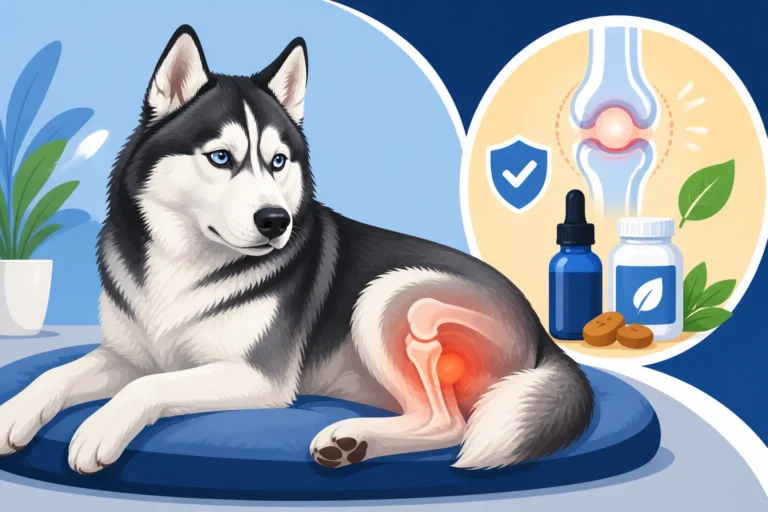
Arthritis pain management for Siberian Huskies involves recognizing subtle movement changes, behavioral shifts, and post-activity clues.
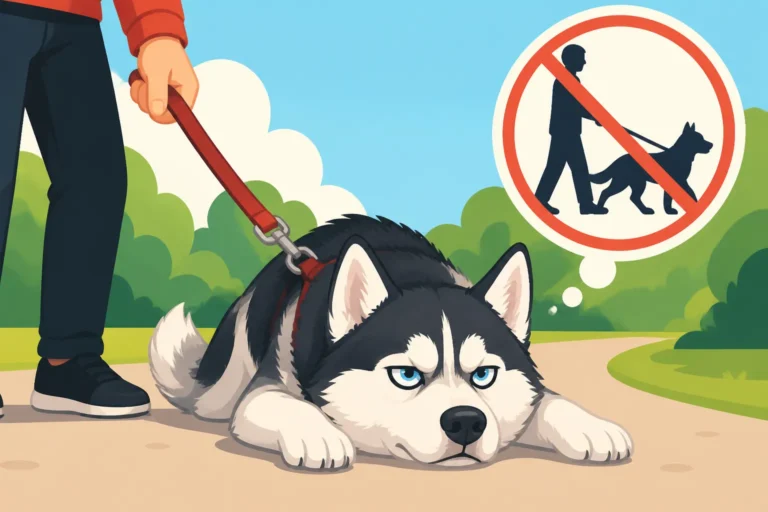
Siberian Husky walking reluctance indicates hidden physical pain, subtle discomfort or serious health concerns rather than simple stubbornness.

Common cancer types in Siberian Huskies include lymphoma, hemangiosarcoma, and osteosarcoma, detailing symptoms, diagnosis, and treatment options.
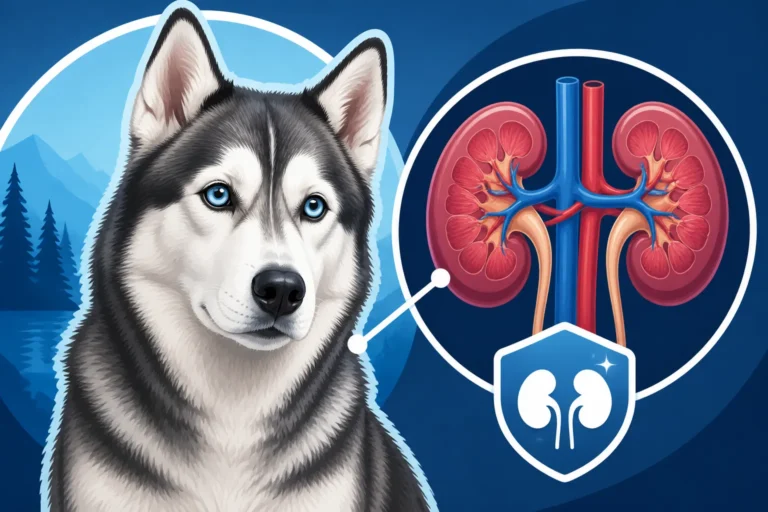
Creatinine, blood urea nitrogen, and SDMA blood and urine test measurements indicate how aging Siberian Huskies filter waste.
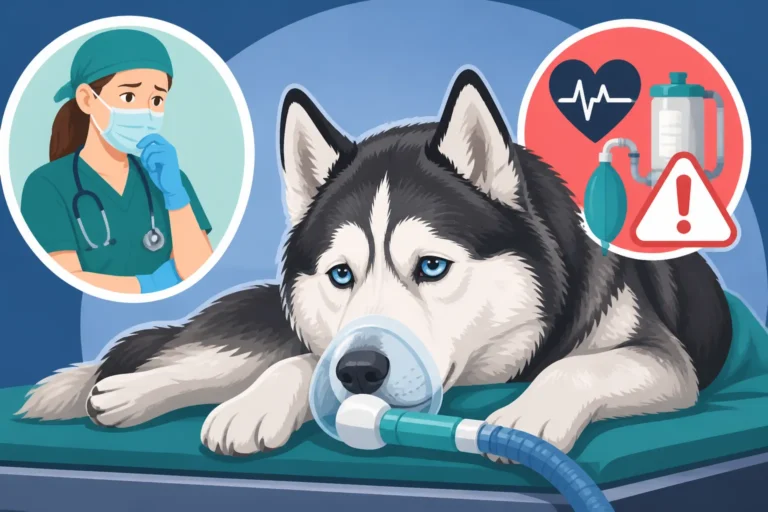
Senior Siberian Husky anesthesia risks and aging organ impacts explained through pre-anesthetic screening and metabolic differences.
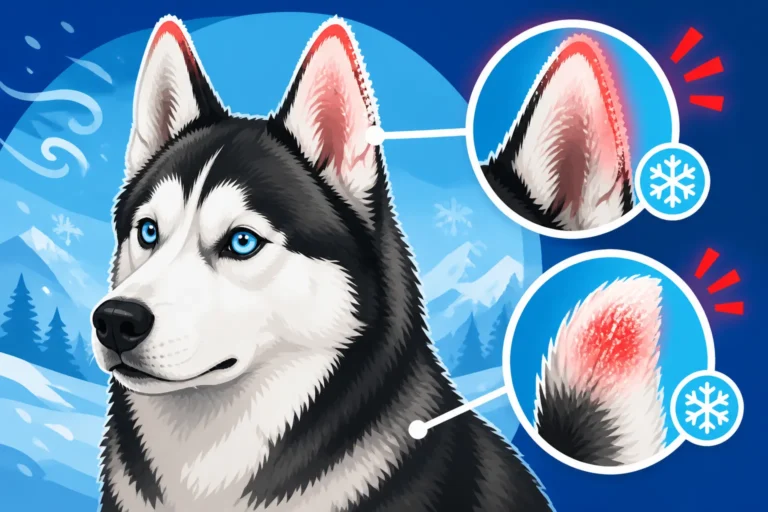
Siberian Husky ears and tails can develop frostnip and frostbite in severe cold, requiring owners to recognize early warning signs.

Siberian Husky cold tolerance limits prevent frostbite and hypothermia during winter weather by explaining natural double coat insulation and metabolism.
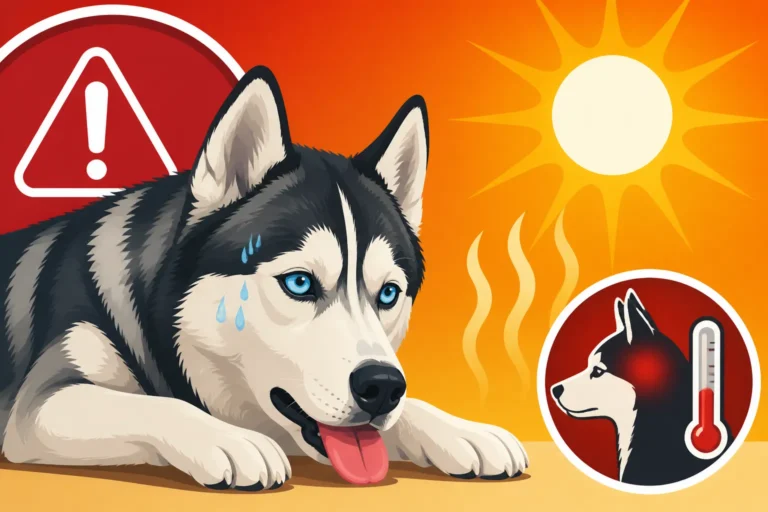
Siberian Husky heat stroke risk stems from a thick double coat and high energy levels in warm climates, making proper prevention vital.
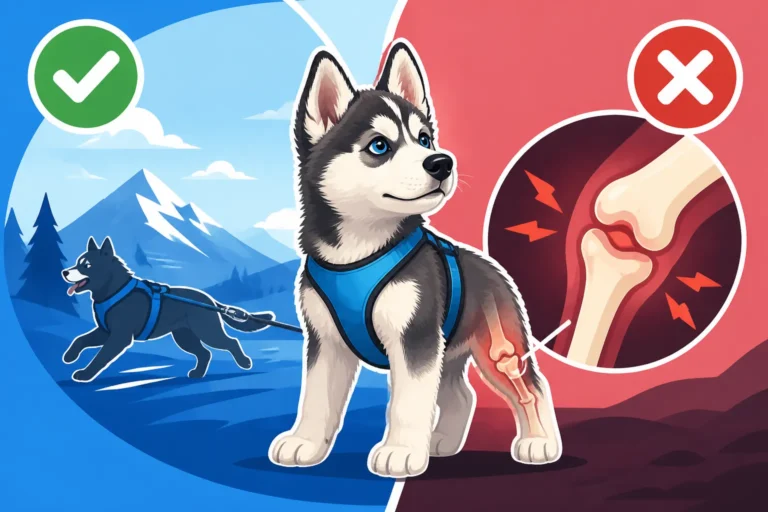
Siberian Husky growth plates close between twelve and eighteen months, determining when puppies can safely begin harness work without joint injury.

Siberian Husky healthy weight guidelines explain how metabolism efficiency and diet differences determine proper body size.