Pain Management for an Arthritic Siberian Husky
It's heartbreaking to watch your once high-flying Siberian Husky, a breed known for its boundless energy and resilience, start to slow down. That playful spring in their step might be replaced by stiffness, and the long runs they once adored become shorter, perhaps even painful. Managing arthritis in these incredible dogs isn't just about giving a pill; it's about understanding their unique stoicism, recognizing subtle cues, and building a comprehensive plan to keep them comfortable and happy. This guide will walk you through everything you need to know about providing effective pain management for your arthritic Siberian Husky.
Recognizing the Subtle Signs of Arthritis in Your Siberian Husky
Siberian Huskies are famous for their tough, enduring nature. They were bred to pull sleds over vast, frozen landscapes, often masking discomfort to keep moving. This incredible stoicism, while admirable, can make it incredibly difficult for owners to spot the early signs of pain, especially something as insidious and progressive as arthritis. You might not see a dramatic limp right away; instead, it's often a collection of subtle changes that, when pieced together, tell the story.
The Elusive Nature of Husky Pain
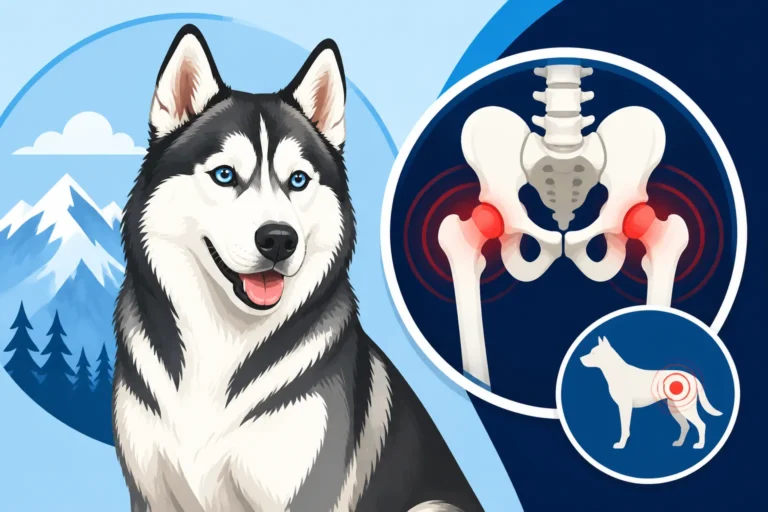
Unlike some breeds that might vocalize or overtly favor a limb, your Husky might just… adapt. They'll find new ways to sit, avoid certain movements, or simply choose not to participate in activities they once loved. This can be particularly frustrating for owners who are used to their Husky's "never quit" attitude. You might think they're just getting lazy or stubborn, when in reality, they're in pain and trying to manage it themselves. It's crucial to remember that a lack of obvious limping doesn't mean a lack of pain, especially when you consider that Siberian Husky Hips and Why the Rate Is Low means hip dysplasia might not be the most common culprit, but other joints can still be affected.
One common scenario involves a Husky that used to leap onto the couch with ease, now pauses, perhaps attempts a few times, or seeks out a lower resting spot. They might hesitate before climbing stairs, or seem unusually clumsy when navigating slippery floors. These aren't just signs of aging; they're often indicators that certain movements are causing discomfort. The subtle nature of these changes means you need to be an extra-observant detective when it comes to your Husky's daily habits.
Behavioral Shifts and Movement Changes
Arthritis isn't just a physical ailment; it can profoundly impact a dog's behavior and overall demeanor. A Husky struggling with joint pain might become less tolerant of petting or handling, particularly around their affected joints. What was once a loving snuggle could become an uncomfortable pressure point. You might notice they're more irritable with other pets or even with family members. This isn't because they're suddenly grumpy; it's often a direct result of chronic pain making them less patient and more sensitive.
Look for changes in their normal movement patterns. Are they getting up more slowly after a nap? Do they seem stiff in the mornings or after periods of rest? Is their once enthusiastic tail wag a bit more subdued, or do they hold their tail differently when moving? Some Huskies might start to lose muscle mass in their hind legs if they're not using them as much due, to pain, leading to a visible thinning or weakness. This can be tricky to spot under that thick Husky coat, but feeling their muscle tone can reveal a lot. Pay close attention to Early Arthritis Signs in a Siberian Husky to catch these issues as soon as possible.
What to Watch For During and After Activity
This is often where the most telling signs appear. A Husky might start a walk enthusiastically but quickly tire or slow down. They might lag behind, even on routes they used to zip through. After a period of exercise, even moderate activity, observe how they settle down. Do they immediately flop and seem reluctant to move again? Do they lick at their joints excessively?
Imagine taking your Husky, Luna, for her usual morning loop around the neighborhood park. She used to pull you along, eager to greet every squirrel. Now, she starts strong but by the third block, her pace slows, and she might even stop to sniff for longer, almost as if procrastinating the next step. When you get home, instead of bouncing back to demand breakfast, she lies down heavily, perhaps struggling to find a comfortable position. These post-activity observations are critical. Similarly, if you notice A Siberian Husky Limping After Long Runs, even intermittently, it’s a red flag. Any consistent reluctance to engage in play, a decrease in jumping, or changes in how they navigate stairs are all important clues pointing towards potential joint pain.
Navigating Veterinary Diagnosis and Treatment Options
Once you suspect arthritis, the next crucial step is a visit to your veterinarian. They are your best partner in confirming the diagnosis and mapping out an effective treatment plan tailored specifically for your Siberian Husky. Don't try to self-diagnose or self-medicate; proper veterinary guidance is paramount.
Getting a Proper Diagnosis
When you arrive at the vet, be prepared to share all your observations, no matter how minor they seem. Your vet will perform a thorough physical examination, feeling your Husky’s joints for swelling, pain, and reduced range of motion. They might ask your Husky to walk, trot, and turn to assess their gait. To confirm arthritis and rule out other conditions, X-rays are usually necessary. These images allow the vet to visualize the bones and joints, identifying common signs of arthritis like joint space narrowing, bone spurs (osteophytes), and changes in bone density. Sometimes, blood tests are also recommended, especially if starting certain medications, to ensure your Husky's organs are healthy enough to process them. This initial comprehensive check-up is a vital step in Siberian Husky Vet Visits by Life Stage.
Conventional Medical Approaches: NSAIDs and Beyond
The cornerstone of pain management for canine arthritis often involves medication. Non-Steroidal Anti-Inflammatory Drugs (NSAIDs) are frequently prescribed to reduce both pain and inflammation. Popular choices include Carprofen (often known as Rimadyl), Meloxicam (Metacam), and Galliprant. While incredibly effective, it's essential to use NSAIDs exactly as prescribed and to be aware of potential side effects like gastrointestinal upset or, less commonly, kidney or liver issues. Regular blood work is often recommended to monitor organ function, especially with long-term use.
For Huskies whose pain isn't fully controlled by NSAIDs, or for those who can't tolerate them, other medications can be added to the regimen. Gabapentin is often used to target neuropathic (nerve) pain and can have a mild sedative effect, which might be beneficial for a very sore dog. Amantadine is another option that can help modulate chronic pain pathways in the brain. Your vet might suggest a combination of these drugs, known as multimodal pain management, to address different aspects of pain more effectively. It's a journey of finding the right balance for your unique dog, and having a good pet insurance plan like one from Healthy Paws can really help manage the costs associated with ongoing medication and vet visits.
The Role of Newer Injectable Therapies
Beyond daily pills, there are some exciting injectable options becoming more prevalent. Polysulfated Glycosaminoglycans (PSGAGs) like Adequan Canine are given as a series of injections. These work to protect cartilage, improve joint fluid quality, and reduce inflammation, offering a different mechanism of action than NSAIDs. Many owners find these beneficial for long-term joint health.
Even newer on the scene are monoclonal antibody injections, such as Librela (bedinvetmab), which is specifically designed to target Nerve Growth Factor (NGF), a key player in pain signaling. This monthly injection can provide significant pain relief for dogs with osteoarthritis and is generally well-tolerated. It's a great option for Huskies who might struggle with oral medications or who need additional relief. Discuss these options with your vet to see if they are a good fit for your Husky's specific needs and whether they might complement existing treatments.
Holistic and Supportive Care Strategies
While medication plays a vital role in managing arthritis pain, a truly comprehensive approach integrates holistic and supportive care strategies. These methods focus on improving overall joint health, mobility, and your Husky's general well-being.
Nutritional Support and Weight Management
One of the most impactful things you can do for an arthritic Siberian Husky is to maintain a healthy weight. Extra pounds put immense stress on already compromised joints, exacerbating pain and accelerating cartilage degeneration. Huskies have an efficient metabolism, so it's easy to accidentally overfeed them. Work with your vet to determine an ideal weight for your Husky and create a tailored feeding plan. Even a loss of a few pounds can make a significant difference in their comfort level. You can read more about Siberian Husky Weight and Joint Health.
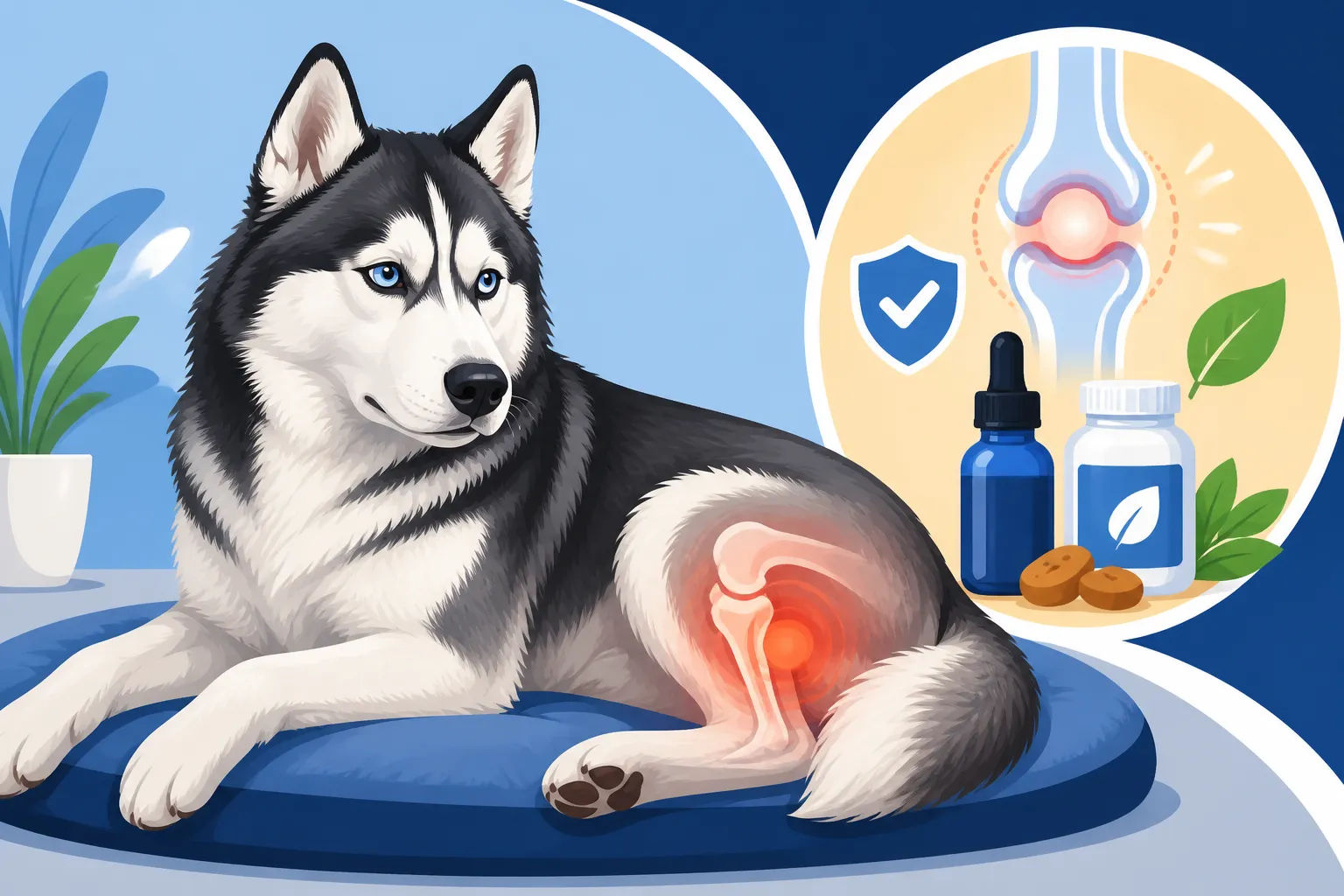
Beyond just calorie control, certain nutritional supplements can support joint health. Glucosamine and chondroitin sulfate are widely used to help maintain cartilage and promote joint fluid production. Omega-3 fatty acids, particularly EPA and DHA found in fish oil, have powerful anti-inflammatory properties. Look for high-quality supplements and discuss appropriate dosages with your vet. Many joint-specific dog foods also incorporate these ingredients, which can be a convenient way to provide consistent supplementation.
Physical Therapy and Rehabilitation
Just like in humans, physical therapy can be incredibly beneficial for dogs with arthritis. A certified canine rehabilitation therapist can design a program to improve muscle strength, flexibility, balance, and range of motion, all without putting undue stress on painful joints. This might include:
- Hydrotherapy: Walking or swimming in warm water reduces weight-bearing stress while allowing for exercise, improving muscle strength and flexibility. Many Huskies, with their love for water (some, not all!), take to this well.
- Therapeutic Exercise: Specific exercises, often performed at home, to strengthen core muscles and support the joints.
- Massage: Gentle massage can help increase blood flow, reduce muscle tension, and provide pain relief.
- Cold Laser Therapy: Uses specific wavelengths of light to reduce pain and inflammation and promote tissue healing.
- Acupuncture: An ancient Chinese practice that involves inserting thin needles into specific points on the body to stimulate healing and reduce pain.
These therapies can significantly enhance your Husky's mobility and comfort, often allowing for reduced reliance on medications. If you have a Healthy Paws pet insurance policy, many of these rehabilitation therapies are covered, which can be a huge relief given their specialized nature and cost.
Adapting Your Home for Comfort
Making simple modifications around your home can dramatically improve your arthritic Husky's quality of life.
- Rugs and Runners: Slippery floors like hardwood or tile can be challenging and dangerous for dogs with stiff joints. Place non-slip rugs or runners in high-traffic areas and wherever your Husky rests or gets up.
- Ramps or Steps: If your Husky still loves to get on the couch or bed, or needs to get into the car, provide ramps or doggy steps to eliminate painful jumping.
- Orthopedic Beds: A supportive, orthopedic dog bed can make a world of difference for a Husky with sore joints. These beds are designed to cradle their body and relieve pressure points, promoting better sleep and reducing stiffness upon waking.
- Elevated Food Bowls: If bending down to eat or drink is uncomfortable, elevated bowls can alleviate neck and joint strain.
- Easy Outdoor Access: Ensure they have easy, safe access to the yard for potty breaks, perhaps clearing a path in snow or providing a non-slip surface.
These seemingly small changes can collectively create a much more comfortable and accessible environment for your beloved companion, allowing them to navigate their familiar surroundings with greater ease and less pain.
Long-Term Management and Enhancing Your Husky's Quality of Life
Arthritis is a chronic, progressive condition, meaning there's no "cure," but there is effective management. The goal is to slow its progression, minimize pain, and maintain the highest possible quality of life for your Siberian Husky for as long as possible. This requires ongoing vigilance, adaptability, and a strong partnership with your veterinary team. You're essentially looking at Caring for a Siberian Husky Past Ten, but with a specific focus on joint health.
The Importance of Regular Monitoring
Once your Husky has an arthritis diagnosis, regular check-ups with your vet become even more critical. These appointments allow your vet to assess the effectiveness of the current pain management plan, monitor for any side effects of medications, and make necessary adjustments. They'll likely perform physical exams, checking their joint mobility and comfort levels. It’s also an opportunity to discuss any new symptoms or changes you’ve observed at home.
Your observations are invaluable here. Keeping a small journal or notes on your phone about their good days versus bad days, their response to medication, and any new behaviors can provide your vet with crucial information. This consistent dialogue ensures that your Husky's pain management strategy remains optimal as their condition evolves. Remember, What Changes in a Siberian Husky After Nine can include a multitude of health shifts, and arthritis often goes hand-in-hand with other age-related conditions.
Balancing Activity with Rest
This can be a tricky balance to strike with an arthritic Husky, especially for a breed that inherently loves to run and move. While excessive, high-impact exercise can worsen joint pain, complete inactivity can lead to muscle atrophy and further stiffness. The key is controlled, low-impact exercise.
Think short, frequent walks on soft surfaces like grass or dirt trails, rather than long, strenuous runs on pavement. Swimming can be an excellent option if your Husky enjoys it, as it provides a full-body workout without impact. Interactive puzzle toys and gentle play sessions can keep their minds stimulated and provide some physical activity. Always warm them up with a short, slow walk before any activity and cool them down afterward. Watch for signs of discomfort during or after exercise – if they seem more painful, you've likely overdone it. It’s a constant dance of observation and adjustment. This mindful approach is part of keeping them healthy throughout their Siberian Husky Lifespan and What Shortens It.
Considering Pet Insurance for Senior Care
The costs associated with managing chronic conditions like arthritis can add up quickly. From ongoing medications, supplements, and specialized vet visits to potential physical therapy and diagnostic imaging, the expenses can become a significant burden. This is where pet insurance can truly shine.
Companies like Healthy Paws offer comprehensive plans that often cover diagnostics, medications, and rehabilitation therapies for chronic conditions like arthritis, provided the condition isn't pre-existing when you enroll. While a pre-existing condition would typically be excluded, if your Husky was enrolled before the diagnosis, the coverage could be invaluable. Having pet insurance can provide immense peace of mind, allowing you to focus on getting your Husky the best possible care without constant financial worry. It's definitely something to consider proactively, ideally before health issues arise.
Here's a quick overview of common pain management options:
| Medication/Therapy Type | Primary Action | Administration | Key Benefit for Huskies | Considerations |
|---|---|---|---|---|
| NSAIDs | Reduces pain, inflammation | Oral | Effective for acute & chronic pain | Monitor liver/kidney; GI upset |
| Gabapentin | Neuropathic pain relief, sedation | Oral | Good for nerve pain; can supplement NSAIDs | Can cause drowsiness |
| Amantadine | Modulates chronic pain pathways | Oral | Enhances other pain meds for chronic pain | Mild side effects |
| Adequan (PSGAGs) | Cartilage protection, anti-inflammatory | Injectable | Long-term joint health support | Series of injections needed |
| Librela | Targets nerve growth factor | Injectable (monthly) | Sustained pain relief | Newer option; generally well-tolerated |
| Omega-3 Fatty Acids | Anti-inflammatory | Oral supplement | Supports overall joint health | Quality varies; vet-approved brands recommended |
| Glucosamine/Chondroitin | Cartilage support, joint fluid production | Oral supplement | Foundational joint support | Takes time to show effect; quality matters |
| Hydrotherapy | Low-impact exercise, muscle strengthening | Rehabilitation facility | Builds muscle without joint stress | Requires access to facility; not all Huskies enjoy |
| Acupuncture | Pain relief, improved circulation | Veterinary specialist | Drug-free pain management | Requires specialized vet; multiple sessions |
Disclaimer
The information provided in this article is for general informational purposes only and is not a substitute for professional veterinary advice. Always consult with a qualified veterinarian for any health concerns or before making any decisions related to your Siberian Husky's health or treatment plan.