Early Arthritis Signs in a Siberian Husky
It can be heartbreaking to watch your once-exuberant Siberian Husky, a breed renowned for its boundless energy and incredible athleticism, start to slow down. You might dismiss a slight hesitation to jump or a bit of stiffness after a nap as just "getting older," but sometimes, these subtle cues are the very first whispers of arthritis. This guide will walk you through how to spot those early, often overlooked, signs of joint pain in your beloved Husky, helping you catch the issue before it truly impacts their adventurous spirit.
Understanding Arthritis in Siberian Huskies
Siberian Huskies are incredible dogs, built for endurance and known for their robust health. Because of this, many owners might assume arthritis isn't a major concern for the breed, especially when compared to some of the giant breeds. However, even the most genetically sound and active Husky can develop arthritis over time. It's not about being weak; it's about the wear and tear of a lifetime of movement, or sometimes, an underlying joint issue that gradually worsens.
Why Arthritis Might Seem Uncommon in Huskies
It's true that Siberian Huskies generally boast better joint health statistics than many other medium-to-large breeds. When you look at studies or data from organizations like the Orthopedic Foundation for Animals (OFA), you'll often see that the incidence of hip dysplasia, for instance, is remarkably low in Huskies compared to, say, German Shepherds or Labradors. This strong genetic foundation often leads owners to feel a false sense of security regarding joint issues. Their incredible pain tolerance and stoic nature can also be a double-edged sword; they often won't overtly complain until the pain is significant. A Husky might continue to try and run, jump, and play, masking their discomfort with sheer willpower, which means by the time you notice a clear limp, the condition might be more advanced than you realize. This resilience is admirable but makes early detection a real challenge. You might find it helpful to understand Siberian Husky Hips and Why the Rate Is Low to put their general joint health into perspective.
Common Areas Affected by Arthritis
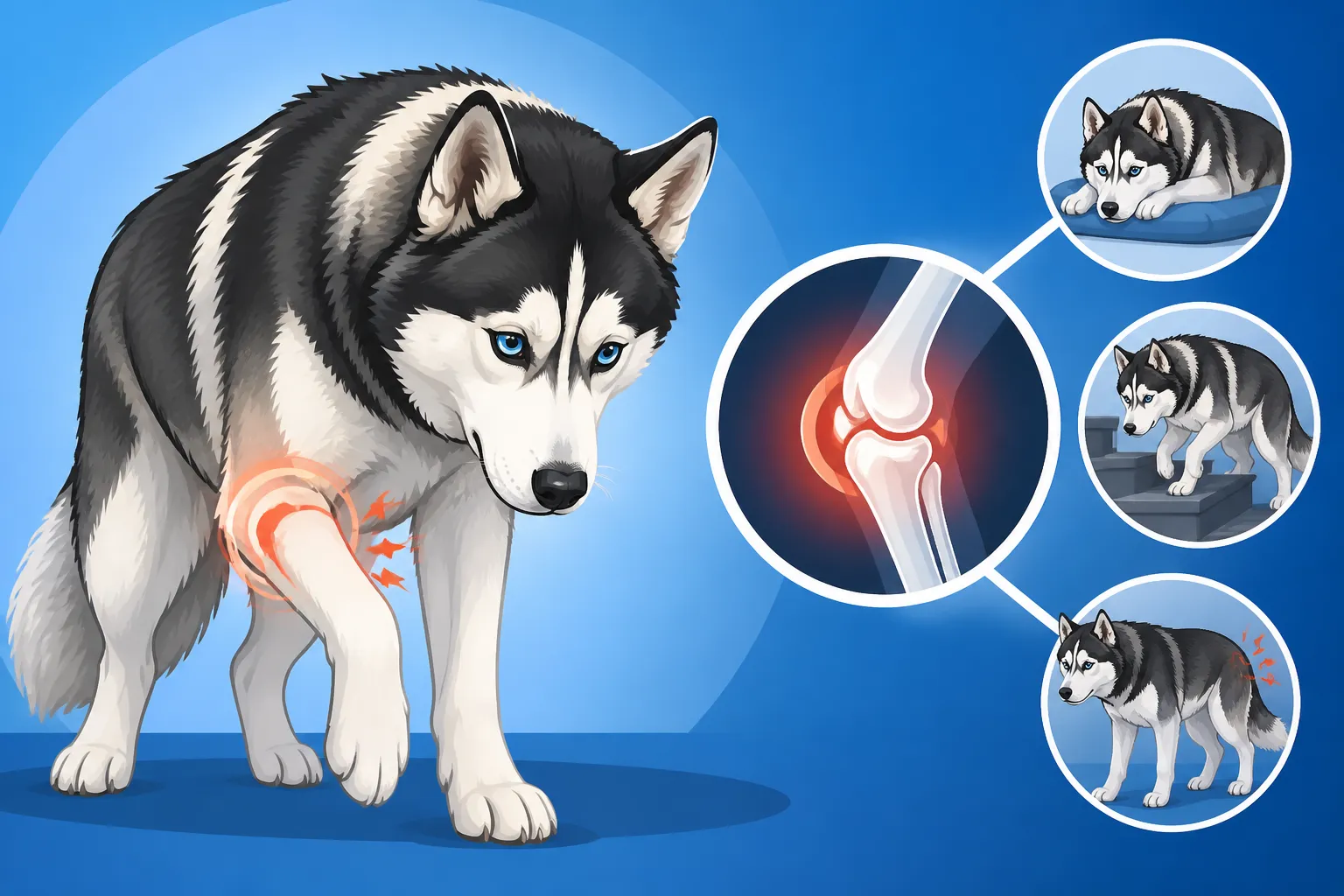
While Huskies might have a lower rate of developmental joint diseases like hip dysplasia, they are still susceptible to osteoarthritis, which is essentially the degeneration of cartilage within a joint. This can happen in any joint but is most commonly seen in those that bear the most weight or experience the most movement. For an active breed like the Siberian Husky, these typically include the hips, elbows, stifles (knees), and sometimes the spine.
Think about the incredible forces these joints withstand during a typical Husky run or while pulling a sled. Over years, even perfectly formed joints can experience wear and tear, leading to cartilage thinning, bone-on-bone friction, and inflammation. If your Husky suffered a past injury, like a ligament tear in the knee (cruciate ligament injury) or a fracture, that joint is also at a much higher risk for developing secondary arthritis later in life. Even subtle, repetitive strain from activities like agility or sustained pulling can contribute to microscopic damage that adds up over time, setting the stage for discomfort.
Subtle Early Warning Signs of Arthritis
Catching arthritis early is key to effective management and maintaining your Husky's quality of life. The challenge is that Huskies are incredibly stoic, and their early signs are often subtle, easily mistaken for general aging or a temporary stiffness. You have to become a detective of your dog's daily habits and movements.
Changes in Movement and Gait
This is often where the first clues emerge, though they can be fleeting. You might notice your Husky showing a slight hesitation before jumping into the car or onto the couch, where they used to leap without a second thought. Stiffness, particularly after a long nap or in the morning, is a classic early sign. They might take a few extra moments to "warm up" before moving fluidly. This isn't just a senior dog thing; even younger Huskies with early arthritis can show this.
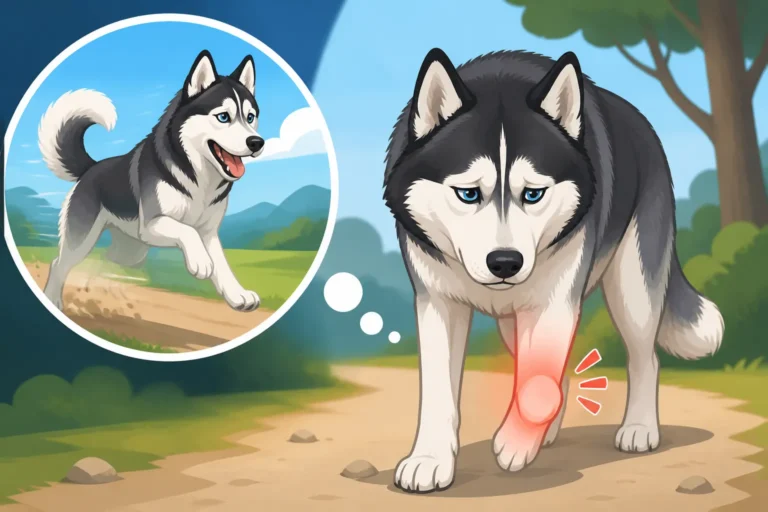
Pay close attention to how they walk. Is there a subtle shift in weight? A slight, almost imperceptible head bob? They might show a mild, intermittent limp that disappears after they've moved around a bit, only to reappear later. This waxing and waning lameness is typical of early joint pain. Climbing stairs or navigating slippery floors can become noticeably more difficult. They might start favoring ramps or sticking to carpeted areas. Any change in their willingness or ability to perform activities they once loved, like chasing a ball or going for a long hike, could be a red flag. If you've noticed A Siberian Husky Limping After Long Runs, it's definitely time to pay attention.
Behavioral and Temperament Shifts
Pain can change personality, and dogs are no exception. An otherwise friendly Husky might become irritable or snap if you accidentally touch a sore joint. They might start to avoid interactions, preferring to lie alone rather than engage in rough-and-tumble play with other dogs or family members. Some Huskies will obsessively lick or chew at a particular joint, trying to soothe the discomfort.
You might also observe changes in their sleeping habits or comfort-seeking behaviors. They might seek out warmer spots, like sunbeams or heated floors, or gravitate towards softer bedding. If your Husky suddenly becomes less keen on being groomed, especially around their rear or back, it could be that the contortions required for self-grooming are becoming painful. Even something as simple as a decreased appetite can sometimes be linked to chronic pain making them feel generally unwell. These subtle shifts are often the ones owners dismiss until they become more pronounced, but paying attention early can make a huge difference.
Physical Changes to Look For
While Huskies have thick coats that can hide a lot, there are still physical indicators to watch for. One of the most telling signs is muscle atrophy, or wasting. If a joint is painful, your Husky will naturally use it less, leading to the muscles surrounding that joint becoming weaker and smaller. You might notice that one leg looks subtly thinner than the other, especially when viewed from above or by gently feeling along their limbs.
Although harder to detect through their dense fur, sometimes you might feel warmth or subtle swelling around an arthritic joint. Gently running your hands over their legs and hips, feeling for any asymmetry or unusual bumps, can be informative. Keeping a close eye on their overall body condition is also vital. Dogs with arthritis might become less active, which can lead to weight gain. This extra weight, in turn, puts even more strain on already compromised joints, creating a vicious cycle. Ensuring your Husky maintains a healthy weight is paramount for joint health; you can learn more by reading about Siberian Husky Weight and Joint Health.
Here's a quick look at some early signs:
| Category | Early Signs to Watch For |
|---|---|
| Movement | Stiffness after rest, reluctance to jump/climb stairs, subtle lameness (comes and goes), slower gait. |
| Behavior | Irritability when touched, licking/chewing specific joints, decreased play/social interaction, seeking warmth/comfort. |
| Physical | Muscle loss in one limb, subtle joint swelling (hard to feel), changes in posture. |
| Enthusiasm | Reduced excitement for walks, training, or favorite activities. |
When to Seek Veterinary Attention
If you're noticing any of these subtle changes, don't just wait and see. Your Husky is probably already experiencing some level of discomfort, and early intervention is crucial for their long-term well-being. It's often tempting to think it's just a phase or a minor ache, but with conditions like arthritis, time is of the essence.
The Importance of Early Diagnosis
Diagnosing arthritis early isn't about finding a "cure" – because unfortunately, once cartilage damage begins, it cannot be fully reversed. However, early diagnosis allows you and your vet to implement a comprehensive management plan that can significantly slow the progression of the disease, alleviate pain, and maintain your Husky's mobility and quality of life for much longer. It means you can start with less invasive treatments and lifestyle adjustments, rather than waiting until the pain is severe and more aggressive (and often more expensive) interventions are needed.
Prompt veterinary care can mean the difference between minor discomfort and chronic, debilitating pain. Furthermore, a thorough examination can rule out other potential causes of lameness or behavioral changes, ensuring your Husky receives the correct treatment for their specific condition. This is especially true as The Ages a Siberian Husky Changes Health-Wise can bring a host of different concerns. Having pet insurance like Healthy Paws, which is known for its comprehensive coverage, can also provide peace of mind if your Husky does receive an early arthritis diagnosis, helping to cover diagnostics and ongoing treatments.
What to Expect at the Vet
When you bring your Husky in with concerns about joint pain, your veterinarian will start with a thorough physical examination. They'll observe your Husky's gait and posture, checking for any limping, stiffness, or uneven weight distribution. They'll also carefully palpate (feel) all major joints, gently flexing and extending them to assess range of motion, identify any pain responses, swelling, or grinding sensations (crepitus). Don't be surprised if they ask detailed questions about when you first noticed symptoms, how your Husky has been acting at home, and their general activity levels.
To confirm an arthritis diagnosis and assess its severity, your vet will likely recommend radiographs (X-rays) of the affected joints. X-rays can show changes in bone structure, joint space narrowing, and the presence of bone spurs (osteophytes), which are hallmarks of osteoarthritis. In some cases, blood work might be suggested to rule out other inflammatory conditions or to establish a baseline before starting certain medications. Your vet might also discuss specialized imaging like MRI or CT scans if the diagnosis is complex or if they suspect soft tissue damage contributing to the problem, although this is less common for an initial arthritis diagnosis.
Managing Early Arthritis and Supporting Your Husky
An arthritis diagnosis, especially an early one, isn't a death sentence for your Husky's active life. It's a call to action, prompting you to implement strategies that will keep them comfortable and mobile for years to come. Managing arthritis is a long-term commitment, often involving a multi-modal approach combining lifestyle changes with medical therapies.
Lifestyle Adjustments and Environmental Changes
One of the most impactful things you can do is manage your Husky's weight. Every extra pound puts undue stress on their joints. Working with your vet to achieve and maintain an ideal body condition is foundational to arthritis management. For tips on this, you might explore The Weight a Siberian Husky Should Hold. Exercise, while crucial, needs to be modified. Instead of intense, high-impact activities, focus on consistent, low-impact exercise like swimming or controlled leash walks. Multiple shorter walks throughout the day are often better than one long, strenuous outing. Be mindful of activities that cause them to Limping After Long Runs and adjust accordingly.
At home, make modifications to support their comfort. Orthopedic dog beds can provide superior joint support. Ramps can help them get into cars or onto furniture without painful jumping. Placing non-slip rugs on slick floors can prevent slips and falls that exacerbate joint pain. Ensure food and water bowls are at a comfortable height, so they don't have to stoop excessively. In the colder months, a warm coat might even provide extra comfort, although most Huskies handle cold well, direct joint warmth can be soothing.
Therapeutic Options and Supplements
Your vet will likely discuss various medical and complementary therapies. Non-steroidal anti-inflammatory drugs (NSAIDs) are a cornerstone of pain management, reducing inflammation and alleviating discomfort. There are several excellent options available, and your vet will choose the best one for your Husky, carefully monitoring for any side effects. Injectable joint protectants, such as polysulfated glycosaminoglycans, can also be very beneficial, helping to protect remaining cartilage and improve joint fluid quality.
Many owners find success with joint supplements containing ingredients like glucosamine, chondroitin, MSM, and omega-3 fatty acids. While not a cure, these can support joint health and reduce inflammation. Always discuss supplements with your vet before introducing them, as quality and efficacy can vary widely. Beyond medication, physical rehabilitation therapies, such as hydrotherapy (underwater treadmill), therapeutic exercises, and acupuncture, can be incredibly effective in strengthening muscles, improving range of motion, and reducing pain. These therapies can be part of a comprehensive plan and are often covered by pet insurance providers like Healthy Paws. Understanding Pain Management for an Arthritic Siberian Husky in detail will be very helpful as your dog ages.
Proactive Care for Long-Term Comfort
The journey with an arthritic Husky is ongoing. Regular vet check-ups (often every 3-6 months) are essential to monitor their condition, adjust medication dosages, and ensure their management plan remains effective. Be diligent in reporting any changes in their mobility or behavior to your vet. You are your Husky's best advocate.
Beyond the physical, remember their mental well-being. Even if they can't run miles anymore, mental stimulation through puzzle toys, sniff walks, and gentle training sessions can keep their minds sharp and spirits high. As your Husky ages, the signs of arthritis might become more pronounced, and it's good to be prepared for What Changes in a Siberian Husky After Nine. Providing a consistent routine, comfort, and plenty of love will go a long way in ensuring your Husky enjoys their golden years with as much comfort and joy as possible. For comprehensive insights into their later life, consider exploring Caring for a Siberian Husky Past Ten.
Disclaimer
This article is for general informational purposes only and does not constitute professional advice. Laws, prices and regulations vary by location and change over time. Consult a qualified professional for guidance on your specific situation.