Seizure Triggers in a Working Siberian Husky
It’s a truly terrifying experience to witness your beloved Siberian Husky, especially one you rely on for working, suddenly collapse into a seizure. One moment they might be pulling strongly on the trail, full of life and vigor, and the next they are experiencing involuntary muscle contractions, drooling, or losing consciousness. This can leave any owner feeling helpless and frantic, wondering what just happened and, more importantly, how to prevent it from ever happening again. This guide is here to shed light on the common seizure triggers that can affect working Siberian Huskies, helping you understand, manage, and hopefully reduce the risk for your active companion.
Understanding Seizures and Why Huskies Can Be Prone
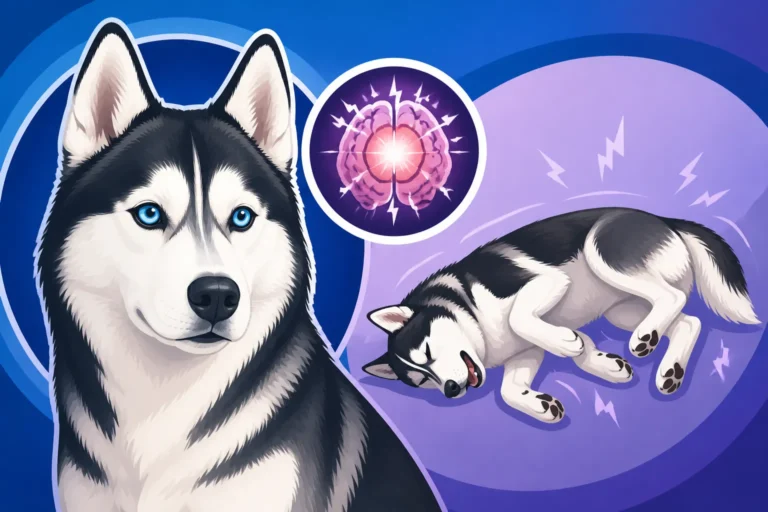
When we talk about seizures, we're talking about an uncontrolled burst of electrical activity in the brain. Think of it like a short circuit. This abnormal activity can manifest in various ways, from subtle twitching or staring spells (often called focal or partial seizures) to dramatic full-body convulsions where your dog loses consciousness and thrashes (generalized seizures). For a working Siberian Husky, whose brain and body are often pushed to their limits, these episodes are not just scary; they can be profoundly debilitating and dangerous, especially if they occur during an activity like mushing or canicross.
Siberian Huskies, like many other purebred dogs, do have a known predisposition to certain health conditions, including idiopathic epilepsy. Idiopathic epilepsy means there's no identifiable cause for the seizures – it's often genetic. While the overall rate of hip dysplasia in Siberian Huskies might be notably low compared to many other large breeds, their genetic makeup unfortunately doesn't spare them from neurological issues. This genetic component means that even a perfectly healthy-looking, well-conditioned working Husky can carry the predisposition, making vigilance all the more important. If you’ve ever had a pup diagnosed, you know the frustration of not having a clear, external reason for the episodes. Understanding this underlying susceptibility is the first step in recognizing potential triggers and seeking appropriate care. For more in-depth information, you might find our post on Siberian Husky Seizures and Idiopathic Epilepsy particularly helpful.
Types of Seizures in Huskies
Seizures in Huskies, as in other dogs, generally fall into two main categories: generalized and focal (or partial) seizures. Generalized seizures are what most people picture when they think of a seizure: the dog loses consciousness, falls over, and experiences rhythmic paddling of limbs, drooling, vocalizing, and sometimes loss of bladder or bowel control. These can last from a few seconds to several minutes and are incredibly distressing to witness.
Focal seizures, on the other hand, can be much more subtle and often go unrecognized. They involve abnormal electrical activity in only a specific part of the brain. Your Husky might exhibit localized twitching of a facial muscle, an eye blink repeatedly, or seem to "fly snap" at invisible flies. They might also appear dazed, stare blankly, or show unusual repetitive behaviors. For a working dog, a focal seizure might manifest as sudden disorientation or a momentary loss of coordination during a run, which could easily be mistaken for fatigue or distraction if you don't know what to look for. Recognizing these subtle signs is crucial, as even focal seizures can sometimes progress into generalized ones.
The Role of Genetics in Husky Epilepsy
It's a tough pill to swallow, but genetics play a significant role in why some Siberian Huskies develop epilepsy. While not every Husky will have seizures, there's a recognized hereditary component, especially for idiopathic epilepsy. This means that if a Husky's parents or close relatives have a history of seizures, the puppy has an increased risk. Reputable breeders will often be transparent about the health history of their breeding lines and may conduct health testing before you buy a Siberian Husky. However, even with the best intentions, some genetic predispositions can be hidden until later in life.
The age at which idiopathic epilepsy typically begins in Siberian Huskies is often between six months and three years, though it can appear earlier or later. If your Husky starts having seizures outside of this typical window, or if they started them later in life, it usually prompts your veterinarian to investigate other potential causes, as late-onset seizures are less likely to be purely idiopathic. This genetic link is why it's so important for owners of working Huskies to be aware, as the rigorous demands of their lifestyle can potentially exacerbate an underlying genetic predisposition.
Common Environmental and Activity-Related Triggers
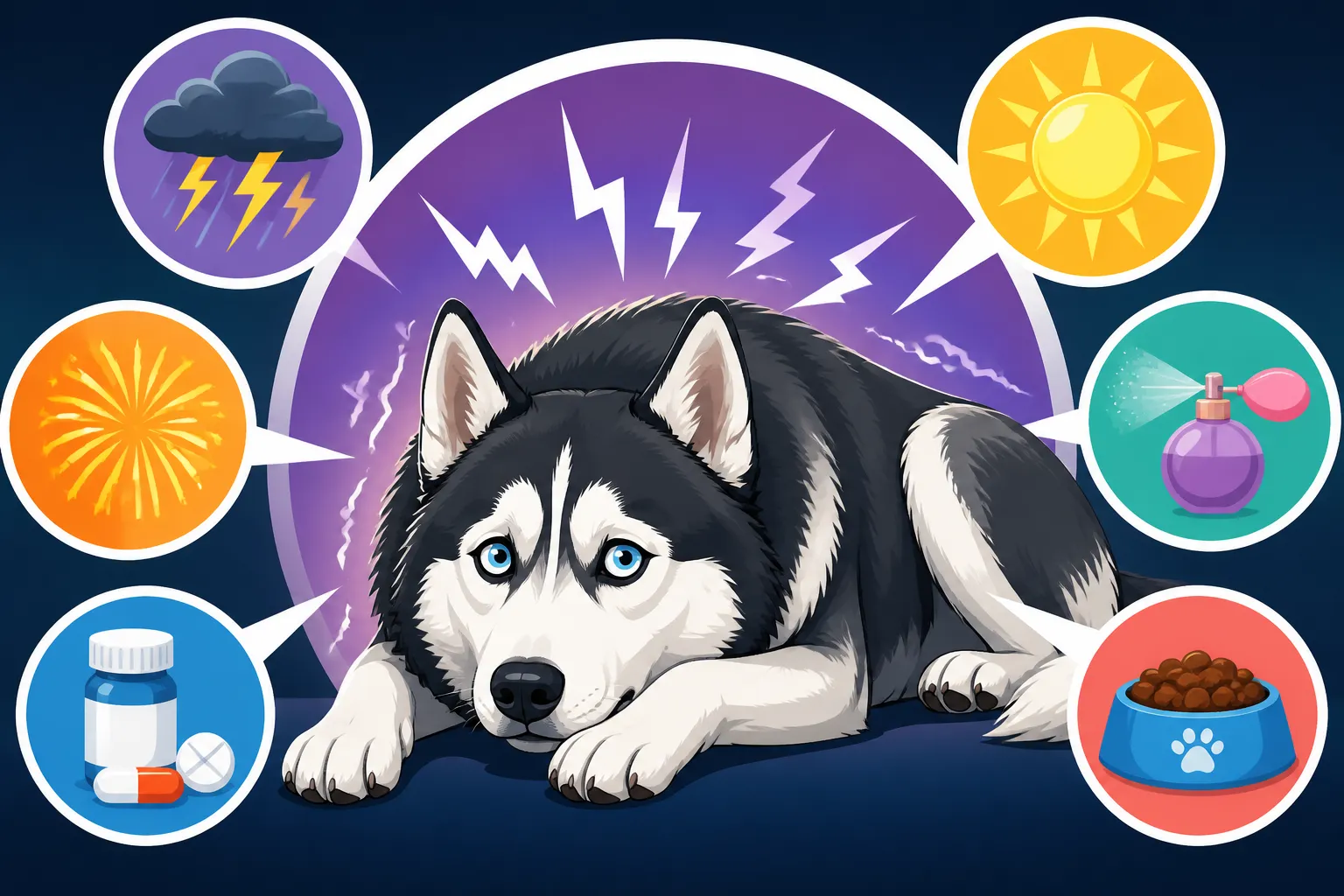
For a working Siberian Husky, their environment and the intensity of their activities can significantly influence their seizure threshold. These dogs are built for endurance and cold, but they aren't invincible. Overexertion, extreme temperatures, and even certain stressors can act as potent triggers for a Husky with a predisposition to seizures. It's a cruel irony that the very activities they love can sometimes push them too far.
One of the biggest concerns for working Huskies is heat. While they thrive in cold, they are notoriously susceptible to overheating in warmer climates or during intense exercise in mild weather. A sudden spike in body temperature can quickly lead to heat stroke risk in a Siberian Husky, which in turn can trigger seizures. You know that feeling when you're just slightly overheated and can't think straight? Imagine that magnified and combined with brain overactivity. This is why careful monitoring of weather conditions, hydration, and your dog's physical state during runs or training is paramount.
Overexertion and Exhaustion
Siberian Huskies are incredible athletes, but even they have limits. Pushing a working Husky too hard, especially beyond their current conditioning level, can lead to severe exhaustion. When a dog is truly overexerted, their body chemistry can change dramatically. This can include imbalances in electrolytes, drops in blood sugar (hypoglycemia), and even mild dehydration, all of which can lower the seizure threshold in a susceptible dog. Imagine a marathon runner hitting "the wall" – now add a potential neurological component.
For mushers, canicross enthusiasts, or bikejorers, it's essential to gradually increase distance and intensity, always watching for signs of fatigue that go beyond normal exertion. These signs can include lagging behind, excessive panting that doesn't subside, or a general loss of enthusiasm. If your Husky has a known seizure history, you might want to carefully consider Whether an Epileptic Siberian Husky Can Still Work at maximum capacity, or if adjustments to their regimen are necessary. A well-designed training program always prioritizes the dog's well-being over performance metrics, ensuring they don't reach a state of dangerous exhaustion that could precipitate a seizure.
Extreme Temperatures and Hydration
As mentioned, extreme heat is a major concern. Huskies have a dense double coat that is fantastic for keeping them warm in sub-zero temperatures, but acts like a heavy blanket when the mercury rises. Running a Husky in temperatures above 60°F (15°C) can be risky, and anything higher significantly increases the danger. The body's inability to effectively cool itself can lead to a cascade of internal events, including brain swelling, which is a direct pathway to seizures.
Conversely, while less common, extreme cold can also pose risks if a Husky is not properly conditioned or housed. Although built for cold, prolonged exposure without proper protection, especially if wet or thin, can lead to hypothermia, which can also disrupt normal brain function. Proper hydration is critical in all temperatures. Even mild dehydration can impact electrolyte balance, which is vital for proper neurological function. Always ensure your working Husky has access to fresh water before, during, and after any activity. Carry water with you on trails, and encourage frequent, small drinks rather than one large gulp.
Stress and Environmental Changes
Huskies are resilient, but like all dogs, they can experience stress. High-stress situations can release cortisol and other stress hormones that can alter brain chemistry, potentially lowering the seizure threshold in a dog already predisposed to epilepsy. For a working Husky, stressors might include:
- Competition environments: The noise, crowds, strange dogs, and intense atmosphere of a race or event can be overwhelming.
- Travel: Long car rides, flying in cargo, or unfamiliar surroundings can be stressful.
- Changes in routine: Sudden shifts in feeding times, exercise schedules, or handler changes.
- Loud noises: Thunderstorms, fireworks, or construction noise.
- Conflict: Interactions with aggressive dogs or perceived threats.
Observing your Husky's stress signals – excessive panting, yawning, lip-licking, pacing, or reluctance to engage – can help you intervene before the stress becomes too much. Creating a calm, predictable environment and gradually introducing new experiences can help build their resilience. Sometimes, just having a familiar routine can be a huge comfort, especially for a dog with an underlying condition.
Internal and Health-Related Triggers
Beyond the obvious external factors, there are numerous internal and health-related issues that can trigger seizures in a working Siberian Husky. It's not always about pushing them too hard on the trail; sometimes, the cause lies within their own body, demanding a different kind of vigilance and veterinary intervention.
These internal triggers can range from metabolic imbalances to infections, and even certain medications. This is why a comprehensive veterinary work-up is so crucial when a Husky experiences its first seizure, or if the pattern of known seizures changes. You want to rule out treatable causes before settling on a diagnosis of idiopathic epilepsy. The good news is that with proper diagnosis and management, many of these issues can be controlled, potentially reducing seizure frequency or severity.
Metabolic Imbalances
The body is a complex system, and any imbalance can have far-reaching effects, especially on the brain. Several metabolic issues can trigger seizures:
- Hypoglycemia (Low Blood Sugar): This is particularly relevant for highly active working Huskies. Intense, prolonged exercise without adequate fuel can deplete glucose levels, which the brain relies on for energy. Without enough sugar, brain cells can malfunction, leading to a seizure. This is more common in young, small, or extremely high-energy dogs, or those on restrictive diets. Ensure your working Husky is getting appropriate nutrition, especially High-Fat Food for a Siberian Husky in Winter or during intense training seasons, to maintain stable blood sugar.
- Electrolyte Imbalances: Sodium, potassium, and calcium levels are crucial for nerve function. Severe dehydration (as discussed earlier), kidney disease, or certain endocrine disorders (like Addison's disease) can throw these electrolytes out of whack, leading to neurological symptoms, including seizures.
- Liver Disease: The liver plays a vital role in detoxifying the body. If the liver isn't functioning correctly, toxins can build up in the bloodstream and affect brain function, a condition known as hepatic encephalopathy, which can cause seizures.
- Siberian Husky Thyroid and Autoimmune Disease: While hypothyroidism itself doesn't typically cause seizures directly, severe, untreated cases can sometimes lead to other metabolic derangements that might lower the seizure threshold. Autoimmune diseases can also indirectly impact neurological health.
These metabolic conditions highlight the importance of regular veterinary check-ups and blood work, especially for working dogs who put unique demands on their bodies.
Infections and Toxins
Infections, particularly those affecting the brain or central nervous system, are a serious cause of seizures. These can include:
- Canine Distemper: A severe viral disease that can cause neurological damage, leading to seizures. While less common due to widespread vaccination, it's still a threat to unvaccinated dogs.
- Meningitis/Encephalitis: Inflammation of the brain or its surrounding membranes, which can be caused by bacteria, viruses, fungi, or parasites.
- Parasites: Certain parasites, if they migrate to the brain, can cause neurological symptoms. This underscores the importance of consistent Parasite Prevention for an Outdoor Siberian Husky.
Beyond infections, exposure to toxins can also trigger seizures. Huskies are curious and prone to chewing, making them vulnerable to:
- Pesticides: Slug bait (metaldehyde), rodenticides, and certain insecticides.
- Household Cleaners: Bleach, detergents, and other chemicals.
- Human Medications: Even common over-the-counter drugs like ibuprofen or certain antidepressants can be highly toxic to dogs.
- Toxic Plants: Sago palms, lilies, and certain mushrooms are just a few examples.
- Heavy Metals: Lead poisoning, though less common now, can still occur.
Keeping your working environment and home free of accessible toxins is essential for preventing accidental poisoning and subsequent seizures.
Structural Brain Abnormalities and Tumors
Sometimes, seizures are a symptom of a physical problem within the brain itself. These structural issues can include:
- Brain Tumors: Both benign and malignant tumors can press on brain tissue, disrupting normal electrical activity. These are more common in older dogs, so if your senior Husky suddenly develops seizures, this is a prime suspect.
- Head Trauma: A severe blow to the head, perhaps from an accident during a run or an escape, can cause swelling, bleeding, or permanent damage to brain tissue, leading to post-traumatic seizures.
- Congenital Malformations: Some Huskies might be born with subtle abnormalities in brain development that only manifest as seizures later in life.
- Strokes: While less common than in humans, dogs can suffer strokes, which involve a disruption of blood flow to the brain, damaging tissue and potentially causing seizures.
Diagnosing these structural issues often requires advanced imaging like an MRI or CT scan. If a physical cause is identified, the treatment approach will be very different from that for idiopathic epilepsy, potentially involving surgery, radiation, or chemotherapy, depending on the diagnosis.
Managing and Preventing Seizures in Working Huskies
Dealing with seizures in your working Siberian Husky can be incredibly stressful, but proactive management and preventative strategies can make a significant difference. It’s not just about reacting when a seizure happens, but about creating a lifestyle that minimizes risks and ensures your Husky’s long-term health and ability to continue their working life safely, if appropriate.
The first step is always working closely with your veterinarian. They are your primary resource for diagnosis, treatment, and ongoing management. If your Husky has had a seizure, a thorough diagnostic workup, including blood tests and potentially advanced imaging, is crucial to identify or rule out underlying causes. Based on these findings, your vet can develop a tailored plan. Remember, prevention is often about managing triggers and providing the best possible supportive care.
First Aid During a Seizure
Witnessing a seizure is terrifying, but knowing what to do can help keep your Husky safe and reduce your anxiety. The most important thing is to stay calm and protect your dog from injury.
Here's what you should do:
- Stay Safe: Do not try to hold your Husky down or put your hands near their mouth. They are not intentionally biting, but they can accidentally bite during a seizure.
- Clear the Area: Move any furniture, sharp objects, or anything your Husky could hit or fall into away from them. If they are on stairs or near water, gently try to move them to a safer, flat surface.
- Time the Seizure: Note the exact start and end time of the seizure. Your vet will ask for this. Also, try to observe any specific behaviors (e.g., paddling, vocalizing, drooling, eye movements). This information is invaluable for diagnosis.
- Keep Cool: If the seizure lasts longer than a minute or two, your Husky's body temperature can rise dangerously. Apply cool (not ice cold) wet towels to their paws, head, and neck. You can also direct a fan toward them.
- Talk Calmly: Speak to your Husky in a soothing voice. While they may not understand, your calm presence can be reassuring as they recover.
- Post-Seizure Care: After the seizure, your Husky will likely be disoriented, confused, and tired (the post-ictal phase). They might wander aimlessly, be temporarily blind, or seek comfort. Guide them gently away from hazards, offer water, and allow them to rest in a quiet, dark place.
- Contact Your Vet: Always contact your vet after a seizure, even if it seems minor. They can advise on next steps. If a seizure lasts longer than 5 minutes, or if your Husky has multiple seizures in a short period (cluster seizures), it's a medical emergency. Seek immediate veterinary attention. Knowing What a Siberian Husky Emergency Visits Run can help you prepare for these situations.
Veterinary Diagnosis and Treatment
Once your Husky has had a seizure, your vet will perform a thorough examination. This typically involves:
- Physical and Neurological Exam: To assess overall health and neurological function.
- Blood Work: To check for metabolic issues (like low blood sugar, liver/kidney disease, electrolyte imbalances) or exposure to toxins. This might include a thyroid panel, as Siberian Husky Thyroid and Autoimmune Disease can sometimes play a role.
- Urinalysis: To check kidney function and rule out infections.
- Advanced Imaging (MRI/CT Scan): If other causes are ruled out, your vet may recommend an MRI or CT scan of the brain to look for structural abnormalities like tumors, inflammation, or fluid accumulation.
- Cerebrospinal Fluid (CSF) Analysis: In some cases, a sample of fluid from around the brain and spinal cord may be taken to check for infection or inflammation.
If a specific cause is found, treatment will focus on that condition. For example, if it's low blood sugar, dietary adjustments might be made. If it's a tumor, surgery or radiation might be considered. If no underlying cause is identified, the diagnosis is typically idiopathic epilepsy, and medication will likely be prescribed to help control the seizures. Medication for a Siberian Husky With Epilepsy often involves anti-convulsant drugs like phenobarbital, potassium bromide, or levetiracetam, which help stabilize brain activity. These medications usually need to be given consistently for life.
Lifestyle Adjustments and Monitoring
Even with medication, managing a working Husky with seizures requires careful lifestyle adjustments. These dogs thrive on routine, and maintaining consistency can be beneficial.
- Strict Medication Schedule: If your Husky is on anti-seizure medication, administer it at the exact same time every day. Missing doses or inconsistent timing can trigger breakthroughs.
- Avoid Known Triggers: If you've identified specific triggers (e.g., intense heat, extreme exertion, certain foods, or stressful situations), do your best to avoid them. This might mean adjusting your training schedule to cooler parts of the day, reducing mileage, or finding less competitive environments.
- Dietary Considerations: Discuss diet with your vet. While a balanced diet is always important, some studies suggest that certain diets, like those rich in medium-chain triglycerides (MCTs), might help manage seizures in some dogs. Avoid drastic dietary changes without vet consultation.
- Regular Vet Check-ups: Regular blood tests are often needed to monitor medication levels and check for potential side effects on organs like the liver and kidneys.
- Maintain a Seizure Log: Keep a detailed record of every seizure: date, time, duration, type of seizure, any observed triggers, and post-seizure behavior. This log is incredibly valuable for your vet to assess the effectiveness of treatment and make adjustments.
- Pet Insurance: Having pet insurance, like a plan from Healthy Paws, can be a real lifesaver when dealing with a chronic condition like epilepsy. The diagnostic tests, medications, and potential emergency visits can add up quickly, and a good policy can help ease the financial burden. Make sure to check the policy details regarding pre-existing conditions, as epilepsy might be excluded if it was diagnosed before enrollment. You can read more about Siberian Husky Pet Insurance and the Eye Clause to understand common policy exclusions. Getting comprehensive coverage as early as possible is always a smart move.
By being proactive, observant, and working closely with your veterinary team, you can provide your working Siberian Husky with the best possible chance at a full and active life, even with the challenges that seizures might present. It's a journey, but one you don't have to navigate alone.
Disclaimer
This article is intended for informational purposes only and does not constitute veterinary advice. Always consult with a qualified veterinarian for any health concerns or before making any decisions about your pet's medical care.