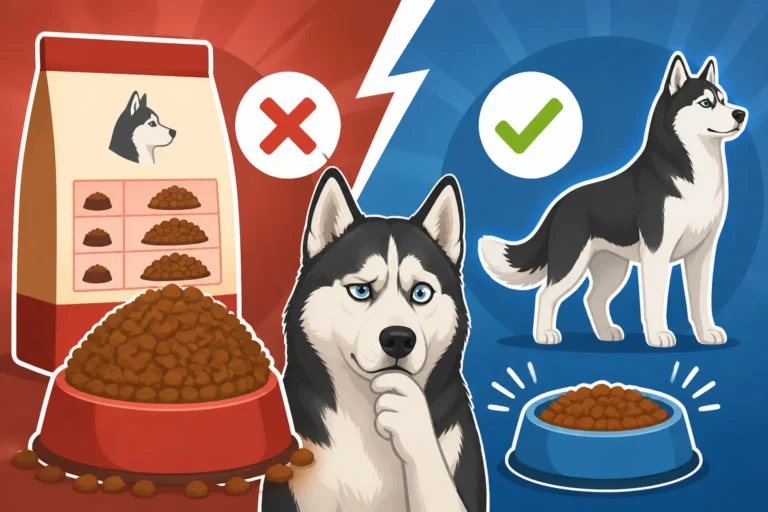
High-Fat Food for a Siberian Husky in Winter
As the snow starts to fall and the air gets crisp, many Siberian Husky owners find themselves wondering if their dog's diet needs to change. You watch your Husky come alive in the cold, zooming through drifts and playing with an energy they might not show in warmer months, and a common frustration pops up: are they getting enough fuel for all that incredible winter work, even if it's just playing in the backyard? This guide will dive deep into why high-fat foods can be a game-changer for your Siberian Husky during winter, helping you understand their unique needs and how to meet them effectively.
Why Winter Demands a Different Diet for Your Husky
It's easy to assume that because Huskies are built for the cold, their diet remains consistent year-round. However, even for these resilient dogs, winter brings physiological changes and increased energy demands that necessitate a thoughtful adjustment to their nutrition. Neglecting this can lead to your Husky burning through their reserves, impacting their health and performance.
Understanding the Siberian Husky's Unique Metabolism
Siberian Huskies are truly marvels of natural engineering, possessing a metabolism that's incredibly efficient, almost like a hybrid car compared to a gas guzzler. They can sustain high levels of activity on relatively fewer calories than many other breeds of similar size and energy. This efficiency is a direct inheritance from their ancestors, who worked tirelessly in harsh, unforgiving Arctic conditions. Their bodies are adept at converting fat into readily available energy, allowing them to travel vast distances without "hitting the wall" or requiring constant refueling.
In winter, this metabolic prowess becomes even more pronounced. Their bodies are actively working to maintain core temperature, which requires a constant expenditure of energy, even when they're simply resting outdoors in the cold. Add to that their natural inclination to be more active, whether it's pulling a sled, romping in deep snow, or simply enjoying longer, brisker walks. This increased activity, combined with the caloric burn for thermoregulation, means their baseline energy needs can jump significantly. Trying to fuel this with a diet designed for a sedentary indoor life in warmer weather is like putting regular unleaded into a high-performance racing engine; it might run, but it won't perform optimally.
The Role of Fat as Fuel in Cold Weather
When it comes to fueling your Husky in cold weather, fat is king. While carbohydrates provide quick bursts of energy and protein is essential for muscle repair and growth, neither offers the sustained, calorically dense fuel source that fat does. Think of it this way: carbohydrates are like kindling, burning hot and fast, while fat is like a slow-burning log, providing steady warmth and energy over a long period. For a Husky enduring cold temperatures and expending energy, this sustained fuel is paramount.
Fats contain more than twice the calories per gram compared to proteins or carbohydrates, making them an incredibly efficient energy source. This means your Husky can consume a smaller volume of food but still get a much higher caloric intake, which is beneficial for digestion and can prevent the feeling of being overly full while still getting adequate nutrition. Moreover, the metabolic process of breaking down fat generates more internal heat, contributing to their overall warmth and comfort in freezing conditions. This is why you'll often hear about sled dog diets being incredibly high in fat – it's not just for performance, but for survival and endurance in the most extreme environments.
The Benefits of High-Fat Foods for Winter Huskies
Beyond simply providing more calories, a diet rich in healthy fats offers a multitude of advantages for your Siberian Husky during the winter months. It's not just about energy; it's about overall health, resilience, and maintaining that magnificent double coat that keeps them warm.
Sustained Energy for Outdoor Adventures
Winter is when many Huskies truly come alive. Their instincts to run, pull, and explore are amplified by the crisp air and often, the inviting blanket of snow. Whether your Husky is a serious competitor in dryland mushing or just loves to join you for long hikes on snowy trails, a high-fat diet provides the sustained energy necessary for these vigorous activities. Unlike carbohydrates, which can cause blood sugar spikes and crashes, fats offer a steady release of energy, helping to prevent fatigue during prolonged exertion.
Imagine your Husky on a long winter run: their muscles are working, their body is generating heat, and they're navigating challenging terrain. A diet rich in fats ensures their energy reserves are consistently topped up, allowing them to maintain their pace and enthusiasm without premature exhaustion. This steady fuel supply also aids in quicker recovery post-activity, meaning they're less likely to be stiff or sore the next day. For working dogs, this can mean the difference between a productive day and one where they're struggling to keep up. Even for a pet Husky, it means more joyful, energetic play sessions and fewer days where they seem listless despite the cold. Feeding a Siberian Husky That Runs in Harness dives deeper into fueling active Huskies.
Supporting Skin and Coat Health in Dry Conditions
Winter air, both indoors and out, tends to be much drier than during other seasons. This can take a toll on your Husky's skin and coat, leading to dryness, flakiness, and even a dull appearance. Their glorious double coat is their primary defense against the cold, and keeping it in top condition is crucial. Healthy fats, particularly omega-3 and omega-6 fatty acids, play a vital role in nourishing the skin from the inside out and promoting a lustrous, healthy coat.
These essential fatty acids help maintain the skin's natural barrier function, preventing moisture loss and protecting against environmental irritants. A well-hydrated skin barrier means less itching, flaking, and discomfort for your Husky. Furthermore, these fats contribute to the natural oils in their coat, making the guard hairs stronger and more repellent to water and snow, and helping the undercoat remain thick and insulating. Without adequate fat, especially the right kinds of fat, their coat can become brittle, dull, and less effective at doing its job. Think of it as internal conditioning for their magnificent fur, helping them shed less dead undercoat during seasonal blows and maintaining their overall winter resilience.
Choosing the Right High-Fat Food for Your Siberian Husky
Navigating the world of dog food labels can feel overwhelming, especially when you're trying to pinpoint the best high-fat options for your winter-active Husky. It's not just about looking for a high percentage; it's about understanding the quality of those fats and how they contribute to your dog's overall health and energy.
What to Look For on the Label
When you're scanning dog food labels for a higher fat content, you'll want to pay close attention to the guaranteed analysis and the ingredient list. Ideally, for an active Siberian Husky in winter, you're looking for a dry food (kibble) with a fat content that sits comfortably in the 18-25% range, sometimes even higher for extremely active or working dogs. Compare this to a typical all-season maintenance food which might be in the 12-16% range. For fresh food or raw diets, the percentages might look different due to moisture content, but the caloric density derived from fat should still be a focus.
Beyond the percentage, the source of the fat is critical. Look for named animal fats such as chicken fat, beef fat, salmon oil, or flaxseed oil. These are highly digestible and provide beneficial fatty acids. Avoid vague terms like "animal fat" without a specified source. Omega-3 fatty acids, often from fish oils (like salmon oil), are particularly beneficial for skin and coat health, as well as joint support – an important consideration for active dogs. While plant-based fats like flaxseed can contribute, animal-based fats are generally more bioavailable for dogs. Also, ensure the food has a balanced protein content, typically in the 25-30% range for maintenance, as protein remains vital for muscle maintenance, even when fat is prioritized for energy. Protein and Fat Ratios for a Siberian Husky offers more insights into this balance.
Navigating Different Food Types
The market offers a wide array of food types, and each can be adapted to provide a higher fat content for your Husky. Understanding the nuances of kibble, wet food, fresh-prepared, and raw diets will help you make an informed decision based on your budget, convenience, and your Husky's preferences.
-
Kibble: This is the most common and often most convenient option. Many reputable brands offer performance or active dog formulas that naturally have higher fat content. When shopping online, sites like Chewy offer an extensive selection where you can filter by protein and fat percentages, making it easier to find suitable options. Look for brands that clearly list their fat sources and avoid excessive fillers. For example, some higher-end kibbles might feature chicken fat and salmon oil prominently.
-
Wet Food: While typically lower in overall calories due to high moisture content, some wet foods can be used as a topper to boost fat and palatability. You can also find wet food formulas designed for active dogs, or simply add a tablespoon of high-quality animal fat or fish oil to your Husky's regular wet meal. However, relying solely on wet food for high caloric needs can be expensive and may lead to needing to feed very large volumes.
-
Fresh-Prepared Meals: Services like Ollie deliver freshly cooked, human-grade meals that can be customized to your dog's needs. While often formulated for general nutrition, you can sometimes work with these services to select recipes or add-ons that naturally contain higher fat, or supplement them with appropriate, safe fat sources. These often have excellent digestibility and nutrient availability.
-
Raw Diets: Raw feeding, whether commercially prepared or homemade (with expert guidance), naturally tends to be higher in fat, particularly from cuts of meat with higher fat content and organs. This aligns well with a Husky's ancestral diet. If considering raw, ensure it's balanced and complete, and consult with a veterinary nutritionist. You can find pre-made raw meals or specific ingredients through specialty pet stores or online at places like Amazon for supplements and specific fatty cuts. Whether Raw Feeding Suits a Siberian Husky can give you more information here.
Regardless of the type, always introduce new foods gradually over several days to avoid digestive upset. Start by mixing a small amount of the new food with their old food, slowly increasing the proportion until they've fully transitioned.
How to Transition and Monitor Your Husky's Winter Diet
Making dietary changes for your Siberian Husky, especially when shifting to a higher-fat content, requires a thoughtful approach. A sudden change can lead to an upset stomach, which is the last thing you want for your active companion. Monitoring their response is just as crucial as selecting the right food.
Gradual Changes Are Key
Your Husky's digestive system needs time to adjust to new ingredients and different nutrient ratios. Rushing a dietary change, particularly one involving a significant increase in fat, can result in diarrhea, vomiting, or a general reluctance to eat. Think of it like this: if you suddenly switched from a low-fat diet to an incredibly rich one overnight, your own stomach might protest. Dogs are no different.
The best practice is a gradual transition over 7-10 days. Start by replacing about 25% of their old food with the new, higher-fat food for the first 2-3 days. If your Husky shows no signs of digestive upset, increase the new food to 50% for another 2-3 days, then 75% for the following days, until you're feeding 100% of the new diet. Throughout this process, keep a close eye on their stool quality and overall demeanor. If you notice any issues, slow down the transition or revert to the previous step. This measured approach minimizes stress on their digestive system and allows their gut microbiome to adapt to the new nutritional profile. Remember that Huskies have a relatively efficient metabolism, so even small changes can have a notable effect.
Observing Body Condition and Energy Levels
Once you've successfully transitioned your Husky to a high-fat winter diet, continuous monitoring is essential. This isn't a "set it and forget it" situation; their needs can fluctuate based on activity levels, ambient temperatures, and individual metabolism. The primary indicators you'll be looking at are their body condition and their energy levels.
-
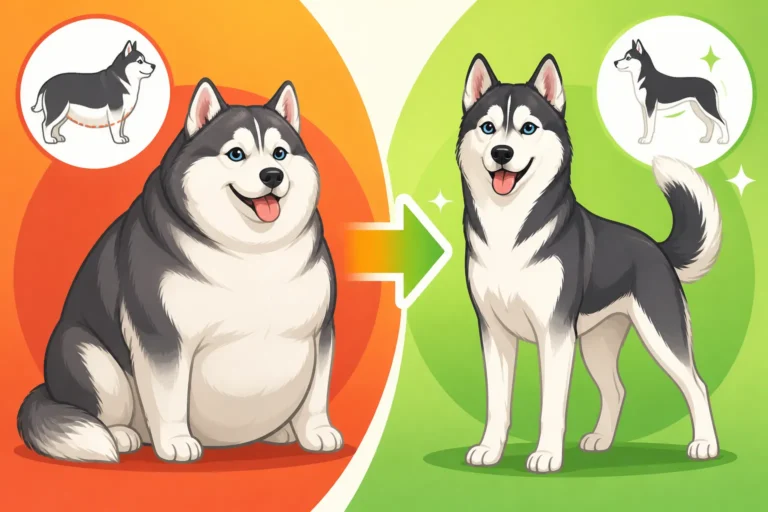
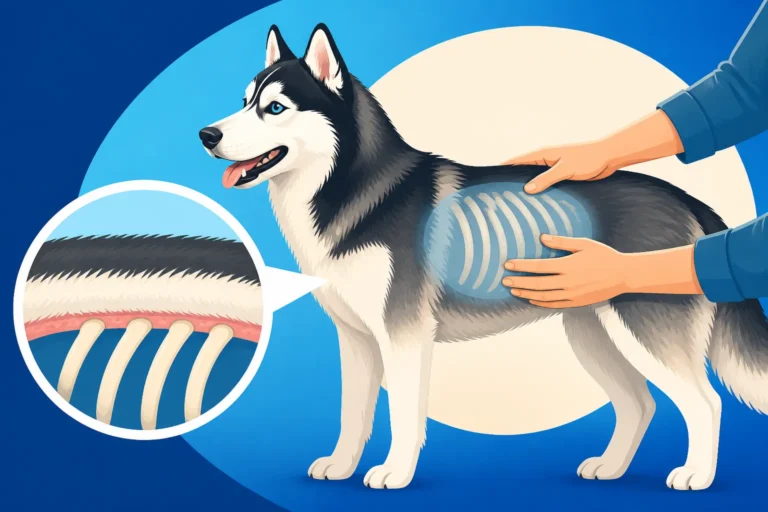
Body Condition: You should be able to easily feel your Husky's ribs under their coat, but not see them prominently. Their waist should be noticeable when viewed from above, and there should be an abdominal tuck from the side. If their ribs are becoming too visible, or their energy is dipping, they might need more food. Conversely, if you're struggling to feel their ribs or their waistline is disappearing, they might be getting too much and gaining unhealthy weight. Feeling for a Waist Under a Siberian Husky Coat provides great detail on how to assess this. Regular checks, perhaps weekly, will help you make small adjustments to their portion sizes as needed.
-
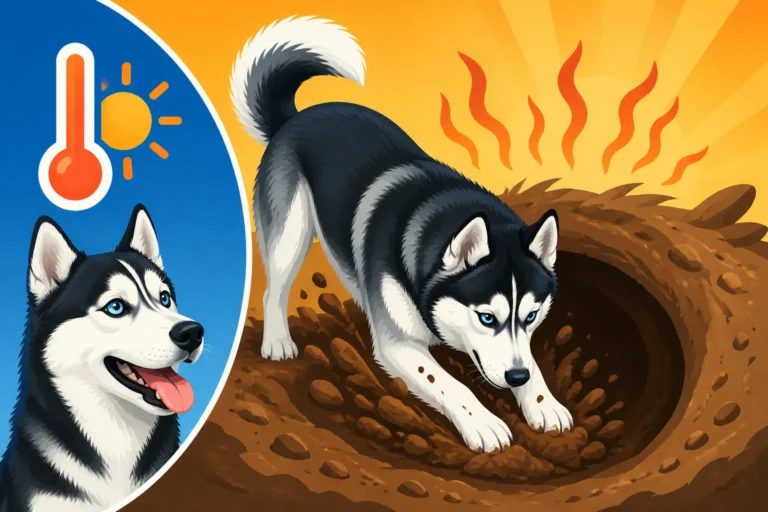
Energy Levels: Is your Husky still exhibiting that characteristic winter zest? Are they eager for walks and play? Do they have sustained energy throughout their activities? If they seem lethargic, tire quickly, or are unusually subdued, it could be a sign that their diet isn't providing adequate fuel, or perhaps they're not absorbing it well. On the other hand, if they're bouncing off the walls and seem overly restless, they might be getting too much energy or not enough outlet for it. While high-fat food helps with endurance, it won't replace the need for regular, vigorous exercise that is essential for this breed. Pay close attention to signs of overheating as well, especially if your Husky is exceptionally active, though the cold mitigates this somewhat, it's always a risk. Heat Stroke Risk in a Siberian Husky is a good read.
| Diet Type | Typical Fat Range (Winter Active) | Key Considerations |
|---|---|---|
| Performance Kibble | 18-25%+ | Convenient, widespread availability (e.g., Chewy) |
| Fresh-Prepared | Variable, often higher | High digestibility, can be customized (e.g., Ollie) |
| Raw Diet | Naturally high (20-30%+) | Requires careful balancing, can source ingredients (e.g., Amazon for supplements) |
| Wet Food (Topper) | Used to boost kibble | Adds palatability, good for picky eaters |
Remember, every Siberian Husky is an individual. What works perfectly for one might need tweaking for another. By understanding their unique needs in winter and closely monitoring their response, you can ensure your beloved companion stays healthy, energetic, and happy through the coldest months.
Disclaimer
This article is for general informational purposes only and does not constitute professional advice. Laws, prices and regulations vary by location and change over time. Consult a qualified professional for guidance on your specific situation.