Protein and Fat Ratios for a Siberian Husky
It’s a common scenario for Siberian Husky owners: you bring home your beautiful, energetic dog, grab a bag of premium dog food, and then… you start to wonder if you’re doing it right. The bag says one thing, your husky seems to have an entirely different metabolism, and suddenly you’re staring at food labels feeling like you need a degree in canine nutrition. Understanding the unique protein and fat requirements of our beloved Huskies is crucial for their health and boundless energy, and this guide is here to unravel those mysteries, making sure you can confidently fuel your furry friend.
Understanding the Siberian Husky's Unique Metabolism
Before we dive into the nitty-gritty of protein and fat percentages, it’s absolutely essential to grasp why Siberian Huskies are different. They aren't just another medium-sized dog breed; they're an ancient breed, honed by centuries of working in extreme conditions alongside the Chukchi people. This history has left them with a metabolic blueprint unlike many of our more recently developed breeds.
The Ancestral Diet and Its Influence
Imagine the harsh Siberian tundra: game was scarce, and resources were precious. The Chukchi sled dogs, the direct ancestors of our modern Huskies, thrived on a diet that was high in protein and fat, derived from the animals they hunted or were fed by their handlers. Crucially, their bodies adapted to extract maximum energy from these sources, particularly fat, and to be incredibly efficient with whatever they consumed. They couldn't afford to waste a single calorie.
This isn't just a historical anecdote; it directly impacts how your husky processes food today. Their systems are incredibly efficient at converting fat into usable energy, often preferring it over carbohydrates for sustained work. This ancestral diet predisposition means that while they can digest carbohydrates, their bodies are exceptionally good at utilizing fat. This is why you'll often hear about Huskies thriving on what seems like a surprisingly small amount of food compared to other breeds of similar size. Their internal machinery is simply that good at making every morsel count.
Why Huskies Are Not Like Other Medium Breeds
You might look at your husky and compare them to a Labrador or a Golden Retriever, both active, medium-to-large breeds. But functionally, their bodies operate on different principles. Many dog breeds, especially those developed for guarding or hunting over shorter bursts, might rely more heavily on carbohydrates for quick energy. Huskies, however, were bred for endurance. They needed to pull light loads over vast distances in freezing temperatures, sometimes for days on end, without quick access to food.
This demand shaped their metabolism to be fat-dominant for energy production. Think of it like a hybrid car: while other breeds might be great gasoline engines, your husky is a highly efficient diesel that can also run on gasoline when needed, but truly shines on its preferred fuel. This fundamental difference means that a generic "all life stages" or "active breed" dog food might not be optimally balanced for a husky, leading to issues like weight gain or lack of sustained energy if the ratios aren't right. It's not about making them work like sled dogs, but respecting the physiology that allows them to work like sled dogs, even if their "work" today is a long walk in the park. Why a Siberian Husky Eats Less Than a Labrador delves deeper into these metabolic differences.
Energy Efficiency: A Double-Edged Sword
The Siberian Husky’s incredible metabolic efficiency is both a blessing and a curse. On one hand, it means they often require less food than you might expect for their size and energy level, saving you on feed bills. On the other hand, it makes them particularly prone to weight gain if overfed, which is easy to do if you're following the generic feeding guidelines on commercial dog food bags. Those guidelines are typically calculated for the average dog, not the energy-conserving marvel that is a Siberian Husky.
A husky’s metabolism is designed to store energy for lean times. If calories consistently exceed their actual expenditure, even by a little, those calories are efficiently converted to fat. This is why it’s not uncommon to see Huskies who, despite seemingly being fed a reasonable amount, slowly pack on the pounds. This efficiency also means their nutritional needs can fluctuate quite dramatically based on their actual activity levels. A husky who spends the winter pulling a sled or participating in canicross will need a vastly different caloric and macronutrient intake than one who primarily enjoys leisurely walks and couch cuddles. It’s a constant balancing act, demanding mindful feeding rather than just pouring kibble into a bowl. Feeding a Siberian Husky on 60 Percent of the Label is a must-read for anyone navigating this challenge.
Deciphering Protein: Quality, Quantity, and Source
Protein is fundamental for every living creature, and your Siberian Husky is no exception. It's the building block for muscles, skin, hair, enzymes, hormones, and antibodies. But for Huskies, it's not just about having enough protein; it's about the right kind and right amount to support their active, lean physique.
The Role of Protein in a Husky's Body
For Huskies, protein serves several critical functions. First and foremost, it supports their powerful musculature. Even a pet husky, with its drive to run and explore, uses its muscles extensively. High-quality protein ensures that muscle tissue can repair and grow, keeping them strong and agile. It’s also vital for maintaining their magnificent double coat and healthy skin, a common concern for Husky owners who sometimes deal with issues like Zinc-Responsive Dermatosis in the Siberian Husky. Protein provides the amino acids necessary for robust hair growth and skin integrity.
Beyond structural roles, protein is crucial for a healthy immune system. Antibodies, which fight off infections, are made from protein. Energy production is another aspect, though for Huskies, fat typically takes the lead here. However, in certain situations, such as extreme endurance or if fat intake is insufficient, protein can be catabolized for energy. It’s like their emergency fuel reserve. The challenge with protein is that while essential, too much can put a strain on their kidneys over time, especially in older dogs, and convert to fat if caloric intake is too high overall.
Ideal Protein Percentages for Different Lifestyles
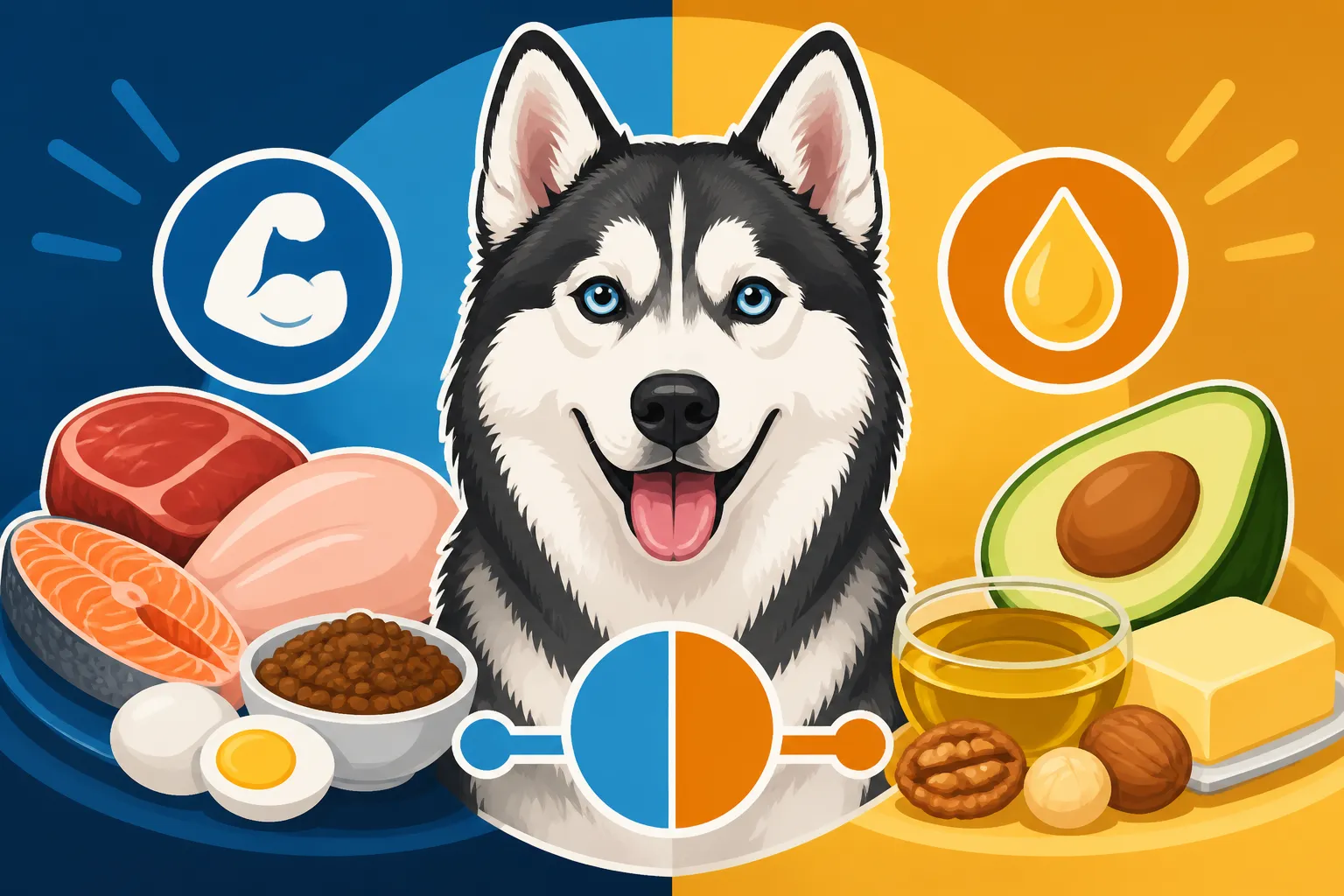
Given their ancestral background, it’s easy to think a husky needs super-high protein, but it’s more nuanced than that. For an average adult pet Siberian Husky with a moderate activity level (daily walks, some playtime), a dog food with a crude protein content in the 22-26% range is often sufficient. This provides adequate amino acids for maintenance without overloading their system. The Protein Level a Siberian Husky Needs is often different from what other breeds require.
However, for a truly working husky – one engaged in activities like sledding, canicross, or bikejoring for significant periods – their protein needs will increase. In these cases, a food with 28-32% protein might be more appropriate to support muscle repair and recovery from strenuous exercise. Growing puppies also have higher protein requirements, often needing around 28-30% for healthy development. The key is balance; too little protein can lead to muscle loss and a dull coat, while excessive protein not balanced with fat can be hard on the kidneys and potentially convert to fat, leading to unnecessary weight gain. Always consider your individual husky's age, activity level, and overall health when choosing a food, and don't be afraid to adjust as their lifestyle changes.
Identifying High-Quality Protein Sources
Not all protein is created equal. When you're looking at dog food labels, the source of the protein matters immensely. The best protein sources for your Siberian Husky will come from identifiable animal ingredients listed prominently at the top of the ingredient list. Look for whole meats like "chicken meal," "lamb meal," "beef," "salmon," "turkey," or "egg." The term "meal" (e.g., chicken meal) actually indicates a concentrated form of protein where the water has been removed, making it a very good source.
Avoid foods where the primary protein sources are vague "meat by-products" or heavily plant-based proteins like corn gluten meal or pea protein as the sole or dominant sources. While plant proteins can contribute, they often lack the complete amino acid profile that animal proteins offer. A high-quality dog food will list one or two specific animal protein sources as the first ingredients. Many excellent options are available from retailers like Chewy or Amazon, allowing you to compare ingredients and guaranteed analysis from various brands. Remember, your husky's body is designed to process animal protein efficiently, so leaning into that natural design is always a good strategy.
The Critical Role of Fat in the Siberian Husky Diet
If protein is the building block, then fat is often the primary fuel source for your Siberian Husky, especially when it comes to sustained energy and maintaining that magnificent coat. Ignoring fat, or misbalancing it, can lead to a host of problems.
Fat as a Primary Energy Source
This is where the Siberian Husky truly shines metabolically. Unlike many other breeds that primarily burn carbohydrates for energy during activity, Huskies are incredibly efficient at utilizing fat for sustained effort. Think of a long-distance runner who "hits the wall" when their glycogen (carbohydrate) stores are depleted. A husky, by contrast, can tap into fat reserves almost immediately and continue working for extended periods without experiencing the same kind of energy crash. This adaptation is a direct result of their heritage as endurance sled dogs.
For your pet husky, this translates to stable energy levels throughout the day without significant spikes or crashes. Fat also plays a crucial role in nutrient absorption, particularly for fat-soluble vitamins (A, D, E, K). It contributes significantly to the palatability of food, making it more appealing to your sometimes-picky eater. More than just energy, fat is essential for cellular function, hormone production, and maintaining internal organ health. It's truly a powerhouse macronutrient for this breed.
Balancing Fat Content for Health and Activity
Just like with protein, the "ideal" fat percentage depends heavily on your husky's lifestyle. For an adult pet husky with a moderate activity level, a dog food containing 15-20% crude fat is often a good starting point. This range provides ample energy and supports skin and coat health without being excessively rich.
However, for Huskies engaged in regular, strenuous work—like those training for competitive sledding or even consistently long, vigorous runs—their fat requirements will be significantly higher. These working dogs might thrive on diets with 25-35% fat, sometimes even higher during peak training or cold weather. High-Fat Food for a Siberian Husky in Winter is especially important for working dogs. The extra fat provides dense calories needed to sustain their output and helps maintain body temperature in cold environments. Puppy foods will generally have slightly higher fat content than adult maintenance foods to support rapid growth. The key is to observe your husky's body condition and energy levels. If they are too thin despite adequate calories, you might need more fat. If they are gaining weight, you might need to reduce the fat, or more likely, reduce the overall quantity of food. Getting Weight Onto a Thin Siberian Husky and Slimming an Overweight Siberian Husky provide further insights on these adjustments.
Healthy Fat Sources and Omega Fatty Acids
When choosing a food, the source of fat is as important as the quantity. Look for identifiable animal fats like "chicken fat," "beef fat," or "salmon oil." Vegetable oils like flaxseed oil or sunflower oil can contribute, but animal fats often provide a more complete profile of essential fatty acids that dogs need.
Of particular importance are Omega-3 and Omega-6 fatty acids. These are polyunsaturated fats that play vital roles in reducing inflammation, supporting brain and eye development (especially in puppies), maintaining a healthy immune system, and contributing to that glorious, thick husky coat. Good sources of Omega-3s include fish oils (like salmon oil, often found in supplements or added to high-quality foods), flaxseed, and some algal oils. Omega-6s are typically abundant in most animal fats and poultry. A good dog food will aim for a healthy balance of these, often with an Omega-6 to Omega-3 ratio between 5:1 and 10:1. If your husky's food doesn't list a good source of Omega-3s or you notice a dull coat or dry skin, supplementing with a quality fish oil can be beneficial. Many brands on Amazon offer excellent fish oil supplements specifically formulated for dogs.
Carbohydrates: The Often-Misunderstood Macronutrient
Carbohydrates in dog food can be a bit of a hot topic, with debates raging about grain-free diets and their overall necessity. For Siberian Huskies, understanding carbs is about finding a balance that supports their unique metabolic design.
The Debate Around Grains and Grain-Free Diets
For years, "grain-free" was synonymous with "healthy" in the pet food world, largely driven by marketing trends and the idea of mimicking an ancestral diet. The thinking was that since ancestral wolves didn't eat grains, domestic dogs shouldn't either. While Huskies can certainly thrive on a diet with lower carbohydrates, the blanket statement that all grains are bad is largely unfounded for most dogs. Grains like rice, oats, and barley can be excellent sources of digestible carbohydrates, fiber, and B vitamins.
The initial concern with grain-free diets centered around some studies linking them to dilated cardiomyopathy (DCM) in certain breeds, particularly when grains were replaced with high amounts of legumes like peas, lentils, and potatoes. This issue is complex and still being researched. For Huskies, who are so efficient at burning fat, a diet that is excessively high in carbohydrates (whether from grains or legumes) might not be ideal because it can lead to excess calories being stored as fat rather than efficiently utilized. However, a moderate amount of digestible carbohydrates is generally not harmful and can provide quick energy bursts when needed. The key is to prioritize protein and fat, then ensure any carbohydrates are easily digestible and provide nutritional value.
Complex Carbs for Sustained Energy (If Needed)
While fat is the husky's preferred fuel for endurance, complex carbohydrates can play a role, especially for immediate energy needs or during periods of very intense, short-duration activity. Ingredients like sweet potatoes, oats, brown rice, or even pumpkin can provide digestible carbohydrates that release energy more slowly than simple sugars, avoiding a blood sugar spike and crash.
For a pet husky with a moderate activity level, a food with a carbohydrate content (often inferred from the remaining percentage after protein, fat, and moisture) that isn't excessively high is usually fine. If your husky is highly active in cold weather, a small amount of complex carbohydrates alongside high fat can provide that quick energy boost at the beginning of a run. It's about moderation and choosing nutrient-dense sources over empty fillers. Some owners find that a small amount of added cooked sweet potato or pumpkin to their husky's kibble can aid digestion and provide a little extra palatable energy, especially if their dog is a picky eater or needs Weight Gain in a Hypothyroid Siberian Husky.
Fiber's Role in Digestive Health
Fiber, a type of carbohydrate, is incredibly important for digestive health, even if it doesn't provide direct energy. It helps regulate bowel movements, keeps the gut healthy, and can contribute to a feeling of fullness, which is helpful if you have a husky who tends to be a bit of a vacuum cleaner. Soluble fiber (found in ingredients like oats, barley, fruits, and vegetables) can help firm up loose stools, while insoluble fiber (found in wheat bran, whole grains, and cellulose) adds bulk to stool, helping to prevent constipation.
For Huskies, good digestive health is crucial, especially given their often sensitive stomachs. A food with a moderate amount of fiber (typically 2-5% crude fiber) is generally beneficial. Too little fiber can lead to constipation, while too much can interfere with nutrient absorption and potentially cause loose stools. Many high-quality dog foods, including those you can find on Ollie, incorporate various fiber sources to support healthy digestion. If your husky experiences digestive upset, adjusting the fiber content might be one of the first things your vet suggests. A Siberian Husky With a Sensitive Stomach highlights the importance of diet in managing these issues.
Putting It All Together: Choosing and Evaluating Dog Food
Now that you understand the individual macronutrients, let’s talk about how to apply this knowledge when you’re standing in the pet food aisle (or browsing online at Chewy!). Choosing the right food is about more than just a brand name; it’s about decoding the label and matching it to your husky.
Reading Dog Food Labels Like a Pro
The dog food label is your ultimate tool, but it can be confusing. Here’s what to focus on:
- Guaranteed Analysis: This is the most important section for protein and fat. It will list the minimum percentages of crude protein and crude fat, and maximum percentages of crude fiber and moisture. Remember our target ranges: 22-26% protein and 15-20% fat for average adult Huskies, higher for working dogs.
- Ingredient List: Ingredients are listed by weight before cooking. Look for specific, named animal protein sources (chicken, lamb, salmon) as the first few ingredients. Avoid vague terms like "meat" or "animal digest." If you see a lot of plant-based proteins or fillers at the top, it might not be the best choice for your husky.
- AAFCO Statement: Look for a statement from the Association of American Feed Control Officials (AAFCO). This confirms the food is "complete and balanced" for a specific life stage (e.g., "for growth," "for adult maintenance," or "for all life stages"). This indicates the food meets minimum nutritional requirements.
- Calorie Content (Kcal/kg): This tells you how many calories are in a kilogram or cup of food. Given a husky's efficient metabolism, knowing the calorie density helps prevent overfeeding. Calories a Fifty-Pound Siberian Husky Needs Daily is vital information for managing portion sizes.
Don't be swayed by fancy marketing terms alone. Stick to the facts on the label, and remember that many smaller, niche brands found on platforms like Chewy or Amazon often provide excellent transparency in their ingredients and analysis.
Tailoring the Diet to Your Husky's Individual Needs
Every husky is an individual. What works perfectly for one might not be ideal for another. You need to be a detective, observing your own dog.
- Activity Level: This is the biggest factor. A husky that gets an hour of brisk walking daily needs less than one that runs 10 miles with you. Adjusting protein and fat percentages, and especially overall caloric intake, is crucial.
- Age: Puppies need more calories, protein, and fat for growth. Senior Huskies might need fewer calories, potentially slightly less protein to ease kidney workload, and often joint-supporting supplements.
- Body Condition: Regularly feel your husky's ribs. You should be able to feel them easily but not see them prominently. If you can't feel them, your husky is likely overweight. If they are very prominent, your husky might be underweight.
- Coat and Skin Health: A dull coat, flaky skin, or excessive shedding (outside of seasonal blows) can be indicators of nutritional deficiencies, sometimes related to fat quality or zinc absorption.
- Digestive Health: Consistent loose stools, constipation, or excessive gas suggest the food isn't agreeing with them.
It's a process of trial and error. Start with a high-quality food that fits the general guidelines, then tweak portion sizes. If you're not seeing the desired results, consider gradually transitioning to a food with different macronutrient ratios. Don't make drastic changes overnight, as this can upset their stomach. Adjusting Siberian Husky Food After Neutering is another factor to consider for some dogs, as their metabolism can shift post-surgery.
Navigating Different Food Types (Kibble, Wet, Raw, Fresh)
The market offers a dizzying array of dog food types, each with pros and cons:
- Kibble (Dry Food): The most common and convenient option. It’s generally cost-effective and easy to store. Look for high-quality kibble with named meat as the first ingredient and appropriate protein/fat ratios. Many brands available through Chewy offer specialized formulas.
- Wet Food (Canned): Higher in moisture, which can be beneficial for hydration. It’s often more palatable for picky eaters but can be more expensive and less calorie-dense per serving. It's excellent as a topper or for medication administration.
- Raw Food (BARF/Prey Model): Advocates believe this mirrors an ancestral diet, potentially offering better nutrient absorption and cleaner teeth. However, it requires careful handling to prevent bacterial contamination, must be nutritionally balanced (which can be complex for owners), and can be expensive. Whether Raw Feeding Suits a Siberian Husky is a critical discussion to have with your vet.
- Fresh Cooked Food (Human-Grade): Services like Ollie deliver freshly prepared, nutritionally balanced meals. This offers high palatability and controlled ingredients. It's often more expensive than kibble but less prone to bacterial issues than raw and can be tailored.
No matter the type, the principles of protein and fat ratios, ingredient quality, and overall caloric balance remain paramount. Always ensure the food is complete and balanced for your husky's life stage, and consider consulting with a veterinary nutritionist if you're exploring less conventional diets.
Common Pitfalls and Troubleshooting Nutritional Issues
Even with the best intentions, feeding a Siberian Husky can come with its unique set of challenges. Knowing what to look out for and how to respond can save you a lot of worry and vet visits.
The Dangers of Overfeeding and Underfeeding
Given their efficient metabolism, overfeeding is arguably the most common mistake made by Siberian Husky owners. It's easy to pour too much kibble, offer too many treats, or misjudge calorie needs, leading to gradual weight gain. Obesity in Huskies, like in any dog, can lead to serious health problems, including joint issues (even if they have good hips), diabetes, heart disease, and a shortened lifespan. Regularly monitor your husky’s body condition, and remember that Weighing a Siberian Husky's Ration Instead of Scooping is far more accurate than using a measuring cup, as kibble density varies wildly.
On the flip side, underfeeding can happen, especially with highly active Huskies whose energy expenditure might exceed even a generous portion. An underfed husky will show signs of low energy, muscle loss, and excessive thinness. This is particularly crucial for working dogs or growing puppies. If you suspect your husky is underfed, assess their activity level and consider increasing their caloric intake, focusing on high-quality fats. Always consult your vet to rule out underlying medical conditions.
Addressing Picky Eaters and Sensitive Stomachs
Siberian Huskies are notorious for being picky eaters. They might skip meals, turn their nose up at perfectly good food, or suddenly decide they no longer like their current kibble. This can be incredibly frustrating for owners who worry their dog isn't getting enough nutrition. Often, this pickiness stems from their efficient metabolism – they genuinely don't need as many calories, so they're not always ravenously hungry.
For picky eaters, try:
- Scheduled Meals: Offer food for 15-20 minutes, then pick it up. No free-feeding. This creates routine and encourages them to eat when food is available.
- Palatability Boosters: A splash of warm water, a spoonful of plain canned pumpkin, or a small amount of low-sodium broth can make kibble more appealing.
- Consistency: Avoid constantly switching foods, which can also upset their stomach. If you do switch, do so gradually over 7-10 days.
For sensitive stomachs, which many Huskies seem to have, look for foods with simpler ingredient lists, novel protein sources (like duck or venison), or easily digestible carbohydrates. Probiotics can also be very helpful. Brands like Purina Pro Plan Sensitive Skin & Stomach are often recommended by vets and readily available through retailers like Chewy.
When to Consult Your Veterinarian or a Veterinary Nutritionist
While this guide provides a wealth of information, there's no substitute for professional veterinary advice. You should always consult your veterinarian if:
- Your husky experiences sudden, unexplained weight loss or gain.
- They have persistent digestive issues (vomiting, diarrhea, chronic gas).
- You notice significant changes in their coat, skin, or energy levels.
- You are considering a homemade diet (raw or cooked) to ensure it's nutritionally complete and balanced.
- Your husky has a diagnosed health condition (e.g., kidney disease, diabetes, allergies) that requires a specialized diet.
- You have an extremely active working dog whose needs are outside the norm for a pet husky.
For complex nutritional challenges or if you're considering a unique diet, a board-certified veterinary nutritionist can provide highly specialized guidance tailored precisely to your husky's individual needs and health profile. They can analyze current diets, formulate custom recipes, and help troubleshoot persistent issues that a general vet might not have the in-depth expertise for. Your vet is always your first and best resource.
Disclaimer
This article is for general informational purposes only and does not constitute professional advice. Laws, prices and regulations vary by location and change over time. Consult a qualified professional for guidance on your specific situation.