Getting Weight Onto a Thin Siberian Husky
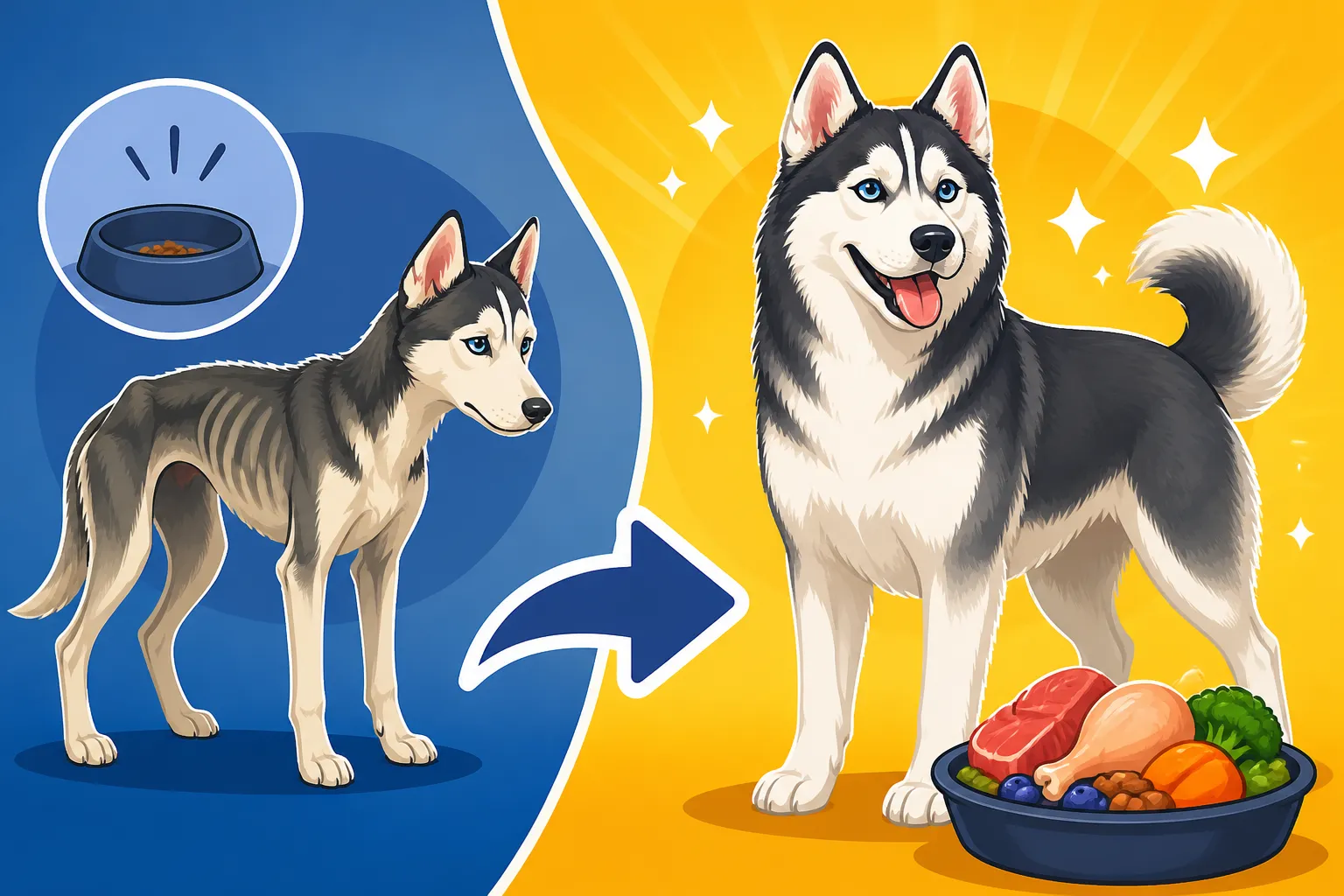
It's incredibly frustrating and often worrying when you look at your beloved Siberian Husky and see them looking a little too thin. You try to feed them well, you give them all the love, but sometimes, those ribs just seem a bit too prominent, or their waist tucks up more than you'd like. This guide is here to walk you through understanding why your Husky might be thin, how to identify if it's a concern, and practical, empathetic steps you can take to help them put on healthy weight.
Understanding the Unique Siberian Husky Metabolism
Siberian Huskies are truly a marvel of nature, bred for endurance and efficiency in harsh conditions. This incredible background means their bodies work differently than many other breeds, which often leads to misunderstandings about their ideal weight and eating habits. It's not uncommon for new Husky owners, or even experienced ones, to worry when their dog appears leaner than expected.
The "Finicky Eater" Reputation
If you own a Siberian Husky, you've probably already experienced the phenomenon of the "finicky eater." One day, they devour their meal with gusto, and the next, they eye it with suspicion, push it around, and then walk away, leaving a full bowl. It's enough to make you tear your hair out! This isn't just a quirk; it's often a built-in trait reflecting their ancestral needs. In their native environment, food sources weren't always consistent, so their bodies adapted to thrive on less and be less enthusiastic about every meal if they weren't expending massive amounts of energy.
This inconsistent appetite can be a major source of stress for owners. We're wired to associate a dog's eagerness for food with health, and when a Husky just isn't interested, it triggers all sorts of alarms. However, for many Huskies, this is simply their normal. They have incredibly efficient metabolisms, meaning they can extract maximum nutrition from their food and don't always need to eat large quantities. This is a survival mechanism, not necessarily a sign of illness, though it can certainly make putting on weight a challenge.
Why They Burn Calories Differently
Think about what Siberian Huskies were originally bred for: pulling light loads over vast distances in freezing temperatures. This isn't about power or bulk; it's about sustained effort and conserving energy. Their bodies are designed to burn calories incredibly efficiently. They convert food into energy with very little waste, which is why you'll often hear advice about Feeding a Siberian Husky on 60 Percent of the Label. They simply don't need as many calories per pound of body weight as many other breeds, especially if they aren't working sled dogs.
This efficient metabolism means that even a slight increase in their activity level without a corresponding, carefully managed increase in calories can quickly lead to weight loss. Conversely, overfeeding a Husky is surprisingly easy because their bodies aren't accustomed to processing an abundance of food. Striking the right balance is key, and it’s a constant dance between their activity and their intake.
When "Thin" is Actually Healthy
One of the biggest anxieties for Husky owners is figuring out if their dog is genuinely too thin or just lean and healthy. Many people are used to seeing dogs with a bit more padding, and a truly fit Siberian Husky can look quite slender. The AKC breed standard for Siberian Huskies describes them as "medium size, of moderate bone, well balanced proportions." This "moderate bone" means they shouldn't look heavy or bulky.
A healthy Husky should have visible muscle definition, especially over their hindquarters, and you should be able to easily feel their ribs when you run your hand along their side, without them protruding sharply. Their waist should be clearly defined when viewed from above, and there should be a distinct tuck-up from their ribcage to their hind legs when viewed from the side. If you're unsure, check out resources on Reading a Siberian Husky's Ribs Under the Coat and learn how to do a body condition score. Often, what owners perceive as "too thin" is actually a perfectly healthy, athletic physique for the breed.
Identifying the Root Cause of Weight Loss
Before you start adding extra scoops to their bowl, it's crucial to figure out why your Siberian Husky might be thin. Is it a health issue, a lifestyle factor, or just a normal Husky metabolism that needs a slight adjustment? Jumping to conclusions or trying to "fatten them up" without understanding the cause can actually do more harm than good.
Medical Issues vs. Behavioral Habits
Any unexplained or sudden weight loss in a dog should always trigger a visit to your veterinarian. This is the most critical first step. There are many underlying medical conditions that can cause a Husky to lose weight, even with a seemingly good appetite. These can include:
- Parasites: Intestinal worms can steal nutrients, leading to weight loss despite eating. Regular deworming and fecal checks are essential.
- Dental problems: Painful teeth can make eating difficult or uncomfortable, leading to reduced intake.
- Thyroid issues: While often associated with weight gain, some thyroid conditions can impact metabolism in complex ways. You might want to explore Siberian Husky Thyroid and Autoimmune Disease.
- Gastrointestinal disorders: Conditions like inflammatory bowel disease (IBD) or exocrine pancreatic insufficiency (EPI) can prevent proper nutrient absorption.
- Kidney or liver disease: These serious conditions can affect appetite and metabolism.
- Cancer: Unfortunately, cancer can cause cachexia (wasting) even in its early stages.
- Zinc-Responsive Dermatosis: While primarily a skin condition, poor zinc absorption can impact overall health and appetite. Why Siberian Huskies Absorb Zinc Poorly explains this common breed-specific challenge.
Your vet will be able to perform a thorough examination, including blood work and potentially other diagnostic tests, to rule out any medical causes. If everything comes back clear, then you can start looking at lifestyle and dietary factors.
Stress, Environment, and Activity Levels
Even if your Husky is medically sound, various non-medical factors can contribute to being underweight. These often go hand-in-hand with their independent and sometimes anxious nature.
- Stress and Anxiety: Huskies are sensitive to changes. Moving to a new home, a new pet joining the family, or even changes in your daily routine can cause stress, which can lead to a reduced appetite. Some Huskies might also experience separation anxiety, which can manifest as not eating when alone. Exploring Siberian Husky Separation Behavior might shed some light here.
- Environmental Factors: If your Husky is spending a lot of time outdoors in very cold weather, they'll burn significantly more calories just to stay warm. Conversely, extreme heat can suppress appetite. Are they getting enough shade and fresh water if outside in warmer climates?
- Activity Levels: This is a huge one for Huskies. If your Husky is exceptionally active – perhaps you've recently started a new sport like canicross, or they're just naturally a high-energy individual – their calorie expenditure might simply be higher than their current food intake. Remember, How Much Exercise a Siberian Husky Really Needs is substantial, and if they're getting it, they need the fuel.
Consider your Husky's daily life. Are there any recent changes? Is their environment stimulating but not overly stressful? Are they truly getting enough exercise for their breed, and if so, is their food matching that output?
Diet Quality and Ingredient Absorption
Finally, the food itself plays a critical role. It's not just about how much food, but what kind of food.
- Low-Quality Food: Foods with a lot of fillers, low-quality protein sources, or ingredients that are difficult for dogs to digest might not be providing enough bioavailable nutrition, even if the calorie count seems sufficient. Huskies thrive on quality ingredients.
- Inappropriate Food for Their Needs: A food designed for a sedentary, low-energy breed simply won't cut it for a high-metabolism Siberian Husky. They need food with good Protein and Fat Ratios for a Siberian Husky to support their energy levels and coat health.
- Individual Sensitivities: Just like people, some Huskies can have sensitivities or allergies to certain ingredients (like common grains or proteins) that can lead to poor digestion, nutrient malabsorption, and subsequent weight loss. While less common, it's something to consider if other factors are ruled out.
Sometimes, even a high-quality food might not be the right high-quality food for your individual Husky. It's a journey of discovery to find what truly helps them thrive.
Strategies for Healthy Weight Gain
Once you've ruled out medical issues and considered environmental factors, it's time to implement strategies to help your Siberian Husky gain weight healthily. This isn't about simply force-feeding them; it's about providing the right nutrition in a way they'll accept and can properly utilize.
Calorie-Dense, Nutrient-Rich Foods
The goal isn't just weight; it's healthy weight. This means focusing on foods that pack a nutritional punch without excessive bulk.
- Higher-Fat, Moderate-Protein Kibble: Look for foods that have a higher fat content (around 18-25%) and moderate protein (25-30%). Fat is a very concentrated source of calories, and Huskies, as endurance animals, utilize fat efficiently for energy. Brands like Orijen, Acana, and some performance lines often fit this profile. You can find a good selection and compare ingredients on retailers like Chewy or Amazon. However, avoid extremely high protein without corresponding fat, as this can be harder on their kidneys.
- Wet Food or Fresh Food Options: If your Husky is truly finicky, adding wet food, a fresh food meal, or even a fresh food topper can make mealtime more appealing. Brands like Ollie offer fresh food subscriptions that are highly palatable and nutrient-dense. Even a spoonful of canned pumpkin or unsweetened plain yogurt can pique interest and add some extra goodness.
- Gradual Food Transitions: Never switch foods abruptly. This can cause digestive upset and make weight gain even harder. Gradually mix the new food with their old food over 7-10 days, slowly increasing the new food's proportion.
- Consider "Large Breed Puppy" Food for Young Adults: For some younger Huskies who are still growing or very active but have finished their initial puppy growth, a high-quality large breed puppy food can be a temporary solution for extra calories, as these are typically more calorie-dense. Always consult your vet first, as overfeeding puppy food to an adult can lead to imbalanced nutrition.
Remember that Monthly Food Spend for an Adult Siberian Husky can vary greatly based on the food quality and type you choose, but investing in good nutrition is key to their health.
Feeding Schedules and Methods
How you present the food can be just as important as what's in the bowl, especially for picky eaters.
- Smaller, More Frequent Meals: Instead of two large meals, try offering three or four smaller meals throughout the day. This can be less overwhelming for a Husky who gets bored easily and helps prevent them from feeling too full. It can also help with absorption.
- Quiet, Undisturbed Feeding Area: Ensure your Husky has a calm, quiet place to eat where they won't be interrupted by other pets, children, or household activity. Some Huskies are easily distracted.
- Food Puzzles and Interactive Toys: For Huskies who lack enthusiasm, making mealtime a game can stimulate their appetite. Use puzzle feeders or KONGs stuffed with their food (perhaps mixed with a little bone broth or peanut butter) to make them "work" for their meal. This taps into their intelligent, problem-solving nature.
- Adding Palatability Boosters: A splash of warm water, low-sodium chicken broth, or a sprinkle of a food topper can make their kibble more enticing. You can also mix in a small amount of lean cooked meat (like chicken or beef) or a scrambled egg for extra protein and flavor, but always ensure these additions are balanced and don't make up too large a portion of their daily intake.
- Warm it Up: Some dogs prefer their food slightly warmed, especially if it's wet food or fresh food. It can enhance the aroma and make it more appealing.
If your Husky is one that frequently leaves food in the bowl, as discussed in A Siberian Husky That Leaves Food in the Bowl, don't leave it down all day. Offer it for 15-20 minutes, then pick it up. This teaches them that food isn't always available and encourages them to eat when it's offered.
Smart Supplementation
Supplements can be beneficial, but they should never be a substitute for a balanced, high-quality diet. Always discuss any supplements with your vet first.
- Omega-3 Fatty Acids: Fish oil supplements (like salmon oil or krill oil) can add healthy fats, support skin and coat health, and have anti-inflammatory benefits. They're a great way to boost calories discreetly. You can often find these easily on Chewy or Amazon.
- Digestive Enzymes/Probiotics: If malabsorption is suspected, even after a vet check, digestive enzymes or probiotics can help your Husky better break down and absorb nutrients from their food. This is particularly useful if their stomach seems sensitive or if they've been on antibiotics recently.
- Zinc Supplementation: This is a crucial one for many Huskies. If your vet diagnoses zinc-responsive dermatosis or even marginal zinc deficiency, proper Zinc Doses Used in Siberian Huskies can make a huge difference, not just for their skin but also for their overall well-being and appetite. Remember, a balanced diet often does not fix a Husky's inherent zinc absorption issue, as explained in Why a Balanced Diet Does Not Fix Husky Zinc Loss. You might find various formulations on Amazon.
- High-Calorie Pastes or Gels: For very underweight or recovering Huskies, your vet might recommend high-calorie nutritional pastes. These are designed to provide concentrated energy in a small volume and can be a lifesaver for dogs with very poor appetites.
A table outlining some common healthy additions might be useful:
| Addition Type | Example | Benefit | How to Use |
|---|---|---|---|
| Healthy Fats | Salmon Oil | Calorie boost, skin/coat, anti-inflammatory | Drizzle over kibble (check dosage) |
| Added Protein | Cooked Chicken/Egg | Palatability, muscle support | Small amounts, mixed with regular food |
| Fiber/Digestive Aid | Canned Pumpkin | Digestion, palatability | 1-2 tablespoons mixed in food |
| Probiotics | Plain Yogurt | Gut health, aid digestion | Small dollop (ensure no xylitol) |
| Broth | Low-Sodium Chicken | Hydration, palatability | Warm, poured over kibble |
| High-Calorie Paste | Veterinary Supplement | Concentrated energy, appetite stimulant | As directed by vet, often oral syringe |
Always aim for a holistic approach. Supplements are there to supplement a good diet, not replace it. Check out Supplements Worth Buying for a Siberian Husky for more ideas.
Monitoring Progress and Adjusting the Plan
Getting weight onto a thin Siberian Husky is rarely a quick fix. It requires patience, consistent effort, and careful monitoring to ensure your strategies are effective and your Husky is gaining weight safely and healthily.
Regular Weight Checks and Body Condition Scoring
Once you've started your new feeding plan, don't just guess. Regular monitoring is key.
- Weekly Weight Checks: If possible, weigh your Husky once a week, ideally at the same time of day (e.g., before their first meal). A consistent scale helps. You might need to use a human scale by weighing yourself, then weighing yourself holding your dog, and subtracting the difference. Keep a log of their weight. You're looking for gradual, steady gains, not a sudden spike.
- Daily Body Condition Scoring: Beyond the scale, regularly assess their body condition by feeling their ribs, spine, and waist. You want to feel a thin layer of fat over their ribs, not sharp bones, and still see that distinct waistline. Revisit Reading a Siberian Husky's Ribs Under the Coat to refine your technique. Are they starting to fill out? Is their muscle mass improving? This visual and tactile assessment is often more telling than just the number on the scale for a breed like the Husky.
- Take Photos: Taking weekly photos from the side and top can provide an objective record of their progress that you might miss day-to-day. It’s amazing what a difference a few weeks can make that you only notice when comparing pictures.
Remember, the ideal The Weight a Siberian Husky Should Hold can vary based on their build, sex, and activity level. Don't aim for a number you've seen online; aim for a healthy body condition score.
The Importance of Vet Follow-Up
Your veterinarian is your most important partner in this process.
- Scheduled Rechecks: Schedule a follow-up appointment with your vet a few weeks after starting your weight gain plan, especially if medical issues were initially suspected. They can reassess your Husky's health, confirm the weight gain is healthy, and adjust any ongoing treatments.
- Discussion of Changes: Talk to your vet about any new foods, supplements, or changes in feeding schedules you've implemented. They can offer insights into potential interactions or whether the calorie adjustments are appropriate for your individual dog's health needs and activity level.
- Addressing New Concerns: If your Husky isn't gaining weight, or if new symptoms appear, don't hesitate to reach out to your vet. It might indicate an underlying issue that wasn't initially apparent or a need to tweak the plan further. For instance, if despite adding calories, your Husky still seems lethargic or unwell, it might point to a deeper problem.
Open communication with your vet ensures you're taking the safest and most effective path to getting your Husky to a healthy weight.
Patience and Persistence
The journey to getting a thin Siberian Husky to a healthy weight can be a marathon, not a sprint. Their unique metabolism means they often gain weight slowly, and setbacks can happen.
- Don't Get Discouraged: There might be days they still turn up their nose at food, or weeks where the scale doesn't budge much. This is normal with Huskies. Consistency is more important than immediate results.
- Avoid Over-Calorie Loading: While it's tempting to add a lot of extra food quickly, a sudden increase in calories can lead to digestive upset, which defeats the purpose. Gradual increases are always better. Incrementally increasing food by 10-15% for a week or two, then reassessing, is a safer approach.
- Focus on Overall Health: Beyond just weight, look for other signs of improved health: a shinier coat, more energy, better stool quality, and a generally happier demeanor. These are often better indicators of success than just the number on the scale.
- Enjoy the Process: This is an opportunity to strengthen your bond with your Husky, learning more about their individual preferences and quirks. Celebrate small victories, and remember that you're doing your best to ensure they live a long, healthy life.
Getting weight onto a thin Siberian Husky requires a thoughtful, multi-faceted approach, combining veterinary guidance, careful dietary adjustments, and a deep understanding of this incredible breed's unique needs. With patience and persistence, you can help your lean Husky thrive.
Disclaimer
This article is for general informational purposes only and does not constitute professional advice. Laws, prices and regulations vary by location and change over time. Consult a qualified professional for guidance on your specific situation.