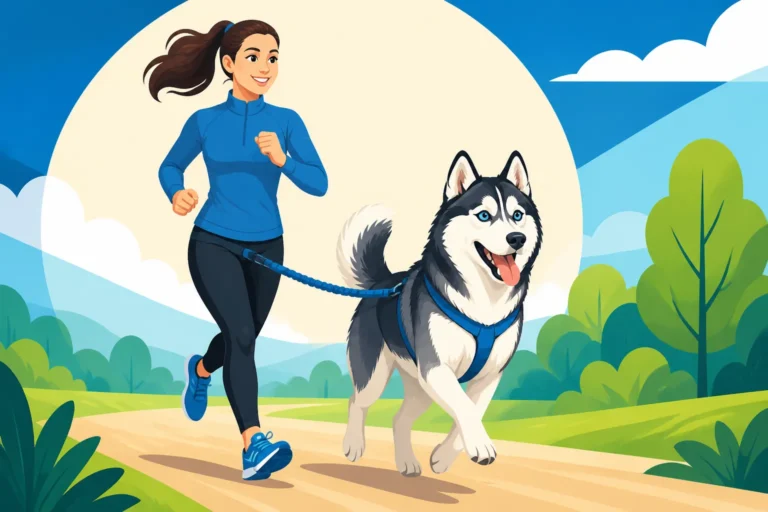
How Much Exercise a Siberian Husky Really Needs
It's a common misconception that simply having a big yard is enough for a Siberian Husky, leading many owners to feel frustrated when their otherwise beloved companion still tears up the flowerbeds or tries to escape. The truth is, these incredible dogs were bred for a very specific kind of work, and understanding their unique exercise needs is key to a happy, well-adjusted Husky and a harmonious home. This guide will walk you through exactly what kind of physical and mental stimulation your Siberian Husky truly requires to thrive.
Understanding the Siberian Husky's Instinct for Movement
The first step to meeting your Husky's exercise needs is to truly grasp where they come from and what they were bred to do. These aren't just "energetic" dogs; they possess a deep-seated instinct for sustained, purposeful movement that shapes their entire being.
The Historical Role of the Siberian Husky
Imagine the harsh, unforgiving landscapes of northeastern Siberia. That's where the ancestors of our modern Siberian Huskies, developed by the Chukchi people, earned their keep. These dogs weren't bred for guarding or herding; they were working animals, essential for survival. Their primary job was to pull light loads over vast distances at a moderate pace, often in bitter cold. This wasn't about sprinting in short bursts, but about incredible endurance and efficiency. The Chukchi needed dogs that could cover miles and miles day after day, burning calories efficiently and maintaining focus.
This history has imprinted itself deeply into the breed's DNA. They possess an incredibly efficient metabolism, meaning they can do a lot of work on surprisingly little food, which is why many owners are often surprised their Husky isn't a ravenous eater compared to other breeds of similar size. Their bodies are perfectly tuned for sustained activity, not just a quick romp. You can learn more about their remarkable lineage in The Chukchi Origins of the Siberian Husky. Understanding this background helps us see that their need for exercise isn't just about "getting rid of energy," but about fulfilling a fundamental genetic blueprint.
Not Just "High Energy" – It's Endurance
When people talk about a "high energy" dog, they often picture breeds like a Jack Russell Terrier or a Border Collie, dogs known for intense, frenetic bursts of activity and quick responsiveness. While Huskies certainly have energy, their core characteristic is endurance. They're the marathon runners of the dog world, not the sprinters. This distinction is crucial for owners. A Border Collie might be satisfied with an intense 30-minute fetch session, but a Husky, while they might enjoy a game of fetch, still has that underlying drive for a longer, more consistent trek.
Think of it this way: if you take your Husky for a brisk 20-minute walk around the block, they might burn off some immediate steam, but that deep-seated need to go somewhere and do something over an extended period remains largely unsatisfied. This is why you'll often hear Husky owners say their dog still has boundless energy even after what seems like a long walk. They're built for miles, not just minutes. Their capacity for continuous activity is astonishing, a direct inheritance from What a Siberian Husky Was Bred to Do. This endurance also means they don't tire easily, which can be a double-edged sword for owners who underestimate this trait.
Daily Exercise Requirements for an Adult Siberian Husky
So, how much is enough? It's more than just a quick stroll, and it needs to be consistent. Skimping on their daily output will inevitably lead to frustration for both you and your Husky.
The Minimum and Ideal Daily Activity
For an adult Siberian Husky, you're generally looking at a minimum of 1 to 2 hours of dedicated, vigorous exercise every single day. And honestly, for many Huskies, 2+ hours is closer to their ideal. This isn't just passive time in the yard; it means walks, runs, hikes, or structured play where they are actively moving and engaged. Breaking this up into two sessions is often more beneficial than one long one, allowing them to burn off steam morning and evening. For instance, a long, brisk walk or run in the morning to start the day and another substantial outing in the late afternoon or early evening. Many Husky owners find success with Two Runs a Day for a Siberian Husky, one before work and one after.
Variety is also incredibly important. While they love to run, simply running every day can become monotonous. Mix it up with different terrains, speeds, and activities. Consider jogging with them, taking them on trails, or even incorporating swimming if they enjoy it. The key is consistent, purposeful movement that challenges both their body and their mind. If your schedule is tight on a particular day, prioritize a brisk, engaging walk where they can sniff and explore, even if it means sacrificing some of the distance.
Quality Over Quantity: Engaging Their Minds and Bodies
It’s not just about the clock or the mileage; it's about the quality of the exercise. A bored Husky on a 3-mile walk is still a bored Husky. These intelligent dogs need mental stimulation just as much as physical exertion. A long walk where they can sniff and explore their environment, processing new scents and sights, is far more enriching than a quick, forced march around the same block every day. Incorporate training commands into your walks, practice recall in a safe, open space, or even try "sniffari" walks where you let them lead and investigate different smells.
Puzzle toys, especially those that dispense treats, can be a fantastic way to engage their minds indoors, particularly on days when the weather isn't cooperating. You can find a wide variety of durable puzzle toys suitable for Huskies on platforms like Amazon. These types of enrichment activities help burn mental energy, which can be just as tiring as physical activity. Consider rotating their toys to keep things fresh and exciting, preventing boredom from setting in. A mentally stimulated Husky is often a calmer, more contented Husky. You'd be surprised how much energy they can burn solving a good puzzle! Read more about how to engage them indoors in Wearing Out a Siberian Husky Without Leaving the House.
Tailoring Exercise to Age and Health
A puppy’s needs are different from an adult’s, and a senior Husky needs yet another approach. Young puppies, generally under six months, need frequent but shorter bursts of play and exploration, often limited to their age in months times five minutes, a few times a day (e.g., a 4-month-old gets 20 minutes of structured activity, several times a day). Over-exercising a puppy can damage their developing joints and growth plates. Focus on socialization and short, positive training sessions. As they mature, you can gradually increase duration and intensity. For more detailed information, see The Health Milestones of a Siberian Husky Year by Year.
Senior Huskies (typically over 9 or 10 years old) will naturally slow down. Their exercise should become gentler, shorter, and more frequent, focused on maintaining mobility and muscle tone without over-stressing their joints. Swimming can be excellent for older Huskies as it's low impact. Always consult with your veterinarian to tailor an exercise plan that suits your Husky's individual health status and any existing conditions. Paying attention to how they recover after activity is crucial. If they seem stiff or excessively tired the next day, you might have pushed them a little too hard. For advice on caring for older Huskies, check out Caring for a Siberian Husky Past Ten.
Structured Activities and Sport for the Driven Husky
While daily walks are essential, embracing activities that tap into their innate drives can make a huge difference in your Husky's overall well-being and your bond with them.
Harness Sports: Tapping into Their Instincts
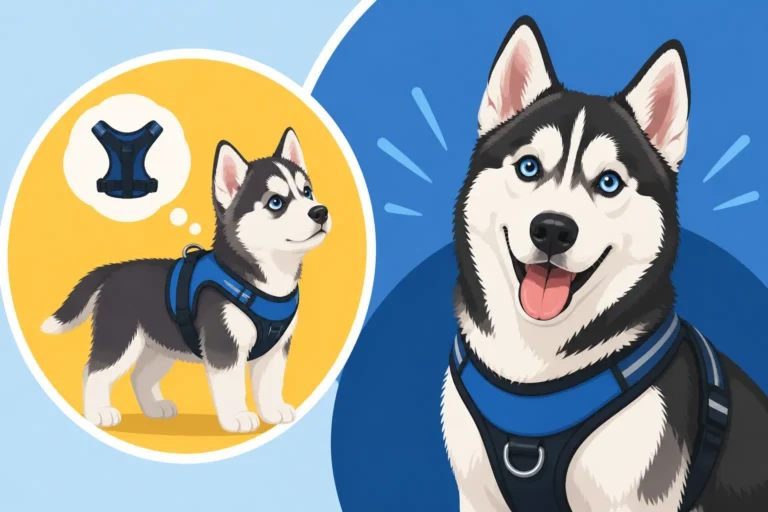
This is where the Siberian Husky truly shines! These dogs were literally bred to pull, and giving them an outlet for this natural instinct can be incredibly fulfilling for them. Activities like canicross (running with your dog pulling you), bikejoring (cycling with your dog pulling the bike), and skijoring (skiing with your dog pulling you) allow them to do what they were born to do. These aren't just exercise; they're jobs. When a Husky is pulling in a harness, they are working, they are focused, and they are incredibly happy. This type of consistent, forward motion is deeply satisfying for them.
The gear for these sports is readily available, often found on platforms like Amazon. You'll need a proper pulling harness (not just a walking harness), a bungee line, and a belt for yourself (for canicross/skijoring) or an attachment for your bike (for bikejoring). Starting with basic directional cues like "gee" (right) and "haw" (left) and "hike" (go) will make these activities safer and more enjoyable. These activities provide an unparalleled workout for both their body and mind. It allows them to use their efficient gait and strong drive. Learn more about getting started with Canicross and Bikejoring With a Siberian Husky and tips for Teaching a Siberian Husky to Pull in Harness.
Beyond the Leash: Secure Off-Leash Opportunities
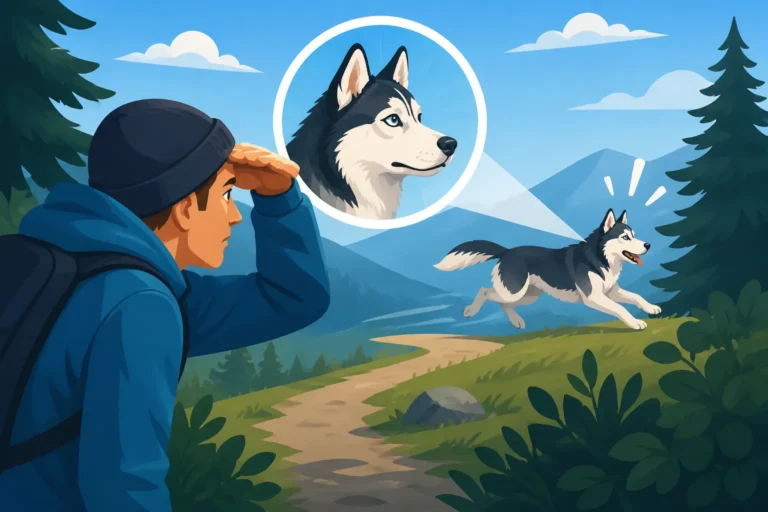
While Huskies are notorious for their wanderlust and often have unreliable recall, true off-leash running is invaluable for their physical and mental health. The wind in their fur, the ability to stretch out at a full gallop without restraint – it’s pure joy for them. However, this must only be done in a secure, completely escape-proof area. Dog parks, if adequately fenced and supervised, can sometimes work, but many Huskies will test boundaries. Privately rented, fully fenced fields (services like Sniffspot offer this) are often the safest and most stress-free option.
Never, ever trust a Siberian Husky off-leash in an unsecured area, no matter how well-trained you think they are. Their prey drive and insatiable wanderlust mean they will be gone in a flash, often deaf to your calls. This isn't stubbornness; it's instinct. It's why Why a Siberian Husky Cannot Be Trusted Off Leash is a fundamental truth for the breed. The exhilaration of a full sprint is something every Husky should experience regularly, but always within safe confines. If you’re questioning your Husky’s recall, you might find it beneficial to read Whether Any Siberian Husky Is Reliable Off Leash.
Training as Mental Exercise
Training isn't just about obedience; it's a powerful form of mental exercise that tires a Husky out surprisingly fast. Engaging their minds with new commands, practicing existing ones in novel environments, or even teaching them tricks can burn significant mental energy. Huskies are intelligent, but they are also independent thinkers. Keeping training sessions short, positive, and engaging is crucial to holding their attention. Companies like BAXTER & Bella offer online puppy and dog training programs that emphasize positive reinforcement and make learning fun for both you and your Husky, helping you build a strong foundation of communication.
Think of scent work, where they have to use their nose to find hidden treats or toys. This is incredibly stimulating and tiring. Even a game of "find it" in the living room can be a good mental workout. Regularly introducing new challenges, whether it's a new trick or navigating an agility course, keeps their minds sharp and prevents boredom. A Husky that is thinking and problem-solving is less likely to invent its own "games" (like redecorating your couch with their teeth!). For more on working with their independent nature, check out Training an Independent Siberian Husky.
Common Pitfalls and Misconceptions About Husky Exercise
Many new Husky owners fall into common traps regarding their exercise needs. Addressing these can save a lot of heartache (and drywall!).
The "Big Yard" Myth
This is perhaps the biggest misconception out there. So many people think, "I have a huge yard, a Husky will be fine!" And then they wonder why their dog still digs craters under the fence or tries to scale it. A large, unfenced yard, or even a fenced one where the dog is simply left to its own devices, is not a substitute for active, engaged exercise. A Husky in a big yard might run a few laps, sniff around, and then get bored. A bored Husky will find its own entertainment, which often involves destructive chewing, digging escape tunnels, or howling.
They need purposeful movement, not just space. Think about it: a human with a huge house doesn't just run laps in their living room all day. They go for walks, hit the gym, or play sports. It's the same for a Husky. They need to go on adventures with you. Leaving them alone in a large space doesn't fulfill their need for companionship or mental engagement. If you leave your Siberian Husky alone in a yard for too long, you might face some unwanted consequences, which we discuss in Leaving a Siberian Husky Alone in a Yard. Your presence and participation are key to making any space, big or small, an effective exercise environment.
Under-Exercised Huskies and Their Behavior
An under-exercised Husky is a recipe for disaster. This is where many of the breed's "challenging" behaviors stem from. If they don't get enough physical and mental outlets, that boundless energy and intelligence will manifest in undesirable ways. This can include:
- Destructive Chewing: Gnawing on furniture, ripping up carpets, even chewing through walls. They're trying to relieve pent-up energy and boredom.
- Escape Attempts: Digging under fences, jumping over them, or even learning to open gates and doors. This is their inherent wanderlust combined with a desperate need to go.
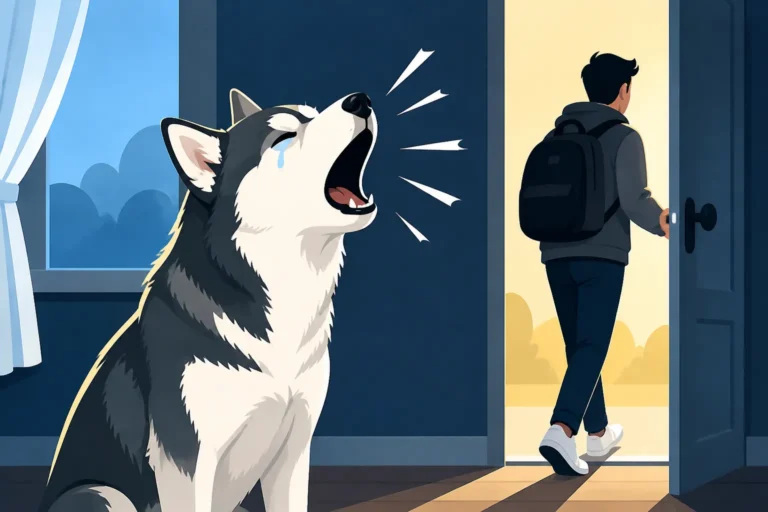
- Excessive Howling or Barking: While Huskies are known for their "talking," constant, distressed howling is often a sign of boredom or frustration.
- Hyperactivity and Nuisance Behaviors: Nipping, jumping, demanding attention constantly, or generally being over-the-top inside the house.
These aren't signs of a "bad dog," but rather a dog whose fundamental needs are not being met. Addressing the underlying exercise deficit is usually the first and most effective step in curbing these behaviors. For more insights into how destructive they can be when left alone, read Siberian Husky Destruction When Left Alone, and for their vocalizations, see Why Your Siberian Husky Howls and Talks.
Over-Exercising and Heat Risk
While it's hard to truly "over-exercise" a healthy adult Husky in terms of their pure capacity, there are important caveats. The biggest one is heat. Huskies, with their thick double coats, are incredibly susceptible to overheating, especially in warmer climates or during summer months. Their bodies are designed for cold, not heat. Pushing them hard in temperatures above 60-65°F (15-18°C), or even lower with high humidity, can quickly lead to heatstroke, which is a medical emergency.
Always be mindful of the temperature and humidity. Schedule exercise for early mornings or late evenings when it's coolest. Carry water for both you and your dog, and know the signs of overheating: excessive panting, lethargy, drooling, wobbly gait, dark red gums. If you suspect heatstroke, stop immediately, get them to a cool place, offer water, and contact your vet. It's far better to err on the side of caution and give them a shorter, less intense walk or a mental game indoors than risk their health. For crucial information on this topic, refer to Heat Stroke Risk in a Siberian Husky and Running a Siberian Husky in Summer Heat.
Exercise Types and Their Benefits for Siberian Huskies
To help you visualize and plan your Husky's daily routine, here's a table summarizing different exercise types and the benefits they offer for this amazing breed.
| Exercise Type | Description | Key Benefits | Notes |
|---|---|---|---|
| Brisk Walks/Hikes | Consistent, moderate-to-fast paced walking over varying terrain. | Builds stamina, mental stimulation (scent tracking), joint health. | Aim for 60-90+ minutes daily, broken into 2 sessions. Vary routes to keep it interesting. Always use a secure harness. |
| Running/Jogging | Sustained running alongside you (canicross is ideal for pulling instinct). | Excellent for cardiovascular health, burns significant energy. | Start slowly and build endurance. Avoid hot weather. Consider specialized canicross gear. |
| Harness Sports | Canicross, Bikejoring, Skijoring, Dog Scootering. | Fulfills innate pulling drive, exceptional physical & mental workout. | Requires specific gear and training for directional cues. Best for adults, after consulting a vet. |
| Secure Off-Leash Play | Running freely in a large, fully fenced area (e.g., private field). | Allows full-speed sprints, natural canine play, social interaction. | Crucial: Must be 100% secure. Not suitable for all dog parks due to escape risk. Always supervise. |
| Training Sessions | Short, frequent sessions focusing on obedience, tricks, or scent work. | Mental stimulation, strengthens bond, problem-solving. | Use positive reinforcement. Keep sessions fun and engaging (10-15 mins several times a day). Incorporate puzzle toys. Brands like BAXTER & Bella can help structure your training. |
| Swimming | Low-impact activity in a pool or calm natural water. | Great for joint health, cooling down, builds stamina. | Not all Huskies love water; never force them. Always supervise closely. Ensure safe entry/exit. |
Disclaimer
This article is for general informational purposes only and does not constitute professional advice. Laws, prices and regulations vary by location and change over time. Consult a qualified professional for guidance on your specific situation.