Whether a Walk Is Enough for a Siberian Husky
Many Siberian Husky owners find themselves completely exhausted, wondering why their seemingly long walks around the neighborhood aren't enough to calm their energetic companions. It's a common frustration to put in the miles, only to come home to a dog who still bounces off the walls, chews furniture, or barks incessantly. This guide will dive deep into why a typical walk often falls short for this unique breed and what truly comprehensive exercise and mental stimulation look like for your Siberian Husky.
The Misconception of the "Good Walk"
It’s easy to assume that if you’re putting in steps, you’re meeting your dog’s exercise needs. For many breeds, a brisk 30-minute walk twice a day is perfectly adequate. You get outside, they sniff around, they burn some calories – everyone’s happy, right? Not so fast when you’re talking about a Siberian Husky. Their heritage and physiology mean their definition of a "good walk" is vastly different from most other dogs.
Why a Leashed Stroll Isn't Enough
Imagine being a marathon runner and being told your daily workout consists of a leisurely stroll around the block. That's essentially what a standard leashed walk feels like to a Siberian Husky. These dogs were literally bred to run for hours on end, covering vast distances across frozen landscapes. A walk, even a long one, at human pace on a leash, doesn't come close to replicating the sustained cardio and freedom of movement their bodies crave. It's often more of a controlled outing than a truly energy-depleting exercise session.
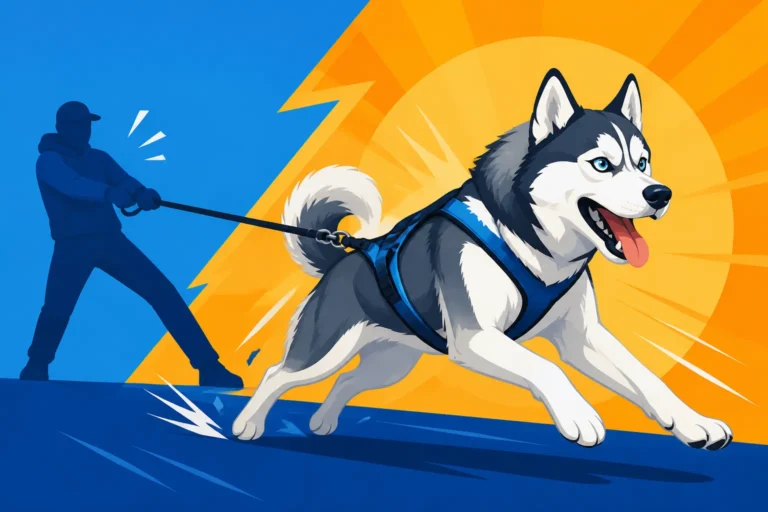
Furthermore, these walks are often on pavement or sidewalks, which can be hard on joints over time, especially for a dog built for softer, varied terrain like snow or dirt trails. The consistent pulling that many Husky owners experience on walks isn't just "stubbornness"; it's a testament to their powerful natural instinct to pull and cover ground, an instinct that isn't satisfied by a casual jaunt. If you've ever felt like your arm is going to be pulled clean off on a walk, you know exactly what I mean.
The Mental Toll of Insufficient Exercise
Beyond the physical, there's a significant mental component. A leashed walk, while offering some novel smells, can become monotonous. Huskies are intelligent and independent thinkers. They need mental challenges just as much as they need physical exertion. Without enough mental stimulation, they can become bored, frustrated, and even anxious. This often manifests as destructive behaviors around the house – think shredded pillows, chewed baseboards, or excavated carpets. It’s not malice; it’s an outlet for pent-up energy and an understimulated mind.
They might also engage in excessive howling or barking, becoming a neighborhood nuisance. While Why Your Siberian Husky Howls and Talks is part of their charm, incessant vocalization often signals boredom or a need for more engagement. Simply put, a Husky who isn't adequately tired, both physically and mentally, is a Husky looking for a job, and if you don't provide one, they'll invent their own, usually in ways you won't appreciate.
Decoding the Siberian Husky's Innate Drive
To truly understand why walks don't cut it, we need to look at the Husky's roots. This breed isn't just "active"; they are athletes designed for a very specific purpose, and that purpose drives their every fiber. Ignoring this fundamental aspect of their being sets both owner and dog up for failure.
Bred for Endurance, Not Short Sprints
The Siberian Husky's ancestors were developed by the Chukchi people in Siberia to pull light loads over long distances at a moderate speed. This isn't a breed built for short bursts of speed like a Greyhound, nor are they heavy-duty freight haulers like their Malamute cousins. They are endurance athletes through and through. Their efficient metabolism allows them to run for hours without tiring easily, making them incredible long-distance companions.
This means that a quick sprint in the backyard or a 30-minute power walk simply doesn't tap into their core physiology. They hit their stride after most other dogs would be winded. For them, a mile or two is just a warm-up. This inherent drive to cover ground is why The Roaming Instinct Bred Into Every Siberian Husky is so strong, and why they excel in activities that simulate their original purpose. If you're wondering How Much Exercise a Siberian Husky Really Needs, be prepared to think in terms of hours, not minutes, and sustained activity, not just short bursts.
The Importance of Mental Stimulation
Beyond the physical, Huskies are problem-solvers. They are notoriously intelligent, but also independent. This combination means they don't always learn like other breeds; they question, they strategize, and they sometimes decide not to do something if it doesn't benefit them. This independence is often mistaken for stubbornness, but it's part of their working dog intelligence. A walk offers some sensory input, but it rarely challenges their cognitive abilities.
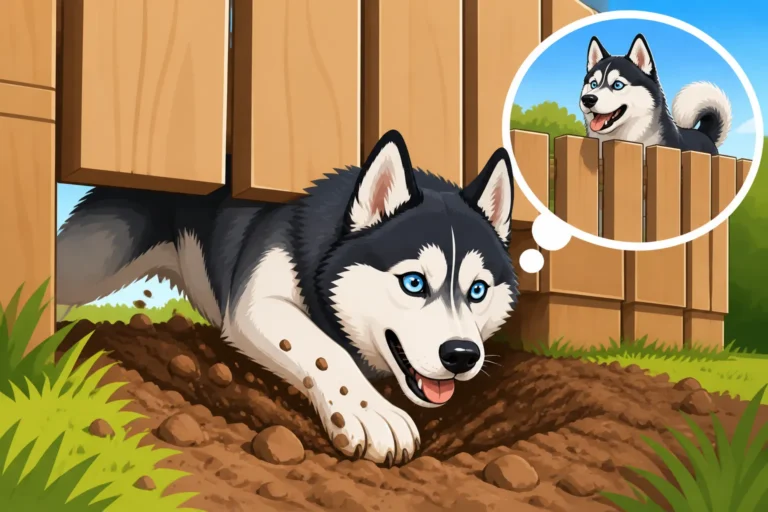
They need puzzles, training sessions, and opportunities to use their noses and brains. Without this, they might channel that intelligence into outsmarting your fence or figuring out how to open the pantry. This is why consistent, engaging training, even if it's just 10-15 minutes a day, is crucial. Resources like online training courses, such as those you might find through BAXTER & Bella, can offer structured approaches to keeping their clever minds busy and prevent them from inventing their own "projects" around the house.
Effective Exercise Strategies Beyond the Pavement
So, if a walk isn't enough, what is? The key is to think beyond the traditional leash walk and embrace activities that truly engage a Husky's body and mind. It's about tapping into their primal instincts in safe and constructive ways.
Engaging Their Natural Instincts
The best exercise for a Siberian Husky mimics what they were bred to do: run and pull. This doesn't mean you need a dog sled and a team of dogs, but it does mean exploring activities like canicross, bikejoring, or urban mushing. These sports allow your Husky to pull weight (which they love) and cover ground at a speed more natural to them. Starting Canicross With a Siberian Husky can be a fantastic way to bond while giving them an unparalleled workout. Even just allowing them to run on a long line in a secure, open area can be transformative for their energy levels and mental state.
| Activity Type | Husky Benefit (Physical) | Husky Benefit (Mental) | Considerations |
|---|---|---|---|
| Leashed Walk | Low-moderate cardio, sniffing | Some sensory input | Insufficient for breed, can be boring, joint impact |
| Canicross/Bikejoring | High-intensity cardio, pulling | Focus, teamwork, problem-solving | Requires specific gear, fitness for owner |
| Long-Line Runs | High-intensity cardio, freedom | Exploration, decision-making | Requires secure space, good recall is vital (even on line) |
| Hiking/Trail Runs | Varied terrain, endurance | New smells, problem-solving | Check leash laws, paw protection, hydration |
| Puzzle Toys/Games | Minimal physical | High mental stimulation | Crucial supplement, not a primary exercise |
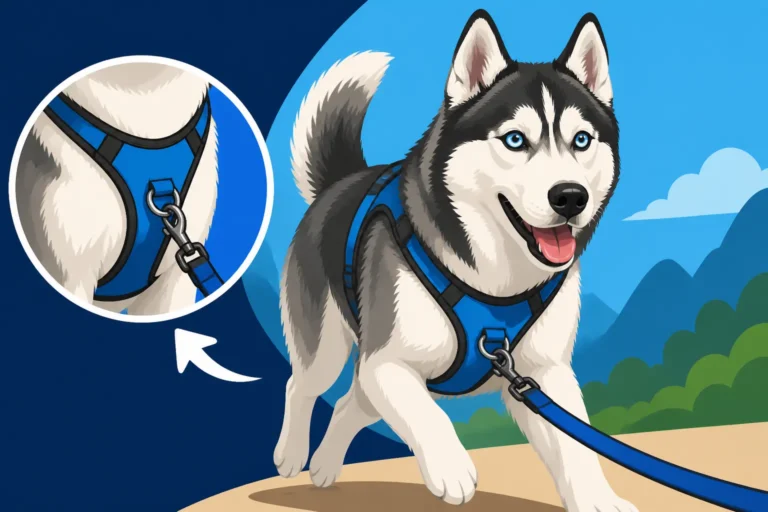
For safety, a sturdy harness designed for pulling, rather than a standard walking harness, is essential for these activities. You can find a wide range of suitable gear on platforms like Amazon, from canicross belts to bikejor attachments. These aren't just about control; they're about distributing pressure safely and allowing your dog to move naturally. Remember, Why a Siberian Husky Cannot Be Trusted Off Leash for independent running means these activities often require a specific setup or extremely secure environments.
Incorporating Training and Brain Games
Physical exercise alone, even intense activity, often isn't enough to satisfy a Husky. They need their brains worked too. Incorporate regular, short training sessions throughout the week. Focus on positive reinforcement and make it a game. Teach new tricks, practice obedience cues in different environments, or even try scent work. Hiding treats around the house for them to find is a simple yet effective brain game that uses their incredible noses. Puzzle feeders, which you can also find a great selection of on Amazon, can turn mealtime into a mental exercise, slowing down their eating and engaging their problem-solving skills. Puzzle Feeders a Siberian Husky Cannot Beat are key to keeping them interested!
For those struggling with specific behaviors or looking for more structured mental engagement, online courses from places like BAXTER & Bella can provide excellent guidance. These programs can help you learn how to better communicate with your Husky and implement training strategies that respect their independent nature while building their focus and impulse control. Remember, just 15 minutes of focused mental work can be as tiring as a long walk for some dogs.
Balancing Activity with Safety and Individual Needs
While Huskies generally thrive on high activity, it's crucial to tailor exercise to your individual dog. Not all Huskies are the same, and factors like age, health, and climate play a significant role in determining appropriate activity levels. Pushing too hard can be detrimental.
Considerations for Age and Health
A young Siberian Husky puppy needs different exercise than a mature adult. While puppies have bursts of energy, their growing bones and joints are delicate. Over-exercising a puppy can lead to orthopedic problems down the line. Focus on shorter, more frequent play sessions and allow plenty of rest. As they mature, gradually increase the intensity and duration of activities. Protecting a Siberian Husky Puppy's Growth Plates is vital for their long-term health.
For senior Huskies, intensity needs to decrease. They may still enjoy walks and light play, but their stamina and joint health might not support intense running or pulling. Keep an eye out for Early Arthritis Signs in a Siberian Husky and adjust accordingly. Swimming can be a fantastic low-impact exercise for older Huskies, as can gentle sniffing walks that prioritize mental engagement over physical exertion. Always consult with your vet to determine the safest and most effective exercise regimen for your Husky's specific age and health status.
Safety in High-Energy Pursuits
Safety is paramount, especially when engaging in high-energy activities. Siberian Huskies are prone to overheating in warm weather due to their thick double coats. Always monitor them for signs of heat exhaustion, carry plenty of water, and avoid exercising during the hottest parts of the day. Early morning or late evening runs are best in warmer climates. Heat Stroke Risk in a Siberian Husky is very real and must be taken seriously.
Additionally, due to their strong prey drive and independent nature, even the most well-trained Husky can be tempted to chase a squirrel or deer. This is why secure containment, whether on a long line, in a fully fenced area, or using appropriate gear for sport, is non-negotiable. Always be aware of your surroundings, especially if you're out on trails or in less urban environments. Investing in high-quality, durable equipment that won't fail during intense activity is a must for any Husky owner who wants to engage in these types of activities safely.
Disclaimer
This article is for general informational purposes only and does not constitute professional advice. Laws, prices and regulations vary by location and change over time. Consult a qualified professional for guidance on your specific situation.