Siberian Huskies That Dig Under Fences
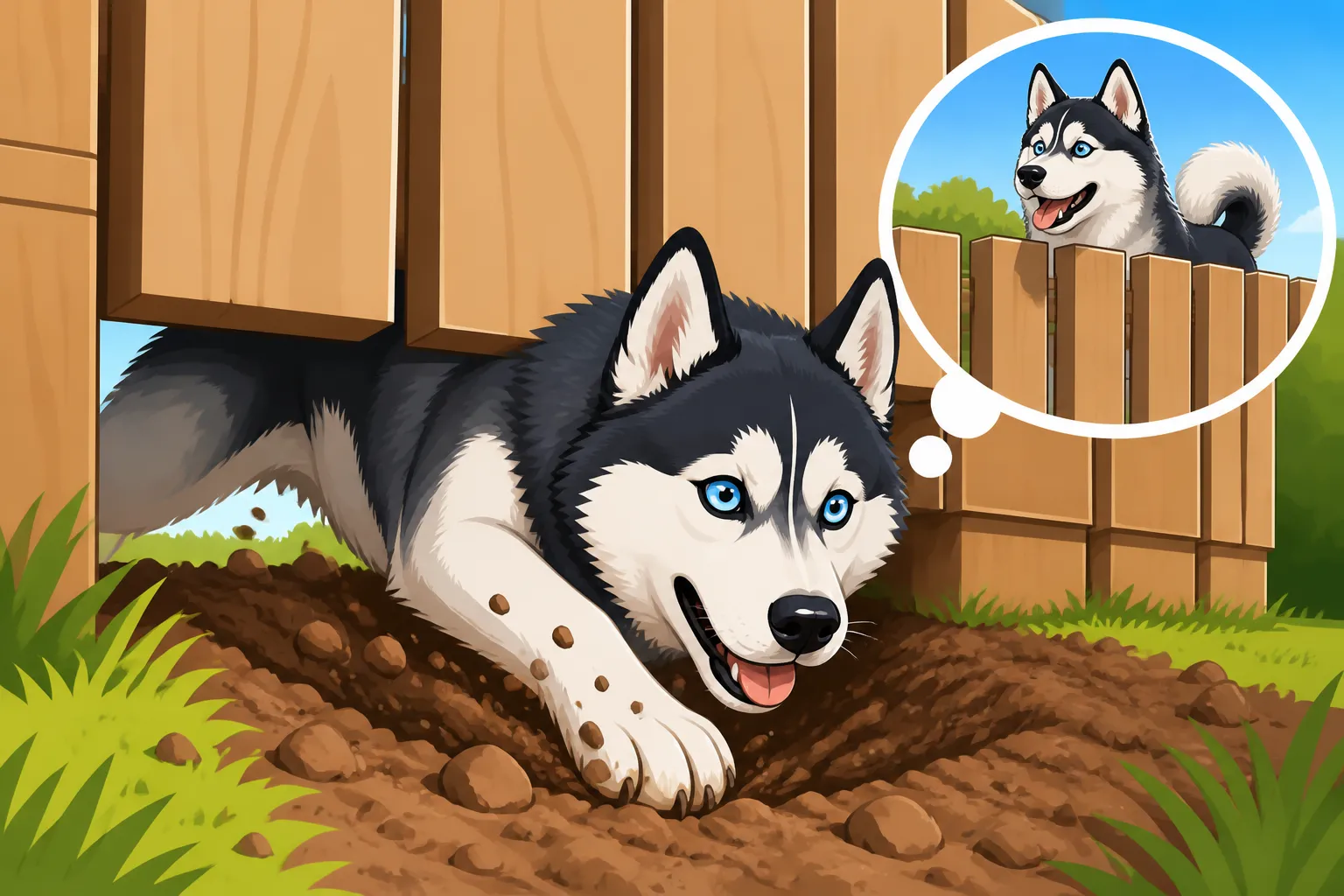
Oh, the infamous Husky dig! If you've ever walked out into your yard to find a fresh crater near your fence line, or worse, discovered a muddy nose pushing through a gap that definitely wasn't there yesterday, you know the unique frustration of a Siberian Husky determined to dig. This guide is here to help you understand why your adventurous Husky feels the irresistible urge to excavate, how to fortify your perimeter against their ingenious escape plans, and most importantly, how to redirect that natural instinct into more acceptable (and less anxiety-inducing) outlets.
Understanding the Husky's Instinct to Dig
Let's be real: your Siberian Husky isn't digging under the fence to spite you. They're not doing it because they're "bad" dogs. They're doing it because it's hardwired into their very being, a remnant of generations of ancestors who relied on digging for survival. Trying to stop a Husky from digging without understanding this fundamental drive is like trying to stop the wind from blowing – you might achieve temporary success, but the underlying force is still there, ready to re-emerge.
The Ancestral Roots of Digging
Imagine their ancestors, the working dogs of the Chukchi people in Siberia. These dogs weren't just pulling sleds; they were living in extreme conditions. Digging was a crucial survival skill. They'd dig dens to escape the bitter winds and snow, creating insulated shelters that trapped body heat. This wasn't just about comfort; it was about life or death. So, when your modern-day Husky starts digging, they're tapping into a very ancient, very strong instinct. It's not always about escape, though that's often a happy side benefit for them! Sometimes, it's just about creating a little den for themselves, a cool spot on a warm day, or a place to bury a treasured toy.
This deep-seated instinct means that merely punishing the digging often doesn't work. Your Husky might just learn to dig when you're not looking, or become stressed without an outlet for this natural behavior. It's far more effective to channel this energy and instinct into appropriate activities, rather than trying to suppress it entirely. Understanding this fundamental truth is the first step toward a more peaceful coexistence with your furry excavator.
Boredom and Energy as Digging Catalysts
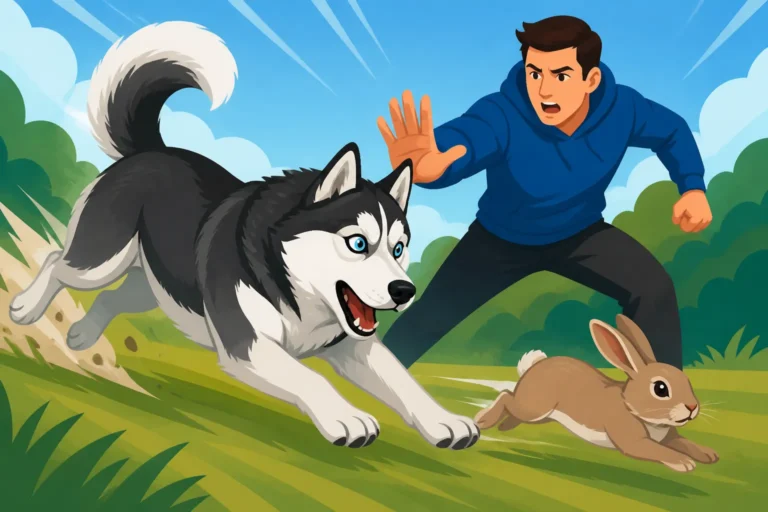
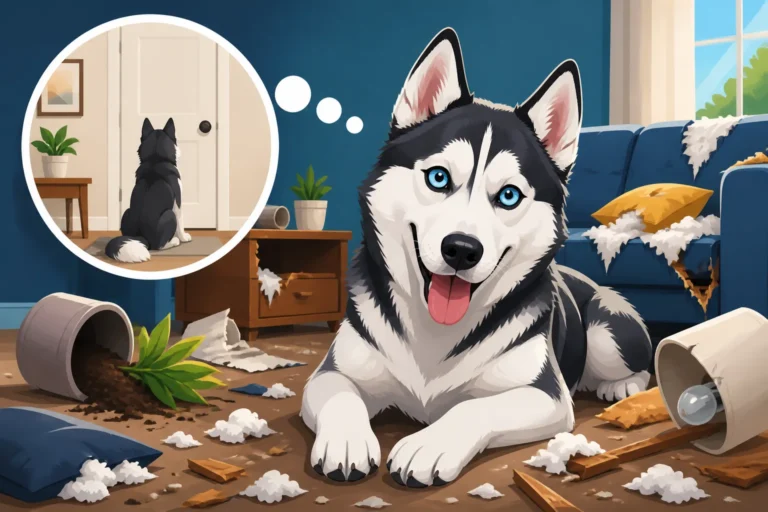
While the ancestral urge is strong, in a domestic setting, the primary drivers for digging under fences are often boredom and excess energy. Siberian Huskies are high-energy dogs, bred to run for miles. A casual walk around the block simply isn't enough to satisfy their physical and mental needs. When a Husky is under-stimulated, their brilliant minds and powerful bodies find their own entertainment, and often, that entertainment involves redesigning your yard or attempting a great escape. They might also be driven by a strong The Roaming Instinct Bred Into Every Siberian Husky.
Think about it: if you're stuck in a confined space with nothing to do, wouldn't you find a project? For a Husky, that project might be to see what's on the other side of that fence. They might start by sniffing, then a tentative paw, then a full-blown excavation project. This is especially true for young, adolescent Huskies who are brimming with energy and curiosity. Ensuring your Husky gets adequate physical exercise and mental stimulation is paramount. This isn't just about walks; it's about active play, training sessions, and interactive toys that challenge their intelligent minds.
The Comfort and Cooling Factor
Beyond escape and boredom, sometimes a Siberian Husky digs for simple comfort. Their thick double coats, while perfect for snowy climes, can become quite warm, especially in direct sunlight or during warmer months. The earth just a few inches below the surface is significantly cooler than the ambient air or sun-baked patio. Digging a shallow pit allows them to expose that cool earth and lie down in it, regulating their body temperature.
You might notice this behavior more on sunny days, or if your yard lacks sufficient shade. They're not trying to get out; they're trying to get comfortable. This is why providing ample shade, access to cool water, and even a shallow kiddie pool can sometimes reduce this type of digging. It's a natural way for them to beat the heat, and if they don't have better options, they'll create their own. Understanding this can help you address the root cause, rather than just treating the symptom.
Assessing Your Current Fence for Digging Vulnerabilities
Okay, so we know why they dig. Now, let's talk about how to stop it at the source: your fence. Many fences are built to keep dogs in by going up, but they completely ignore the downward dimension. For a Husky, a fence that doesn't extend below ground is merely a suggestion, not a barrier. They'll survey the perimeter, find the path of least resistance, and put their impressive digging muscles to work. It's a game of wits, and the Husky often wins if the fence isn't properly secured.
Identifying Weak Points Along the Perimeter
Your Husky is a master strategist when it comes to escapes. They'll often start by testing the waters. Look for areas where the fence meets the ground with any gaps, even small ones. Pay close attention to gates, corners, and spots where the terrain slopes or is uneven. These are often the easiest points of entry for a determined digger. If you have a chain-link fence, they might push the bottom edge up, or if it's wood, they might find a loose board or a section where the dirt has eroded away.
Take a walk along your fence line with a critical eye, perhaps even from your Husky's perspective. Get down low and look for any light peeking through, any areas of loose soil, or places where the fence material itself is flexible enough to be manipulated. Once they discover a weak spot, they'll often return to it, gradually widening the breach with each attempt. Observing their digging patterns can give you valuable clues about where to focus your fortification efforts.
Fence Material and Depth Matters
The type of fence you have plays a huge role in its vulnerability to digging. A standard picket fence or a chain-link fence installed just to the ground's surface offers almost no deterrent to a Husky. They'll burrow under it with surprising speed and efficiency. For a The Six-Foot Fence a Siberian Husky Needs to truly contain them, you also need to consider its depth. A fence is only as good as its foundation when it comes to a digging dog.
Ideally, your fence material should extend at least 12-18 inches below the ground. This could be done by burying the fence itself deeper, or by adding a separate barrier. Concrete barriers or solid panels offer the most resistance, but burying wire mesh is a common and effective solution. The key is to create an obstacle that feels solid and unyielding, discouraging them from even starting. Without this crucial underground barrier, any fence, no matter how tall, is simply an invitation for your Husky to get to work.
The "Invisible Fence" Fallacy
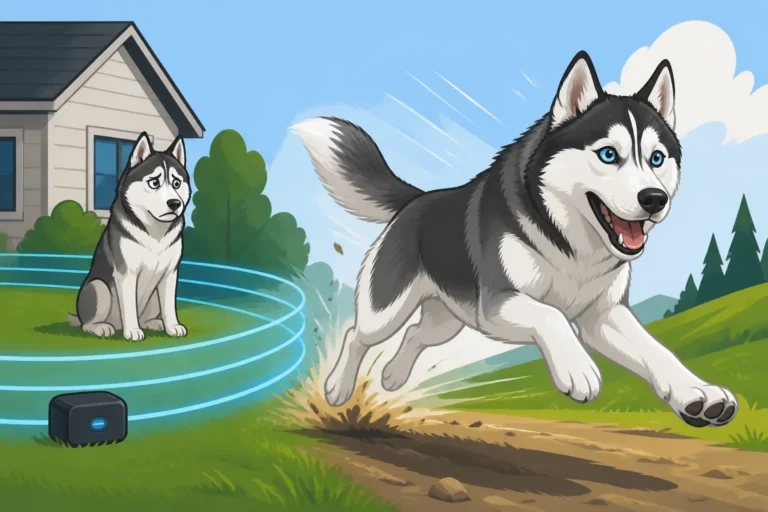
I really need to emphasize this: an "invisible fence" or electronic containment system is not a suitable solution for a Siberian Husky, especially one prone to digging. These systems work by delivering a static correction when a dog crosses a boundary. While some dogs might be deterred, a Husky's drive to roam, chase, or escape boredom is often far stronger than their aversion to a temporary zap. Why Invisible Fencing Does Not Hold a Siberian Husky is a critical piece of information for any Husky owner.
Many Huskies will experience the correction, yelp, and then simply run through the boundary. Once they've experienced the shock and found themselves on the "free" side, they've learned that freedom is accessible, and the static correction is just a momentary discomfort to endure. Worse, once they are outside the boundary, they might be extremely reluctant to cross back over, even if they want to return home, because they remember the correction. This leaves them loose and vulnerable, and you're left with a potentially lost dog. Investing in a solid, physical barrier is always the safest and most reliable option for a Husky.
Preventative Measures and Digging Deterrents
So, your fence has weak points, and your Husky has strong instincts. It's time to get proactive. Fortifying your fence against digging requires a multi-pronged approach, often combining physical barriers with environmental adjustments. You're not just trying to stop them; you're trying to make it so unappealing to dig in escape routes that they don't even bother trying. This can save you a lot of stress and potential heartbreak from a lost or injured dog.
Burying Wire Mesh or L-Footers
This is often the gold standard for preventing a digging Husky escape. An L-footer involves attaching a section of wire mesh (like heavy-gauge chicken wire, hardware cloth, or welded wire) to the bottom of your existing fence and then burying it horizontally, extending into the yard. When your Husky starts to dig near the fence, they quickly hit the buried wire and are deterred. It creates an uncomfortable surface that stops their progress. Adding an L-Footer Against Siberian Husky Digging is a fantastic method that many owners swear by.
You can also opt to bury the wire vertically, extending 18-24 inches straight down from the fence line. The key is that the barrier needs to be strong enough that they can't simply bend or break through it, and deep enough that they can't tunnel beneath it. Chain-link fence can be secured with a concrete footer, which is incredibly effective but also the most labor-intensive and costly. For many, a buried wire mesh "L-footer" offers the best balance of effectiveness and DIY feasibility. You can find rolls of suitable wire mesh on platforms like Amazon, making it easy to source materials.
Landscaping Solutions and Obstacles
Sometimes, simply making an area difficult or unappealing to dig can work wonders. Placing large, heavy rocks, concrete pavers, or landscape timbers along the inside base of the fence line can act as a physical deterrent. Your Husky might start to dig, hit the immovable object, and give up. For an extra layer of protection, consider burying these items slightly so they become an extension of your underground barrier.
Another tactic is to plant thorny bushes or dense, low-growing shrubs along the fence line. While this isn't a foolproof solution (a determined Husky might still push through), it can make the area less attractive for digging and tunneling. Just be sure that any plants you choose are non-toxic to dogs. You want to deter digging, not create a health hazard. The goal here is to make the act of starting to dig feel unrewarding or uncomfortable, steering them away from escape routes.
Supervision and Training
While physical barriers are essential, human vigilance and consistent training play a huge role. Never leave a Siberian Husky unsupervised in a yard, even one with a well-fortified fence. Huskies are escape artists, and given enough time, creativity, and motivation, they can often find a way out. Leaving a Siberian Husky Alone in a Yard carries significant risks. A five-minute dash to grab the mail can be all the time they need to slip through a newly discovered gap or a gate left ajar.
Consistent training, particularly focusing on a strong "leave it" command and teaching them to "go to bed" or "go to your place" when you open the door, can help prevent them from bolting if they do manage to create a temporary opening. This isn't about stopping the digging, but about preventing the escape if digging is successful. Remember, your presence can be a powerful deterrent; a Husky is less likely to engage in major landscaping projects if you're actively watching them.
Managing and Modifying Digging Behavior
Now that we've talked about securing the fence, let's address the behavior of digging itself. Since we know it's a natural instinct, the goal isn't necessarily to eliminate it entirely, but rather to redirect it to appropriate places and mitigate the underlying reasons for it. This approach is far more successful and less stressful for both you and your Husky than constant battles over "bad" behavior.
Providing Acceptable Digging Outlets
Since Huskies will dig, why not give them a designated spot where it's okay? This is often called a "digging pit" or "sandbox." Choose an out-of-the-way corner of your yard, mark it clearly, and fill it with sand or loose soil. Bury high-value toys, treats, or even a bone in the pit, encouraging your Husky to explore and dig there. When they dig in the designated spot, praise them lavishly!
If you catch them digging elsewhere, gently redirect them to their digging pit. You can even try burying a favorite toy in the pit while they watch, then let them "discover" it. The idea is to make the digging pit the most rewarding and interesting place to dig. This gives them a safe, appropriate outlet for their natural instinct without destroying your landscaping or threatening your fence integrity. Many Huskies catch on quickly, especially if the rewards for digging in the right place are consistent and exciting.
Enriching Their Environment
Boredom is a huge motivator for destructive behaviors like digging. A Husky with a rich, stimulating environment is less likely to resort to self-entertainment through excavation. This means providing plenty of opportunities for both physical and mental engagement. Regular, vigorous exercise is non-negotiable. Two runs a day, or a solid hour of off-leash play in a secure area, is often just a baseline. How Much Exercise a Siberian Husky Really Needs is probably more than you think!
Beyond physical exercise, mental enrichment is key. Puzzle toys that dispense treats, sniffari walks (where they get to thoroughly explore and sniff), and regular training sessions can engage their intelligent minds. Consider rotating their toys to keep things fresh. You can also hide treats around the yard for them to "hunt." A mentally tired Husky is often a happy Husky, and less likely to feel the urge to dig for stimulation. Companies like BAXTER & Bella offer online training resources that can help you with structured enrichment activities and impulse control training.
Consistency and Positive Reinforcement
Whatever methods you choose, consistency is absolutely crucial when dealing with Siberian Husky behavior. Huskies are intelligent and will quickly learn what they can get away with. If you sometimes allow digging near the fence and sometimes don't, you're sending mixed signals, and they'll likely continue to test the boundaries. Every member of the household needs to be on the same page regarding rules and consequences (or rather, redirections).
Positive reinforcement is always the most effective approach with Huskies. Harsh punishments can often backfire, making them fearful, stressed, or simply more covert in their undesirable behaviors. When your Husky chooses to dig in their designated pit, or ignores a potential escape route, reward them generously with praise, treats, or a favorite toy. The goal is to make good choices more rewarding than bad ones. Remember, patience is a virtue when working with these independent and clever dogs.
Tools and Products to Aid in Digging Prevention
Sometimes, even with the best intentions and strategies, you need a little extra help. The market offers a range of tools and products designed to deter digging and ensure your Husky's safety. From robust containment solutions to specialized training aids, there are options to supplement your efforts and provide peace of mind.
Heavy-Duty Kennel Panels and Runs
For particularly persistent diggers or for times when you absolutely cannot supervise your Husky, a dedicated, secure kennel run can be a lifesaver. These aren't just chain-link boxes; modern kennel panels are often made from heavy-duty steel, designed to be assembled into escape-proof enclosures. The critical aspect for a Husky is the floor. Many good quality runs come with options for a concrete slab base or heavy-gauge wire mesh that secures to the bottom of the panels, preventing any tunneling attempts.
When selecting a kennel, remember that Huskies are also climbers and jumpers. The panels should be at least six feet tall, and some owners even add a covered top to prevent scaling. While not a substitute for a well-secured yard or proper training and exercise, a high-quality kennel run provides a safe, contained space for short periods, such as when you're away from home or engaged in tasks that prevent direct supervision. Brands available on Amazon often include heavy-duty options for dog runs.
Digging-Proof Kennel Floors
If you're investing in a kennel run, the floor is paramount. A simple dirt floor is an open invitation for a Husky to start digging immediately. Options for digging-proof kennel floors include:
- Concrete Slabs: This is the most permanent and effective solution. A poured concrete slab provides an impermeable barrier against digging. It's easy to clean but can be hard on paws if not covered with soft bedding.
- Welded Wire Mesh: Heavy-gauge welded wire mesh laid on the ground before the kennel is assembled, and ideally secured to the bottom of the panels, creates an effective underground barrier. The Husky will hit the wire and be deterred. Ensure the mesh is small enough that paws won't get caught.
- Heavy-Duty Pavers or Crushed Rock: While not as foolproof as concrete or buried wire, a deeply laid bed of large, heavy pavers or tightly packed crushed rock can make digging extremely difficult and unappealing.
Choosing the right flooring for your kennel run transforms it from a temporary holding pen into a secure, safe space where your Husky's digging instinct is utterly thwarted.
Specialized Training Aids
While positive reinforcement and environmental management are key, some specialized training aids can support your efforts, especially when dealing with the underlying high energy and prey drive that often fuel digging. Long lines, for instance, are invaluable for teaching recall and practicing commands in an open, yet controlled, environment, which helps burn off energy and reduce the urge to escape. Starting Long Line Work With a Siberian Husky can be a game-changer for building reliable behavior.
Additionally, some interactive toys found on Amazon can keep a Husky's mind busy and divert their focus from destructive digging. Think about durable chew toys that can withstand their powerful jaws, or puzzle toys that require problem-solving to get a treat. These can be used to enrich their designated digging pit, making it more appealing. For more structured training, consider programs like those offered by BAXTER & Bella, which provide comprehensive online guidance on impulse control, redirection, and managing high-energy breeds, all of which indirectly contribute to reducing unwanted digging behaviors. Building a strong bond and clear communication through training is an aid in itself, as it helps you guide your Husky's powerful instincts in productive ways.
| Digging Prevention Method | Pros | Cons | Best For |
|---|---|---|---|
| Buried Wire Mesh (L-Footer) | Highly effective, relatively inexpensive, DIY-friendly, humane. | Can be labor-intensive to install, wire must be heavy-gauge to prevent bending. | Owners with existing fences who need to prevent digging escapes without major construction. |
| Concrete Footer | Extremely durable, virtually impossible to dig under, provides a solid base. | Most expensive, most labor-intensive, permanent, requires professional installation or significant DIY skill. | Maximum security for dedicated kennel runs or properties where cost and effort are secondary to security. |
| Large Rocks/Pavers | Inexpensive, can be decorative, relatively easy to place. | Not foolproof, a determined Husky might still find a way around or through, can be moved. | Light diggers, temporary deterrents, supplementing other methods. |
| Designated Dig Pit | Redirects natural instinct, humane, can be fun for the Husky, reduces damage elsewhere. | Requires consistent training and supervision to ensure use, may still dig elsewhere occasionally. | All Husky owners, as a primary strategy for channeling natural digging behavior. |
| Vigorous Exercise/Enrichment | Addresses root causes (boredom/energy), improves overall well-being, strengthens bond. | Requires significant time commitment daily, not a standalone physical barrier. | All Husky owners, as a foundational preventative measure against all destructive behaviors. |
Disclaimer
This article is for general informational purposes only and does not constitute professional advice. Laws, prices and regulations vary by location and change over time. Consult a qualified professional for guidance on your specific situation.