Siberian Huskies That Open Gates and Doors
If you've ever owned a Siberian Husky, you know the heart-stopping moment of realizing your otherwise secure gate is ajar, or your back door is standing wide open, and your furry escape artist is nowhere in sight. It’s a truly maddening experience that makes you question your sanity and your home's structural integrity. This comprehensive guide will delve deep into why Siberian Huskies are so adept at opening gates and doors, how they manage their ingenious escapes, and most importantly, how you can outsmart them to keep your beloved Husky safe and sound within your property.
Understanding the Siberian Husky's Ingenuity for Escape
Siberian Huskies aren't just intelligent; they possess a unique blend of curiosity, independence, and physical prowess that makes them master escape artists. It's not out of malice or disobedience, but often a deep-seated instinct to explore and, quite frankly, entertain themselves. Understanding these inherent traits is the first step in learning how to secure your home effectively.
The Drive to Explore and Roam
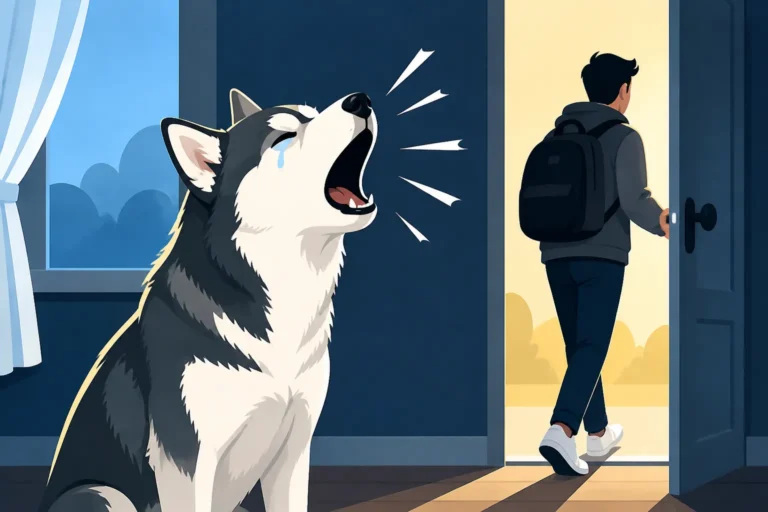
The Siberian Husky was originally bred by the Chukchi people of Siberia to be endurance sled dogs, covering vast distances across frozen landscapes. Their survival literally depended on their ability to travel far and wide, often independently, to find food or rejoin their pack. This ancient instinct translates directly into a powerful desire to roam in modern Huskies. A gate that’s even slightly ajar, or a door left unlocked, isn't just an oversight in their minds; it's an invitation to an adventure. They see the world beyond your fence not as a dangerous place, but as a thrilling expanse waiting to be explored.
This innate drive is why simply "training" a husky not to escape is often an uphill battle. While training is crucial, it must be paired with physical barriers that can withstand their determination. Their desire to run is far more powerful than any treat or command once the opportunity presents itself. Many owners mistakenly believe a well-exercised husky won't try to escape, but for a breed designed to run 100 miles a day, "well-exercised" means something entirely different than it does for most domestic dogs. Even after a long run, the call of the wild can be irresistible for a bored or curious Husky.
It's a common story in the Husky community: you give them ample space, regular walks, and plenty of toys, but the moment a gate is accidentally left unlatched, they're gone. This isn't about dissatisfaction with their home; it's about fulfilling a genetic imperative. This is also why we so often hear stories of Siberian Husky Deaths From Trauma and Escape – their roaming instinct unfortunately puts them at great risk.
Problem-Solving Prowess
Huskies are incredibly smart, but not in the conventional "eager to please" way of, say, a Labrador. Their intelligence is often directed towards solving problems that benefit them, like how to open a treat container or, more pertinently, how to bypass a barrier. They are observant dogs, watching how you manipulate latches, turn handles, and slide bolts. They learn by observation and then, through trial and error, apply that knowledge.
I've personally seen Huskies figure out complex gate latches that require a specific sequence of movements. They might push, pull, mouth, and paw at a mechanism until, by sheer luck or careful experimentation, it yields. Once they succeed, they remember. It becomes a learned skill, perfected over time. This makes them incredibly challenging to contain, as a simple latch might work for a while, but eventually, their persistent problem-solving will find a weakness.
This intelligence, combined with their strong will, is why Training an Independent Siberian Husky requires patience and a deep understanding of their unique motivations. They're not trying to be difficult; they're simply being Huskies. This breed thrives on mental stimulation, and if they're not given appropriate outlets for their sharp minds, they'll create their own "puzzles" – often to your detriment.
Physical Aptitude: Paws and Jaws
Beyond their mental capabilities, Huskies are also physically built for escape. Their agile bodies, strong paws, and dexterous mouths are all tools in their quest for freedom. They have an impressive ability to jump, climb, and dig, but they're also surprisingly adept with their paws.
Many Huskies use their front paws almost like hands, manipulating objects with surprising precision. They can hook their claws under a latch, push against a door frame, or even twist certain types of handles. Their powerful jaws, while not typically used for chewing through metal latches, are excellent for gripping, tugging, and applying pressure. A Husky might use its mouth to pull down a lever handle or worry at a gate connection until it loosens.
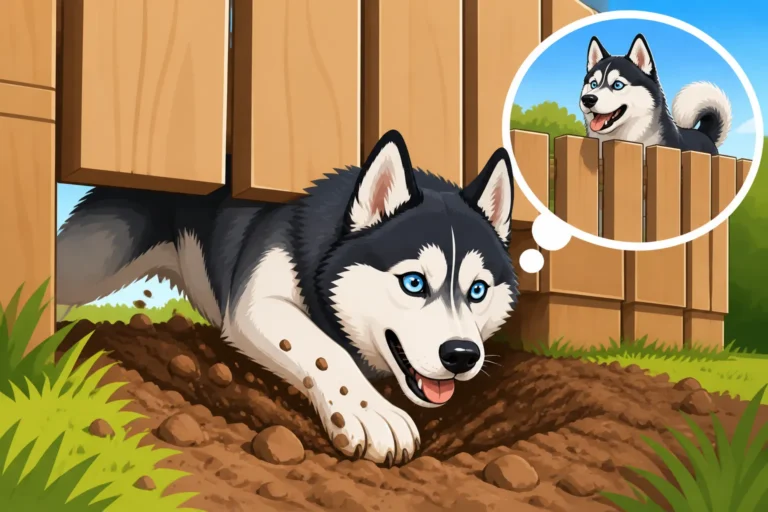
Their compact, athletic build also means they can squeeze through surprisingly small gaps. A gap that looks too tight for a dog of their size might just be enough for a determined Husky to wiggle through, especially if they can use their strong hind legs to push off. Couple this with their digging prowess – Siberian Huskies That Dig Under Fences are a common headache for owners – and you have a dog perfectly equipped for breaking out.
Common Access Points Huskies Exploit
Understanding the "why" is important, but knowing the "how" – the specific weak points your Husky will target – is critical for prevention. Huskies don't discriminate; if it's a barrier, they'll test it. From the most obvious gates to the seemingly secure indoor spaces, they'll find a way out if given the chance.
Gate Latches and Door Handles
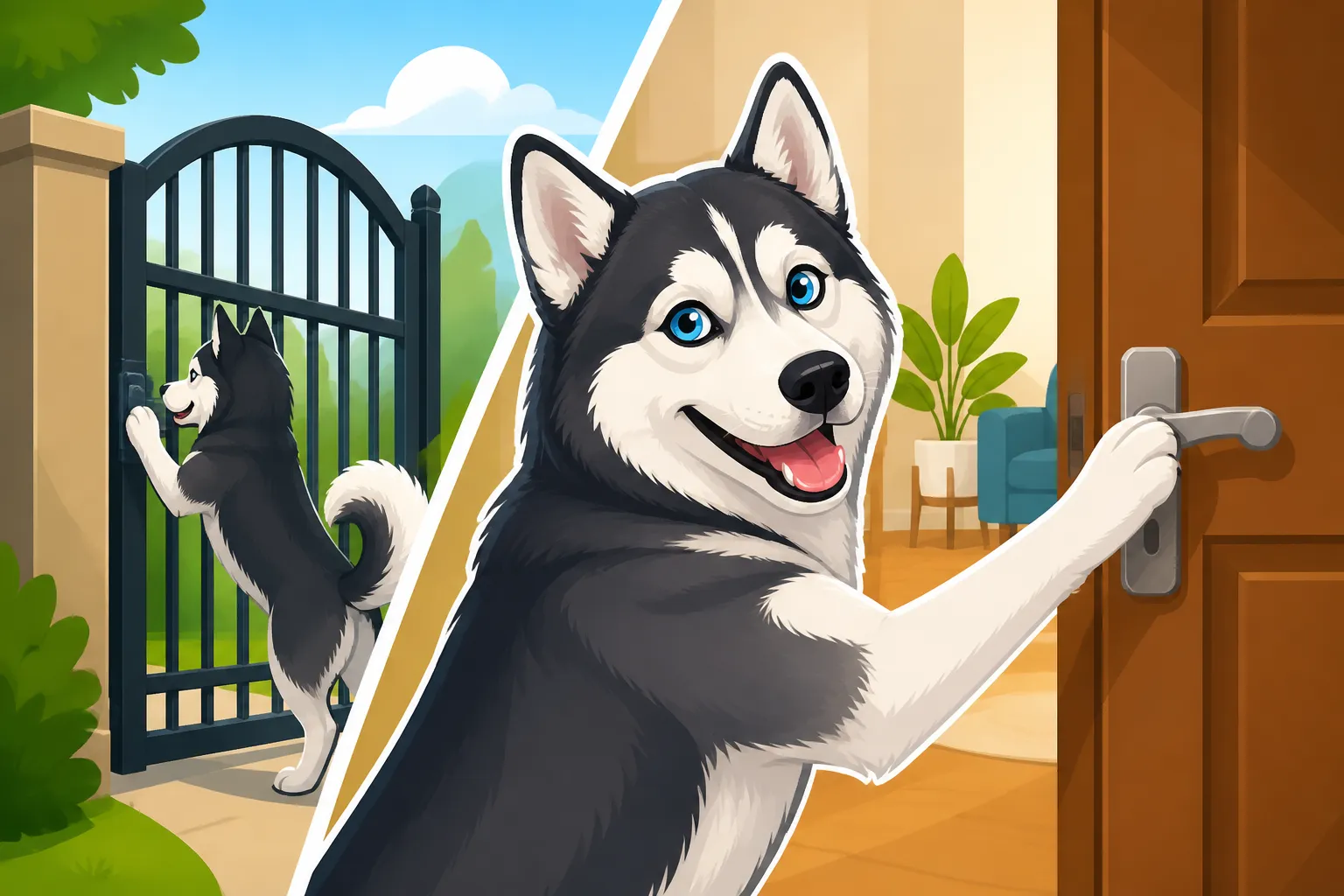
This is often the first line of defense, and consequently, the first point of failure. Many standard gate latches, like simple gravity latches or thumb latches, are no match for a motivated Husky. They learn to stand on their hind legs, hook a paw, or even use their muzzle to flip the mechanism open.
Consider the common lever-style door handle. For many dogs, it's just a funny-shaped object on the door. For a Husky, it's a puzzle waiting to be solved. They quickly learn that applying downward pressure can open the door. I've heard countless stories of Huskies simply opening the back door to let themselves out, or even letting themselves into the pantry for a snack. Sometimes, it's a matter of sheer weight and persistence. They jump up, put their front paws on the handle, and their body weight does the rest. Knob-style handles are generally safer, but even these can sometimes be manipulated by a Husky who uses their mouth to twist it or jumps repeatedly against it until it jiggles open. It's a testament to their persistence and ingenuity.
Even sliding glass doors aren't safe. A Husky can learn to brace their paws against the frame and push with surprising force, especially if the lock isn't engaged or is easily overcome. Gate Locks a Siberian Husky Cannot Open are a necessity, not a luxury, when you share your life with one of these smart cookies.
Unsecured Windows and Screens
Don't underestimate a Husky's ability to exploit vertical escapes. An open window, even with a screen, can be an irresistible invitation. If a window is low enough, a Husky can easily push out a flimsy screen with their nose, paws, or even lean against it until it pops. This is particularly true for older, worn screens or those not designed to withstand pet pressure.
Even windows that seem too high might be accessible if there's furniture nearby that a Husky can jump onto, giving them the leverage they need. Once a screen is breached, the window becomes a direct escape route. I’ve heard of Huskies launching themselves out of second-story windows onto bushes below, all in the name of adventure. It might sound extreme, but for a breed driven by curiosity and a desire to roam, no exit strategy is too outlandish if it promises freedom.
It's a stark reminder that every potential exit point needs to be assessed from a Husky's perspective – how might they see this as an opportunity? This includes ensuring window locks are engaged, and screens are robustly installed, or better yet, opting for security screens if you must leave windows open for ventilation.
Crates and Kennel Runs
You might think a crate or a sturdy kennel run is the ultimate containment solution, but a determined Husky can turn even these into a personal challenge. Standard wire crates, particularly those with flimsy latches or thin gauge wire, are often no match. Huskies can bend bars, worry at latch mechanisms until they give way, or even figure out how to unclip spring-loaded locks.
I've seen Huskies systematically work on a single bar, bending it outwards with their paws and teeth until they've created a gap large enough to squeeze through. For many breeds, a crate is a safe den; for a Husky, it can become a maximum-security prison from which they are determined to break free. This is especially true if they aren't properly crate-trained or suffer from separation anxiety. Crates a Siberian Husky Cannot Break Out Of are typically heavy-duty, reinforced models designed for strong, intelligent dogs.
Kennel runs, too, can fall victim to Husky ingenuity. Just like with fences, they'll test every weak point. They’ll dig under the sides, climb over the top if it’s not fully enclosed, or discover weak points in the gate latches. I've seen them systematically undo carabiner clips, slide bolts, and even chew through lighter gauge wire. Their persistence is truly legendary, and it means any containment system needs to be rigorously tested and maintained.
Fortifying Your Home Against a Husky Houdini
Now that we understand the mindset and methods of a Husky escape artist, let's talk about tangible solutions. Securing your property requires a multi-pronged approach, focusing on physical barriers, reinforced hardware, and diligent maintenance. Think like a Husky, and then build accordingly.
Securing Exterior Gates
Your exterior gates are often the primary target for a Husky looking to explore the great wide open. Standard gravity latches simply won't cut it. You need something more robust, something that requires more dexterity than a paw swipe or a nose nudge.
One of the most effective solutions is a double-locking mechanism. This could involve a heavy-duty, two-way spring-loaded gate latch that requires pressure from two points to open, combined with a padlock or a barrel bolt. Consider installing latches that are mounted high enough so your Husky cannot reach them, even when standing on their hind legs. If your gate has a simple thumb latch, consider adding a carabiner clip or a heavy-duty bolt snap through the latch itself for extra security. For gates that open inward, an L-footer or a heavy stone placed along the bottom can deter digging, as can burying chicken wire or a concrete footing beneath the gate line.
Remember, a Husky will continually test boundaries. So, regularly inspect your gate hardware for wear and tear. Are screws loose? Is the wood rotting around the hinges? Are the latches showing signs of being worked on? A strong, sturdy gate is only as secure as its weakest link. For inspiration on what truly works, you might look into robust farm gate hardware available on platforms like Amazon, which are often designed to withstand livestock pressure, offering a higher level of security than standard residential options.
Husky-Proofing Interior Doors
It's not just about keeping them in the yard; it's about keeping them contained when you need them to be, and preventing them from letting themselves out of the house. Lever-style door handles are an open invitation to a Husky. The easiest solution for these is often to replace them with traditional round doorknobs. While a Husky can sometimes learn to twist a knob with their mouth, it's far more challenging than pushing down a lever.
If replacing handles isn't an option, consider installing child-proof door handle covers. Many of these are designed to make it impossible for small hands to operate the handle, and they work equally well against clever canine paws. Another option is installing a simple, robust barrel bolt or a hook-and-eye latch, mounted high on the door, for any exterior-facing doors or doors leading to areas where the Husky shouldn't roam unsupervised. This is especially important for back doors that lead directly into a yard.
Beyond the handles, examine the door itself. Does it have a wide gap at the bottom that a smaller Husky might squeeze through if it's not fully latched? Are there any weaknesses in the door frame that could be exploited? And don't forget about Replacing Doors a Siberian Husky Has Scratched Through – prevention is always better than repair!
Reinforcing Crates and Kennels
If you rely on a crate or kennel, it needs to be Husky-proof. Standard flimsy wire crates are often just temporary solutions for a growing puppy before they learn how to dismantle them. For adult Huskies, investing in a heavy-duty, escape-proof crate is paramount. Look for crates made from thicker gauge steel, with multiple secure latch points that are recessed or designed to prevent manipulation.
Some of the best options include crates with a "dog-proof" latching system, where a single robust mechanism engages multiple points, making it harder to bend or force. For dogs that are exceptionally determined, or those with separation anxiety, consider a heavy-duty aluminum crate. These are incredibly robust and nearly impossible for a Husky to chew through or bend. When researching, search for products specifically marketed as "escape-proof" or "heavy-duty" on sites like Amazon, and read reviews from other Husky owners.
For outdoor kennel runs, the key is height, an L-footer or buried wire to prevent digging, and a fully enclosed top. A 6-foot fence is often not enough for a motivated Husky, who can easily clear it or climb it. A fully covered top, perhaps with chain-link mesh or a strong wire grid, prevents climbing out. Ensure all connections are secure, and again, use double-locking latches on the gate. Remember, a Husky can be surprisingly adept at A Siberian Husky That Escapes a Kennel Run, so leaving no stone unturned in security is vital.
Training and Management Strategies
Physical barriers are crucial, but they're only one part of the solution. A well-managed and well-trained Husky is less likely to feel the overwhelming urge to escape, and if they do, they'll be better equipped to respond to your commands. This isn't about breaking their spirit but channeling their incredible energy and intelligence into positive behaviors.
Crate Training and Containment Practice
Proper crate training is more than just throwing your Husky in a box; it's about creating a safe, comfortable, and positive space for them. If your Husky views their crate as a punishment, their motivation to escape will be incredibly high. Start slowly, making the crate inviting with comfortable bedding and high-value treats. Crating a Siberian Husky That Bends the Bars often indicates a failure in positive association and a need for a stronger crate.
Practice leaving them in the crate for short periods, gradually increasing the duration. Feed them meals in their crate. Reward calm behavior inside the crate. Never use the crate as a place for punishment. A properly crate-trained Husky learns that the crate is their personal den, a safe haven where they can relax. This can dramatically reduce their desire to escape and prevent destructive behaviors when left alone, such as Siberian Husky Destruction When Left Alone.
For Huskies that display extreme anxiety or escape attempts from their crate, consulting a professional positive reinforcement trainer can provide invaluable guidance. Sometimes, specific anxieties need to be addressed before a crate can become a truly safe space.
Management Techniques for High-Risk Areas
Some areas of your home or yard are simply higher risk for escape. These require constant vigilance and proactive management. For example, if you have a gate that is difficult to completely secure, avoid leaving your Husky unsupervised in that area, even for a moment. This might mean only letting them into certain parts of the yard when you are actively out there with them.
For doors that lead to outside, especially those with handles they've learned to manipulate, consider installing a visible deterrent when you leave, like a child safety gate across the doorway, or even a simple chair braced against the door if it's only for short absences. The goal is to make the act of opening the door more difficult or less appealing. Always double-check that exterior doors are fully latched and locked, and make it a habit for everyone in the household. Consistency is key; one lapse is all a Husky needs.
If your Husky repeatedly attempts to escape from a particular window, don't just rely on the screen. Keep that window completely closed and locked, or install robust security bars or grates. For dogs that try to bolt through open doors, practice Door Manners That Keep a Siberian Husky Inside by teaching them to sit and wait patiently before entering or exiting. This kind of structured training, reinforced constantly, helps manage their impulsive nature.
Redirecting Energy and Mental Stimulation
A bored Husky is a destructive and escape-prone Husky. Their intelligence and boundless energy need appropriate outlets. Providing ample physical exercise is non-negotiable for this breed. This doesn't just mean a leisurely walk around the block. Huskies need intense, structured exercise, like running, hiking, or dog sports. How Much Exercise a Siberian Husky Really Needs is often more than new owners anticipate, but meeting this need can significantly reduce escape attempts.
Beyond physical exertion, mental stimulation is equally vital. Puzzle toys, KONGs filled with frozen treats, scent work games, and regular training sessions all help tire out a Husky's brain. If they're constantly challenged and engaged, they're less likely to create their own "fun" by trying to escape. Consider enrolling in obedience classes or even advanced trick training. Online platforms like BAXTER & Bella offer puppy and dog training programs that focus on positive reinforcement and engagement, which can be incredibly helpful for channeling a Husky's clever mind.
Structured playtimes, where you engage directly with your Husky using flirt poles or fetch games, also help build a strong bond and reinforce their desire to stay with you rather than roam. A Husky that feels fulfilled and has a clear "job" or routine is often a happier, less escape-oriented dog.
What to Do If Your Husky Still Escapes
Despite your best efforts, the unthinkable might still happen. Your Husky slips out. When this happens, panic is a natural reaction, but a clear head and a quick, strategic response are vital. Understanding what to do in the immediate aftermath, and how to prevent it from happening again, can make all the difference.
Immediate Action Plan
If you realize your Siberian Husky has escaped, the absolute first rule is: do not chase them. A Husky's natural instinct when chased is to run further and faster, often treating it like a thrilling game. Instead, make yourself interesting. Call their name in a happy, excited voice, rather than an angry or panicked one. Drop to the ground, pretend to find something incredibly delicious, or start running in the opposite direction. Many Huskies, curious and playful, will stop to investigate or chase after you.
Have high-value treats on hand at all times, even when just stepping out for a moment. A piece of cooked chicken or cheese is far more enticing than a dry kibble. If they approach, praise them calmly and lure them back to you with the treat. Avoid scolding them once they're back; this only teaches them that returning to you results in punishment, making them less likely to come back next time. The focus should always be on rewarding their return.
Immediately put them back on a leash or secure them in a known safe area. Assess how they escaped, and prioritize fixing that point of failure. Time is of the essence, as Why an Escaped Siberian Husky Is a Health Risk due to traffic, other animals, and getting lost.
Preventing Future Escapes
After an escape, it's time for a critical re-evaluation of your security measures. Every escape is a lesson. Did they push through a loose gate? Dig under a specific spot? Open a door that was thought to be secure? Go over every single access point in your home and yard with a fine-tooth comb.
Reinforce, reinforce, reinforce. Add extra latches, bury more L-footers, install stronger door handle covers. If it was a gate, consider adding a combination lock or an additional bolt that requires two hands to operate. If it was a door, ensure it's always locked, even when you're home. Think about what a professional might recommend for a high-security enclosure, and try to replicate that level of protection.
Consider setting up a secondary barrier. If your main yard fence has a weak spot, perhaps an inner dog run or a securely penned area can serve as an additional layer of protection, especially when you're away from home. Being proactive and continuously vigilant is the best way to prevent future escapes. Don't assume that because you fixed one problem, your Husky won't find another.
The Importance of Microchipping and ID
While prevention is key, every Husky owner must prepare for the possibility of an escape. A microchip is an absolute must-have. Unlike a collar and tag, which can fall off or be removed, a microchip is permanent identification. Ensure your microchip registration information is always up to date with your current contact details. Microchip Registration for a Siberian Husky is a quick, inexpensive, and potentially life-saving step.
In addition to a microchip, your Husky should always wear a collar with up-to-date ID tags, including your phone number and address. Consider adding a tag with a "reward if found" message, as this can encourage finders to contact you quickly. GPS trackers, available on sites like Amazon, are also becoming increasingly popular for Huskies. These devices attach to the collar and allow you to track your dog's location in real-time via a smartphone app, providing an invaluable tool for recovery if they do manage to get out.
| Escape Method | Typical Husky Behavior | Recommended Solution | Cost/Effort Level |
|---|---|---|---|
| Gate Latches | Pawing, pushing, manipulating simple levers/flips | Double-locking latches, barrel bolts, padlocks, high-mounted hardware, L-footers | Medium |
| Door Handles | Pushing down levers, twisting knobs, jumping against door | Round doorknobs, child-proof covers, high-mounted barrel bolts/hook-and-eye latches | Low to Medium |
| Window Screens | Pushing out flimsy screens, leaning against them | Keep windows closed/locked, security screens, window grates | Medium to High |
| Digging Under Fence | Persistent digging, exploiting soft spots | Burying chicken wire (L-footer), concrete footing, large rocks along fence line | Medium to High |
| Climbing/Jumping Fence | Scaling chain link, clearing 6-foot fences | Increase fence height (8+ feet), add coyote rollers, fully enclose kennels | High |
| Crate/Kennel Breach | Bending bars, manipulating latches, forcing weak points | Heavy-duty escape-proof crates (aluminum/thick steel), reinforced kennel gates | Medium to High |
No matter how well-behaved or trained your Husky is, their ancestral instincts and incredible problem-solving abilities mean that security is an ongoing commitment. By understanding their motivations and systematically fortifying your home, you can keep your adventurous Husky safe and reduce the stress of being an owner of these amazing, intelligent dogs.
Disclaimer
This article is for general informational purposes only and does not constitute professional advice. Laws, prices and regulations vary by location and change over time. Consult a qualified professional for guidance on your specific situation.