Crating a Siberian Husky That Bends the Bars
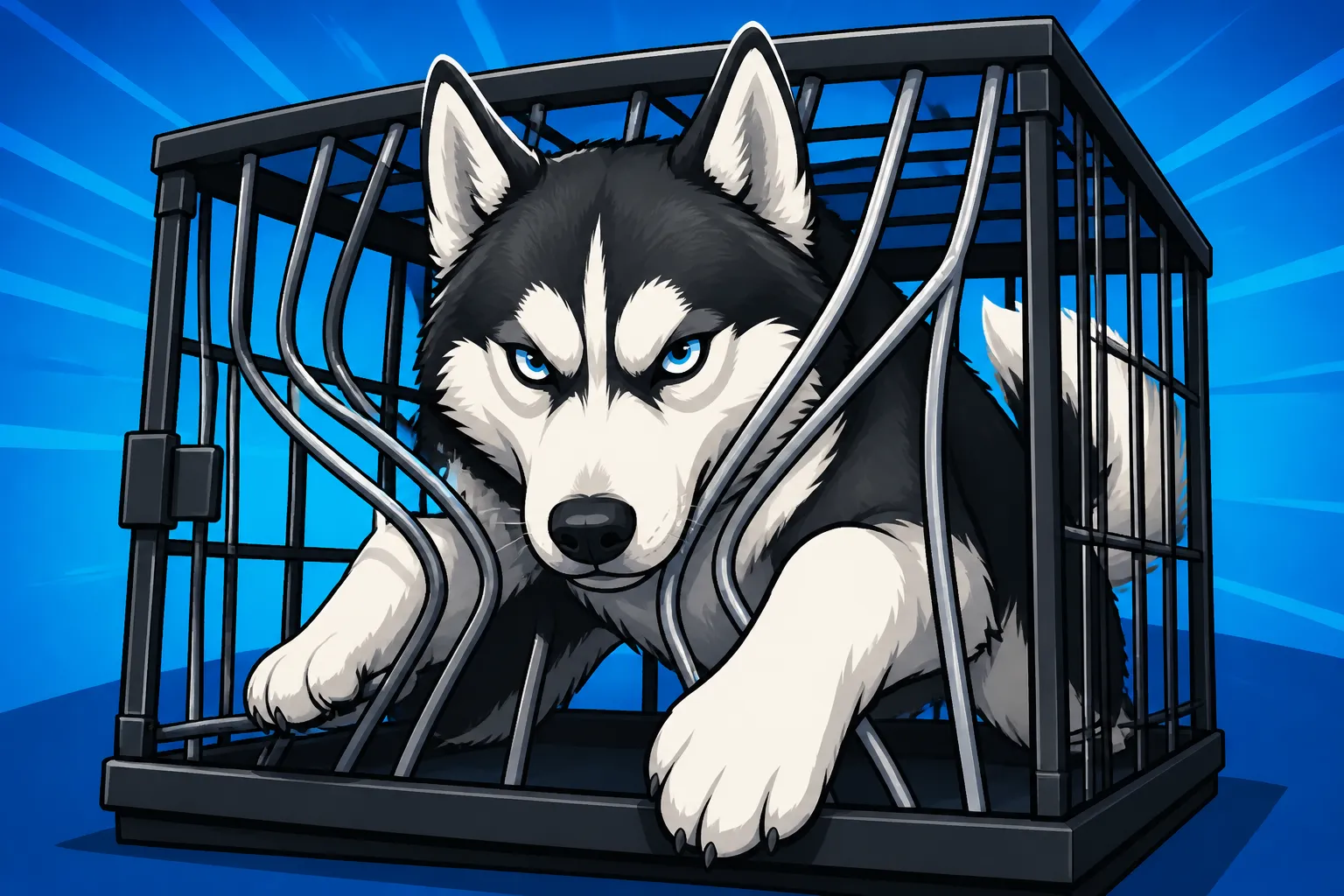
Oh, the sheer frustration! You walk back into your home, maybe after just a quick trip to the store, only to find your usually charming Siberian Husky has transformed into a canine contortionist, bending and twisting the bars of their crate as if they were made of play-doh. It’s not just the ruined crate, it’s the worry about their safety and the feeling of utter helplessness. This guide is all about diving deep into why your clever Husky is doing this and, more importantly, what real, practical steps you can take to stop the great escape act for good.
The Husky Mindset: Why They Become Crate Houdinis
When your Siberian Husky manages to bend, chew, or otherwise dismantle their crate, it’s easy to feel like they’re doing it out of spite or a willful desire to be disobedient. However, Huskies are rarely malicious. Their actions are almost always driven by instinct, unmet needs, or underlying emotional states. Understanding the "why" is the first and most crucial step in addressing this challenging behavior.
The Innate Drive to Escape and Explore
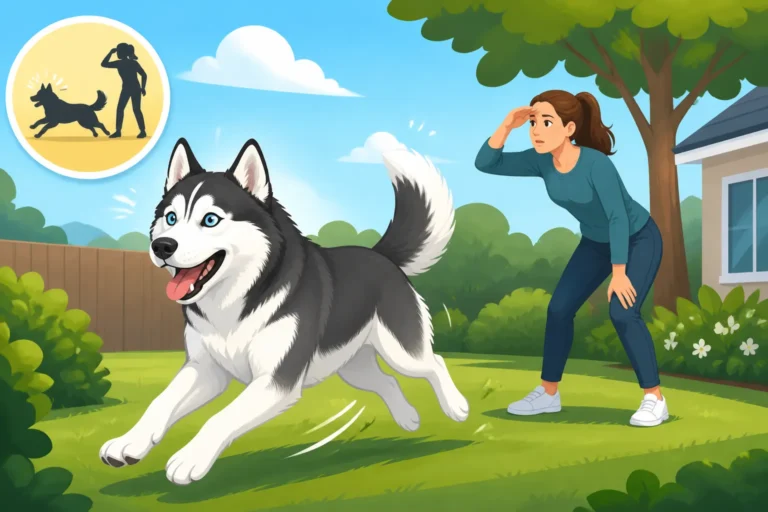
Siberian Huskies were bred for endurance, for traveling vast distances across icy landscapes, and for independence. Their ancestors, the working dogs of the Chukchi people, were masters of efficient travel and problem-solving in challenging environments. This genetic heritage means that Huskies possess an incredibly strong roaming instinct and a profound desire to explore. Confine that energy and inquisitiveness, and you’re essentially asking a marathon runner to stay still in a broom closet.
This isn't about being a "bad dog"; it's about being a Husky. When they're left alone, especially if they haven't had enough physical or mental exercise, that innate drive to move and investigate kicks in. A crate, to them, isn't always a den or a safe space; it can feel like a barrier to their natural inclinations. They become resourceful, using their intelligence and strength to try and overcome the perceived obstacle, which in this case, is the crate itself. This is why Why a Siberian Husky Cannot Be Trusted Off Leash is such an important topic for owners to grasp, as their desire to run is profound.
Anxiety, Frustration, or Just Boredom? Pinpointing the Cause
Identifying the specific emotion driving your Husky's crate destruction is key. Is it true separation anxiety, a deep-seated panic at being alone? Symptoms of separation anxiety often include excessive drooling, frantic escape attempts (which can lead to self-harm), persistent howling or whining, and destructive behavior targeted at exits or the crate itself, all occurring only when you're gone. If your Husky is calm while you're home but destructive the moment you leave, it leans more towards anxiety. You might find a whole world of insight in A Siberian Husky That Panics in a Crate.
Alternatively, it might be sheer frustration or boredom. A Husky left with insufficient mental or physical stimulation before being crated will have an abundance of untapped energy and intelligence. They might systematically test the crate, starting with nudging, then pawing, then chewing at weak points. This isn't panic; it's a focused effort to relieve boredom and gain freedom. Observing your dog's behavior right before and during confinement (perhaps with a pet camera) can offer invaluable clues.
The Power of Jaw and Paw: Husky-Specific Destruction Methods
Let's be real: Huskies are built tough. Their jaws are powerful, designed for tearing at food and sometimes, unfortunately, at your belongings. Their paws are equally robust, capable of digging through snow and dirt with impressive speed and force. When these tools are applied to a crate, especially a flimsy one, the results can be astonishing. Many owners are shocked to see thick metal bars bent out of shape, plastic trays cracked, or latches pried open.
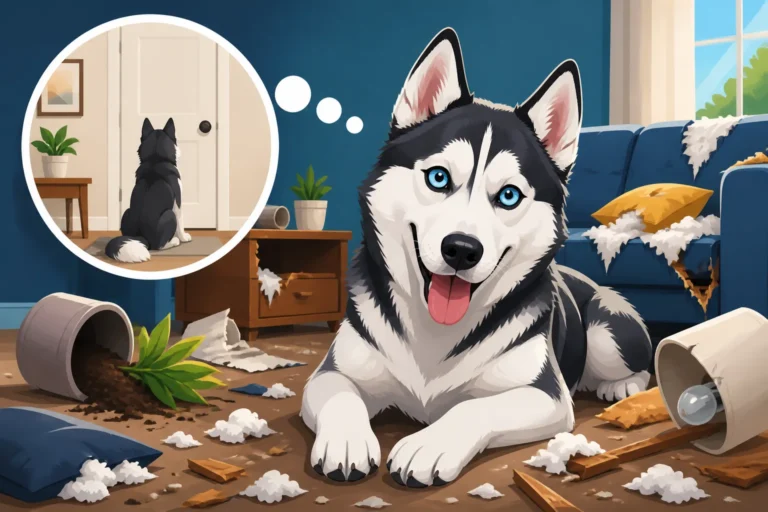
What makes Huskies particularly challenging is their problem-solving ability combined with their physical prowess. They don't just chew randomly; they often target weak spots like the corners where bars meet, the latches, or the welds. They'll use their paws to push and leverage, their teeth to gnaw and widen gaps. It's not just a general destructive urge; it's often a strategic dismantling effort, demonstrating their determination when they decide to achieve a goal. This dedication to getting out is a common reason Siberian Husky Destruction When Left Alone can be such a monumental headache.
Crate Types: What Works and What Doesn't for a Bar-Bending Husky
After witnessing your Husky turn a standard crate into abstract art, you quickly realize not all crates are created equal. Choosing the right containment system is paramount, not just for preventing escapes but, more importantly, for your Husky's safety. A compromised crate can lead to severe injuries or even tragic outcomes.
The Limitations of Standard Wire and Plastic Crates
Most people start with a standard collapsible wire crate. They're affordable, easy to move, and decent for many breeds. For a Siberian Husky with a determined escape agenda, however, they often fall short. The thinner gauge wire can be bent, the welds can be broken, and the latches, while seemingly secure, can be manipulated by a clever paw or determined nose. I've heard countless stories of Huskies bending bars, getting legs caught, or even escaping and injuring themselves on the jagged metal.
Plastic crates, often called "airline approved," present a different set of challenges. While they might feel more like a den, a Husky determined to get out can chew through the plastic, especially around the door and ventilation holes. Ingesting plastic can lead to serious digestive issues, and the sharp edges left behind pose a clear laceration risk. Neither standard wire nor plastic crates are typically designed to withstand the sustained, powerful efforts of a Husky intent on freedom.
Exploring Heavy-Duty, Escape-Proof Crate Options
If your Husky has proven their mettle against standard crates, it's time to consider an upgrade to heavy-duty or "escape-proof" models. These crates are usually constructed from thicker steel or aluminum, featuring stronger welds, multiple secure latches, and often a solid top and bottom to prevent climbing or digging. Many of these are available through retailers like Amazon, offering a range of brands that focus on durability. Look for crates with reinforced doors and panels, sometimes with a "dog-proof" latch system that requires a human-like dexterity to open.
While the initial investment for a heavy-duty crate is significantly higher than a standard one, many owners view it as a necessary cost for peace of mind and, crucially, for their dog's safety. It truly is a "buy once, cry once" situation. These crates are designed to be much harder to bend, chew through, or break out of, offering a secure environment. When you're looking for Choosing a Crate a Siberian Husky Cannot Bend, these are precisely the kinds of options you'll be considering.
DIY Solutions and Kennel Runs as Alternatives
Sometimes, even the heavy-duty crates don't quite cut it, or perhaps you're looking for a more permanent solution for when you're away. Some owners attempt to fortify existing crates with zip ties, carbiners, or additional wire. While these can offer a temporary reprieve, a truly determined Husky will often find a new weakness. These DIY fixes can also sometimes create new hazards if not done perfectly, as loose components could become a choking hazard or entanglement risk.
For long-term solutions, a dedicated kennel run, either indoors or outdoors, can be a great option. An outdoor kennel run needs to be incredibly secure, with tall, climb-proof fencing (often with a covered top or "coyote rollers") and an L-footer or buried wire to prevent digging out. Indoors, a large, secure pen in a dog-proofed room can offer more space than a crate while still containing your Husky. The key is to ensure the construction is robust enough to withstand digging, climbing, and chewing, leaving no weak points for your clever Husky to exploit.
| Crate Type | Durability (Husky-Proof) | Typical Failure Points | Pros | Cons |
|---|---|---|---|---|
| Standard Wire | Low | Bent bars, weak latches, broken welds | Affordable, collapsible, good airflow | Easily destroyed, potential for injury |
| Plastic | Low-Medium | Chewed plastic, flimsy doors | Den-like feel, portable | Not breathable, ingestion risk, less durable |
| Heavy-Duty Steel | High | Very few (if properly secured) | Highly secure, very durable | Expensive, heavy, less portable |
| Aluminum Travel | Medium-High | Latches, thinner gauge material | Lightweight, airline approved | Can be costly, still some chew risk |
Comprehensive Crate Training for the Escape Artist
Just buying a new, tougher crate isn't the whole solution. If your Husky's previous experiences with crating have been negative or stressful, simply upgrading their enclosure won't magically change their mindset. A comprehensive approach that combines proper training, mental and physical enrichment, and a deep understanding of their needs is essential to turning that crate into a positive space.
Building a Positive Crate Association, Step by Step
The goal is to make the crate your Husky's favorite place to be, a sanctuary rather than a prison. This isn't achieved overnight, especially with a dog that already has a negative association. Start by introducing the crate without ever closing the door. Toss high-value treats and favorite toys inside, allowing them to go in and out freely. Feed meals exclusively in the crate, with the door open. Gradually, very gradually, start closing the door for a few seconds while they're eating, then immediately opening it. Extend the time in tiny increments, always keeping it positive and rewarding.
Never use the crate for punishment. It should always be associated with good things. Use a happy, inviting tone when directing them to the crate. Brands like BAXTER & Bella champion positive reinforcement methods, which are crucial here. Their philosophy aligns perfectly with gradually building trust and enthusiasm for tasks, rather than forcing compliance. Remember, a Husky won't be coerced; they need to be convinced that the crate is a worthwhile destination. This patient approach is foundational to answering Whether Every Siberian Husky Needs a Crate in a positive way.
Mental and Physical Exhaustion: The Husky's Best Friend
A tired Husky is a good Husky, and this adage couldn't be truer when it comes to crate training. Siberian Huskies are high-energy dogs, bred for sustained activity. If they haven't had adequate physical exercise before being crated, they'll have a surplus of energy that will inevitably be directed towards escape attempts. A vigorous run, a long hike, or an intense play session right before crating can make a world of difference. Aim for at least an hour or two of intense activity. For more insights on this, check out How Much Exercise a Siberian Husky Really Needs.
Physical exercise isn't enough; Huskies also need mental stimulation. Their intelligent minds crave challenges. Incorporate training sessions, hide-and-seek games, or use puzzle feeders before crating. A dog whose brain has been tired out is far more likely to settle down and rest in their crate. Think of it like this: if you’ve just run a marathon and solved a complex puzzle, you’re probably ready for a nap, not a jailbreak.
Strategic Use of Enrichment and Distraction
Once your Husky is comfortable entering the crate, the next step is to make their time inside enjoyable and distracting. Provide long-lasting, safe chew toys that they only get when in the crate. A Kong stuffed with peanut butter, yogurt, or wet food and then frozen can provide a good 30-60 minutes of focused licking and chewing, which is mentally calming. Durable chew toys like Nylabones or bully sticks are also excellent choices. Rotate these items so they always feel novel and exciting. For ideas on what works, explore Puzzle Feeders a Siberian Husky Cannot Beat.
Background noise can also be surprisingly helpful. Leaving on a radio tuned to a talk station, or a television at a low volume, can help mask outside sounds that might trigger alarm or restlessness. This can create a more serene environment, especially for Huskies who are prone to barking or howling at every passing sound. The key is to give them something positive to focus on and engage with, taking their mind off the confinement.
Addressing Underlying Issues: When Crate Destruction Isn't Just "Bad Behavior"
Sometimes, even with the best crate training and the most robust crate, a Siberian Husky will persist in destructive escape attempts. In these cases, it's crucial to look beyond simple behavioral issues and consider deeper, underlying problems like separation anxiety or a lack of appropriate management. Addressing these root causes is paramount for both your dog's well-being and your own sanity.
Recognizing and Managing Separation Anxiety
True separation anxiety in a Siberian Husky is a profound emotional distress, not just a desire for freedom. Dogs with separation anxiety often display a cluster of symptoms only when left alone. These can include excessive drooling, destructive behavior targeting exits (doors, windows, crates), frantic pacing, persistent vocalization (howling, barking, whining), and sometimes even inappropriate urination or defecation. They are not being spiteful; they are genuinely panicking. For more, read about Siberian Husky Separation Behavior.
Managing separation anxiety typically requires a multi-faceted approach. It often involves systematic desensitization (gradually increasing the time you're away, starting with mere seconds) and counter-conditioning (associating your departure with positive things, like a special treat or toy). This is rarely a quick fix and can be emotionally draining for owners. Patience and consistency are absolutely vital.
The Importance of a Consistent Routine
Dogs thrive on routine. For a Siberian Husky, a predictable schedule provides a sense of security and reduces uncertainty, which can be a significant stressor. Establishing a consistent daily routine for potty breaks, exercise, feeding times, training sessions, and crate time helps your Husky understand what to expect. They learn that even when you leave, you will return, and that their needs will be met.
When the routine is erratic, a Husky might become anxious or frustrated, leading to an increase in undesirable behaviors like crate destruction. Imagine if your day had no predictability – it would be unsettling! For a Husky, knowing when walks happen, when meals are served, and when alone time occurs can significantly reduce the internal drive to "fix" their situation by escaping. This consistency builds trust and helps manage their naturally independent nature.
Seeking Professional Help for Persistent Problems
If you've tried all the positive reinforcement training, ensured adequate exercise, and even upgraded your crate, but your Husky continues to bend bars and panic, it's definitely time to seek professional help. A certified professional dog trainer, particularly one with experience in separation anxiety or independent breeds like Huskies, can provide a tailored plan. They can help you accurately diagnose the root cause and implement effective, humane strategies.
In more severe cases, a veterinary behaviorist might be necessary. These professionals are veterinarians with advanced training in animal behavior and can prescribe medication if appropriate, in conjunction with behavior modification. It's important to be wary of trainers who advocate for punishment-based methods, especially with a sensitive and independent breed like the Husky, as these can exacerbate anxiety and damage your bond. Remember, the goal is always to improve your Husky's welfare, not just suppress a symptom. This can be especially important given the strong will that is sometimes mistaken for stubbornness discussed in Training an Independent Siberian Husky.
Long-Term Management and Safety Considerations
Bringing a Siberian Husky into your life means committing to their unique needs and challenges. While crate training is an invaluable tool, it's important to remember that it's just one piece of the puzzle. For a Husky who has a history of bending bars, long-term management and safety considerations become paramount, requiring vigilance, adaptability, and a healthy dose of realistic expectations.
Ensuring Safety: The Dangers of a Compromised Crate
The most immediate concern with a crate-destructive Husky is their physical safety. Bent bars can create sharp points that can cause deep cuts or punctures. Huskies can get their jaws, paws, or even their necks caught in distorted wire, leading to agonizing injuries. Ingesting plastic or metal pieces from a destroyed crate can lead to internal obstructions, requiring emergency surgery. These aren't hypothetical scenarios; they are real, documented risks that every owner of a crate-breaking Husky must take seriously.
Regularly inspect your Husky's crate for any signs of damage – loose welds, bent wires, splintered plastic, or compromised latches. Even a small weakness can be exploited and quickly escalated into a dangerous situation. If a crate shows significant wear or damage, it's safer to remove it from use than to risk your Husky getting seriously hurt. Always err on the side of caution.
Managing Expectations and Providing Alternatives
It's a tough truth to swallow, but some Huskies may simply never become completely comfortable or safe in a crate, no matter how much training or how heavy-duty the crate. Acknowledging this reality is crucial for both your dog's well-being and your own stress levels. If repeated attempts at positive crate training fail, and your Husky continues to display high levels of anxiety or destructive tendencies when crated, forcing the issue may do more harm than good. Hours a Siberian Husky Copes With Alone is something many owners wrestle with.
In such cases, it's time to explore alternative containment solutions. This could mean dog-proofing an entire room or a section of your home, ensuring that all dangerous items are put away and anything chewable is out of reach. Think of it like baby-proofing, but for a very determined, furry toddler. Heavy-duty indoor kennel runs can also offer a larger, more secure space. Some owners opt for a trusted dog sitter, doggy daycare, or regular check-ins from a dog walker during their absence. The goal is safe, humane containment, not necessarily forced crating. Many Why So Many Siberian Huskies End Up in Rescue stories stem from owners who couldn't manage the high needs of the breed, including their destructive tendencies.
The Relationship Between Exercise, Training, and Crate Success
Ultimately, a crate is a management tool, not a solution to behavioral problems. While a good crate can contain your Husky, it doesn't address the underlying reasons for their destructive behavior. The long-term success of managing a crate-destructive Husky almost always comes back to consistent training, ample exercise, and abundant mental stimulation. A Husky that is genuinely tired, both physically and mentally, is a Husky far less likely to bend bars or develop anxiety when left alone.
This means committing to their daily exercise needs – not just a leisurely walk around the block, but vigorous activity that taps into their working dog heritage. It means continuing with positive reinforcement training throughout their lives, providing mental challenges that keep their intelligent minds engaged. When a Husky's needs are consistently met, their drive to escape and destroy diminishes significantly. It's a holistic approach that sees the crate as one small part of a much larger, loving, and responsible ownership picture.
Disclaimer
This article is for general informational purposes only and does not constitute professional advice. Laws, prices and regulations vary by location and change over time. Consult a qualified professional for guidance on your specific situation.