Siberian Husky Separation Behavior
It's incredibly frustrating, not to mention heartbreaking, when you leave your Siberian Husky alone for what feels like a perfectly reasonable amount of time, only to come home to a scene of destruction, a neighbor's complaint about incessant howling, or even a messy "accident" right in the house. You thought you'd done everything right, but it seems your Husky had other plans. This comprehensive guide will delve deep into the nuances of Siberian Husky separation behavior, exploring why these independent yet deeply bonded dogs struggle when left alone and, more importantly, providing actionable strategies to help your furry companion feel safe and content in your absence.
Understanding Why Huskies Struggle When Left Alone
Siberian Huskies are a breed unlike many others, carrying a strong historical blueprint that influences how they interact with their environment and, crucially, how they cope with being separated from their human "pack." Their unique heritage means that typical dog-training advice sometimes needs a Husky-specific twist. It's not about being stubborn; it's about their intrinsic nature.
The Pack Animal Instinct and Isolation
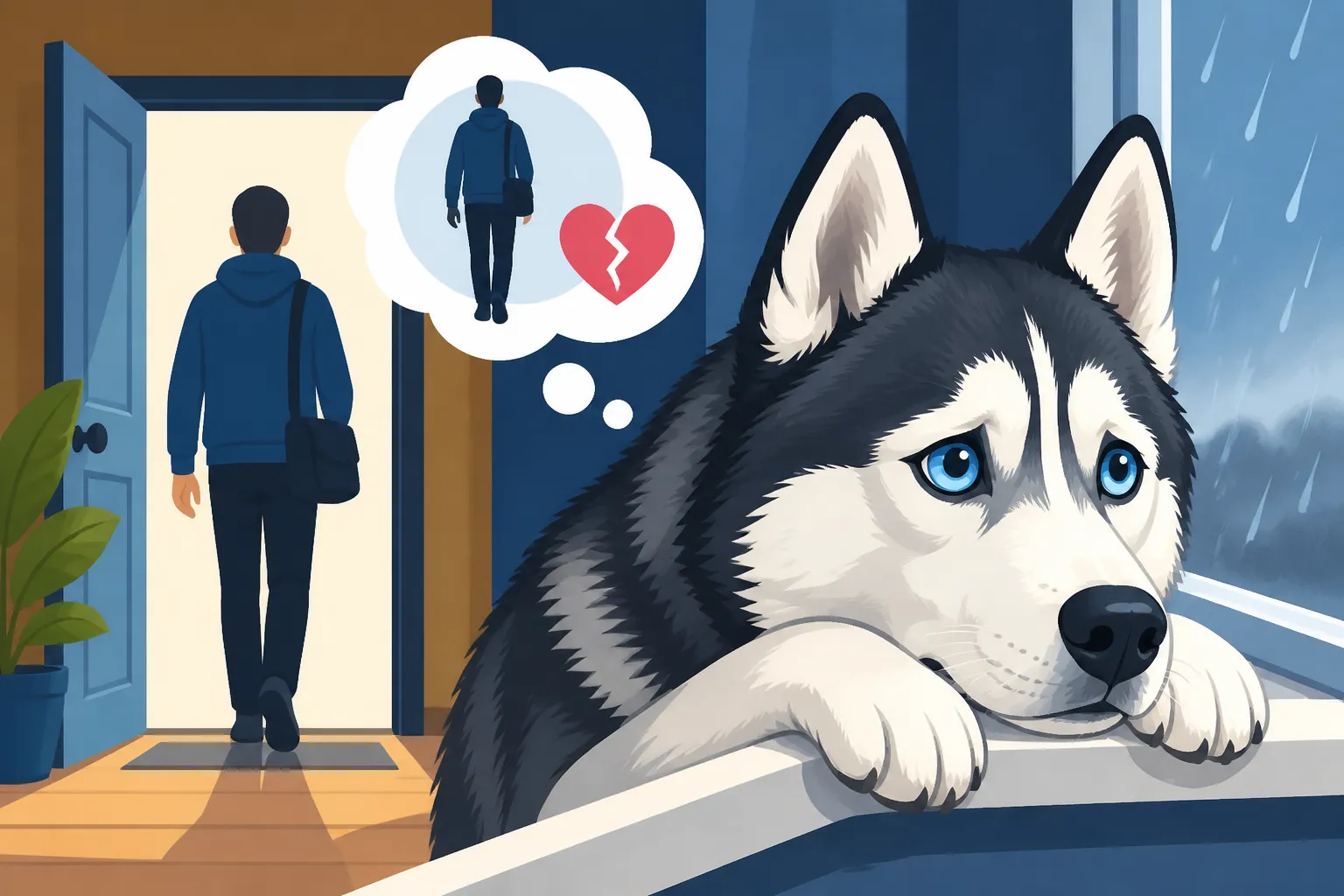
Huskies are, at their core, intensely social pack animals. Their ancestors thrived in close-knit communities, working and living side-by-side with both other dogs and humans. This deep-seated need for companionship means that being left alone can trigger a primal sense of abandonment or vulnerability. It’s not simply boredom; it's a profound feeling of isolation that goes against their very nature.
Imagine a situation where you're part of a close team, and suddenly, everyone else leaves you behind without a word, day after day. You'd likely feel lost, anxious, and perhaps even panicked. That’s a bit how a Husky's world can feel when their family unit departs. This isn't a ploy for attention; it's a genuine emotional response born from millennia of living and surviving as part of a collective. When they're left alone, their natural inclination is to try and reunite with their pack, and if they can't do that, to express their distress in other ways. They might A Siberian Husky That Screams When Left as a way to call out for you, or they might try to create an escape route to find you.
High Energy Needs and Boredom
Beyond their social drive, Siberian Huskies possess an astounding amount of energy. They were bred to run for miles, pulling sleds across vast, unforgiving landscapes. A typical walk around the block, or even a couple of them, often isn't enough to satisfy their deep-seated need for physical and mental exertion. When this boundless energy is left unchanneled, it doesn't just dissipate; it often manifests as destructive behavior when they're left alone.
A bored Husky isn't just lying around waiting for you; a bored Husky is actively seeking something to do. And given their intelligence and powerful jaws, "something to do" often translates into redecorating your living room with shredded couch stuffing, chewing on baseboards, or digging up your carefully manicured lawn. Think of it like a human with too much pent-up energy and nothing to occupy their mind – you might pace, fidget, or engage in restless habits. For a Husky, those habits often have far more impactful consequences on your home. It’s crucial to understand How Much Exercise a Siberian Husky Really Needs to prevent this kind of destructive energy release.
A History of Independence vs. Deep Bonds
It's a common misconception that Huskies are aloof or overly independent, which can lead owners to believe they'll be fine alone. While they certainly possess an independent spirit, especially compared to some other breeds, this doesn't mean they don't form incredibly strong bonds with their human families. Their independence often manifests as a desire to make their own decisions or a reluctance to obey a command if they don't see the immediate benefit, rather than a lack of affection or a preference for solitude.
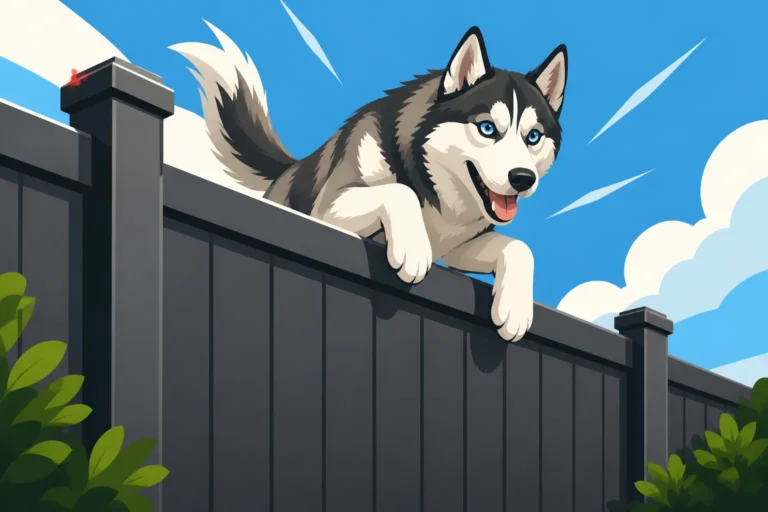
This unique blend means they deeply crave your presence and companionship, even if they don't always show it with effusive, tail-wagging greetings every single time you walk in the door. They bond profoundly, and when that bond is suddenly severed by your departure, their independent problem-solving skills kick in – but often in ways we don't appreciate. Instead of waiting patiently, they might try to figure out how to open the door, scale the fence, or otherwise "solve" the problem of your absence, leading to escape attempts and Siberian Husky Destruction When Left Alone.
Common Signs of Separation Distress in Siberian Huskies
Recognizing the signs of separation distress is the first step toward helping your Husky. It's easy to misinterpret these behaviors as spite or naughtiness, but understanding them as calls for help can shift your approach from punishment to compassionate intervention.
Destructive Chewing and Digging
One of the most common and often exasperating signs of separation anxiety in Huskies is destructive chewing and digging. This isn't about malicious intent; it's typically a self-soothing mechanism or an attempt to escape. Chewing can help alleviate anxiety, much like how some people might bite their nails or chew on a pen when stressed. Digging, on the other hand, often stems from their ancestral urge to create dens or, more commonly in this context, to try and tunnel out of confinement to find their missing pack.
Imagine coming home to find your couch cushions ripped to shreds, the legs of your dining room table gnawed, or a crater excavated in your living room rug. It's a shocking sight, and your immediate reaction might be anger. However, for your Husky, this behavior was likely a frantic attempt to cope with overwhelming stress or a desperate effort to get out and search for you. They aren't trying to punish you; they're genuinely distressed. This kind of behavior can quickly escalate, leading to significant damage and potential injury to your dog from ingesting foreign objects or breaking teeth.
Excessive Vocalization Howling and Barking
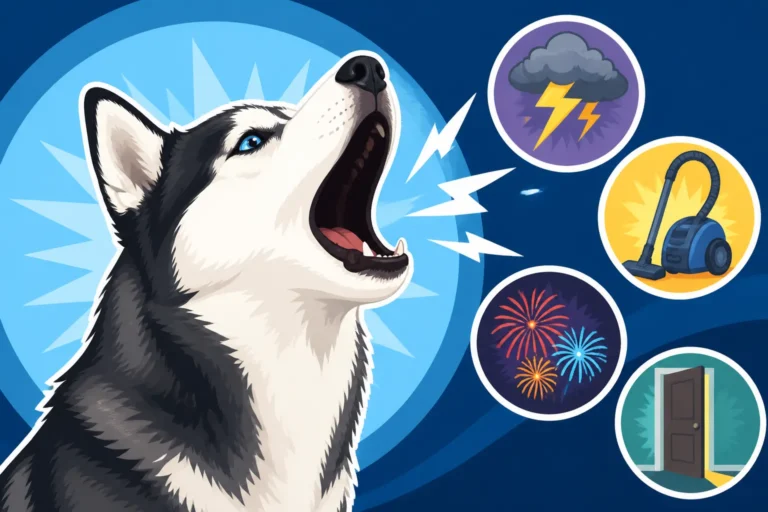
Siberian Huskies are renowned for their vocalizations, which go far beyond typical barking. They howl, yodel, "talk," and even scream. While these sounds are part of their charm when you're home, they become a significant problem when your Husky is left alone and uses these sounds to express their distress. This excessive vocalization is often their way of calling out for the missing members of their pack, hoping to solicit a response.
Neighbors are often the first to notice this particular sign, especially in apartment buildings or densely populated areas. A Husky left alone for hours might engage in nearly continuous howling, which can be incredibly disruptive and lead to complaints. This isn't just "talking" anymore; it's a sustained, anxious vocal output driven by their feeling of abandonment. It’s a clear indicator that your Husky isn't just bored, but genuinely upset by your absence. You might hear stories of A Siberian Husky That Screams When Left for hours, which is a sure sign of deep distress.
House Soiling and Anorexia
Less commonly, but equally indicative of severe separation distress, are house soiling and a refusal to eat when left alone. A perfectly house-trained Husky suddenly having "accidents" indoors, despite being let out recently, can be a symptom of anxiety. The stress can disrupt their normal bodily functions, leading to urination or defecation. This is distinct from a lack of house training; it's a stress response.
Similarly, some Huskies with separation anxiety will refuse to eat any food or treats left for them while you're gone, only to consume them ravenously the moment you return. This isn't about pickiness; it's an extreme manifestation of anxiety where their stress levels are so high that their appetite is completely suppressed. It indicates a profound level of discomfort and fear associated with your absence. These subtle signs are often overlooked but are just as important as the more overt destructive behaviors in signaling a Husky in distress.
Strategies for Preventing Separation Behavior
The best offense is a good defense, and this holds true for separation behavior in Siberian Huskies. By implementing preventative strategies from an early age or when bringing a new Husky into your home, you can lay a strong foundation for a calm, confident dog who handles alone time with grace.
Crate Training as a Safe Haven
Crate training is one of the most effective tools for preventing and managing separation anxiety, but it must be done correctly. For a Husky, the crate should never be used as a punishment; instead, it needs to become their personal den – a safe, comfortable, and positive space where they feel secure. This means introducing the crate gradually, making it inviting with soft bedding and treats, and never forcing them into it. Many Huskies respond well to having their own den, especially if it’s introduced as a place of comfort and security.
Start with very short periods, even just a few minutes, while you're still in the room. Give them a special, high-value treat or a favorite toy they only get in the crate. Slowly increase the duration, always making sure they are calm and comfortable before you extend the time. The goal is for them to associate the crate with positive experiences and relaxation, not with being abandoned. If your Husky has already developed anxiety, you might even have a situation of Crating a Siberian Husky That Bends the Bars, which indicates improper crate introduction or extreme distress. Remember, Whether Every Siberian Husky Needs a Crate is debatable for all dogs, but for Huskies prone to destruction or escape, it's often a lifesaver when done right.
Building Independence Gradually
One of the biggest mistakes owners make is never letting their Husky learn to be truly alone, even when they are home. This can inadvertently foster an over-reliance on your constant presence. Building independence means teaching your Husky that your absence isn't a cause for panic, and that even when you're home, you're not always available for interaction.
Start by practicing "absence" while you're still in the house. Go into another room, close the door, and come back after a minute or two. Gradually increase the time you spend out of sight. You can also teach them to settle on their own bed or in their crate while you go about your business, not constantly interacting with them. The idea is to break the expectation that your presence always equals engagement. This helps them understand that "alone" doesn't necessarily mean "abandoned." You want them to be able to enjoy their own company for periods, rather than constantly seeking yours.
Exhausting Their Energy Before You Leave
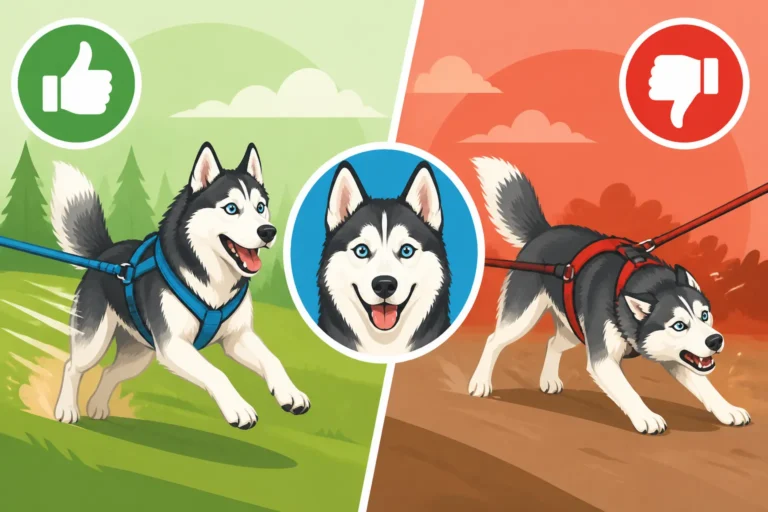
As we discussed, Huskies have immense energy reserves. A tired Husky is a much calmer Husky, and this is incredibly important when it comes to alone time. Before you even think about leaving your Husky alone, make sure they’ve had a substantial physical and mental workout. This doesn’t mean just a quick walk. Think long runs, intense games of fetch, or even structured harness work like canicross or bikejoring if you're equipped for it.
The goal is to physically tire them out to the point where they are genuinely ready to relax and sleep, rather than pacing or looking for mischief. Combine physical exercise with mental stimulation, such as training sessions or a puzzle toy, to truly deplete their energy stores. A Husky who has just finished a five-mile run and a twenty-minute training session is far more likely to settle down and snooze than one who has only had a quick potty break. This proactive approach significantly reduces the likelihood of them developing destructive or vocal behaviors when left alone.
Managing and Modifying Existing Separation Anxiety
If your Siberian Husky is already exhibiting signs of separation anxiety, prevention is no longer enough. You need targeted strategies to help them overcome their fear and learn to cope with your absence. This often requires patience, consistency, and sometimes, the help of a professional.
Desensitization and Counter-Conditioning
This is the cornerstone of treating separation anxiety. Desensitization means gradually exposing your Husky to the triggers that usually lead to anxiety (like you picking up your keys or putting on your shoes), but at such a low intensity that they don't react negatively. Counter-conditioning means changing their emotional response to these triggers from fear to something positive.
Start by identifying your departure cues. Do you pick up your keys? Put on a specific jacket? Grab your purse? Practice these actions without actually leaving. Pick up your keys, put them down. Put on your jacket, take it off. Do this repeatedly until your Husky no longer reacts with apprehension. Then, slowly introduce very short absences. Leave for literally 10 seconds, come back, and reward calm behavior. Gradually increase the time you're gone, always staying below their threshold for anxiety. If they start to panic, you've gone too far, too fast, and need to dial it back. The online training platform BAXTER & Bella offers structured programs that guide owners through this process step-by-step, making it easier to implement at home.
Enriching the Environment When Alone
Even after rigorous exercise, a Husky might still have residual energy or simply need something positive to occupy their mind during your absence. Environmental enrichment is vital. This means providing engaging activities that are safe and stimulating for them to do while you're away.
Durable chew toys stuffed with high-value treats like peanut butter or frozen yogurt, puzzle toys that require problem-solving to dispense kibble, or even a Kong filled and frozen can keep a Husky occupied for significant periods. These items turn alone time into a positive experience, giving them a "job" to do. Rotating these toys can also keep them fresh and interesting. Just ensure any toy you leave is incredibly durable and safe, as Huskies are known for their ability to destroy toys rapidly. Many owners find a good selection of these on Amazon, making sure to read reviews for durability. Remember, Puzzle Feeders a Siberian Husky Cannot Beat are ideal; the challenge keeps them engaged.
When to Seek Professional Help
There are times when separation anxiety is so severe that home-based interventions aren't enough, or when an owner feels overwhelmed and unsure how to proceed. This is absolutely nothing to be ashamed of; separation anxiety is a complex behavioral issue, and professional guidance can be invaluable.
A certified professional dog trainer, especially one experienced with northern breeds and behavioral issues, or a veterinary behaviorist (a vet with specialized training in animal behavior) can assess your Husky's specific situation, rule out any underlying medical causes for the anxiety, and develop a tailored behavior modification plan. They can offer insights into nuanced behaviors you might be missing and provide hands-on guidance for implementing the techniques correctly. Sometimes, in severe cases, a veterinary behaviorist might even suggest medication in conjunction with behavior modification to help reduce anxiety levels enough for the training to be effective. Don't hesitate to reach out to Finding a Trainer Who Has Worked With Huskies if you're struggling; their expertise can make all the difference.
Tools and Resources for Supporting Your Husky
Modern technology and a better understanding of canine behavior have given us a wealth of tools and resources to help our Huskies cope with alone time. These can make a significant difference in their comfort and your peace of mind.
Durable Chews and Puzzle Toys
For a powerful chewer like a Siberian Husky, "durable" takes on a whole new meaning. Standard chew toys often last minutes, not hours. Investing in high-quality, virtually indestructible chews is essential. Look for brands known for their heavy-duty dog products. These include toys made from hardened rubber, solid nylon, or even natural antlers (with caution and supervision).
Puzzle toys are also fantastic. They force your Husky to use their brain to get to a reward, which is incredibly mentally fatiguing. This mental workout can be just as tiring as physical exercise for a Husky. Options range from simple treat-dispensing balls to more complex interactive feeders. Ensure the toy is appropriate for your Husky's size and chewing strength to prevent frustration or rapid destruction. Shopping for these on Amazon allows you to compare many brands and read reviews from other Husky owners about their durability.
| Type of Toy | Benefit for Huskies | Key Features to Look For |
|---|---|---|
| Durable Chew | Relieves anxiety, satisfies natural chewing urge | Heavy-duty rubber, solid nylon, appropriate size, non-splintering |
| Puzzle Toy | Mental stimulation, slows eating, reduces boredom | Multiple difficulty levels, durable materials, easy to clean |
| Lick Mat | Calming, self-soothing, prolongs treat enjoyment | Strong suction cups, non-toxic material, dishwasher safe |
| Snuffle Mat | Foraging instinct, mental enrichment | Washable, multiple fabric textures, secure base |
Monitoring Devices and Calming Aids
Technology can be a huge help when you're trying to understand and address separation anxiety. Pet cameras, many of which can connect to your smartphone, allow you to observe your Husky's behavior in real-time when you're not home. This objective view can help you pinpoint exactly when the anxiety starts, what triggers it, and how long it lasts. Some cameras even allow for two-way audio, so you can speak to your Husky, or dispense treats remotely.
Beyond monitoring, various calming aids can support your Husky during alone time. These might include diffusers that release canine pheromones, calming vests that provide gentle, continuous pressure (like a hug), or even specially formulated calming treats and supplements. It’s important to remember that these aids are usually most effective when used in conjunction with a behavior modification plan, rather than as a standalone solution. Always discuss any supplements or significant calming aids with your veterinarian before introducing them. Hours a Siberian Husky Copes With Alone is much easier to assess with a good monitoring device.
Online Training Programs and Community Support
You don't have to tackle separation anxiety alone. There are many excellent online training programs and communities that can provide guidance, support, and a sense of shared experience. These resources can be particularly helpful for Husky owners, as the breed's unique traits mean that generic advice sometimes falls short.
Online platforms like BAXTER & Bella offer comprehensive courses that often include modules specifically addressing separation anxiety and building confidence in dogs. These programs provide structured lessons, videos, and sometimes even direct access to trainers, allowing you to learn and implement strategies at your own pace. Additionally, joining online forums or social media groups dedicated to Siberian Huskies can connect you with a community of owners facing similar challenges. Sharing experiences, asking questions, and getting advice from people who truly understand the breed can be incredibly reassuring and provide fresh perspectives when you feel stuck. Remember, A Siberian Husky That Panics in a Crate might need a different approach than one that simply gets bored; community insights can help tailor solutions.
Disclaimer
This article is for general informational purposes only and does not constitute professional advice. Laws, prices and regulations vary by location and change over time. Consult a qualified professional for guidance on your specific situation.