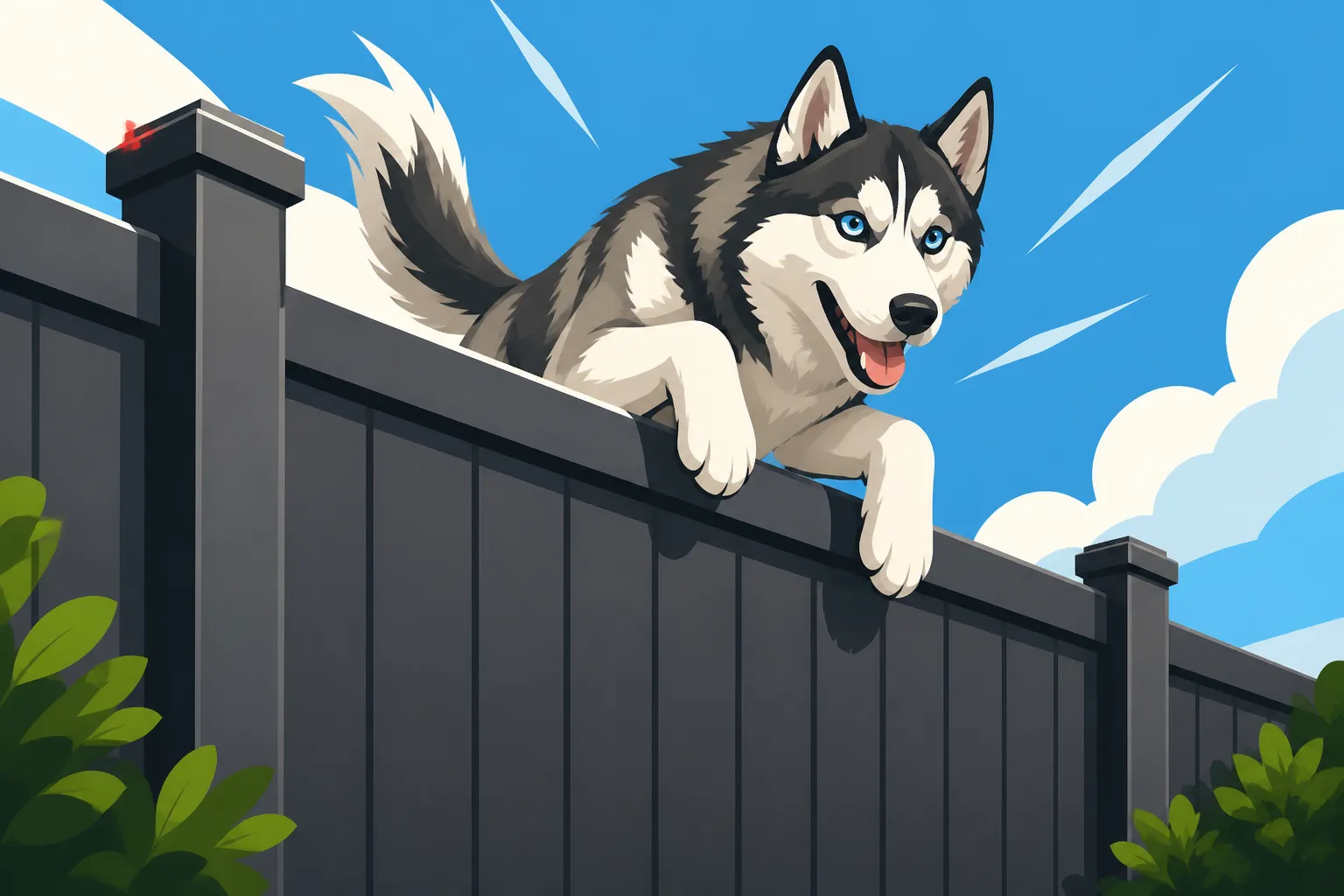
Six-Foot Fences and the Siberian Husky That Climbs
It’s a tale as old as time for many Siberian Husky owners: you invest in a sturdy six-foot fence, feeling confident you've finally created a secure haven for your adventurous companion, only to discover your furry Houdini has found a way over, through, or under. This guide is here to shed light on why that standard six-foot fence isn't always the impenetrable fortress you hoped for, and more importantly, what practical steps you can take to outsmart your clever climber.
Why a Six-Foot Fence Isn't Always Enough for a Siberian Husky
Let's be real, Siberian Huskies are not your average dog. They weren't bred to politely stay in a suburban backyard. Their ancestors ranged vast distances, and that instinct for exploration and movement runs deep. Many owners are shocked when their six-foot fence, which easily contains other breeds, proves to be merely a suggestion for their determined Husky.
The Husky’s Athleticism and Problem-Solving Skills
Siberian Huskies are incredibly athletic. They are built for endurance and agility, not just brute strength. This means they can jump higher than you'd expect, often finding purchase with their powerful hind legs. But it's not just about jumping straight up; it's about their ingenuity. They are natural problem-solvers, and a fence is just another puzzle to crack. If they can get a pawhold, leverage themselves against a post, or use a nearby object as a boost, they will. Their intelligence, combined with that deep-seated desire to explore, creates a formidable escape artist. They're not being "bad"; they're simply being Huskies, following millennia of instinct. This is why you often hear the common refrain that Why a Siberian Husky Cannot Be Trusted Off Leash.
The Motivation Behind the Climb
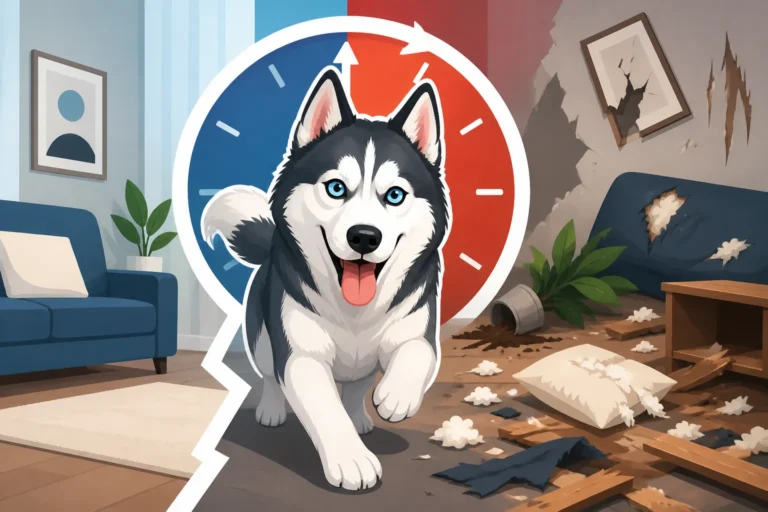
So, why do they do it? Often, it's not malice or a lack of love for you. It's their inherent drive. They have an incredible The Roaming Instinct Bred Into Every Siberian Husky. This instinct, coupled with their high energy levels, means that a backyard, even a large one, can feel like a cage if they're not getting enough mental and physical stimulation. They might be chasing a squirrel they spotted, seeking out a new adventure, or simply bored. A bored Husky is a destructive or an escaping Husky. They're telling you, in their own way, that their needs aren't being fully met. This doesn't mean you're a bad owner, but it does mean you need to adapt your environment and routine to their unique breed traits.
Identifying the Climbing Behaviors and Weak Points
Before you can fix the problem, you need to understand how your specific Husky is attempting to escape. Every dog is an individual, and while many Huskies share tendencies, their escape methods can vary.
Common Climbing Tactics
Huskies are clever. They don't always jump straight over. Sometimes, they're more akin to parkour athletes. Here are a few common ways they attempt to scale a six-foot fence:
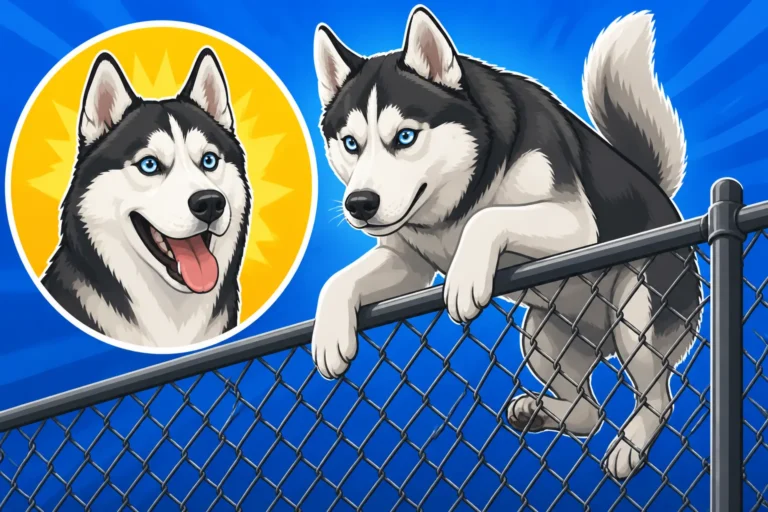
- The "Ladder" Effect with Chain Link: If you have a chain-link fence, the individual links act as perfect footholds. A determined Husky can literally climb it like a ladder, swiftly ascending and then flipping over the top. This is a common sight and a serious challenge for owners with this fence type.
- Leveraging Objects: Has your Husky ever "mysteriously" ended up on top of the shed roof, or on the other side of the fence when you have a conveniently placed wood pile or an old picnic table nearby? Huskies will absolutely use anything positioned too close to the fence line as a stepping stone or launchpad. Don't underestimate their ability to drag or push lighter objects into position either.
- The "Springboard" Jump: Some Huskies are powerful jumpers. They might take a running start and clear the fence with sheer athleticism. This is more common with lower fences, but a very motivated or exceptionally athletic Husky can still manage it over a six-foot barrier, especially if they are tall enough to just grab the top and pull themselves over.
- Fence-Top Bending/Chewing: If the fence material is pliable, like certain types of wire mesh or even thin wood panels, some Huskies will use their weight or teeth to bend or break the top edge, creating a path to scramble over.
Inspecting Your Fence for Weaknesses
You need to become a detective in your own backyard. Walk the perimeter of your fence daily, looking for clues.
- Paw Prints and Scratches: Look for paw prints on the fence posts, particularly near the top, or scratch marks on the fence material itself. These are clear indicators of climbing attempts.
- Bent Tops or Gaps: Check the very top of your fence. Are there any sections that are bent outwards or have gaps appearing? This could be where they are getting their leverage.
- Moved Objects: Take note of anything near the fence that might have been moved – dog houses, garden furniture, discarded timber. If it wasn't there yesterday, your Husky might have had a hand (or paw) in it.
- Digging: While this guide focuses on climbing, remember that Siberian Huskies That Dig Under Fences are also master excavators. Sometimes, a dog will dig down a few inches to get better footing for a jump or to create a tunnel for another escape route. Address all potential escape avenues simultaneously.
- Gate Security: Don't forget the gates. Huskies are intelligent enough to learn how to open simple latches. Ensure your gates are not just tall, but also secured with robust, Husky-proof locks that require more than a simple nudge or paw-swipe to open.
Strategies to Husky-Proof Your Six-Foot Fence
Now that you know their tricks, it's time to implement solutions. Beefing up your fence and making it less appealing for climbing involves a combination of physical modifications and smart landscaping.
Physical Deterrents and Modifications
These are your primary weapons against a climbing Husky. Each type addresses a specific escape strategy.
- Coyote Rollers: These are a game-changer for many Husky owners. Coyote rollers are smooth, rotating cylinders that are installed along the top of your fence. When a Husky tries to get a pawhold on the top of the fence, the roller spins, preventing them from getting the leverage needed to pull themselves over. They're frustratingly effective for dogs and wonderfully simple for owners. You can often find kits or materials to create DIY versions on sites like Amazon. They don't add height, but they remove the critical grip point.
- Smooth Fence Extensions Angled Inward: If your fence is climbable (like chain link), you might consider adding a section of smooth material, like Plexiglas or sturdy sheet metal, to the top foot or two of the fence. Crucially, angle this section inwards at about a 45-degree angle into the yard. This creates an overhang that's incredibly difficult to scale, as they can't get a purchase on the angled, smooth surface.
- Adding Height with Invisible Barriers: While you might already have a six-foot fence, sometimes just a little more can make a difference. However, simply adding more chain link might still offer climbing opportunities. Instead, consider adding a couple of feet of wire mesh (with small enough gaps so they can't get a toehold) angled inwards.
- L-Footers or Dig Guards (Combined Prevention): Even if your Husky is primarily a climber, a well-placed L-footer can deter them. An L-footer is essentially a section of mesh or wire laid flat on the ground, extending inwards from the base of the fence, and securely attached to prevent them from lifting it. This prevents digging under, but also makes it harder for them to get a solid, close-to-the-fence run-up or leverage point if they were trying to spring up from the base. It’s a multi-purpose defense for Stopping a Siberian Husky Digging Along the Fence.
- Removing Climbing Aids: This seems obvious, but it's often overlooked. Move everything away from the fence line. Dog houses, garbage bins, firewood stacks, even tall shrubs or trees with low branches – if it's within a few feet of the fence, it's a potential launchpad. Be ruthless in clearing your fence perimeter.
Material Matters for Climbers
The type of fence you have can significantly impact your Husky's climbing success.
- Chain Link: While common and relatively affordable, chain link is the easiest for Huskies to climb due to its "ladder" structure. If you have chain link and a climbing Husky, you will almost certainly need to invest in coyote rollers or smooth, angled extensions.
- Wood Panel Fences: These are generally harder to climb straight up because they offer fewer footholds, especially if the panels are solid and smooth. However, horizontal slats or gaps can still provide purchase. The main risk here is if the wood is old or weak, allowing them to bend or break panels, or if there are objects nearby to assist in the jump.
- Vinyl or PVC Fences: Similar to smooth wood, these offer very few climbing opportunities due to their slick surfaces. They are often a good choice for Husky owners, though they can be more expensive. Ensure the gates are robust and securely latched.
Here’s a quick overview of common fence modifications for climbers:
| Modification Type | How it Works | Best For | Pros | Cons |
|---|---|---|---|---|
| Coyote Rollers | Spinning cylinders on top prevent pawholds. | All fence types, especially chain link. | Highly effective, visually subtle. | Can be an initial investment, installation needed. |
| Angled Smooth Extensions | Smooth material angled inward prevents grip. | Chain link, wood fences. | Very effective for athletic climbers. | Can alter aesthetics, requires construction. |
| L-Footers / Dig Guards | Wire mesh laid on ground at fence base. | All fence types, multi-purpose. | Prevents digging and reduces jump leverage. | Primarily for diggers, but offers secondary climbing deterrent. |
| Removing Launchpads | Clearing objects away from fence line. | All fence types. | Free, simple, immediate impact. | Requires constant vigilance. |
| Higher, Solid Gates | Ensuring gates are as tall as fence and secure. | All fence types. | Prevents easy exit points. | May require professional installation for existing gates. |
Training and Management Beyond the Fence Itself
While physical barriers are crucial, relying solely on them is like putting a band-aid on a gushing wound. You need to address the root causes of your Husky's desire to escape.
Intensive Exercise and Mental Stimulation
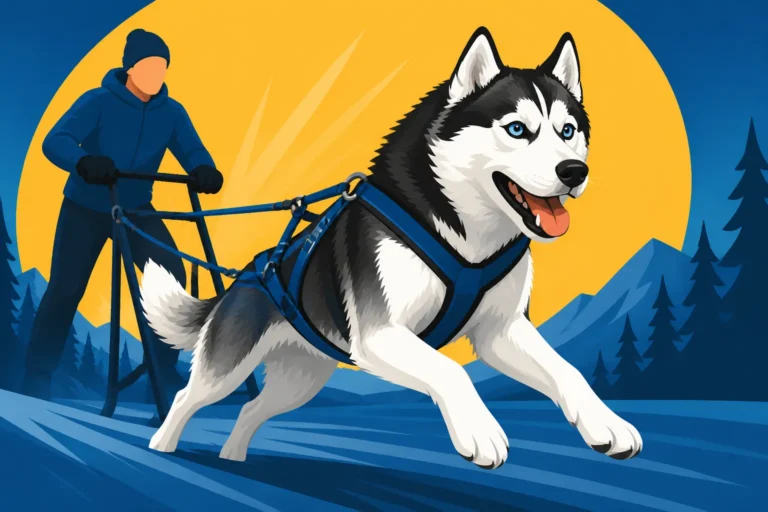
Remember, a tired Husky is a good Husky. These dogs were bred to run for miles, often pulling a sled. A quick walk around the block simply isn't going to cut it.
- High-Energy Activities: Incorporate activities that tap into their natural drives. Think canicross (running with your dog harnessed to you), bikejoring (cycling with your dog pulling), or long, brisk hikes on varied terrain. Even intense games of fetch in a secure, large area can help. For active owners, learning Starting Canicross With a Siberian Husky can be a lifesaver.
- Mental Challenges: Huskies are smart, and that brain needs a workout too. Engage them with puzzle toys, scent work, or regular training sessions. Learning new tricks, even silly ones, can be incredibly satisfying for them. Use interactive feeders from brands like Amazon that dispense food slowly, making mealtime a mental exercise. BAXTER & Bella offers excellent online training resources that can guide you through stimulating activities.
- Structured Playdates: If your Husky enjoys other dogs, supervised playdates with equally energetic companions can burn off a lot of steam. Just be mindful of their prey drive if small dogs are involved, and ensure the play environment is completely secure.
The Role of Supervision and Training
Even with the most fortified fence, constant supervision is your best defense. Huskies are quick, and it only takes a moment for them to spot an opportunity.
- Never Leave Unattended: Seriously, never. Even if you're just running inside for "a minute," that's often all the time a determined Husky needs. If you can't be out there actively watching them, they should be indoors or in a truly escape-proof kennel.
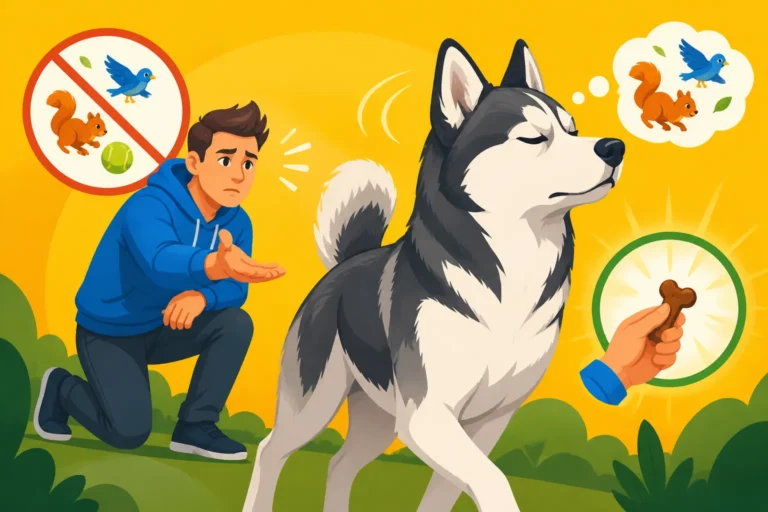
- Emergency Recall Practice: While we often say Huskies can't be trusted off-leash, a rock-solid emergency recall is still an invaluable tool. If they do manage to get over or out, a strong recall, practiced consistently with high-value rewards, might be your only hope of getting them back before they're out of sight. Practice Building a Siberian Husky Recall Word From Scratch in controlled environments first, gradually increasing distractions.
- "Leave It" and "Stay" Commands: Teach and reinforce these commands rigorously, especially near the fence line. If they begin to show interest in climbing or digging, a firm "leave it" can redirect their attention. A strong "stay" can buy you time to intervene.
Considering a Secure Kennel or Run
For times when you absolutely cannot supervise your Husky in the main yard, a truly secure kennel or dog run can be a necessary addition. This isn't about punishment; it's about safety.
- Specifications: A Husky-proof kennel should have:
- Solid, tall sides (at least 6-8 feet).
- A secure roof to prevent climbing out.
- A concrete slab or buried L-footers to prevent digging out.
- Heavy-duty latches that cannot be manipulated.
- Comfort and Enrichment: This run should be a comfortable, enriched space, not a barren prison. Include shade, fresh water, durable chew toys, and comfortable bedding. Use it for short durations when you need to step away, ensuring they've had plenty of exercise beforehand.
By combining robust physical barriers with consistent training, ample exercise, and vigilant supervision, you can create a safer, more secure environment for your climbing Siberian Husky. It's a commitment, but it's one that leads to a happier, healthier, and safer life for your adventurous companion.
Disclaimer
This article is for general informational purposes only and does not constitute professional advice. Laws, prices and regulations vary by location and change over time. Consult a qualified professional for guidance on your specific situation.