Two Runs a Day for a Siberian Husky
Many new Siberian Husky owners often believe that a couple of brisk walks or short jogs each day will be enough to satisfy their energetic companions. The reality, however, is that while "two runs a day" sounds like a solid plan on paper, it often falls far short of what these magnificent dogs truly need, leading to frustration for both dog and human. This guide is here to shed light on the unique exercise requirements of Siberian Huskies and help you understand how to genuinely fulfill their boundless energy and intelligent minds, ensuring a happy, well-adjusted household.
The Myth of "Two Runs a Day" and Siberian Huskies
It's a common misconception that simply taking your Siberian Husky out for two separate runs, say a mile in the morning and another in the evening, will be sufficient to tire them out. Owners often start with good intentions, thinking they've got this exercise thing down, only to find their Husky is still bouncing off the walls, digging up the yard, or serenading the neighborhood with extended vocalizations. The problem isn't necessarily the number of runs, but often the quality and intensity of those "runs" from a Husky's perspective.
These dogs were bred for endurance and purpose, not just short bursts of speed. Their ancestors would cover vast distances across the snowy tundra, pulling sleds for hours on end. This history is deeply embedded in their DNA, and a quick jaunt around the block, while better than nothing, barely registers on their internal energy meter. We're talking about an animal that views a typical human's idea of a "long walk" as a mere warm-up act.
The "Zoomies" vs. Sustained Endurance
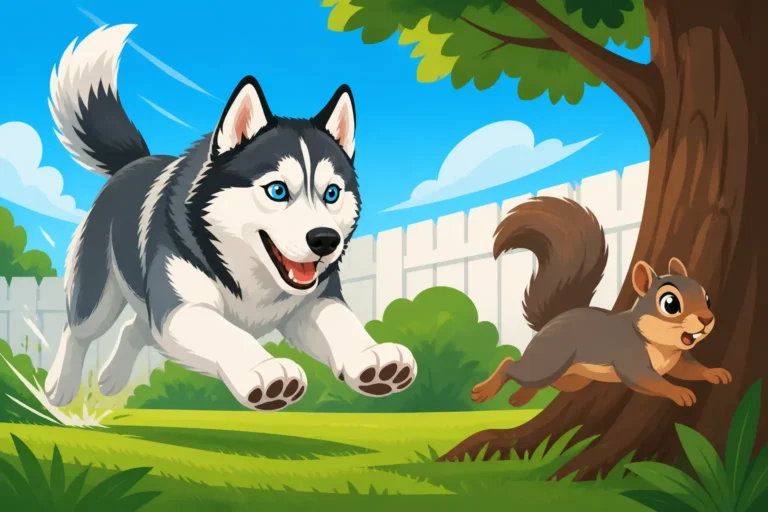
You might see your Husky get a sudden burst of energy, tearing around the yard in what we affectionately call the "zoomies." While incredibly entertaining, these short, explosive sprints, often lasting just a few minutes, are not the same as sustained cardiovascular exercise. It's like a child getting sugar rushes – momentary energy spikes that don't actually burn off the deep well of energy. Huskies have an incredible capacity for sustained work. They are built for a marathon, not just a sprint.
If your Husky is only getting these short bursts of high-energy play, or brief leash walks that don't really challenge them, they're likely to remain physically and mentally understimulated. This often manifests as destructive behavior indoors, excessive vocalization, or a relentless pursuit of escape opportunities. They're not being "bad"; they're simply trying to find an outlet for the energy and drive they were born with.
Why a Leash Walk Isn't Always a "Run"
For many people, a "run" with their dog means jogging with them on a leash. While this can certainly contribute to their exercise needs, a steady trot on pavement often doesn't engage a Siberian Husky in the same way that off-leash exploration or focused pulling work does. On a leash, even during a jog, a Husky is still somewhat restricted. They can't vary their pace as freely, dart off to investigate an interesting scent, or truly stretch their powerful legs in an uninhibited manner.
Furthermore, many Huskies, when leashed, are still practicing their natural pulling instinct, even if you're trying to teach them manners. This pulling can feel like a "run" to the human, but for the Husky, it's just another day at the office, often not reaching the cardiovascular intensity that really depletes their energy reserves. They might be working their muscles, but their minds might not be as engaged as they would be in a more stimulating environment. Consider this: if your Husky is still pulling you down the street after two "runs," they probably haven't been adequately exercised. Siberian Husky Leash Work Against a Pulling Instinct covers this in more detail.
The Consequences of Underexercised Huskies
A Siberian Husky that isn't getting enough appropriate exercise can become a real handful, and it's not their fault. They are simply acting on their instincts. This can lead to a host of behavioral issues that frustrate owners and can ultimately lead to rehoming. Common problems include destructive chewing, which can target furniture, walls, or even doors. Imagine coming home to a crater in your drywall; that's an under-stimulated Husky's handiwork.
Beyond property damage, excessive barking or, more famously, howling, can become a persistent problem, straining neighborly relations. Huskies also have a legendary escape artist reputation, driven by their desire to roam and explore. A bored Husky will find ways out of yards, through gates, and over fences, putting themselves in danger and causing immense worry for their families. An adequately exercised Husky is generally a calmer, happier, and less destructive companion. Siberian Husky Destruction When Left Alone is a must-read for anyone dealing with this.
What a "Run" Actually Means to a Siberian Husky
To a Siberian Husky, a "run" isn't just about moving their legs; it's about purpose, endurance, and often, covering ground. Their physiology and mental makeup are geared towards long, steady efforts. When we talk about two runs a day, we need to think about what kind of effort truly taps into their natural capabilities and satisfies their deep-seated instincts. It's less about the clock and more about the impact.
It's also crucial to remember that a Husky's idea of a "good run" often involves a bit of mental challenge too. This could be navigating varied terrain, having a destination, or even working alongside a human. Pure physical exhaustion isn't always the only goal; mental engagement prevents boredom just as effectively.
Built for the Long Haul: The Sled Dog Instinct
Siberian Huskies were developed by the Chukchi people in northeastern Siberia to pull light loads over vast distances at moderate speeds in sub-zero temperatures. This is a crucial piece of their genetic puzzle. They are efficient, tireless athletes with incredible stamina. A true "run" for a Husky should ideally tap into this ancestral drive. Think about the Iditarod or other sled dog races – these dogs are running for hours, not just minutes.
While most pet Huskies won't be pulling a sled across Alaska, understanding this background helps us provide appropriate outlets. Their bodies are designed for sustained activity, and their minds crave the satisfaction of a "job." If you can give them an activity that mimics this, even in a small way, you'll see a dramatic difference in their overall demeanor.
High-Intensity vs. Long-Distance Workouts
There's a place for both high-intensity and long-distance work in a Husky's exercise regimen, but the latter is often more impactful for their overall well-being. Short, intense sprints can be fun and help burn off some steam, but they won't necessarily satiate the deep endurance drive. Think of it like this: a sprinter is different from a marathon runner. Your Husky is more of a marathoner.
For a true "run," consider activities like long-distance trail running, where they can maintain a steady pace over varied terrain for an extended period. If you're running on pavement, be mindful of their paws and joint impact. A good two-hour hike at a brisk pace can often be more beneficial than three short, fast jogs. The goal is to get their heart rate up and keep it there, allowing them to settle into that rhythmic, energy-burning gait that feels natural to them. Remember to always monitor the weather; Huskies are prone to overheating in warm conditions. Cooling a Siberian Husky Down Fast provides important tips.
Safe Running Practices for Your Husky
Before you embark on serious running with your Siberian Husky, always consult with your veterinarian to ensure they are healthy enough for the activity. Puppies and young Huskies should have their exercise carefully monitored to protect their developing joints; excessive impact before their growth plates close can cause long-term issues. Protecting a Siberian Husky Puppy's Growth Plates is important reading here.
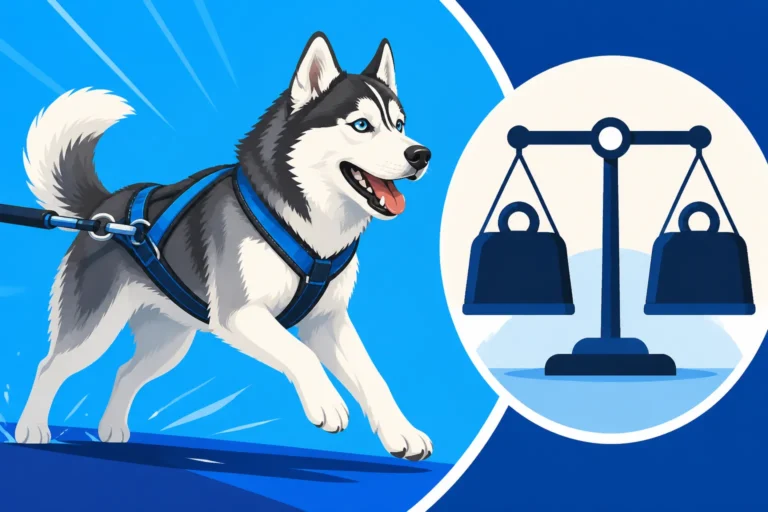
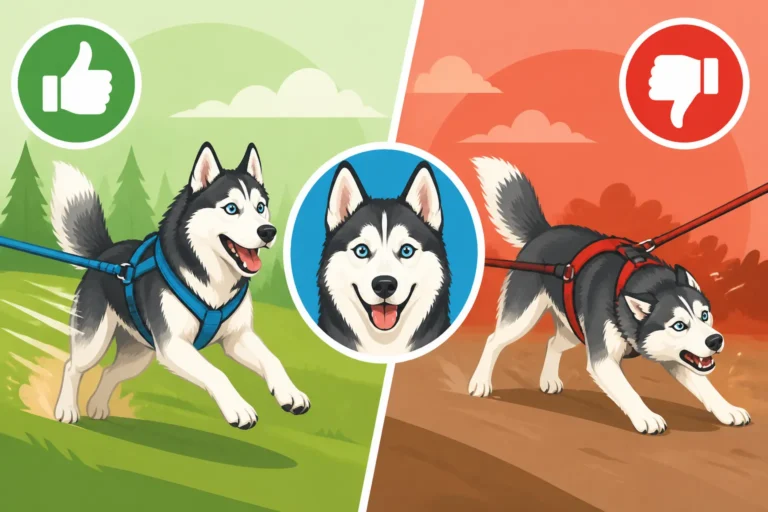
Invest in appropriate gear. A well-fitting harness that distributes pressure evenly across their chest, rather than their throat, is essential for comfortable and safe running. Many owners prefer a specialized pulling harness if they plan on activities like canicross or bikejoring. Always use a sturdy leash, and consider a long line for safe, supervised "off-leash" practice in secure areas. Reflective gear is a must for low-light conditions. Always carry water for both you and your dog, especially in warmer weather, and know the signs of overheating.
Beyond Just Running: Mental and Physical Stimulation
While physical exercise is paramount, a Siberian Husky's intelligent and independent nature means they also need significant mental stimulation. A dog that is physically tired but mentally bored can still be destructive. Think about it: a child might be exhausted after a day at the park, but if they then have nothing to do at home, they can still get into trouble. Huskies thrive on problem-solving, learning, and interaction.
Integrating mental challenges into their daily routine is just as important as the physical exertion. This could be anything from scent work to complex puzzle toys, or even just consistent, positive reinforcement training sessions that challenge their minds. Their notorious "stubbornness" often stems from a lack of engaging activities that make learning worthwhile for them.
Engaging Their Minds: Puzzle Toys and Training
Puzzle toys are a fantastic way to engage your Husky's brain, especially when you can't be actively interacting with them. Look for toys that require them to manipulate parts, sniff out treats, or figure out a sequence to get a reward. Brands like Kong and Outward Hound offer a range of difficulty levels. You can find many great options on Amazon. These toys make meal times more engaging and help prevent boredom.
Consistent training, even just 10-15 minutes a day, provides vital mental stimulation. Huskies are intelligent, but they can be independent thinkers. They need to understand why doing what you ask is beneficial to them. Positive reinforcement, using high-value treats and praise, works wonders. Basic obedience like "sit," "stay," and "down" is a good start, but consider more advanced tricks or even learning directional cues for harness work. Online resources, like those offered by BAXTER & Bella, can provide structured training programs that cater to the unique needs of an independent breed like the Husky. Teaching them a reliable "come" command is also crucial, especially given their wanderlust. Teaching a Siberian Husky to Come Back delves into this.
The Importance of Socialization and Play
Huskies are generally social dogs, and interaction with other well-behaved canines can be a fantastic way to burn off energy and provide mental enrichment. Dog parks, if safe and well-managed, or supervised playdates with known, friendly dogs can be incredibly beneficial. They learn canine communication, get to romp and wrestle, and engage in play that's often more intense than what a human can provide.
However, be mindful of your Husky's strong prey drive. While generally good with other dogs, their instinct to chase can be triggered by smaller, faster animals. Always ensure any play environment is secure, especially if there are smaller dogs present. Siberian Husky Prey Drive Around Small Animals is important reading. For some Huskies, a structured playgroup with a professional might be a better option than a free-for-all dog park. Always supervise interactions closely and intervene if play becomes too rough or one-sided.
Harness Sports: Tapping Into Their Natural Drive
This is where Siberian Huskies truly shine, and where "running" takes on its most authentic meaning for them. Harness sports like canicross (running with your dog pulling you), bikejoring (cycling with your dog pulling the bike), or even recreational urban mushing (pulling a scooter or cart) directly tap into their ancestral purpose. These activities allow them to run with a job, engaging both their physical prowess and their mental focus.
When a Husky is pulling in a harness, they are working their muscles, lungs, and mind in unison. It's a deeply satisfying activity for them. You'll often find a Husky far more tired and content after a solid 30-minute canicross session than an hour-long leash walk. Specialized gear is needed, including a proper pulling harness, a bungee line, and a hands-free belt for the human. Starting slowly and building up endurance is key, but once you introduce your Husky to harness work, you'll likely see their inherent joy for running truly blossom. Canicross and Bikejoring With a Siberian Husky provides an excellent overview.
Structuring a Husky's Day for Optimal Well-being
Given their high energy and intelligence, structuring a Siberian Husky's day effectively is crucial. It's not just about cramming two runs in; it's about a holistic approach that balances intense activity with mental engagement, relaxation, and quality time with their human family. The key is consistency and variety. Your Husky thrives on routine but also appreciates new experiences.
Remember, a tired Husky is a good Husky, but a fulfilled Husky is an even better one. This means meeting their physical needs while also providing outlets for their intelligence and social nature. Don't be afraid to experiment with different activities to see what your individual Husky enjoys most.
Morning Routines: Setting the Tone
The morning is often when a Husky's energy levels are at their peak. Starting the day with a substantial physical activity can make a huge difference in how they behave for the rest of the day. Instead of a quick walk, consider a proper "run" – this could be a jog, a bikejoring session, or a fast-paced hike. Aim for at least 45 minutes to an hour of vigorous exercise, depending on your dog's age, fitness, and the weather.
If an intense run isn't feasible every morning, switch it up with a long line session in a secure, open area. A 30-50 foot long line, easily found on Amazon, allows them to sprint and explore while still being safely connected to you. Starting Long Line Work With a Siberian Husky can guide you. This gives them a sense of freedom that a short leash walk cannot provide. After their physical exertion, a mentally stimulating meal in a puzzle feeder can provide further enrichment as you get ready for your day.
Afternoon Adventures and Enrichment
Even if your mornings are active, your Husky will still need something to do during the day, especially if you're gone for work. This is where strategic mental enrichment comes in. Before you leave, provide a stuffed Kong or another favorite puzzle toy to keep them occupied. Consider rotating toys so they don't get bored with the same ones every day.
When you return home, don't immediately launch into another high-energy activity. Instead, focus on a quick potty break, then perhaps a short, focused training session, or some quality one-on-one play time. A game of fetch, tug-of-war, or hide-and-seek with treats can be mentally engaging and reinforce your bond. Even a leisurely sniff walk, where they are allowed to follow their nose and explore their environment at their own pace, can be surprisingly tiring for a Husky's brain. Remember, variety is the spice of life for these intelligent dogs. Wearing Out a Siberian Husky Without Leaving the House offers some great ideas.
Evening Wind-Down and Connection
The evening routine should aim to consolidate the day's exercise and mental work, leading to a calm wind-down. This is often a good time for a second, less intense, but still meaningful period of activity. This could be a longer, brisk walk where they get to explore new scents, or another session of harness work if your morning was more laid-back. The goal is to ensure they are comfortably tired, not overstimulated, before bed.
This is also a prime opportunity for quiet bonding. A thorough grooming session (especially during coat blow season!), a gentle massage, or simply cuddling on the couch can reinforce your relationship and help them relax. Ensure they have a comfortable, cool spot to sleep. By consistently meeting both their physical and mental needs throughout the day, those two "runs" transform into a comprehensive lifestyle that supports a happy, well-adjusted Siberian Husky who is content to rest by your side. How Much Exercise a Siberian Husky Really Needs is a helpful resource for understanding their overall requirements.
| Activity Type | Husky Benefit | Typical Duration (Ideal) | Frequency (Ideal) | Key Considerations |
|---|---|---|---|---|
| Leash Jog | Cardiovascular exercise, leash manners | 30-60 minutes | Daily | Can be mentally boring; may not satisfy endurance drive; protect paws from pavement. |
| Canicross/Bikejor | Fulfills pulling instinct, high endurance burn | 30-90 minutes | 3-5 times/week | Requires specialized gear; builds strong bond; excellent mental/physical workout. |
| Long Line Play | Freedom to sprint & explore, safe "off-leash" | 45-75 minutes | Daily | Requires secure, open area; good for practicing recall; provides mental stimulation. |
| Hiking/Trail Run | Endurance, varied terrain, mental stimulation | 1-3 hours | 2-4 times/week | Great for exploring; natural surfaces are easier on joints; carry water. |
| Puzzle Toys | Mental engagement, slow feeding | 15-30 minutes per session | Daily | Excellent for solo activity; prevents boredom; rotate toys for novelty. |
| Training Sessions | Mental stimulation, strengthens bond, builds skills | 10-20 minutes | Daily | Positive reinforcement is key; keeps them engaged and thinking. |
| Dog Park/Playdate | Socialization, intense play | 30-60 minutes | 2-3 times/week | Supervise closely; ensure safe playmates; watch for prey drive. |
Disclaimer
This article is for general informational purposes only and does not constitute professional advice. Laws, prices and regulations vary by location and change over time. Consult a qualified professional for guidance on your specific situation.