Whether Praise Alone Motivates a Siberian Husky
Many new Siberian Husky owners quickly discover that what worked for their previous, more eager-to-please dogs simply doesn't cut it. You stand there, beaming, praising your Husky for a perfect sit, only to watch them sniff the ground and wander off, leaving you feeling ignored and a little bewildered. It's a common frustration, and this guide is here to shed light on why praise alone often falls flat with these magnificent, independent creatures and how you can truly motivate your Siberian Husky for lasting results.
Why Traditional Motivation Falls Flat for Huskies
It’s easy to assume that all dogs are built from the same motivational mold, especially when you’ve had success with other breeds that seem to live for your approval. But the Siberian Husky, bless their beautiful, stubborn hearts, operates on a slightly different wavelength. Their history and inherent nature mean that what might be a jackpot reward for a Labrador is barely a blip on their radar. This often leads to a disconnect between owner expectation and Husky reality, leaving both parties feeling a bit misunderstood.
The Independent Spirit vs. People-Pleasing Breeds
Think about the classic "people-pleaser" dog breeds: Golden Retrievers, Border Collies, Poodles. These dogs were often bred to work with humans, to seek guidance and derive immense satisfaction from cooperation. For them, a cheerful "Good boy!" and a pat on the head can genuinely be enough to reinforce a behavior. They look to you for direction, for confirmation, and your verbal praise is a direct signal of their success in pleasing you.
Siberian Huskies, however, embody a different spirit entirely. They were bred for endurance and self-sufficiency, often working far from their mushers, making independent decisions on the trail. This deep-seated independence means that while they might appreciate your affection, your vocal affirmation often doesn't carry the same weight as it would for a breed whose entire world revolves around earning your delighted gaze. They're not being defiant; they're simply being themselves. It’s not about disrespect; it’s about a different wiring, a different priority system. They might perform a task, but the "why" for them is usually internal or tied to a tangible benefit, not solely to your happiness. This is a key reason why many owners think their Husky is just being difficult, when in reality, they're just not motivated by the same things. For more insights into this, check out Why Siberian Huskies Look Stubborn Rather Than Slow.
The Lure of the Outdoors: Stronger Than Your Voice
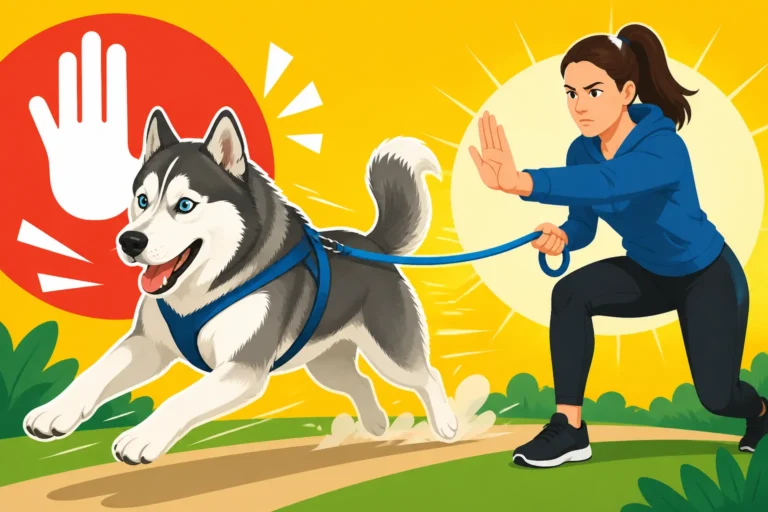
Imagine you're trying to call your Husky back in a vast, open field. You shout their name, offer enthusiastic praise, and perhaps even crouch down, clapping your hands. Any other dog might turn on a dime and rocket back to you, thrilled by the attention. Your Siberian Husky, on the other hand, might just pause, glance over their shoulder, then continue to explore that fascinating scent trail or watch that distant squirrel. The sheer joy of movement, the thrill of the chase, the boundless wonders of the environment—these are incredibly powerful motivators for a Husky, often far more compelling than a verbal compliment.
Their natural drive to explore and run, an instinct honed over centuries of working in vast, open landscapes, is incredibly strong. When presented with the choice between your voice and the sensory buffet of the great outdoors, the latter almost always wins. It's not that they don't love you; it's that their breed history has hardwired them to prioritize certain environmental stimuli. A squirrel bounding across the lawn is a much more tangible, instinct-satisfying reward than a disembodied voice from a human standing still. This is where many owners throw up their hands in frustration, but understanding this fundamental difference is the first step towards finding effective motivational tools. The call of the wild, for a Husky, is often an irresistible siren song.
Understanding the Husky's Unique Drive and Independence
To effectively motivate a Siberian Husky, you first have to understand the very core of who they are. They aren’t just beautiful dogs; they are living testaments to their ancient history and the specific tasks they were bred to perform. Their drive isn't random; it's a carefully cultivated set of traits that allowed them to thrive in some of the harshest environments on Earth.
Bred for Purpose, Not Compliance
Siberian Huskies were developed by the Chukchi people in northeastern Siberia specifically for pulling light loads over long distances at a fast pace. Their survival depended on their ability to work efficiently, independently, and make sound decisions without constant human oversight. Imagine a team of dogs miles into a frozen tundra; the musher might be out of sight or sound, and the lead dog needs to navigate, choose the safest path, and maintain pace. They couldn't afford to stop and ask for verbal permission or seek constant reassurance.
This selective breeding fostered incredible self-reliance and problem-solving skills, but it also meant that a Husky’s primary motivation wasn't necessarily human approval. Their reward was often the completion of the task itself, the feeling of the harness, the drive to move forward, and the inherent satisfaction of their work. This is why attempting to train a Husky solely with "good dog" can feel like talking to a brick wall. They need a reason that resonates with their ancestral instincts and independent nature. Understanding Siberian Husky Intelligence and Independence is crucial here; their intelligence isn't about rote obedience, but about cleverness and self-directed action.
The Self-Rewarding Nature of the Chase
One of the most powerful drives within a Siberian Husky is their incredibly strong prey drive. This isn't just a casual interest in squirrels; it's a deep, instinctual urge to chase, catch, and, in some cases, dispatch small, fast-moving creatures. For a Husky, the act of chasing itself is often a profound and self-rewarding experience. The adrenaline, the focus, the sheer physical exertion—it all contributes to a powerful internal reward system that can easily overshadow any human-given praise.
This is why recall is such a monumental challenge for many Husky owners. When your Husky sees a rabbit dart across the park, their brain isn't weighing your "come!" against the delicious possibility of a chase; it's almost entirely consumed by the ancient, hardwired hunt sequence. The thrill of the pursuit is its own reward, a biological high that few verbal commands can compete with. This instinct isn't something you can "train out" entirely, but it's something you must understand and manage effectively. Discussing Siberian Husky Prey Drive Around Small Animals is vital for any owner grappling with this aspect of their dog's behavior. Recognising that the chase is self-rewarding helps you shift your approach from expecting compliance to finding alternative, equally compelling rewards that you can control.
Combining Praise with High-Value Rewards
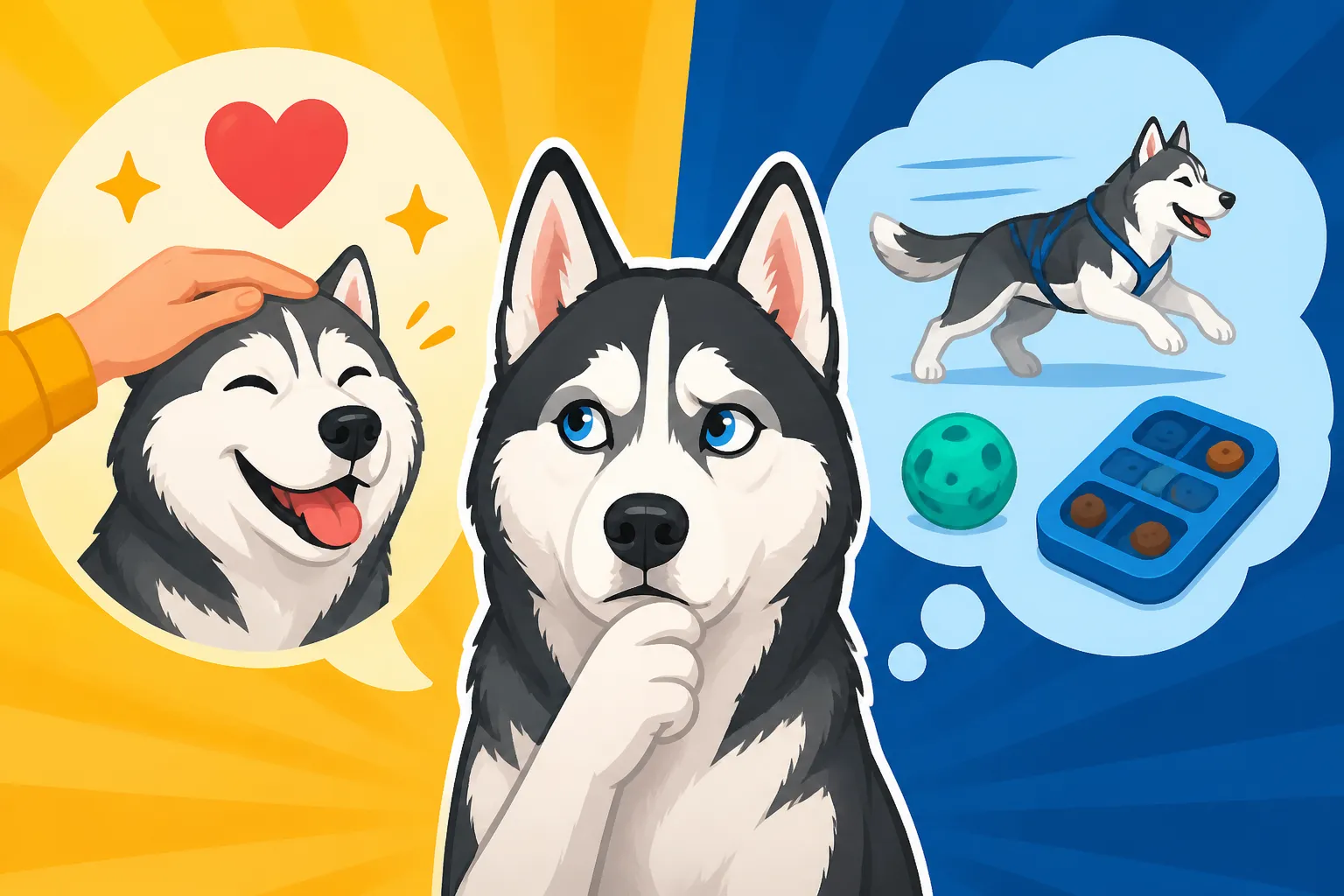
So, if praise alone isn't cutting it, what's the secret sauce for motivating your magnificent Siberian Husky? It's about combining your positive reinforcement with rewards that truly resonate with their independent, energetic, and sometimes demanding nature. Think of your verbal praise as the garnish, and the high-value reward as the main course. Both are important, but one is undeniably more substantial in their eyes.
Defining "High-Value" for Your Husky
What constitutes a "high-value" reward for a Siberian Husky can be a bit different from what you might expect. Forget the dry kibble or the stale biscuit; for a Husky, "high-value" usually means something incredibly palatable, novel, or exciting. Think of rewards that tap into their primal drives or simply offer immense sensory pleasure. This might include small pieces of cooked chicken, cheese, hot dogs, liverwurst, or even specialized soft training treats that are intensely flavorful. Some Huskies are also highly motivated by specific toys, especially those that squeak, bounce erratically, or can be used for a quick game of tug.
The key is to observe your individual Husky. What do they go absolutely nuts for? What makes their eyes light up and their tail wag with frantic energy? For some, it's a specific brand of jerky; for others, it's a few minutes with a favorite flirt pole. It's about finding that undeniable thing that makes them think, "Yes! This is absolutely worth stopping whatever I was doing for!" Remember, the value of the reward should always outweigh the distraction or the desired behavior. If you want them to come when a deer is in sight, your reward better be phenomenal. Dive into Food Rewards a Siberian Husky Will Work For for more ideas on this crucial topic.
The Power of the "Reward Event"
Beyond just handing over a treat, consider making the reward a "reward event." This means delivering the high-value item in a way that amplifies its impact and excitement. Instead of a simple drop, you might toss the treat for them to catch, creating a mini-game. Or, after they perform a desired action, you could immediately launch into a brief, enthusiastic play session with their favorite tug toy. This turns the reward into an interactive, engaging experience rather than just a transaction.
The "reward event" also involves timing and delivery. The moment your Husky performs the desired action, your praise should be immediate and genuinely happy, followed almost instantly by the high-value reward. This precision helps them connect their action directly with the positive outcome. You can also build anticipation by having the reward hidden and revealing it with excitement. For example, if you're working on recall with a long line, when they finally reach you, not only do they get that amazing piece of chicken, but you also engage in a quick, frantic game of tug before releasing them back to explore. This teaches them that coming back isn't the end of fun, but the start of even better fun. Brands like BAXTER & Bella, which offer comprehensive online training programs, often emphasize structured reward delivery to maximize learning and motivation, particularly for more independent breeds.
Making Praise Meaningful
Just because praise isn't the primary motivator doesn't mean it's useless. In fact, when paired correctly with high-value rewards, your verbal praise becomes a powerful secondary reinforcer, eventually taking on some of the positive associations of the more tangible rewards. Think of it as seasoning for the main course. Your "Good girl!" becomes a marker signal, a brief, enthusiastic word that tells your Husky, "Yes! That's it! A big reward is coming your way!"
To make your praise meaningful, it needs to be delivered with genuine emotion and consistency. Your tone should be upbeat, clear, and distinct. Over time, as your Husky repeatedly hears your enthusiastic praise just before receiving that delicious piece of chicken or getting to play with their favorite toy, the praise itself starts to acquire value. Eventually, in less distracting environments or for behaviors that are already well-established, your vocal encouragement might be sufficient. This process is often at the heart of effective clicker training too, where the clicker acts as an immediate marker, followed by a reward. Clicker Training a Siberian Husky can be incredibly effective for these intelligent, independent dogs because it's so precise and clear in its communication.
Practical Strategies for Motivating Your Siberian Husky
Motivating a Siberian Husky is less about bending them to your will and more about understanding their natural inclinations and channeling them into desired behaviors. It's an ongoing process of discovery, patience, and strategic reward delivery.
Finding What Truly Drives Your Individual Husky
Every Husky is an individual, even within the breed. While many share common traits like a love for running, exploring, and a strong prey drive, their specific preferences for rewards can vary. One Husky might do anything for a squeaky tennis ball, while another might only respond to freeze-dried liver. Some are absolute food hogs, while others are more toy-motivated or even praise-motivated after a solid foundation has been built with tangible rewards.
To figure out what truly drives your Husky, conduct a "reward assessment." Present them with a variety of high-value treats and toys in a low-distraction environment. See which items elicit the most enthusiastic response. Does their tail wag harder for cheese or for a game of tug? Do they get more excited about a puzzle toy stuffed with peanut butter or a quick sprint in the yard? You might even find that certain types of praise or specific interactions (like a vigorous ear scratch) hold more weight than others. Keep a mental inventory of their favorites and use them strategically. These aren't just "treats"; they're currency in your Husky's world, and knowing their preferred denominations is key. Many trainers, like those found through resources such as BAXTER & Bella, emphasize customizing training plans to individual dog's motivators.
Varying Rewards to Keep Interest High
One common mistake in training any dog, especially an independent one like a Husky, is to become predictable with your rewards. If your Husky always knows they're getting the same boring biscuit for every "sit," their motivation will inevitably wane, especially when there are more exciting things in the environment. To keep their interest piqued and their engagement high, you need to vary your rewards.
This means having a "reward hierarchy" – a mental list of low, medium, and high-value rewards. Use low-value rewards for easy, well-known behaviors in low-distraction environments. Save your medium-value rewards for when you're proofing behaviors or adding distractions. And deploy your absolute highest-value rewards (the cooked chicken, the intense tug session) for crucial behaviors like recall in challenging situations or for breakthrough moments in training. The unpredictability of what they might get and how good it might be keeps them guessing and makes them more eager to engage. Think of it like a slot machine; if you knew you'd always win a small amount, it wouldn't be as exciting as the chance to hit the jackpot. This variety is essential for Keeping a Siberian Husky Interested in Training over the long haul. You can find a huge variety of training treats and engaging toys on platforms like Amazon to keep your reward arsenal fresh and exciting.
Building a Strong Foundation with Structured Training
While it's true that Siberian Huskies aren't motivated by praise alone, it doesn't mean they can't be well-trained, highly responsive companions. It simply means your training approach needs to be more strategic and consistent, focusing on building a strong foundation with clear communication and consistent, high-value reinforcement. This isn't about breaking their spirit; it's about channeling their natural drives.
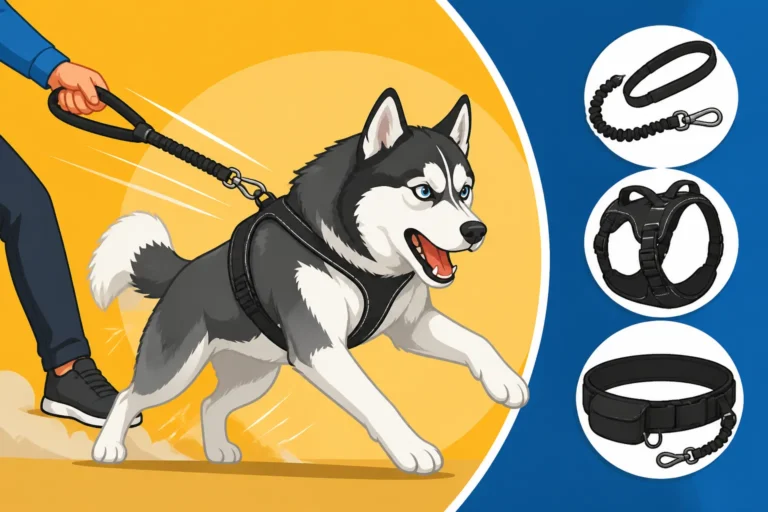
Start with positive reinforcement methods that use clear markers (like a clicker or a consistent verbal marker like "Yes!") immediately followed by a high-value reward. Keep training sessions short, fun, and engaging to match their attention span and energy levels. Focus on foundational commands like "sit," "stay," and "down" in low-distraction environments before gradually increasing the difficulty. For critical behaviors like recall, invest in a long line and practice in safe, open spaces, always rewarding generously when they return, even if you had to prompt them. Starting Long Line Work With a Siberian Husky is indispensable for building a reliable recall. Remember, every successful interaction, every positive association you build between a command and a desirable outcome (from their perspective), strengthens their motivation to work with you. A well-trained Husky is a joy, and it all starts with understanding what truly makes them tick. For example, when teaching leash manners, use those top-tier treats for moments they walk politely, reinforcing that controlled movement can still lead to great things, even with their strong Siberian Husky Leash Work Against a Pulling Instinct.
Here's a quick comparison of typical reward values for Huskies:
| Reward Type | Examples | Husky Perceived Value | Best Use Case |
|---|---|---|---|
| Low-Value | Dry kibble, plain biscuit, mild verbal praise | Minimal | Well-known behaviors, low distraction, maintaining skills |
| Medium-Value | Commercial training treats, squeaky ball, enthusiastic praise | Moderate | Proofing behaviors, mild distraction, new skills |
| High-Value | Cooked chicken, cheese, hot dogs, favorite tug toy, short intense play | High | Challenging environments, recall, new complex behaviors |
| Environmental/Life | Access to a sniffy area, a short run, greeting a preferred person | Varies greatly | Specific situations, as a "real-life" reward for good behavior in context |
Ultimately, motivating a Siberian Husky is a journey of understanding and adaptation. They may not be the classic "eager to please" dog, but their independent spirit and intelligence make them incredibly rewarding companions for those willing to learn their language.
Disclaimer
This article is for general informational purposes only and does not constitute professional advice. Laws, prices and regulations vary by location and change over time. Consult a qualified professional for guidance on your specific situation.