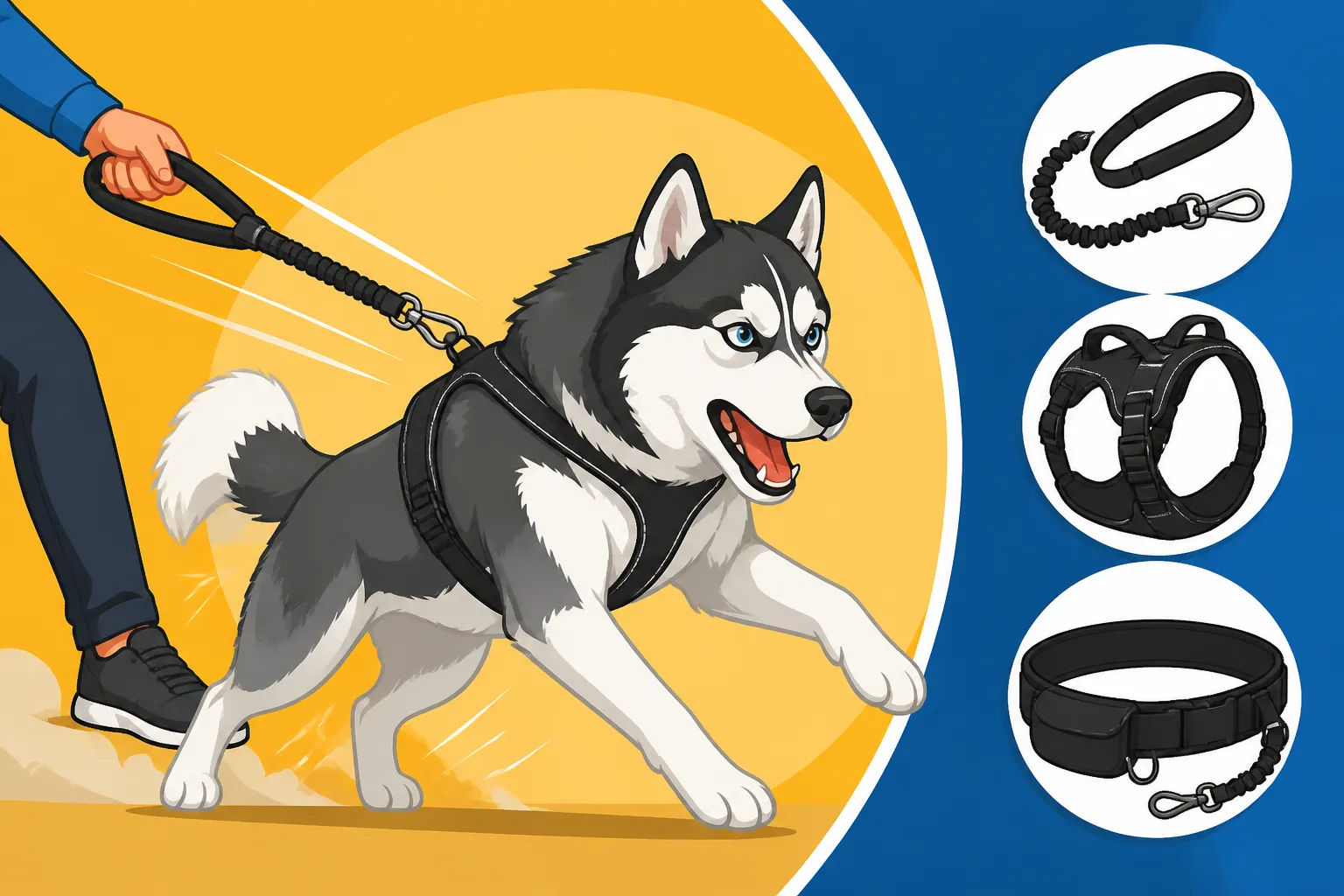
Leashes That Hold a Siberian Husky That Lunges
Anyone who has walked a Siberian Husky knows the sheer power contained within those fluffy, often mischievous, bodies. That moment when they spot a squirrel, another dog, or a blowing leaf and decide, without warning, to lunge can yank your arm out of its socket and send your heart racing. It's not just annoying; it can be downright dangerous for both you and your dog. This guide is all about exploring the types of leashes that stand a chance against that powerful lunge and how to use them effectively to regain control and enjoy your walks again.
Understanding the Force Behind a Husky's Lunge
Let's be real: living with a Siberian Husky often means dealing with a dog built for endurance and pulling. Their lunges aren't a sign of malice; they're a deeply ingrained instinct. Understanding why they do it is the first step toward managing it.
The Instinct to Pull and Chase
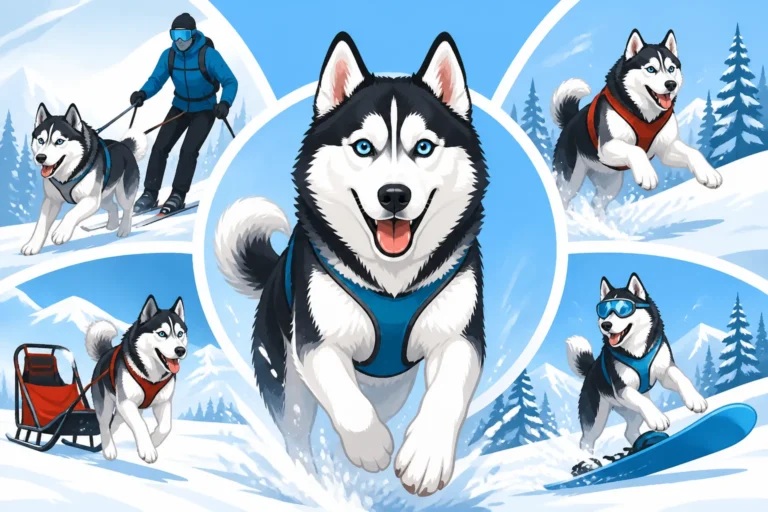
Siberian Huskies were quite literally bred to pull. Their ancestors pulled sleds over vast, frozen distances, often with minimal human direction. This isn't just a physical capability; it's a deep-seated drive. When your Husky lunges, it's often a manifestation of this powerful instinct, whether it's to chase something that has caught their eye or simply to surge forward with the sheer joy of movement. They have a remarkable ability to apply their entire body weight and momentum into a sudden burst of speed, making that leash feel like it's attached to a rocket. This natural inclination to go, go, go, often at the scent or sight of something interesting, is why your standard leash setup might feel completely inadequate. It's not about defiance; it's about ancient programming.
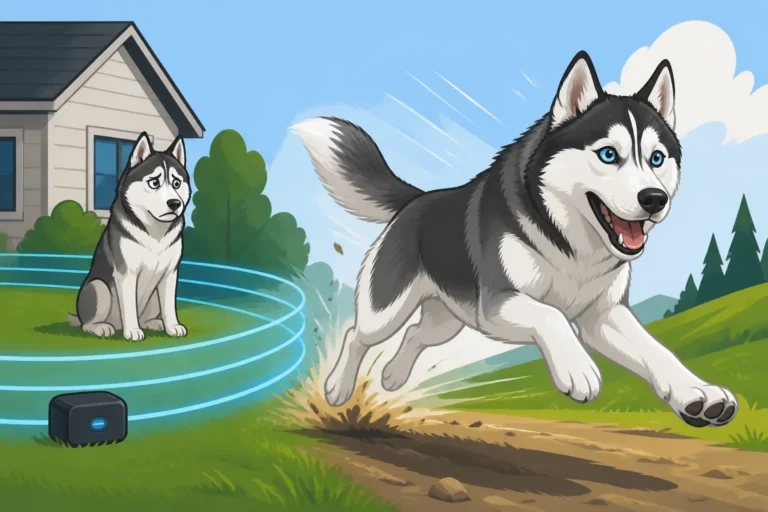
We've talked before about The Roaming Instinct Bred Into Every Siberian Husky, and that ties directly into this lunging behavior. They are explorers, constantly scanning for opportunities to run and investigate. A sudden lunge is often an attempt to initiate that chase or exploration. You can be walking along, admiring the scenery, and suddenly your Husky sees a rabbit vanish into the bushes, or another dog on the horizon, and BAM! All that breeding kicks in, and you're holding onto a freight train. It’s an exasperating experience that many Husky owners face daily.
Why Standard Leashes Often Fail
The typical nylon or cotton leash you grab at the pet store, while perfectly fine for many breeds, often falls short with a powerful, lunging Siberian Husky. There are a few reasons for this. Firstly, many standard leashes simply aren't designed to withstand the sudden, immense force a Husky can generate. The hardware – the clips and D-rings – can be flimsy, prone to bending or breaking under sustained strain. More commonly, the material itself, if too thin, can cut into your hand or slip through your grip, leading to dropped leashes and a very fast-disappearing Husky. Imagine gripping a thin rope that suddenly goes taut with 60 pounds of pure canine muscle on the other end; it’s not a pleasant sensation, and it can leave your hands raw.
Beyond the physical limitations, a standard leash paired with a flat collar offers very little leverage or control over a Husky that has decided to bolt. When your dog lunges forward against a collar, all the pressure is concentrated on their neck and throat. This not only makes it harder for you to stop them but can also be harmful to your Husky, potentially causing tracheal damage or exacerbating conditions if they already have respiratory sensitivities. It's a lose-lose situation: you get yanked, and your dog gets hurt. You need a setup that allows you to confidently maintain Holding a Siberian Husky That Outweighs Your Grip and keep them safe.
Types of Leashes for Better Control
When dealing with a lunging Siberian Husky, the right leash isn't just about preventing escapes; it's about providing you with the confidence and control you need to manage their immense power safely. Let's look at some options designed for more robust handling.
The Strength and Security of Heavy-Duty Nylon and Rope Leashes
For Huskies, durability is key, and this is where heavy-duty nylon or even climbing-rope style leashes really shine. These aren't your average thin leashes; they are often thicker, wider, and made from materials designed to withstand significant pulling force.
Heavy-Duty Nylon Leashes: These leashes are usually constructed from a thicker weave of nylon, sometimes with reinforced stitching. They are incredibly strong, resisting snaps and tears even with the most enthusiastic lunge. Many come with padded handles, which are a godsend for your hands when your Husky decides to try out for the next Iditarod mid-walk. The thicker material provides a much more comfortable and secure grip than a thin leash, reducing the risk of rope burn or the leash slipping through your fingers. They're also relatively affordable and easy to clean, making them a practical choice for everyday use. You can find a vast selection of these on platforms like Amazon, often with different widths and colors to suit your preference.
Rope Leashes: Often inspired by mountaineering ropes, these leashes offer exceptional strength and a unique feel. They are typically made from durable, braided fibers that can absorb shock better than flatter nylon. Many owners find the round profile of a rope leash more comfortable to grip, especially when a sudden lunge occurs, as it distributes pressure more evenly across the hand. They are incredibly tough, less prone to tangling than some flat leashes, and can withstand various weather conditions without degrading quickly. While they might feel a bit bulkier, that bulk translates directly into security when you're managing a powerful dog like a Husky.
Despite their strength, it's important to remember that even the strongest leash can only do so much if your Husky is consistently trying to pull you down the street. These leashes are fantastic tools for management, but they should ideally be combined with appropriate harnesses and ongoing training, which we'll discuss shortly.
Leather Leashes for Durability and Comfort
Ah, the classic leather leash. There’s a reason these have been a staple for dog owners for generations. When it comes to managing a strong, lunging Siberian Husky, a high-quality leather leash offers a fantastic combination of durability, comfort, and a certain timeless elegance.
Pros of Leather Leashes:
- Unmatched Durability: Good quality leather is incredibly strong and, with proper care, can last for decades. It's resistant to abrasion and very difficult for a dog to chew through if they happen to grab it (though we still recommend preventing that!).
- Comfortable Grip: Unlike synthetic materials that can sometimes feel stiff or rough, leather softens and molds to your hand over time. This makes for a remarkably comfortable grip, which is a huge advantage when you're absorbing the shock of a Husky's lunge. It's less likely to cause rope burn than thin nylon.
- Aesthetic Appeal: Let's face it, a good leather leash looks sharp. It develops a beautiful patina with age and use, adding to its character.
- Weather Resistance: While not entirely waterproof, quality leather handles moisture well and doesn't get brittle in the cold. It remains pliable even in chillier temperatures, which can be a relief when walking your Husky in their preferred colder weather.
Cons of Leather Leashes:
- Higher Initial Cost: Good leather isn't cheap. While it's an investment that pays off in longevity, the upfront cost can be higher than synthetic options.
- Maintenance: Leather benefits from occasional conditioning to keep it supple and prevent drying or cracking. This isn't a huge chore, but it's something to be aware of.
- Potential for Chewing: While durable, a bored or frustrated Husky might still attempt to chew a leather leash, especially if left unsupervised.
For many Husky owners, the investment in a strong, supple leather leash is well worth it for the improved grip, comfort, and peace of mind it offers during those inevitable lunges.
Specialized Leashes for Training and Management
Beyond the material, some leashes are designed with specific features to aid in training and better control, especially for a dog prone to lunging.
Double-Ended Leashes: These are incredibly versatile and often recommended for Huskies. A double-ended leash has a clip at both ends and multiple rings along its length. This allows you to attach one end to a front-clip harness (which we’ll get to) and the other to a back-clip, or even to a martingale collar, giving you dual points of contact and much greater steering capability. When your Husky lunges, you can apply pressure from the front, gently turning them back towards you, making the lunge less effective and more uncomfortable for them. You can also use it to create a hands-free setup by clipping it around your waist, although this is generally not recommended for a strong lunger unless you are highly experienced and have a very secure harness. When considering Siberian Husky Leash Work Against a Pulling Instinct, a double-ended leash paired with a good harness can be a game-changer.
Leashes with Traffic Handles: Many strong, durable leashes now come with an extra loop closer to the clip, often called a "traffic handle." This shorter loop allows you to quickly grab your Husky closer to their body, giving you immediate, tight control in high-traffic areas, when passing other dogs, or during unexpected lunges. It’s an excellent safety feature that provides that extra bit of security without having to wrap the main leash around your hand multiple times. This feature is particularly useful when you need to quickly bring your Husky to a heel or prevent them from getting into something they shouldn't.
Integrated Slip Leashes (Rope Slip Leads): While a regular flat collar is generally not ideal for a lunging Husky due to neck pressure, some rope slip leads are designed for quick, temporary control, often seen in rescue or veterinary settings. They tighten around the neck when pulled, providing immediate feedback. However, for a persistent lunger, this can be too harsh and may lead to choking or injury if not used with extreme care and proper technique. They are generally not recommended as an everyday walking solution for a Husky that lunges aggressively, as the goal is to reduce lunging, not simply punish it.
For specific training guidance and recommendations on gear that complements a Husky's needs, resources from professional trainers, like those at BAXTER & Bella, often provide valuable insights into leash and harness combinations that maximize control and safety. They focus on positive reinforcement methods that work with your Husky's natural drives, rather than against them.
Beyond Just the Leash: Companion Gear and Training
Having the right leash is a critical piece of the puzzle, but it's rarely the only piece, especially with a powerful and driven breed like the Siberian Husky. A leash is a tool, and its effectiveness is greatly amplified by pairing it with appropriate companion gear and consistent training.
The Indispensable Role of a Proper Harness
Let me be absolutely clear: for a Siberian Husky prone to lunging, a simple flat collar and leash combo is a recipe for disaster. It offers minimal control, can cause discomfort or injury to your dog, and puts you at a significant disadvantage. This is where a proper harness becomes truly indispensable.
Why Collars Fail for Lunging Huskies: When your Husky lunges while wearing only a flat collar, all the force is concentrated on their trachea and neck. This can lead to choking, coughing, and even long-term damage. It also makes it incredibly easy for them to "slip" the collar if they pull back hard enough or if it's not perfectly fitted. Huskies are notorious for their escape artist tendencies, and a collar is often the first thing they learn to get out of. If you've ever had your Husky back out of their collar when lunging, you know that heart-stopping feeling of watching them bolt.
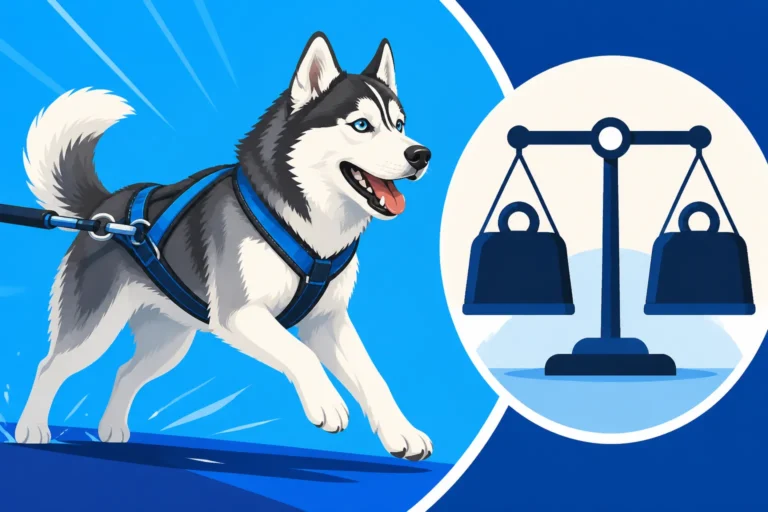
Front-Clip Harnesses: The Game Changer: For a lunging Husky, a front-clip harness is often the most recommended solution. Instead of the leash attaching at the back, it attaches to a ring on your Husky's chest. When your Husky lunges or pulls, the harness gently redirects their momentum to the side, turning their body back towards you. This makes pulling uncomfortable and inefficient for them, effectively taking away their ability to put all their weight into dragging you forward. It doesn't hurt them, but it discourages the behavior by changing the mechanics of the pull. This simple shift can make a world of difference in your ability to manage Siberian Husky Leash Work Against a Pulling Instinct. Brands like Ruffwear and PetSafe (Easy Walk) are popular for their durable and effective front-clip harness designs.
Other Harness Types: While front-clip harnesses are excellent for pulling, some multi-clip harnesses offer rings both on the chest and the back. A double-ended leash can then be attached to both points, giving you even more sophisticated control, especially during training sessions. The goal is to distribute the pressure across their chest and shoulders, rather than their neck, making walks safer and more comfortable for everyone involved. For more in-depth information, check out our article Harness Against Collar for a Siberian Husky.
Training Techniques to Reduce Lunging
No leash or harness, however strong, can truly replace good training. The leash and harness are management tools, but training addresses the root cause of the lunging behavior.
Positive Reinforcement is Key: Huskies respond best to positive reinforcement. They are intelligent but independent, and force-based training often leads to them shutting down or becoming more stubborn. Instead, focus on rewarding desirable behavior.
- "Look at Me" or "Focus" Command: Teach your Husky to make eye contact with you on cue. Practice this in quiet environments first, then gradually introduce distractions. When you anticipate a lunge (e.g., another dog appearing), ask for a "look at me," reward heavily if they comply, and move past the trigger.
- Redirection and Engagement: When your Husky starts to focus on a potential lunge target, immediately redirect their attention with a high-value treat or a favorite toy. Get them to engage with you instead of the distraction. This teaches them that good things come from focusing on you, not from lunging at everything else.
- "Loose Leash Walking" Games: Practice loose leash walking in low-distraction environments. Every time the leash goes slack, mark the behavior (with a clicker or a verbal marker like "yes!") and reward. If they start to pull, immediately stop walking. Only resume when the leash loosens. This teaches them that pulling gets them nowhere, but a loose leash keeps the walk moving. This is a core part of Teaching a Siberian Husky the Difference Between Pull and Walk.
- Emergency Stop Cue: Teach a strong, clear "stop" or "wait" command that you can use when a lunge is imminent. This can buy you crucial seconds to regain control. Practice this frequently in various situations.
Consistency is paramount. Every walk is a training opportunity. Even if you're just stepping out for a quick potty break, reinforce good leash manners.
The Importance of a Strong Foundation
Remember, a leash, even the best one, is only one part of successful Husky ownership. It’s a management tool, not a magic bullet. For a Husky prone to lunging, you’re also contending with high prey drive and an inherent desire to explore.
Understanding Their Drive: Huskies have a strong Siberian Husky Prey Drive Around Small Animals, and this is a primary driver for many lunges. While you can't eliminate this instinct, you can manage it through training and environmental awareness. Knowing what triggers your Husky is vital. If squirrels are a major trigger, avoid known squirrel-heavy paths until your leash training is rock solid.
Professional Guidance: If you're consistently struggling with a lunging Husky, don't hesitate to seek professional help. A qualified dog trainer, especially one with experience with working breeds or Huskies specifically, can provide personalized strategies and hands-on guidance. They can help you refine your technique and identify specific triggers and solutions. Sometimes, an objective eye can spot things you might be missing. When dealing with a dog as powerful as a Husky, getting expert advice is an investment in both your safety and your dog's. You might want to look for Finding a Trainer Who Has Worked With Huskies.
Mental and Physical Exercise: A bored Husky is often a problematic Husky. Ensuring your dog gets sufficient mental stimulation and physical exercise appropriate for their age and health can significantly reduce excess energy that might manifest as lunging. This means more than just a walk around the block; it could include puzzle toys, obedience training, or even dog sports like canicross if they're cleared for it. A well-exercised and mentally engaged Husky is generally a calmer, more manageable Husky on leash.
Choosing the Right Leash: A Practical Guide
So, you've decided to invest in better control for your lunging Siberian Husky. Now comes the task of picking the right leash from the many options available. It's not a one-size-fits-all situation, and what works best can depend on your specific needs, your Husky's personality, and the environment you'll be walking in.
Key Features to Look For
When you're shopping for a leash for a strong, lunging Husky, prioritize these features:
- Length: For general walking and training, a 4-to-6-foot leash is ideal. A 6-foot leash gives your Husky a bit more freedom to sniff and explore without letting them get too far ahead, while a 4-foot leash offers tighter control in crowded areas. Avoid retractable leashes entirely for a lunging Husky; they offer no control and can be dangerous. They encourage pulling and don't teach your dog anything about loose-leash walking.
- Hardware: Look for sturdy, heavy-duty metal clips (often called "bolt snaps" or "swivel snaps"). Avoid flimsy spring clips that can bend or break. Stainless steel or brass hardware is generally more durable and corrosion-resistant. The swivel feature is important to prevent the leash from tangling as your Husky moves.
- Handle Comfort: This is more important than you might think. A padded handle or one made of soft, pliable leather can save your hands from soreness and rope burn when your Husky inevitably pulls or lunges. Some handles are designed to be wider or have a thicker grip, offering better control.
- Material Strength: As discussed, thick nylon webbing, rock-climbing grade rope, or high-quality leather are your best bets. Double-stitched seams and reinforced stress points add to the leash's longevity and security.
Matching the Leash to the Situation
Consider where and how you'll be using the leash, as this can influence your choice.
- Daily Walks in Suburban/Urban Areas: A durable 6-foot heavy-duty nylon or leather leash paired with a front-clip harness is a fantastic all-around choice. The length allows for some freedom while giving you enough control to navigate sidewalks and occasional distractions. A traffic handle is a definite bonus here.
- Training Sessions: A double-ended leash used with a front-clip harness offers maximum versatility for shaping polite leash manners. The ability to give gentle directional cues can greatly aid in teaching Rewards That Beat the Siberian Husky Chase Instinct and reinforcing desired behaviors.
- Crowded or High-Distraction Environments: For places like farmers' markets, outdoor events, or busy parks, a shorter 4-foot leash or a leash with a traffic handle will give you closer control, minimizing the chances of an unexpected lunge taking you by surprise.
- Adverse Weather Conditions: While Huskies love cold, you still need reliable gear. Nylon and rope leashes hold up well in wet conditions, although they can get slick. Leather can get wet but should be dried and conditioned afterward. Consider the grip in cold, gloved hands if you live in a snowy climate.
Here’s a quick overview to help you compare:
| Leash Type | Material | Pros | Cons | Best Use |
|---|---|---|---|---|
| Heavy-Duty Nylon Webbing | Thick Nylon | Very strong, weather-resistant, wide range of colors/styles, affordable | Can be abrasive on hands without padding, might feel stiff | Daily walks, general use, training, all weather |
| Climbing Rope Leash | Braided Rope (Nylon, Polyprop.) | Extremely strong, good shock absorption, comfortable grip, highly durable | Can be bulky, fewer color options, can feel heavy | Strong pullers, rugged outdoor adventures, training |
| Leather Leash | Genuine Leather | Highly durable, comfortable grip that improves with age, stylish | Higher initial cost, requires some maintenance, can be chewed | Everyday walks, those who prefer natural materials, aesthetic appeal |
| Double-Ended Leash | Nylon, Leather, Rope | Versatile, excellent control with front-clip harnesses, hands-free options | Can be confusing to manage at first, typically longer | Training, advanced control, managing strong pullers |
| Leash with Traffic Handle | Nylon, Leather, Rope | Instant close control, added safety in busy areas | Handle might get in the way during regular walking for some | Urban walks, crowded environments, reactive dogs, emergency control |
Ultimately, the best leash for your lunging Siberian Husky is one that you feel confident and comfortable using, and one that is sturdy enough to reliably manage their incredible strength. Pair it with the right harness and consistent, positive training, and you'll be well on your way to more enjoyable and safer walks.
Disclaimer
This article is for general informational purposes only and does not constitute professional advice. Laws, prices and regulations vary by location and change over time. Consult a qualified professional for guidance on your specific situation.