Leaving a Siberian Husky With Another Dog
It’s a common scenario for Siberian Husky owners: you love your energetic, talkative companion, but you’re also grappling with their strong-willed nature and the occasional mischief when they’re left alone. Often, a well-meaning friend or even a hopeful whisper in your own mind suggests, “Maybe another dog would solve it!” The idea is tempting – surely, two Huskies would keep each other company, tire each other out, and curb that solo destruction, right? This guide is here to unpack that idea, offering a realistic look at whether leaving your Siberian Husky with another dog is a genuine solution or simply adding another layer of complexity to your beautifully chaotic life.
The Myth vs. Reality of "Two Huskies Are Better Than One"
The romantic notion of two fluffy, blue-eyed creatures frolicking happily while you’re out is very appealing, but the reality of bringing a second dog into a Husky household is rarely so simple. While the companionship can indeed be a wonderful thing, it's crucial to understand that it's not a magical fix for underlying issues.
Why a Second Dog Isn't a Magic Bullet for Separation Anxiety
Let's be honest, many Husky owners contemplate a second dog because their first one struggles when left alone. This struggle often manifests as destructive chewing, digging, howling, or even frantic attempts to escape. These behaviors can stem from genuine separation anxiety, but more frequently, they’re rooted in boredom, a lack of appropriate physical and mental stimulation, or an underlying training deficit in coping with being solo. A second dog, while providing company, doesn't inherently address these core issues.
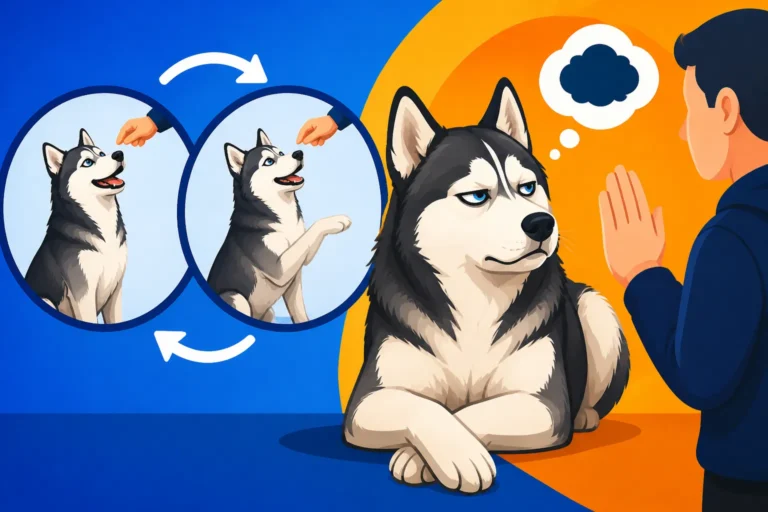
Imagine your current Husky, Loki, tends to chew through drywall when you’re at work. If you bring home another dog, say, Freya, the hope is that Freya will engage Loki in play, distracting him from the destructive urges. Sometimes this works, but often, Freya might simply become an accomplice. Instead of one dog chewing, you now have two dogs involved in the destruction, perhaps even competing for the "best" piece of chewed furniture. The underlying anxiety or boredom that drove Loki’s initial behavior is still there; it's just now a shared experience. The emotional burden of true separation anxiety, where a dog genuinely panics when alone, isn't solved by another dog's presence because the primary source of comfort (you) is still absent. It takes dedicated training to teach a Husky to be comfortable alone, and adding another dog before that foundation is solid can make things much harder.
The Double-Edged Sword of Pack Dynamics
Having two dogs certainly introduces a new layer of pack dynamics, which can be both a blessing and a curse. On the positive side, two compatible dogs can provide immense comfort and companionship for each other. They might engage in wrestle-mania, chase games, or even just nap together, offering a sense of security that alleviates loneliness. For a Husky who thrives on canine interaction, this can genuinely improve their overall quality of life and reduce the incidence of boredom-driven shenanigans.
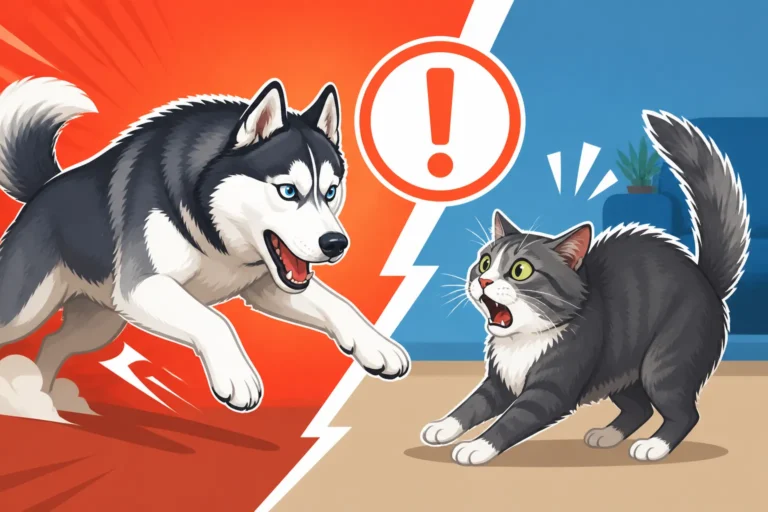
However, this dynamic is a double-edged sword. If one Husky has undesirable habits, the other can quickly pick them up. For example, if your Husky, Luna, is a champion howler, her new companion, Koda, might quickly learn that howling is a great way to express themselves, too. Suddenly, you might find that Whether two Siberian Huskies Howl More Than One becomes a very real and very loud reality in your home. Furthermore, introducing a second dog can sometimes ignite competitive behaviors, especially around resources like food, toys, or even your attention. What was once a peaceful solo mealtime can become a tense, guarded affair. You’ll need to be hyper-aware of these potential shifts in behavior and proactively manage the environment to ensure a harmonious household.
Assessing Your Siberian Husky's Temperament and Needs
Before you even consider bringing another furry face into the family, it’s absolutely vital to take a long, hard look at your current Siberian Husky. Not every Husky is built for multi-dog living, and understanding their individual personality is key to a successful integration.
Understanding Your Husky's Social Style
Huskies are often described as friendly, but that doesn't always translate to loving every single dog they meet, or wanting another dog in their personal space 24/7. Some Huskies are truly dog-social butterflies, thriving on interaction with other canines, whether it's at the dog park, on a hike, or in their own home. They might initiate play, share toys readily, and generally exhibit a relaxed, happy demeanor around other dogs. If your Husky falls into this category, a companion could be a real joy for them. They’re the ones who will happily flop next to another dog for a nap or engage in endless games of chase. Siberian Huskies With Other Dogs is a topic many owners explore when considering a second canine.
Conversely, some Huskies are more independent, perfectly content with their human family and perhaps tolerating other dogs rather than actively seeking their company. They might be polite but reserved, or even prone to guarding resources (like their favorite chew toy or even you) if another dog gets too close. Pushing a second dog on a Husky who prefers their own space or struggles with sharing can lead to chronic stress, growling, snapping, or even fights, creating a tense home environment for everyone involved. It’s important to distinguish between a Husky who tolerates other dogs on occasion and one who genuinely desires constant canine companionship. Spend time observing your Husky in various social settings to truly gauge their social style.
Energy Levels and Exercise Requirements
Let's not kid ourselves: Siberian Huskies are energy machines. They were bred to run for miles, and their exercise needs are non-negotiable. Many behavioral issues, including the very destruction you might hope a second dog would fix, stem from insufficient physical and mental outlets. If your current Husky is exhibiting unwanted behaviors because they're under-exercised, simply adding a second dog will, in most cases, double the problem, not halve it.
Think of it this way: if your Husky needs two hours of vigorous exercise a day, bringing in another equally energetic dog means you now need to provide four hours of exercise, or find ways for them to exercise together safely and effectively. It's not a matter of the two dogs tiring each other out while you relax on the couch. While they might play together for a bit, they still need structured walks, runs, or harness work to satisfy their inherent drive. Before even contemplating a second dog, be brutally honest with yourself about whether you can truly commit to doubling your exercise efforts. If you're already struggling to meet your single Husky's needs, then adding another will likely lead to even more frustration and potential behavioral fallout for both dogs. How Much Exercise a Siberian Husky Really Needs is a fundamental question every owner must answer, and when you have two, that answer becomes even more demanding.
Introducing a Second Dog Safely and Successfully
So, you've assessed your current Husky and believe they'd genuinely benefit from a companion, and you're ready for the doubled commitment. Fantastic! But the introduction process is paramount. Haphazardly throwing two dogs together and hoping for the best is a recipe for disaster.
Choosing the Right Companion
This is perhaps the most critical step. The "right" companion isn't just any dog; it's a dog whose temperament, age, and energy level complement your current Husky's.
- Temperament: Look for a dog with a stable, confident, yet easygoing personality. A dog that is overly dominant, extremely shy, or highly reactive is likely to create tension. If your Husky is boisterous, a calmer, more tolerant dog might be a good anchor. If your Husky is a bit timid, a confident but not pushy companion could help them blossom.
- Age: Bringing home a very young puppy to an older, established Husky can sometimes work, as the older dog often tolerates puppy antics more readily. However, a puppy will also demand a lot of energy and patience from your existing dog. An adult dog with a known temperament can sometimes be a safer bet, but ensure their energy matches. Same-Sex Siberian Husky Pairs can be tricky for some breeds, and while Huskies tend to be less prone to same-sex aggression than some others, it's still a factor to consider and monitor carefully. Often, a male and female pairing tends to be smoother, but individual personalities always trump gender.
- Size & Breed: While another Husky might seem logical, consider other breeds too. Sometimes a slightly less intense, but still active, breed can offer a good balance. Avoid breeds with extremely high prey drive if your Husky already has a strong one, as this can lead to dangerous situations, especially if they egg each other on.
Rescue organizations are often excellent resources for finding a suitable companion. They typically have a thorough understanding of their dogs' temperaments and can help match you with a dog that has a good chance of integrating well into your home. They’ll also often have dogs fostered in homes, allowing for better insight into their true personalities.
Controlled Introductions and Supervision
Once you’ve found a potential new family member, the introduction itself needs to be managed carefully:
- Neutral Territory: The very first meeting should always happen on neutral ground – a park, a quiet street, somewhere neither dog feels ownership. Keep both dogs on leashes, maintained by separate handlers. Allow them to sniff and observe each other without forced interaction.
- Parallel Walks: After initial sniffs, take them for a parallel walk. Walking side-by-side, moving forward, can help them acclimate to each other's presence without direct pressure.
- Supervised Home Entry: Bring them into your home separately, perhaps with the new dog entering first to explore briefly, then removing them before your Husky comes in. When they are finally together in the home, it must be under strict supervision. Keep initial interactions short and positive.
- Separate Resources: This cannot be stressed enough: feed them separately, in different rooms or crates. Provide separate water bowls, and ensure there are enough beds and toys for everyone, scattered throughout the house to minimize resource guarding. High-value chews or treats should always be given in separate, secure spaces.
- Crate Training: If your Husky isn’t already crate trained, now is the time to start. Crating a Siberian Husky That Bends the Bars might give you ideas for a sturdy crate! A crate provides a safe, personal den for each dog, allowing them to decompress and have alone time even when you’re home. It’s also invaluable for managing alone time when you leave the house, ensuring no fights break out and no shared destruction occurs. The BAXTER & Bella online puppy school (which also offers training for adult dogs) can be a fantastic resource here, providing guided lessons on crate training and integration techniques that apply to multi-dog households, especially when dealing with the unique Husky temperament. Their structured approach can really help you navigate the nuances of dual-dog training.
- Monitoring with Tech: Consider using a pet camera, easily found on Amazon, to monitor their interactions when you step out for short periods. This allows you to observe their behavior discreetly and identify any potential issues before they escalate.
Remember, a successful integration can take weeks or even months. Patience is your greatest tool.
Managing Alone Time with Multiple Huskies
The initial goal of getting a second dog might have been to ease alone time, but the work doesn't stop once they're integrated. You still need to actively manage their time alone and ensure both dogs are happy and well-adjusted.
First, resist the temptation to assume they’ll just entertain each other endlessly. While they might play, they still need mental stimulation. Invest in durable puzzle feeders and chew toys. KONG toys stuffed with frozen peanut butter or wet food, available on Amazon, can keep them occupied for a good chunk of time. Snuffle mats and other interactive toys also provide mental enrichment that can reduce boredom-driven behaviors.
Second, don't neglect individual attention. Each Husky needs one-on-one time with you – walks, training sessions, cuddle time – to reinforce your bond and ensure they don’t feel like they’re competing for your affection. This helps prevent behavioral issues that can arise from perceived favoritism or lack of attention.
Finally, continue to work on independent coping skills. While they have each other, it’s still important that each dog can handle being alone, should one need to go to the vet or be separated for any reason. Short, successful periods of separation (e.g., one dog in the crate, one free-roaming in a secure area, or both in separate crates) can be beneficial. Understanding Hours a Siberian Husky Copes With Alone is crucial, and that limit doesn’t necessarily double with two dogs; it just means twice the potential for trouble if you push it.
Potential Challenges and How to Address Them
While the joys of a multi-Husky household are many, it's vital to be realistic about the challenges. Being prepared for these potential hurdles will help you navigate them effectively and ensure a harmonious home.
Increased Noise and Destruction
One of the most common hopes is that two dogs will keep each other quiet. The reality can often be the opposite. Huskies are known for their vocalizations – the talking, the howling, the characteristic "woo-woo" sounds. If one Husky howls, the other might join in, creating a chorus that your neighbors might not appreciate. Boredom, anxiety, or simply the breed's natural inclination can lead to amplified noise levels.
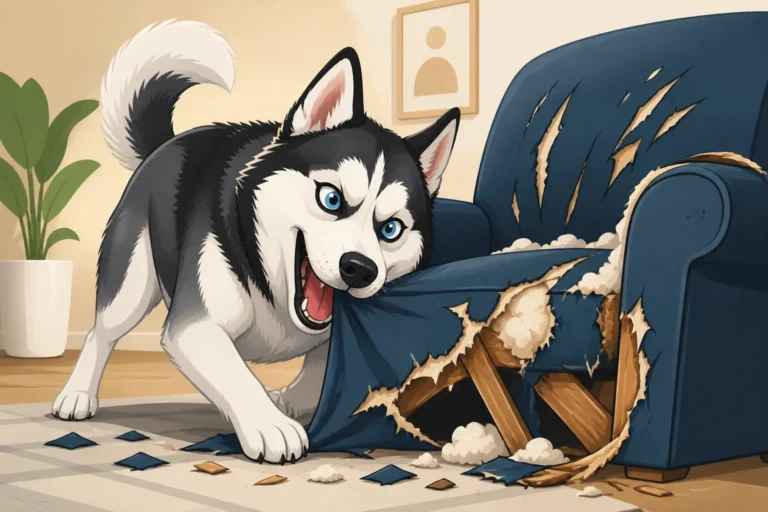
Similarly, if your single Husky has a penchant for destroying furniture or digging up the yard when under-exercised, introducing a second dog, especially another high-energy breed, can sometimes mean double the damage. A Siberian Husky That Destroys Furniture is a well-known lament among owners. The key to mitigating both noise and destruction lies in addressing the root cause:
- Exercise: Ensure both dogs get ample physical exercise daily. This means long walks, runs, bikejoring, or other forms of strenuous activity. A tired Husky is a good Husky, and two tired Huskies are a peaceful pair.
- Mental Stimulation: Don't forget their intelligent minds. Puzzle toys, training sessions, and scent work can exhaust them mentally. Rotate toys to keep things fresh.
- Management: When you can't supervise, use crates. Crates can be lifesavers for preventing unwanted behaviors, especially when you're not home. For an escape artist Husky, ensure the crate is sturdy and secure.
Resource Guarding and Conflicts
Introducing a second dog can sometimes trigger resource guarding behaviors that weren't present with a single dog. This can involve guarding food, treats, toys, prime sleeping spots, or even human attention. A Siberian Husky That Guards Food From Another Dog is a serious issue that needs immediate, careful management to prevent fights.
Here’s how to address it:
- Separate Feeding: As mentioned, always feed dogs in separate rooms or crates. Once they are finished and the bowls are put away, then they can be together again.
- Manage High-Value Items: Any highly desirable item – a special chew, a favorite toy – should be given only when dogs are separated or under direct, calm supervision. Collect them before leaving the room.
- Training: Teach solid "drop it" and "leave it" cues for both dogs. This is vital for safety and for defusing potential conflicts before they escalate.
- Equal Attention: Ensure both dogs receive equal amounts of one-on-one positive attention, training, and affection. This reduces competition for your resources.
If serious resource guarding or aggression develops, consult with a professional positive reinforcement dog trainer or behaviorist immediately. Do not attempt to "let them sort it out," as this can lead to injury and worsen the problem.
The Financial and Time Commitment
Finally, it’s essential to face the cold, hard truth: two dogs mean doubling your commitment, not just in love and snuggles, but also in time and money. While you might hope for economies of scale, it rarely works that way.
Consider:
- Food: Twice the mouths to feed means twice the food bill. Even with a Husky's efficient metabolism, this adds up quickly.
- Vet Care: Routine check-ups, vaccinations, parasite preventives, and unexpected emergencies will all be doubled. Whether a Second Siberian Husky Doubles the Cost is a question that often surprises people with how true it is for veterinary expenses.
- Grooming: While you might do some grooming yourself, professional de-shedding sessions will cost for two. And the amount of hair in your home will certainly increase!
- Gear: Collars, leashes, harnesses, beds, crates – you'll need one for each.
- Training: If you hire a professional trainer, you're paying for two dogs, or at least for the added complexity of training two dogs at once.
- Time: Beyond exercise, training takes time. Playing with them individually, grooming, cleaning up after them – all these tasks double. Socialization and enrichment activities need to be planned for both.
Adding a second dog is a profound decision. It’s an investment of your heart, time, and finances. While the rewards of having two Huskies can be immense – double the love, double the laughs, and the beautiful sight of two dogs truly bonded – it is never a shortcut to solving behavioral issues. It's a commitment to a richer, more active, and potentially more challenging life, fully embracing the delightful chaos of the Siberian Husky breed.
| Category | One Siberian Husky | Two Siberian Huskies |
|---|---|---|
| Companionship for Dog | Primarily human-dependent | Increased canine companionship (potentially, if well-matched) |
| Exercise Needs | High, dedicated effort required | Very High, requires double the effort for both individually and together |
| Potential for Destruction | High (if bored/under-exercised) | Very High (if boredom or anxiety is shared, or they egg each other on) |
| Noise Level | Moderate to High (howling, talking) | Potentially higher (two can reinforce vocalizations, creating a chorus) |
| Training Time & Effort | Significant, consistent effort | Double the effort, potentially more complex due to pack dynamics and individual needs |
| Financial Cost | Significant (food, vet, gear) | Roughly double (food, vet bills, preventatives, gear, potential repairs) |
| Travel & Boarding | Manageable with planning | More complex, finding sitters/boarders for two can be challenging |
Disclaimer
This article is for general informational purposes only and does not constitute professional advice. Laws, prices and regulations vary by location and change over time. Consult a qualified professional for guidance on your specific situation.