Hours a Siberian Husky Copes With Alone
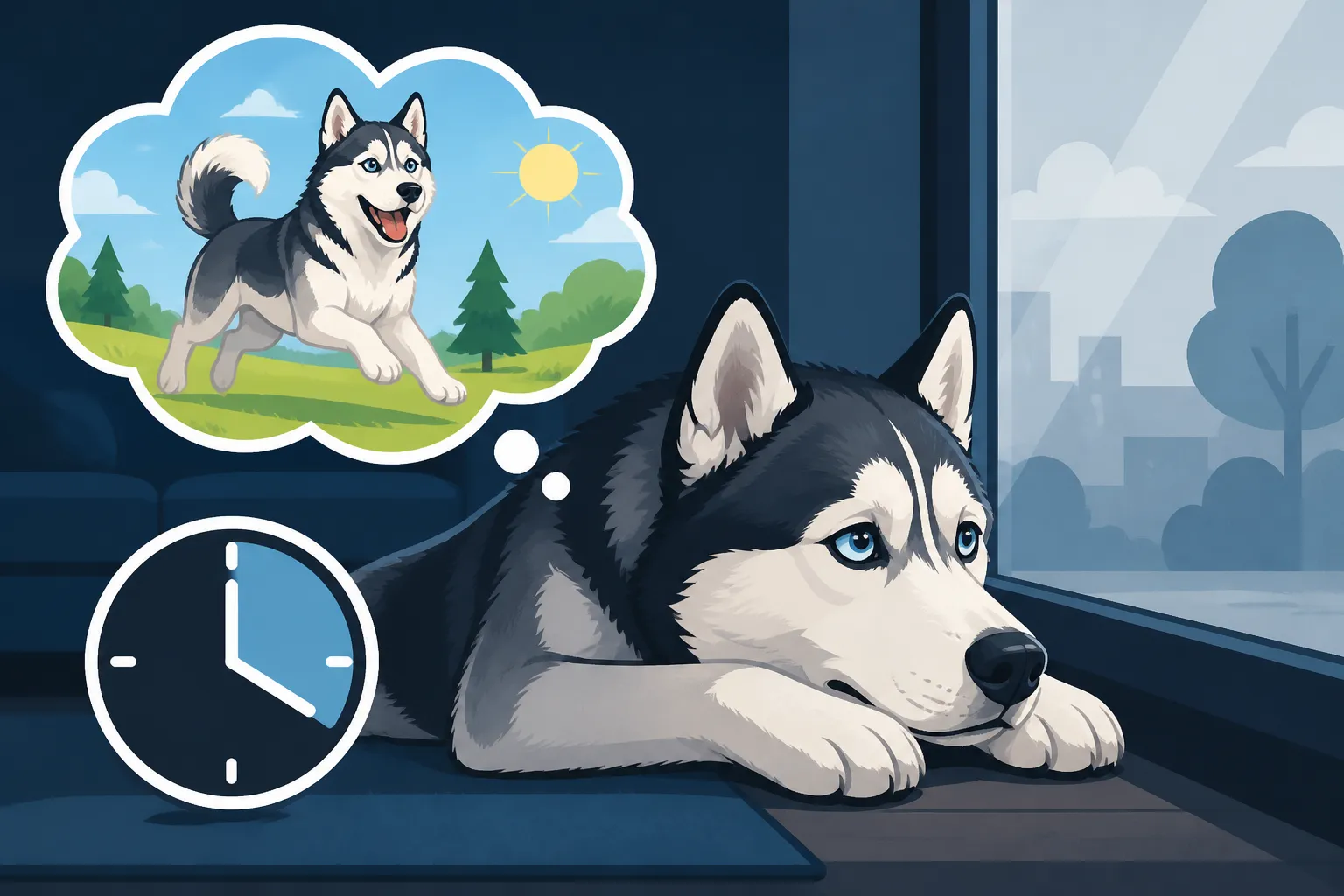
One of the most common worries I hear from new (and even seasoned!) Siberian Husky owners is about leaving their beloved floof at home alone. It's a real fear, isn't it? You walk out the door, and that nagging thought immediately creeps in: "Is my Husky tearing up the couch right now? Are the neighbors getting an earful of howling?" This guide aims to tackle that stress head-on, giving you a realistic understanding of how many hours your Siberian Husky can truly cope with alone, and more importantly, what you can do to help them thrive when you're not there.
The Husky Personality: Why Being Alone Is Such a Big Deal
Let's be honest, Siberian Huskies are not your average "curl up on the couch and wait patiently" kind of dog. They're intelligent, independent, and possess an energy level that can only be described as "boundless." Understanding their inherent traits is the first step to managing their alone time effectively. You can't fight centuries of breeding, but you can work with it!
Born to Be Busy and Social
Imagine their ancestors in the Siberian tundra: these dogs were part of a tight-knit pack, working alongside humans and other dogs for hours on end, pulling sleds. They had a job, constant companionship, and an endless outlet for their physical and mental energy. Fast forward to your living room, and you can see why being suddenly isolated for long stretches can feel like a profound injustice to them. They're wired for activity and connection. When those needs aren't met, especially when left alone, their powerful minds start to invent their own "jobs." These often involve redecorating your home with stuffing or giving impromptu concerts for the neighborhood. This is often where issues like Siberian Husky Destruction When Left Alone or A Siberian Husky That Screams When Left begin.
Independence Mixed with Strong Attachment
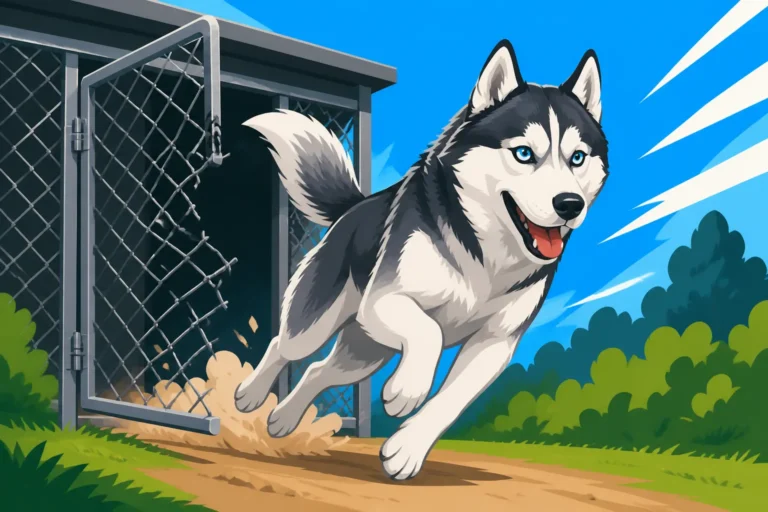
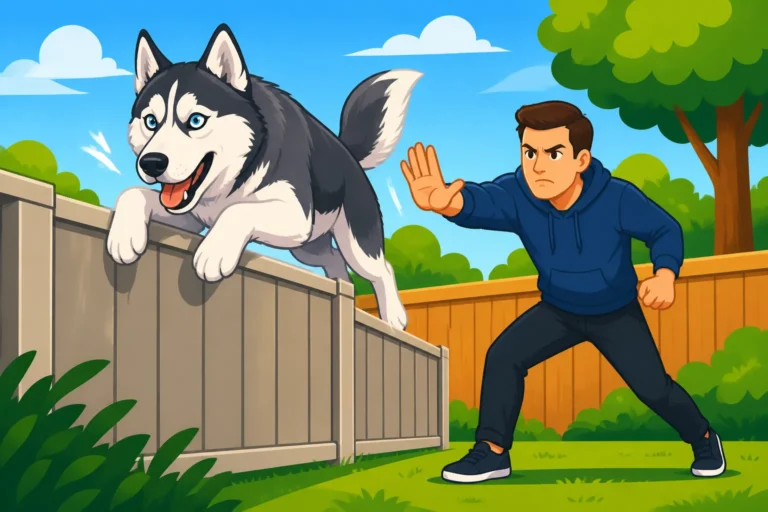
It's a funny paradox with Huskies, isn't it? They're often described as independent, not overly clingy, and perfectly capable of making their own decisions (which usually involve ignoring your commands). Yet, they form incredibly strong bonds with their human families. This isn't the kind of dog that forgets you exist the moment you're out of sight. Their independence often manifests as problem-solving skills when faced with boredom or confinement – like figuring out how to open doors or scale fences. But their attachment means they miss you. This combination, when poorly managed, can quickly lead to distress, not just simple boredom. They're not being malicious when they chew your favorite shoes; they're trying to cope, often desperately, with a situation they're not built for.
Setting Realistic Expectations: How Long Can a Husky Really Be Left?
So, how many hours is too many? There’s no magic number that works for every single Siberian Husky, but we can talk about general guidelines and factors that influence it. It’s definitely not a "set it and forget it" situation, that's for sure.
Puppies and Their Tiny Bladders (and Minds)
A young Siberian Husky puppy, say under six months old, is like a toddler. They have tiny bladders, limited self-control, and an even shorter attention span. Asking them to hold it for more than 2-3 hours is often unrealistic and sets them up for failure in house-training. Beyond bathroom needs, their mental and emotional development requires frequent interaction and supervision. Leaving them alone for even a full workday is not only unfair but can be detrimental to their foundational training and socialization. We're talking about crucial developmental windows here. For them, every moment is a learning opportunity, and being left completely alone for extended periods can lead to anxiety, destructive habits, and a difficult time settling into their role as a family member. Consider breaking up their day with a dog walker or trusted friend if you absolutely must be out for longer.
Adult Huskies: The "It Depends" Factor
For an adult Siberian Husky (typically from around 1.5 to 7-8 years old), the answer really does depend on a host of factors: their individual temperament, their training, their exercise routine, and their environment. As a general rule of thumb, most adult Huskies can comfortably cope with 4-6 hours of alone time, provided they've had adequate exercise and mental stimulation beforehand. Some exceptionally calm and well-exercised individuals might stretch to 8 hours occasionally, but this should not be a daily routine.
Think about it this way: 8 hours is a full workday. That's a long time for a dog bred for constant activity and companionship to be in a house by themselves. Many Huskies who are left for 8+ hours daily without proper outlets become bored, stressed, and often destructive. This isn't stubbornness; it's a desperate plea for engagement. You might find yourself dealing with Siberian Husky Separation Behavior that manifests as excessive howling, chewing, or even frantic attempts to escape.
Senior Huskies: Comfort and Routine Are Key
As your Siberian Husky enters their senior years, typically around 9-10 years old, their energy levels will likely decrease, and they might become a bit more tolerant of alone time. However, new challenges can arise. Older Huskies might have more frequent bathroom needs due to aging bladders or medical conditions. They might also become more sensitive to changes in routine or develop cognitive dysfunction, making alone time more confusing or anxiety-inducing. For these wise old souls, shorter periods alone, combined with comfortable sleeping arrangements and easy access to outdoor potty breaks, are usually best. Their needs shift from high-octane physical activity to comfort, gentle routine, and reassurance.
Here's a quick overview of general guidelines:
| Age of Siberian Husky | Maximum Recommended Alone Time (Daily) | Key Considerations |
|---|---|---|
| Puppy (under 6 months) | 2-4 hours | Tiny bladder, high need for socialization/training, easily distressed |
| Adolescent (6-18 months) | 4-6 hours | Peak energy, testing boundaries, prone to destructive boredom |
| Adult (1.5 – 8 years) | 4-6 hours (occasionally up to 8) | Requires significant pre-alone exercise & mental work |
| Senior (8+ years) | 4-6 hours (with more frequent potty breaks) | Potential for increased bathroom needs, cognitive changes, comfort is key |
Making Alone Time Easier: Preparing Your Husky for Success
Leaving a Siberian Husky alone isn't just about shutting the door and hoping for the best. It's a strategic operation! You need to proactively set them up for success, ensuring their physical and mental needs are met before you even think about stepping out.
Exercise, Exercise, Exercise!
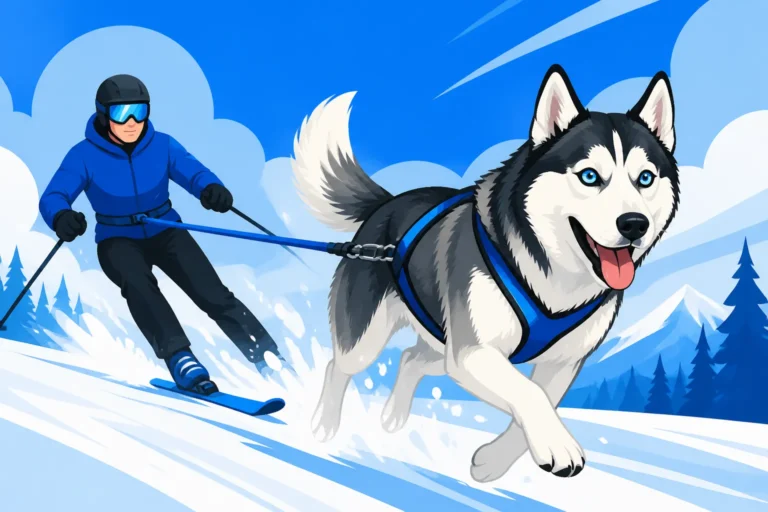
This is non-negotiable for a Husky. A tired Husky is a good Husky, and a tired Husky is far more likely to settle down and relax (or at least not dismantle your living room) when you're gone. Before you leave, dedicate at least an hour, if not more, to vigorous exercise. This could be a long run, a challenging hike, a bikejor session, or even a solid hour at a secure dog park (if your Husky is good with other dogs and has reliable recall, which is a big "if" for many!). Activities that allow them to pull, like Canicross and Bikejoring With a Siberian Husky, are fantastic for burning off that ancestral energy. The goal is to drain both their physical and mental energy. Don't underestimate How Much Exercise a Siberian Husky Really Needs. A quick stroll around the block simply won't cut it for this breed.
Mental Stimulation is Just as Crucial
While physical exercise is vital, a Husky's brain needs a workout too. These are smart dogs, and if their minds aren't engaged, they'll find their own entertainment – usually at your expense. Invest in a variety of puzzle toys and feeders. Items you can stuff with their meal or high-value treats are perfect. Brands found easily on Amazon, for example, offer a huge range of interactive toys that require them to think and work for their food. A frozen Kong or a West Paw Toppl filled with peanut butter, yogurt, or wet food can keep them occupied for a surprising amount of time. You can also hide treats around the house (if they're not prone to destruction) for a little scavenger hunt. This kind of mental effort is often more tiring than physical exertion for them, helping them settle into a nap.
Crate Training: A Safe Haven, Not a Prison
For many Siberian Huskies, a crate can be an invaluable tool for managing alone time. But it's crucial that the crate is introduced positively and viewed as a safe, comfortable den, not a punishment. A properly crate-trained Husky will often retreat to their crate willingly for naps or when they need a quiet space. The trick is to ensure it's a truly secure space. Huskies are escape artists, and I've heard too many stories of "Houdini Huskies" bending bars or otherwise destroying crates that aren't heavy-duty enough. Look for durable, well-constructed crates, sometimes specifically marketed as "escape-proof." For puppies, Crates a Siberian Husky Cannot Break Out Of are a wise investment early on. If your Husky is prone to Crating a Siberian Husky That Bends the Bars, it's time to re-evaluate the crate and the training.
The crate should be big enough for them to stand, turn around, and lie down comfortably. Make it cozy with a soft bed (if they don't immediately shred it!) and a safe chew toy. Never use the crate for punishment. If you're struggling with crate training, consider online resources like BAXTER & Bella, which offer comprehensive training programs that can guide you through positive reinforcement techniques.
Gradual Departures and Desensitization
To build your Husky's tolerance for alone time, you need to start small and gradually increase the duration. This is called desensitization.
- Start with micro-departures: Put on your coat, grab your keys, walk to the door, open it, then close it and come right back in. Don't make a big fuss. Repeat this several times until your Husky barely reacts.
- Increase duration: Step outside for 30 seconds, then a minute, then five minutes. Slowly build up the time.
- Vary your routine: Don't always leave at the same time or in the same way. This prevents your Husky from associating specific cues (like you grabbing your car keys) with your departure and building anticipatory anxiety.
- No big goodbyes or hellos: While it's tempting to shower your Husky with affection before you leave and when you return, try to keep departures and arrivals calm and low-key. This helps reduce the emotional intensity associated with you coming and going. Give them attention once they've settled, not immediately upon entry.
When Alone Time Goes Wrong: Spotting and Solving Issues
Despite your best efforts, sometimes things just don't go according to plan. It's vital to differentiate between simple boredom and genuine separation anxiety, as the solutions are quite different.
Boredom vs. Separation Anxiety
Boredom in a Siberian Husky typically manifests as:
- Destructive chewing: Often focused on easily accessible items or furniture.
- Digging: Inside or outside, creating holes in the yard or tearing up carpets.
- Howling/Barking: Can be intermittent, often in response to external stimuli, or a general "I'm bored, acknowledge me!" sound.
- Mischief: Getting into cabinets, counter surfing, tearing up non-essential items.
The key here is that the destruction or noise isn't driven by panic or distress, but by a lack of appropriate outlets for their energy and intelligence. They're finding their own fun, even if it's not what you had in mind. For this, look at Puzzle Feeders a Siberian Husky Cannot Beat and increase pre-departure exercise.
Separation Anxiety is more severe and typically involves:
- Panic before you leave: Frantic pacing, whining, following you everywhere, trying to block the door.
- Excessive drooling, panting, or trembling: Not related to heat or exercise, but to stress.
- Destruction targeted at exit points: Chewing around doors, windows, crates, attempting to escape the confinement. This often leads to self-injury.
- Inappropriate urination or defecation: Even if perfectly house-trained, they may have accidents, often immediately after you leave, driven by panic.
- Persistent, frantic howling/barking: Continuous and distressed, not just reactive.
- Self-mutilation: Chewing their paws or tail, licking excessively.
If you suspect your Husky has true separation anxiety, this is more than just a training issue; it's an emotional disorder that requires a more intensive approach.
Strategies for Intervention
If you're facing boredom issues, the solutions outlined above (more exercise, more mental stimulation, appropriate toys, stronger crates) are your first line of defense. Ensuring your Husky has a full "tank" of activity before you leave can make all the difference. Sometimes, Leaving a Siberian Husky With Another Dog can help, as they are a social breed, but this isn't a guaranteed fix and can lead to two bored, destructive dogs if not managed correctly.
For suspected separation anxiety, you'll need a different game plan:
- Consult your vet: Rule out any underlying medical conditions that might be contributing to the behavior. They can also discuss anti-anxiety medications if necessary, to help calm your Husky enough for training to be effective.
- Seek professional help: A certified professional dog trainer or a veterinary behaviorist specializing in separation anxiety will be invaluable. They can guide you through detailed desensitization and counter-conditioning protocols. This often involves very gradual increases in alone time, paired with positive associations.
- Management: While working through the training, prevent your Husky from experiencing the anxiety. This might mean arranging for a dog walker, doggy daycare, or having a trusted friend or family member stay with them when you're away. The goal is to avoid allowing the anxiety to be practiced and reinforced.
- Calming aids: Some owners find success with calming pheromone diffusers, calming vests, or supplements, but these are generally supportive tools and not standalone solutions.
Ultimately, understanding how many hours a Siberian Husky can cope with alone isn't just about a number on a clock. It's about recognizing their unique needs as a breed and committing to meeting them. With proper preparation, exercise, mental stimulation, and a safe environment, you can help your Husky feel confident and content even when you're not right there beside them.
Disclaimer
This article is for general informational purposes only and does not constitute professional advice. Laws, prices and regulations vary by location and change over time. Consult a qualified professional for guidance on your specific situation.