Starting Canicross With a Siberian Husky
Anyone who shares their life with a Siberian Husky knows the drill: that exhilarating, sometimes exhausting, pull on the leash. It’s not stubbornness; it's an innate drive, a whisper from their sled-dog ancestors calling them to move forward, to work. If you've been wondering how to channel that powerful urge into something productive and fun for both of you, then canicross, the sport of off-road running with your dog pulling in a harness, might just be the perfect solution. This guide will walk you through everything you need to know to safely and joyfully start your canicross journey with your high-energy companion.
Why Canicross is a Perfect Fit for the Siberian Husky
Siberian Huskies are built for speed and endurance, designed by centuries of selective breeding to pull loads over long distances in harsh conditions. Their physiology, coupled with their spirited temperament, makes them exceptional candidates for canicross. It’s more than just a workout; it’s an opportunity to engage their minds, bodies, and ancestral instincts in a truly fulfilling way.
Honoring Their Natural Instinct to Pull
One of the most common frustrations for Siberian Husky owners is their dog's relentless pulling on a leash during walks. In canicross, this "problem" becomes the primary asset. Instead of fighting against their natural inclination, you're embracing and directing it. This shift in perspective is incredibly empowering for both you and your husky. They get to do what they're instinctively wired to do, which deepens their sense of purpose and overall happiness.
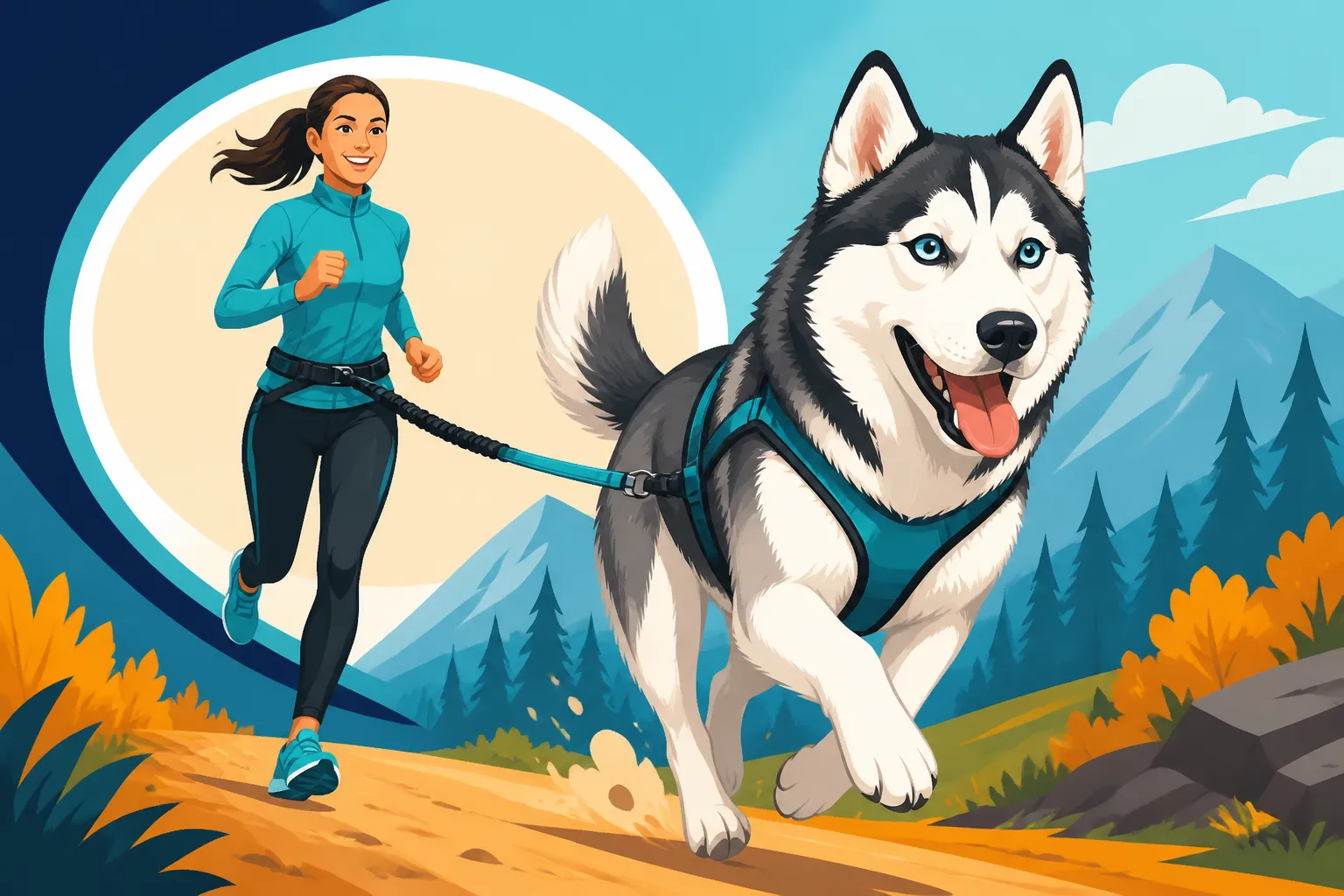
Imagine taking your husky for a run where their strong pull isn't a battle, but a partnership. That's the magic of canicross. Their forward momentum becomes your forward momentum, creating a synergistic effort that feels exhilarating. It's a completely different dynamic than a casual stroll, and many huskies respond with immense enthusiasm, their "happy pull" a clear indicator of their enjoyment. This activity taps into their very being, providing an outlet that a simple walk around the block just can't match.
Meeting Their High Exercise and Mental Stimulation Needs
Siberian Huskies are not couch potatoes. They require a significant amount of physical exercise to stay healthy and prevent destructive behaviors stemming from boredom or pent-up energy. Canicross offers an intense, full-body workout that satisfies both their physical and mental demands simultaneously. It's a structured activity that uses their brains to understand cues and their bodies to perform.
Beyond the physical exertion, canicross provides vital mental stimulation. Your husky isn't just running; they're navigating trails, responding to your verbal commands, and working as part of a team. This mental engagement is crucial for a breed as intelligent and independent as the husky. Without adequate mental and physical outlets, these dogs can become quite creative in finding their own "jobs," which often manifest as digging, escaping, or chewing. Canicross can be a powerful antidote to these common husky challenges, helping to create a calmer, more content companion at home. It allows them to use their energy constructively, leading to a much more balanced dog.
Building a Deeper Bond and Trust
Participating in a demanding activity like canicross together forges an incredibly strong bond between you and your husky. You are relying on each other, communicating through voice commands, body language, and the subtle tension in the bungee line. This shared experience builds trust and mutual respect, enhancing your relationship beyond what everyday interactions might achieve.
When you're out on the trail, moving as one, you develop a unique language with your dog. You learn to read their pace, their enthusiasm, and even their moments of fatigue. They, in turn, learn to trust your commands and leadership, understanding that you are guiding them safely through exciting terrain. This teamwork is immensely rewarding and translates into a more harmonious relationship off the trail as well. The feeling of accomplishment after a good canicross run, shared between you and your husky, is truly special and cements your partnership.
Essential Equipment for Safe and Enjoyable Canicross
While the idea of running with your husky sounds simple, proper gear is absolutely crucial for safety, comfort, and performance in canicross. Skimping on the right equipment can lead to injury for both you and your dog, or simply make the experience unpleasant. Think of it as investing in a shared adventure.
The Canicross Harness: Designed for Pulling Comfort
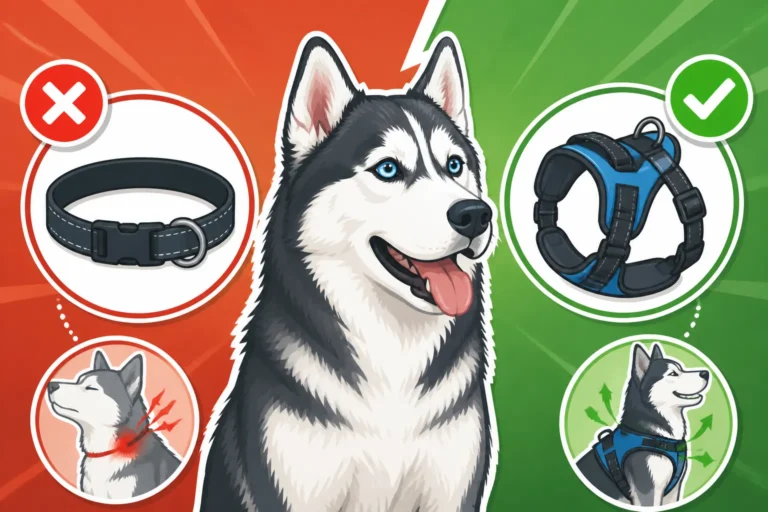
This is arguably the most critical piece of equipment for your husky. A regular walking harness, or even a collar, is completely unsuitable for canicross because it will put pressure on your dog's throat and restrict their movement, potentially causing injury. A proper canicross harness, often an X-back or H-back style, is specifically designed to distribute the pulling force evenly across your dog’s chest and shoulders, allowing for full range of motion in their legs and protecting their airways.
When selecting a harness, look for one that fits snugly but doesn't restrict movement. The harness should allow your dog's shoulder blades to move freely and the neck opening shouldn't choke them when they pull. The attachment point for the bungee line should be at the very base of the tail, ensuring the pulling force is distributed along their spine. Different brands offer slight variations in design, so it might take a bit of research to find the perfect fit for your husky's individual build. Remember, a well-fitting harness is key to your dog’s comfort and willingness to pull. Many reputable brands can be found on platforms like Amazon, offering a wide selection to choose from.
The Bungee Line: Shock Absorption for Two
The bungee line is a specialized leash that connects your dog's harness to your canicross belt. Its elastic properties are essential for absorbing the shock of your dog's pull, preventing jarring movements that could injure your back, shoulders, or your dog's neck and spine. A standard leash simply doesn't provide this critical shock absorption.
The length of the bungee line is also important. It needs to be long enough (typically between 6 and 10 feet when extended) to allow your dog to run comfortably ahead of you without you stepping on their heels, but not so long that you lose control on tight turns. Some lines have integrated sections of elasticity, while others are entirely stretchy. It's a balance between control and giving your husky room to operate. Without a bungee line, every stride and every surge of your husky's powerful pull would be a harsh tug, making the experience uncomfortable and potentially dangerous for both of you.
The Canicross Belt: Hands-Free and Back-Friendly
For you, the runner, a good canicross belt is indispensable. This is a wide, padded belt that you wear around your waist or hips, with a loop or attachment point for the bungee line. Its primary function is to distribute the pulling force across your core, rather than concentrating it on your arm or shoulder, which would quickly lead to fatigue and potential injury.
A well-designed canicross belt ensures that the pulling force comes from your center of gravity, allowing you to run naturally and maintain good posture. Look for belts with adjustable straps to ensure a snug fit, and ample padding for comfort during longer runs. Some belts include small pockets for keys or treats, which can be incredibly handy. Running hands-free allows you to maintain balance, use your arms for propulsion, and even carry water without juggling a leash. This freedom truly transforms the running experience, making it much more enjoyable and efficient.
| Equipment Type | Purpose | Key Features | Why it's Essential for Huskies |
|---|---|---|---|
| Canicross Harness | Distributes pulling force comfortably | X-back or H-back design, padded, no throat pressure, tail-base attachment | Prevents injury, allows natural gait, encourages pulling |
| Bungee Line | Absorbs shock from pulling, connects dog to runner | Elastic section, 6-10 ft length (extended), strong clips | Protects joints and spine, smooths out jerks, maintains distance |
| Canicross Belt | Hands-free running, distributes pull on runner | Padded waist/hip fit, adjustable, sturdy attachment point | Prevents back/shoulder strain, improves balance, frees hands |
| Running Shoes | Traction and comfort for the runner | Good grip, trail-specific if off-road, support | Prevents slips and falls, ensures runner comfort |
| Water Bottle/Bowl | Hydration for both dog and runner | Collapsible bowl, hydration pack/belt with water bottles | Prevents dehydration, especially critical for active huskies |
Laying the Groundwork: Training Your Husky for Canicross
Once you have the right gear, the real fun (and training) begins. Remember, your husky already has the instinct to pull, but you need to teach them how to do it safely and effectively within the context of canicross. This isn't just about physical conditioning; it's about clear communication and building a shared understanding.
Introducing the Gear and Building Positive Associations
Before you hit the trails, let your husky get comfortable with their new harness and bungee line. Huskies are smart and often wary of new things, so make it a positive experience. Put the harness on for short periods around the house, associating it with treats, praise, or their favorite toys. Never force it, and ensure it fits well so there are no uncomfortable rubbing spots. The goal is for them to see the harness as a signal for something exciting about to happen.
You might even let them drag the bungee line (unattached to you, under supervision) for a few minutes in a safe, enclosed area, allowing them to get used to the feel of something trailing behind them. The canicross belt is for you, so just get comfortable wearing it around. The key here is patience and positive reinforcement. If your husky starts to associate the gear with fun and rewards, they'll be much more enthusiastic about using it when it's time to run. This initial conditioning is vital, setting the stage for smooth transitions to actual training.
Teaching Basic Directional Cues
Unlike a casual walk where you might guide your dog with the leash, in canicross, your husky will often be ahead of you, so verbal cues are paramount. Start teaching simple commands like "Gee" (right), "Haw" (left), "Whoa" (stop), and "On By" (pass without interacting). Practice these in a low-distraction environment first, like your backyard or a quiet park, using treats and enthusiastic praise.
For "Gee" and "Haw," you can start by placing treats to one side or the other, or by gently guiding them with a hand signal as you say the command. Consistency is key. Every time you want them to turn right, say "Gee." For "Whoa," practice stopping yourself and rewarding them immediately when they halt. These commands form the foundation of your communication on the trail, allowing you to navigate turns and avoid obstacles without resorting to harsh tugging on the line. Resources like BAXTER & Bella often provide excellent structured training programs that apply perfectly to teaching cues like these through positive reinforcement.
Starting Slow and Building Stamina Gradually
Huskies are endurance athletes, but even they need to build up their canicross fitness. Start with very short, easy runs on flat, familiar terrain. Think 10-15 minutes at a comfortable trot, not a sprint. Focus on letting your husky enjoy the pulling sensation and responding to your basic commands. As they gain confidence and stamina, you can gradually increase the distance and introduce more varied terrain.
Listen to your dog. Watch for signs of fatigue, like lagging behind, excessive panting, or losing enthusiasm. Always end on a positive note, even if it means cutting a run short. Just like human athletes, sudden increases in intensity or duration can lead to injury. A gradual progression ensures that your husky develops the muscle memory and cardiovascular fitness needed for longer, more challenging canicross adventures. This conservative approach is essential to prevent injuries like strains or pulled muscles, ensuring a long and happy canicross career for your dog.
Motivating an Independent Husky to Work with You
Siberian Huskies are known for their independent nature, which can sometimes manifest as "selective hearing" during training. In canicross, you need them to be engaged and motivated to pull consistently. High-value treats, enthusiastic verbal praise, and even specific toys reserved only for canicross can be powerful motivators. Celebrate every effort they make, especially when they respond to cues or maintain a good pace.
Sometimes, bringing another dog along who already understands canicross can be a huge motivator for a less enthusiastic husky. They thrive on pack dynamics and often learn by example. However, ensure the other dog is also well-behaved and doesn't distract your husky from their job. For a husky that values their own agenda, consistency in reward and clear, positive communication are your best tools. Remember that A Siberian Husky That Comes Only When It Suits might need extra patience and higher rewards to stay focused in a distracting environment, so building that foundation in canicross takes dedicated effort.
Keeping it Safe and Fun: Health and Environmental Considerations
Canicross is a fantastic sport, but the safety and well-being of your Siberian Husky must always be your top priority. Given their unique physiology and the nature of the activity, there are specific considerations you need to keep in mind, particularly regarding weather and terrain.
Monitoring Weather Conditions and Temperature
Siberian Huskies are built for cold weather. Their dense double coat, while excellent insulation in winter, can quickly lead to overheating in warmer temperatures. Never run your husky in canicross if the temperature is above 60-65°F (15-18°C), and always consider humidity levels. On hotter days, stick to early mornings or late evenings when the sun is low and surfaces have cooled. Heat Stroke Risk in a Siberian Husky is very real and can be life-threatening.
Even on cooler days, continuously monitor your husky for signs of overheating: excessive panting, bright red gums, disorientation, or a reluctance to continue. Always carry plenty of water for both of you and offer frequent breaks. If in doubt, skip the run. It's far better to err on the side of caution than to risk your dog's health. In warmer climates, many husky owners will only canicross for a few months out of the year, or stick to short, shaded routes near water sources.
Protecting Those Paws
Your husky's paws are their primary contact with the ground, and they take a lot of impact during canicross. Inspect their paw pads regularly for cuts, cracks, or excessive wear. Running on abrasive surfaces like asphalt or gravel can be hard on their feet. Whenever possible, choose softer trails like dirt paths or grassy tracks. In very rough terrain, or during icy conditions, dog booties can provide invaluable protection.
Consider applying a paw balm before and after runs, especially in dry or cold conditions, to help keep their pads supple and prevent cracking. Just as you invest in good running shoes, think about your husky's paw health as an essential part of their canicross gear. Preventing minor injuries will keep them on the trail and enjoying the sport for longer. Having a few sets of Booties for Siberian Husky Paws on hand is a smart preventative measure, especially if you plan to run on varied surfaces or in extreme weather.
Hydration Before, During, and After Runs
Adequate hydration is paramount for any active dog, especially one exerting themselves as much as a canicross husky. Ensure your husky has access to fresh water before and immediately after every run. During longer runs, carry water and offer it every 15-20 minutes, even if they don't seem thirsty. Huskies can quickly become dehydrated, and the cool water also helps regulate their body temperature.
A collapsible water bowl that clips to your belt or a hydration pack with a dog-friendly dispenser can make this easy. If you notice your husky showing signs of dehydration—dry gums, lethargy, or loss of skin elasticity—stop the run immediately and seek veterinary advice. Preventing dehydration is a simple but critical aspect of responsible canicross ownership.
Veterinary Check-Ups and Joint Health
Before embarking on any new strenuous activity like canicross, a thorough veterinary check-up is a non-negotiable step. Your vet can assess your husky's overall health, joint integrity, and cardiovascular fitness to ensure they are physically capable of handling the demands of pulling. This is particularly important for checking for any underlying conditions that might be exacerbated by intense exercise.
Regular check-ups should continue throughout your husky's canicross career. Pay close attention to any changes in their gait, any signs of lameness, or a decrease in performance, as these could indicate a joint issue or muscle strain. While Siberian Huskies generally have good hips, consistent high-impact activity warrants vigilance. If you notice A Siberian Husky Limping After Long Runs, it's a clear signal to consult your vet. Early detection and treatment of any orthopedic issues will allow your husky to recover faster and get back to their favorite sport safely. Remember, working with a healthy dog is always safer and more enjoyable for everyone involved.
Disclaimer
This article is for general informational purposes only and does not constitute professional advice. Laws, prices and regulations vary by location and change over time. Consult a qualified professional for guidance on your specific situation.