A Siberian Husky That Comes Only When It Suits
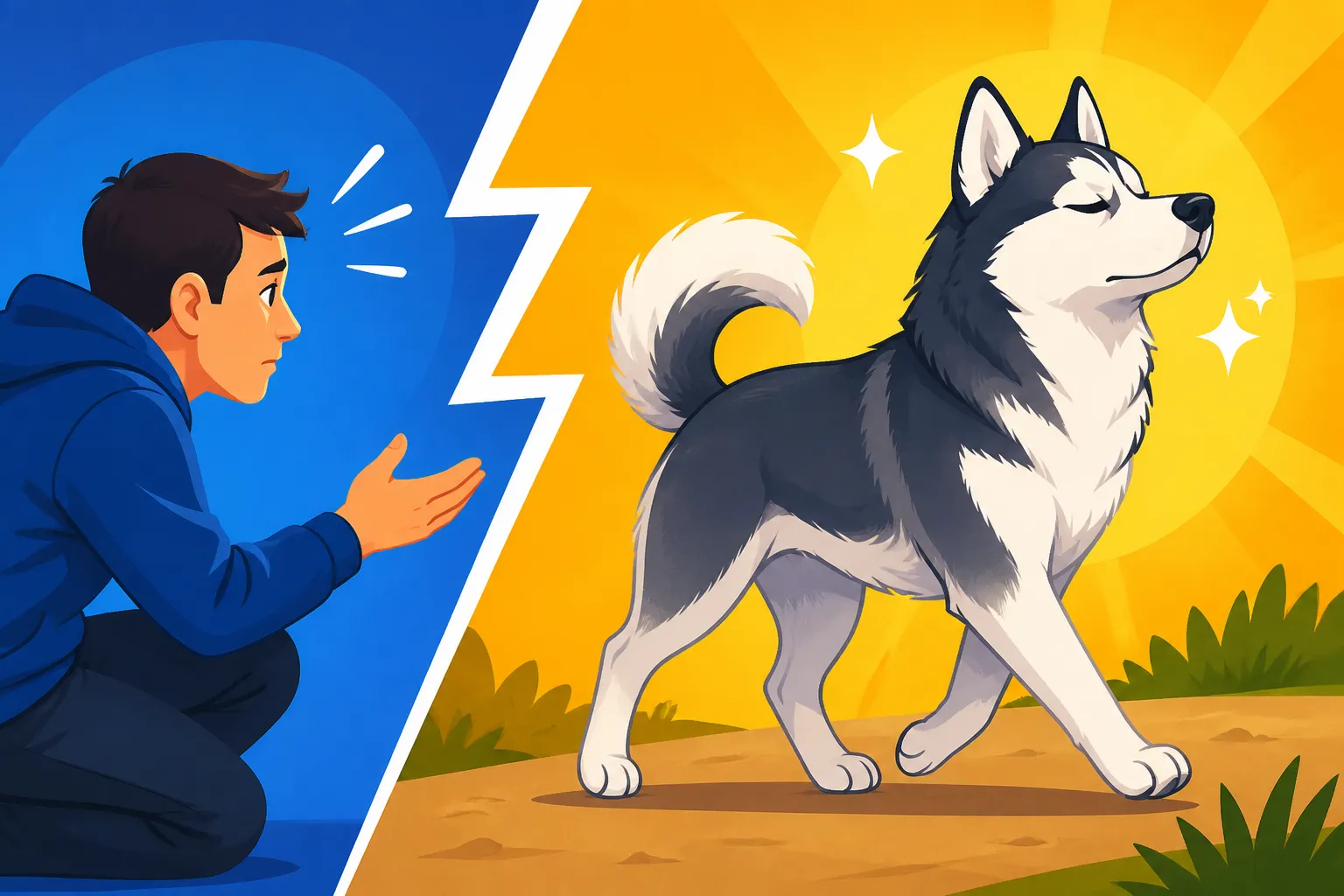
It's a frustration almost every Siberian Husky owner has experienced: you call your dog, you know they hear you, their ears might even twitch, but they give you that characteristic "Siberian side-eye" and continue doing exactly what they want. This guide is here to help you understand why your Husky sometimes seems to have selective hearing and to equip you with realistic strategies for building a more reliable recall, even if it feels like an uphill battle.
The Independent Spirit Behind the Selective Hearing
Let's be honest, it's not really "selective hearing" in the same way a human child might tune you out when they're engrossed in a video game. For a Siberian Husky, that seemingly defiant ignore-you-and-run response is deeply rooted in their history and innate drives. It's not personal, it's just… Husky.
Ancestral Programming and the Roaming Instinct
Siberian Huskies were bred for endurance, not obedience in the traditional sense. Their ancestors, the sled dogs of the Chukchi people, were expected to travel vast distances, often without direct human supervision, following a lead dog and the musher's commands from afar. This meant they needed a strong sense of independence and the ability to make decisions for themselves, like navigating changing terrain or spotting potential hazards, rather than clinging to a handler's heel. This intrinsic drive to run, explore, and follow their noses is often what makes them appear to "ignore" a recall. They're not being stubborn for the sake of it; they're simply fulfilling a deeply ingrained instinct to roam. It's like asking a fish not to swim. When you understand that this isn't malice, but biology, it helps manage your own expectations and frustration. The Roaming Instinct Bred Into Every Siberian Husky is a powerful force that often overrules human commands if not counter-conditioned.
The Allure of the Chase: High Prey Drive
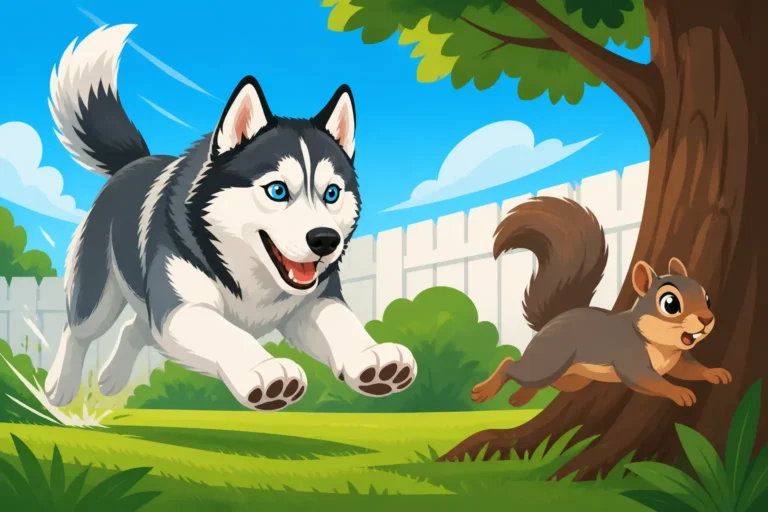
Another huge factor in your Husky’s "selective hearing" is their incredibly strong prey drive. These dogs were bred to pull sleds, but they also needed to be resourceful. If an opportunity arose to chase down a small animal – a squirrel, a rabbit, a cat from next door – their instincts kick in with lightning speed. That rustle in the bushes, that fleeting shadow, becomes far more compelling than your voice calling them back. It’s an almost irresistible urge for them, hardwired into their DNA.
Imagine you're at the park, your Husky is having a grand time sniffing around, and suddenly a rabbit bolts across the field. In that split second, your Husky doesn't calculate the pros and cons of coming back versus chasing. Their ancient hunting instincts take over, and they are off, a blur of fur and motion, completely deaf to your increasingly frantic calls. This isn't a lapse in training; it's a powerful, primal response that requires specific, consistent training and management to overcome or, more realistically, manage effectively. Trying to compete with a rabbit is a losing battle for your voice alone.
The Realities of a Reliable Recall for a Siberian Husky
Let's be realistic: achieving a 100% bomb-proof recall with a Siberian Husky that rivals a Border Collie's instant snap-to attention in every single scenario is incredibly challenging, and for many, an impossible dream. However, building a highly reliable recall, one that works in most situations and dramatically increases their safety, is absolutely within reach with the right approach.
Understanding "Motivation" for a Husky
A lot of dog training hinges on motivation, and with a Husky, you need to bring out the big guns. What motivates your average Golden Retriever might be a polite "good boy!" and a pat on the head. For a Siberian Husky, you're competing with the scent of a distant deer, the thrill of a wide-open field, or the sheer joy of running. Your reward has to be more exciting than all of that combined, or at least a powerful enough incentive to momentarily break their focus on the distraction.
This means high-value treats are non-negotiable, especially in the early stages of training. We're talking cooked chicken, cheese, hot dogs, freeze-dried liver – something they absolutely go crazy for. Praise and affection are great, but alone, they often won't cut it when a squirrel is involved. The reward needs to be instant and spectacular every single time they choose to come back, even if it was a slow, ambling return. If your current treats aren't making them salivate, they're probably not high-value enough to compete. Think about what your Husky really wants, and be prepared to deliver it enthusiastically. Rewards That Beat the Siberian Husky Chase Instinct covers this in more detail.
Starting From Scratch: Building the Foundation
Before you even think about calling your Husky back in a busy park, you need to build a rock-solid foundation in a completely distraction-free environment. This is where most recall training goes wrong – owners expect too much too soon.
Start inside your home, a small, enclosed space where there are no squirrels, no other dogs, and nothing more interesting than you. Have those super high-value treats ready. Get down on their level, use an enthusiastic, happy voice, and give your chosen recall word (something unique, not "come," which they might hear everywhere). The moment they turn towards you or take a step, mark it with a clicker or a verbal "yes!" and immediately shove a treat in their face. Repeat, repeat, repeat. Make it a fun game, not a command. Move to different rooms, increase the distance slightly, always rewarding instantly and generously.
Once they are consistently flying to you inside, move to a securely fenced yard. This is where you introduce very minor distractions. Maybe another family member walking by, or a toy they can see but not play with until they recall. Gradually, and I mean gradually, increase the level of distraction. If they fail, you've gone too fast. Go back to an easier level. It’s a marathon, not a sprint, and every successful recall builds positive association. Building a Siberian Husky Recall Word From Scratch delves into this crucial starting point.
The Art of the Long Line
For many Siberian Huskies, especially during adolescence or for those with an exceptionally strong prey drive, the long line is your best friend. This isn't a punishment; it's a safety tool and a training aid. A 30-foot or 50-foot long line (you can find various lengths on Amazon) allows your Husky to experience a sense of freedom while giving you the ability to gently guide them back if they ignore your call.
Practice your recall with the long line attached in various environments. Let them wander, then call. If they hesitate, gently reel them in while still using your happy recall word. The moment they reach you, massive celebration and treats! This teaches them that even if they're distracted, coming back to you is the best possible outcome. It also prevents them from practicing "blowing you off," which only reinforces the behavior. A crucial aspect of this is never to use the long line to punish them or forcefully drag them back. It should always be a positive experience associated with coming to you. Starting Long Line Work With a Siberian Husky offers more practical advice on this training method.
When Your Husky Still Doesn't Listen: Management Strategies
Even with the best training, there will be times when a Siberian Husky's instincts take over. This is where smart management becomes paramount. Understanding the limits of your dog's training and your ability to control them is key to their safety and your peace of mind.
The Reality of Off-Leash Freedom
For many Siberian Huskies, true off-leash freedom in an unfenced, public area is simply not a safe option. Their roaming instinct and prey drive are too powerful. It's a hard truth for many owners, but acknowledging it is crucial. The risk of them running into traffic, chasing wildlife, or getting lost How Far a Loose Siberian Husky Travels is simply too high. It's not a reflection of your failure as an owner, but an understanding of the breed's intrinsic nature.
Instead of focusing on what you can't do, explore alternatives. Fully fenced dog parks (with vigilant supervision, as Huskies can be escape artists even there), dedicated private dog parks like those available through services like Sniffspot, or long line walks are excellent ways to give your Husky exercise and mental stimulation without putting them in danger. Why a Siberian Husky Cannot Be Trusted Off Leash expands on these critical safety concerns.
Secure Containment is Non-Negotiable
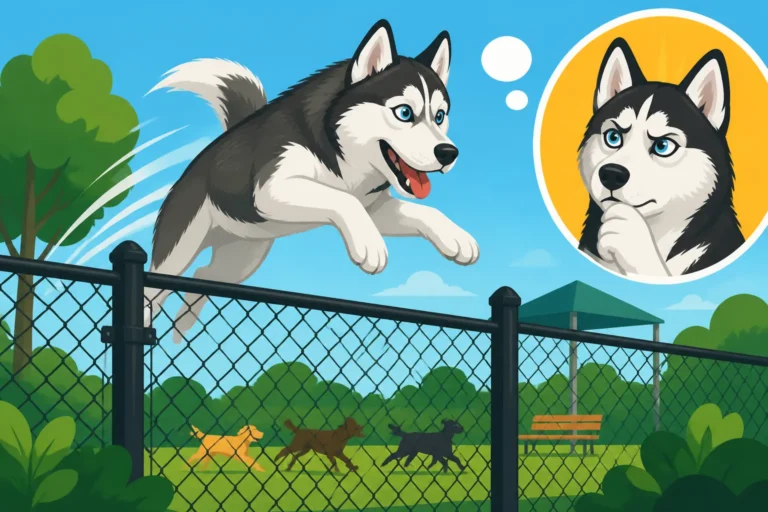
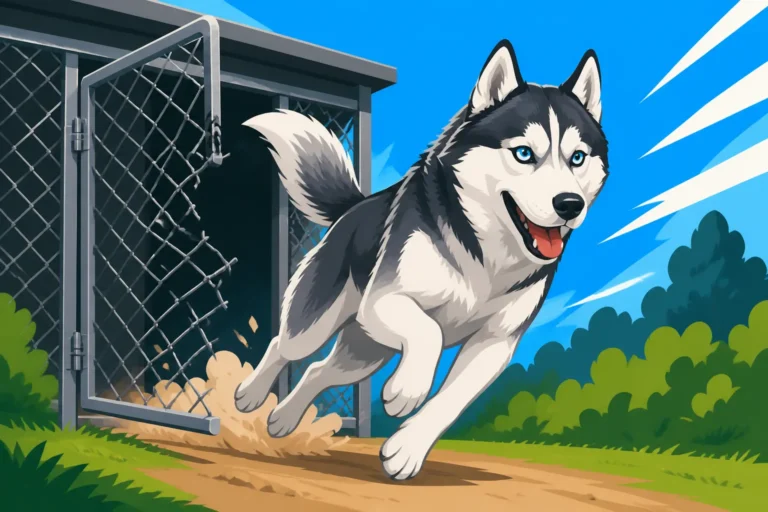
If your Husky is going to spend any time unsupervised in a yard, that yard must be escape-proof. A standard 4-foot fence is little more than a suggestion to a determined Siberian Husky. They are known for their ability to climb, dig, and even figure out gate latches.
Consider a 6-foot fence, and ensure it's either solid or made of a material that's difficult to climb. An "L-footer" or burying chicken wire along the bottom of the fence can deter diggers. Regularly inspect your fence for weak spots. For some, a secure, covered kennel run might be the safest option for short periods. This isn't about being cruel; it's about protecting a dog whose instincts compel them to explore beyond boundaries. Many a heartbreak has started with a Husky who simply "got out" through a seemingly minor flaw in fencing. Stopping a Siberian Husky From Escaping the Yard provides detailed strategies for making your yard secure.
The Emergency Stop Cue
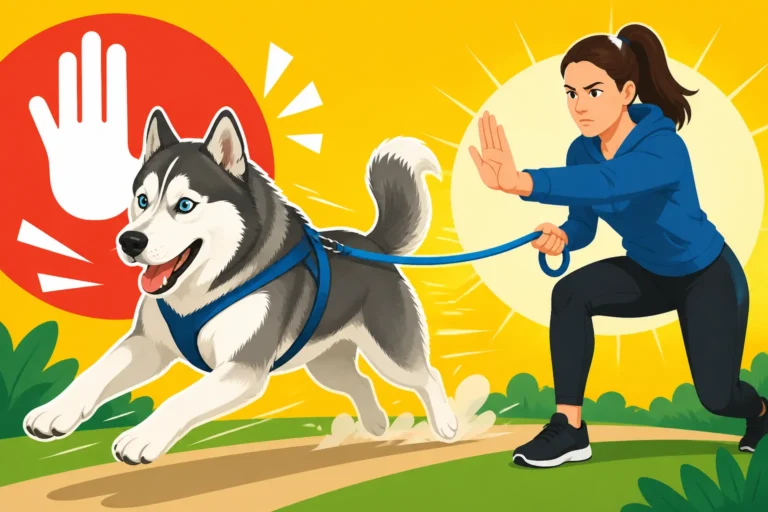
While a general recall is important, an "emergency stop" or "emergency down" cue can be a literal lifesaver. This is a command you never use casually, only in high-stakes situations. It needs to be conditioned with the absolute highest value rewards and practiced very selectively to maintain its power.
The idea is that when you use this specific, rarely-used cue, your Husky instantly drops whatever they're doing and comes or drops to the ground, no questions asked. This might be a double whistle, a unique word, or a specific hand signal. Practice this in controlled environments, making it incredibly rewarding when they respond. The goal is to create such a powerful positive association that it overrides even the strongest distractions in a true emergency. This is a tool you hope you never need, but are profoundly grateful for if you do.
Advanced Training and Ongoing Reinforcement
Training is never really "done" with a Siberian Husky. Their independent nature means that consistent reinforcement and making yourself more interesting than the environment are ongoing tasks.
Making Yourself the Most Exciting Thing
One of the biggest hurdles is that Huskies often find the world more interesting than their human. To combat this, you need to become the source of all good things. Carry treats on every walk. Randomly call them for a treat and enthusiastic praise, even when they're not explicitly "ignoring" you. Play engaging games like hide-and-seek in the house or a securely fenced area, where finding you results in a jackpot of treats and praise.
Vary your rewards beyond just food. Maybe it's a quick game of tug, their favorite squeaky toy, or a few minutes of intense belly rubs. The more unpredictable and exciting you are, the more likely your Husky will want to engage with you and respond when called. Remember, their minds are always active, and if you're not stimulating them, they'll find their own entertainment, which often involves running away.
When to Seek Professional Help
If you're struggling to make progress with your Husky's recall, don't hesitate to seek professional help. Not all dog trainers understand the unique challenges of training a high-drive, independent breed like the Siberian Husky. Look for trainers who have experience with northern breeds or working dogs. They can offer tailored strategies, help identify specific triggers for your dog, and provide hands-on guidance.
Online resources, like programs offered by BAXTER & Bella, can also provide structured guidance for owners who might not have access to local trainers experienced with Huskies. The key is to find someone who understands that a Husky's "stubbornness" is often intelligent independence and a strong will, rather than a lack of desire to please. A good trainer will help you harness that drive in a way that benefits both you and your dog.
| Recall Training Stage | Environment | Distractions | Rewards |
|---|---|---|---|
| Stage 1: Foundation | Quiet indoor space | None | High-value treats, enthusiastic praise |
| Stage 2: Yard Practice | Securely fenced yard | Minor (family member, distant toy) | High-value treats, enthusiastic praise |
| Stage 3: Long Line | Secure, larger area (e.g., private field) | Moderate (distant people, interesting smells) | Jackpot treats, excited praise, quick play |
| Stage 4: Advanced | Secure dog park, trails (always supervised) | High (other dogs, wildlife scents) | Varied jackpot treats, special toys, interactive play |
| Emergency Recall | Anywhere, used only in critical situations | Extreme (anything that poses danger) | Ultimate jackpot, immediate release from danger |
Remember, every Husky is an individual, and what works for one might need adjustment for another. The journey to a reliable recall is a commitment, but the peace of mind it brings is invaluable.
Disclaimer
This article is for general informational purposes only and does not constitute professional advice. Laws, prices and regulations vary by location and change over time. Consult a qualified professional for guidance on your specific situation.