Rewards That Beat the Siberian Husky Chase Instinct
Let's be honest, trying to get a Siberian Husky to come when called, especially when something exciting has caught their eye, can feel like shouting into the wind. We've all been there: that moment your Husky spots a squirrel, a distant dog, or even just an interesting leaf, and suddenly, your voice might as well be background noise. It's incredibly frustrating and, let's face it, genuinely scary when their chase instinct kicks in and they’re off. This guide is all about tackling that powerful drive by understanding what truly motivates your intelligent, independent Husky and how to use those rewards to build a rock-solid recall, even against their strongest urges.
Understanding the Siberian Husky's Chase Instinct
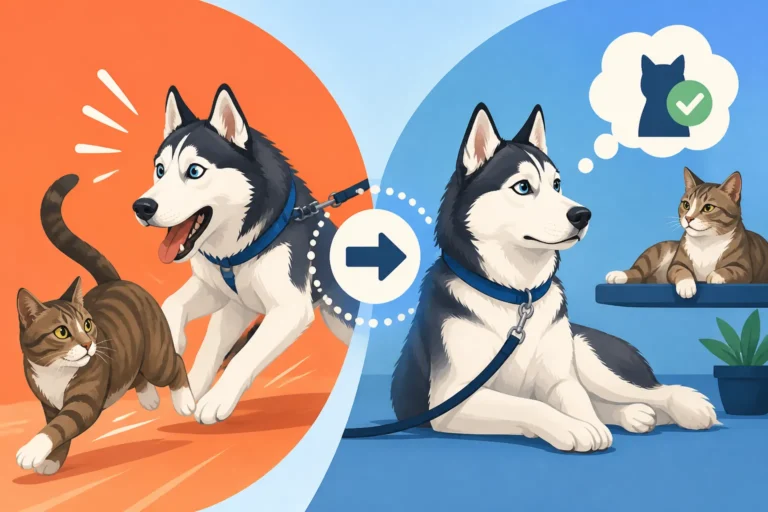
The chase instinct in a Siberian Husky isn't just a quirk; it's a fundamental part of who they are, woven deep into their genetic makeup. Ignoring or underestimating this drive is a common mistake many new Husky owners make, often leading to heart-stopping moments or worse. You might wonder why your perfectly well-behaved Husky suddenly turns a deaf ear the moment a small furry creature dashes across the park. It's not defiance; it's instinct.
Why the Chase is So Powerful for Huskies
Think about the origins of the Siberian Husky. They were bred by the Chukchi people for centuries to pull light loads quickly over vast, often barren, distances. This required incredible endurance, sure, but also a keen sense of observation and the ability to operate somewhat independently from their driver, making their own decisions about the best path forward. Part of that primitive package also included a strong prey drive. These dogs were often responsible for finding their own food, or at least supplementing their diet, in harsh environments. That little squirrel darting across the grass isn't just a distraction; it's a primal echo of survival, an opportunity that their ancestors wouldn't have dared to ignore.
This inherent drive means that the act of chasing itself is incredibly self-rewarding for a Husky. The thrill of the hunt, the burst of speed, the mental engagement – it's a cocktail of pure joy for them. It’s hardwired. It’s not about being "stubborn" or "disobedient" in the human sense; it’s about responding to millions of years of evolutionary programming that says "chase!" much louder than your voice ever could. This is why you simply cannot trust a Siberian Husky off leash without extensive, dedicated training and management, and even then, there are very specific conditions under which it's safe. Why a Siberian Husky Cannot Be Trusted Off Leash delves deeper into this inherent trait.
The Limitations of "Good Dog!" Alone
We love our Huskies, and they love us back, often showering us with affection and playful antics. When they do something right, our first reaction is often a heartfelt "Good dog!" or a quick pat. While verbal praise and physical affection are crucial for bonding and general training, they often fall short when stacked against the intense lure of the chase.
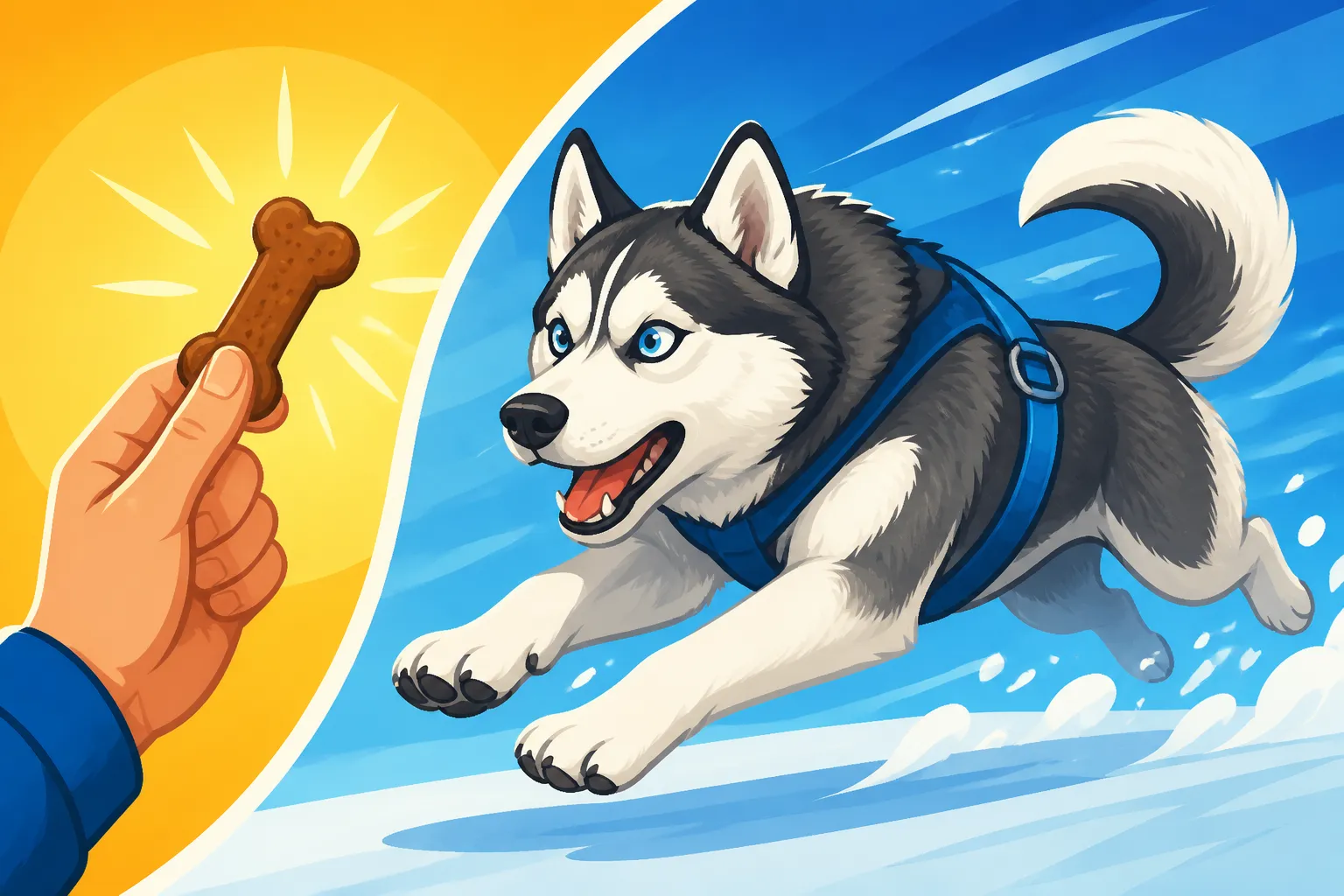
Imagine your Husky is locked onto a rabbit disappearing into the brush. In that moment, the neurological reward they are anticipating from the chase—the rush of adrenaline, the primal satisfaction—is astronomically higher than the momentary pleasure of your "good boy!" and a head scratch. For many breeds, a loving tone and a treat might break the spell. For a Husky, it's often a mere whisper against a roar. This isn't to say praise is useless; it's foundational. But when building a recall that needs to trump instinct, you need to bring out the big guns in the reward department. The everyday rewards need to become extraordinary when competing with the ultimate "fun" of a chase.
The Stakes of a Failed Recall
It might sound dramatic, but a failed recall with a Siberian Husky isn't just an inconvenience; it can be life-threatening. These dogs are fast, agile, and have an uncanny ability to navigate complex terrain. Siberian Husky Deaths From Trauma and Escape are tragically common because their desire to explore and chase can lead them into dangerous situations.
When your Husky bolts, they often run without looking back, sometimes for miles. They don't typically have the same "return to owner" instinct many other breeds possess once they've engaged in a chase. This means they are vulnerable to cars, getting lost, encountering aggressive wildlife or other dogs, or even being mistaken for strays and picked up by animal control. The potential for injury, death, or simply getting lost forever is very real. Therefore, investing time and the right rewards into a reliable recall is not just about convenience, but about your Husky's safety and longevity.
High-Value Rewards That Truly Motivate a Siberian Husky
To stand a chance against the formidable chase instinct, your rewards need to be genuinely high-value – something so appealing that your Husky will choose you over the squirrel, the deer, or the freedom of the open road. This isn't about bribery; it's about making the right choice undeniably the best choice for your dog.
Food Rewards: Beyond the Basic Biscuit
For most Huskies, food is a powerful motivator, but not all food is created equal when you're competing with a primal urge. Dry kibble, while perfectly fine for everyday training indoors, rarely cuts it when outdoor distractions are high. We need to think like our Huskies and offer them something truly irresistible.
- Boiled Chicken Breast or Liver: This is often the gold standard. Cooked chicken, especially slightly shredded, has a strong scent and is easy for a dog to gobble down quickly without losing focus. The same goes for boiled liver, which is like crack for many dogs. Cut these into pea-sized pieces to ensure they are consumed fast and don't fill your Husky up too much, which can reduce motivation.
- Cheese: Many Huskies are huge fans of cheese. Small cubes of cheddar, mozzarella, or string cheese can be incredibly enticing. Just be mindful of the fat content and offer it in moderation.
- Hot Dogs or Sausage: Again, the strong smell and meaty texture are big wins. Choose low-sodium varieties and cut them into tiny pieces.
- Sardines or Tuna (in water): The intensely fishy smell can be a powerful draw for some Huskies, especially when other treats fail. These are often messy but highly effective.
- High-Value Commercial Treats: There are many commercially available soft, meaty treats designed to be high-value. Look for options with strong odors and soft textures that can be quickly consumed. Brands like Zuke's Mini Naturals or Wellness Soft Puppy Bites are often good choices for small, potent rewards.
Remember, the goal is not to feed your Husky a full meal of treats but to give them a concentrated burst of deliciousness. Keep these rewards special – don't use them for everyday "sit" commands. Save them specifically for recall training, especially when practicing in distracting environments. Food Rewards a Siberian Husky Will Work For explores more options.
Play and Toy Rewards: Tapping into Their Drive
Not every Husky is solely motivated by food. Many are highly toy-driven, and you can absolutely harness this drive to your advantage. The key is to make the toy a shared, interactive experience with you.
- Tug Toys: A good, sturdy tug toy can be an incredibly powerful reward. The act of tugging with you allows them to engage their natural predatory instincts in a controlled, appropriate way. After a successful recall, a quick, enthusiastic game of tug (always initiated and ended by you) can be a fantastic reward. Look for durable, robust tug toys, perhaps from a selection found on Amazon, that can withstand a Husky's powerful jaws.
- Squeaky Toys: For some Huskies, the high-pitched squeak is irresistible. A quick squeak-and-toss after a recall can reinforce the desired behavior. The trick is to not leave the squeaky toy out all the time, making it a special reward.
- Flirt Poles: These are essentially a stick with a lure (often a fuzzy toy or rag) attached to a rope. They mimic prey movement and are fantastic for burning off energy and channeling chase drive. A few minutes of flirt pole play can be an excellent jackpot reward for a stellar recall. You can easily find various durable flirt poles that stand up to enthusiastic play.
- The "Chase Me" Game: Ironically, sometimes the best reward for a Husky who loves to chase is you chasing them (briefly!) or letting them chase you (in a safe, contained area). Make it a fun, silly game for a few seconds after they've returned. This taps into their core drive in a positive way.
When using toy rewards, the key is the interaction. You are part of the fun. The toy itself isn't the reward; the game with you is. This strengthens your bond and teaches them that coming back to you leads to exciting play.
Environmental and Activity Rewards
Sometimes, the most powerful reward isn't something you can hold in your hand, but an opportunity or access to a desired activity. These can be incredibly effective because they tap directly into what your Husky wants to do.
- Access to a Sniffing Spot: If you're on a walk and your Husky has given you a great recall, reward them by releasing them to investigate that super interesting patch of grass or bush they were eyeing. Say "Go sniff!" and let them have a few glorious seconds. This teaches them that coming to you earns them the freedom to do what they enjoy.
- Permission to Run on a Long Line: For a Husky who lives for running, a successful recall during a session on a long line could be rewarded by a joyful "Free!" cue and allowing them to sprint the full length of the line for a minute or two before calling them back again. This is a controlled way to let them enjoy their natural speed.
- Greeting a Friendly Dog: If your Husky loves other dogs and gives you an excellent recall when another dog approaches, the reward could be permission to go say hello (if the other dog and owner are amenable). This needs careful management, but for a dog-social Husky, it's a huge motivator.
- Opening the Door to the Yard: For a Husky who adores playing in the yard, a prompt recall from inside the house to the back door could be immediately followed by opening the door and letting them race outside. The freedom of the yard becomes the reward.
These rewards require you to be attuned to what your individual Husky values most at that moment. They teach your Husky that you are the gatekeeper to all the good things in their world, making coming to you a highly beneficial action.
Strategically Using Rewards in Recall Training
Having the right rewards is only half the battle; knowing how to use them effectively is the other, equally crucial part. With a Siberian Husky, precision and consistency in your reward strategy can make all the difference between a hit-or-miss recall and one you can truly depend on.
Timing is Everything: Instant Gratification
When it comes to training any dog, but especially an independent and highly driven breed like a Husky, timing your reward is paramount. The reward must be delivered immediately – within 1-2 seconds – of your Husky performing the desired action (i.e., turning towards you and coming back). If there's a delay, even a slight one, your Husky might not associate the reward with the recall itself, but rather with whatever they were doing right before they received the treat, or even with the act of sitting down after they came back.
This instantaneous connection helps them understand, "Ah, coming back to human right now gets me that amazing chicken!" If they have to wait, they might think, "Coming back eventually and then sitting gets me the chicken," which isn't nearly as effective for urgent recall situations. Practice in a low-distraction environment first, so you can easily mark the moment they turn and start moving towards you, then deliver the reward swiftly.
The "Jackpot" Reward System
For a breed that is constantly evaluating whether it's worth their while to engage with you versus the fascinating world around them, a "jackpot" reward system can be incredibly powerful. A jackpot isn't just one high-value treat; it's a flood of them, or an extended burst of their favorite play.
- When to Use It: Reserve jackpots for truly exceptional recall attempts. This means:
- A recall in a highly distracting environment (e.g., passing a running child, a distant dog, or even a tempting pile of leaves).
- A recall when they were deeply engrossed in something else (e.g., intently sniffing a bush, digging a hole).
- Their first few recalls in a new, more challenging location.
- Anytime they respond with lightning speed and enthusiasm.
- How to Deliver It: Instead of one piece of chicken, give them five or ten pieces in quick succession. Or follow the recall with a minute of vigorous tug-of-war. Make it clear that this particular recall was above and beyond, and they hit the lottery. This creates a strong positive emotional memory associated with choosing you over the distraction. It makes them think, "Wow, coming back to my human can be even better than chasing that squirrel!"
This system ensures that when they really dig deep to ignore an instinctual urge, they are lavishly rewarded, reinforcing that choice dramatically.
Varying Rewards to Keep Interest High
Imagine eating the same meal every single day. Eventually, even your favorite dish would become boring. The same goes for your Husky's rewards. If you always use the exact same treat or the exact same toy, your independent Husky might start to lose interest, especially when faced with novel distractions.
- Rotate Your High-Value Treats: Don't use boiled chicken every single time. Switch it up with cheese, hot dogs, or sardines. Keep them guessing and excited about what delicious surprise might come next.
- Mix Food and Play: One session might involve mostly food rewards, the next might incorporate more play. Sometimes, a quick food treat is followed by a short burst of tug. This keeps training dynamic and engaging.
- Introduce New Rewards: Occasionally bring out a brand new high-value treat or a novel toy they've never seen before. Novelty can be a powerful motivator for a curious Husky.
By varying your rewards, you keep your Husky's motivation high and prevent them from becoming complacent or predictable in their responses. They learn that coming back always leads to something good, and that "good" might be wonderfully different each time. Keeping a Siberian Husky Interested in Training offers more insights into managing their engagement.
Phasing Out Food (Slowly) for Life Rewards
The ultimate goal of recall training isn't for your Husky to forever rely on you having a pocketful of hot dogs. It's to build a recall so strong that the act of coming to you, the connection with you, and the access to life's privileges become the reward itself. However, with a Husky, this phasing out is a very, very gradual process and often never fully replaces the need for occasional high-value food or play, especially in high-distraction environments.
- Gradual Reduction: Once your Husky has a consistently reliable recall in a variety of environments, you can start to gradually reduce the frequency of the highest-value food rewards. This means you might give a jackpot for 1 out of 3 stellar recalls, and a slightly lower-value treat for the others, or sometimes just enthusiastic praise and a quick pat.
- Pairing with Life Rewards: Actively pair your verbal praise and lower-value treats with environmental rewards. For example, recall your Husky, praise them, give a small treat, and then immediately give them permission to "Go sniff!" or "Go play!" This builds the association that coming to you leads to the things they enjoy.
- Maintaining the "Jackpot": Even when you've reduced the frequency of high-value rewards, you should always keep the jackpot concept in your back pocket. For those moments when your Husky truly excels, or when the distraction is overwhelmingly tempting, pull out the ultimate reward to reinforce that incredible choice. For instance, if your Husky comes back from the edge of the woods where a deer just ran, that absolutely warrants a massive jackpot.
With a Siberian Husky, you might never completely phase out the need for tangible rewards in highly distracting situations, and that's perfectly okay. What you're aiming for is a dog who chooses to come back because they've learned it's the most rewarding decision they can make. The Recall a Siberian Husky Will Actually Give You delves into the realistic expectations for a Husky's recall.
| Reward Type | Examples | Pros for Huskies | Cons for Huskies |
|---|---|---|---|
| High-Value Food | Boiled chicken, cheese, hot dogs, sardines, soft meaty commercial treats | Strong scent, quick consumption, directly taps into primal feeding drive, easy to carry | Can be messy, calorie count needs management, can lose novelty if overused |
| Interactive Play | Tug toys, squeaky toys, flirt poles, "chase me" games | Taps into prey drive, builds bond, burns energy, very self-rewarding | Requires handler participation, can be distracting to other dogs/people nearby |
| Environmental | Access to sniffing spots, off-leash running (on long line), greeting friendly dogs | Directly rewards what the Husky wants to do, promotes handler as "giver of good things" | Requires careful management, timing, and appropriate environment |
Practical Tips for Maximizing Reward Effectiveness
Beyond what rewards you use, how you integrate them into your daily routine and training sessions will significantly impact their effectiveness. Huskies are smart and observant; they pick up on patterns, and they learn quickly what pays off.
Consistency and Predictability
For any training to be successful with a Husky, consistency is key. You can't expect a reliable recall if you only reward them sometimes or if your rewards are unpredictable. If they come when called and sometimes get a treat, sometimes get a pat, and sometimes get nothing, they quickly learn that responding isn't always worth the effort.
- Every Recall, Every Reward: Especially in the initial stages of training, make sure every successful recall is rewarded. It doesn't always have to be a jackpot, but it should always be something. Even if it's just enthusiastic praise and a quick, happy petting session, let them know they did something right.
- Consistent Cues: Always use the same recall word or sound. "Come!" "Here!" "Front!"—pick one and stick with it. If you use different words, your Husky will become confused and less likely to respond quickly. Building a Siberian Husky Recall Word From Scratch offers advice on establishing a strong cue.
- Consistent Expectations: Make sure everyone in the household uses the same rewards and recall methods. If one person lets the Husky slide, it undermines the training for everyone. Consistency builds trust and makes the desired behavior a reliable habit.
Avoiding Accidental Rewards for Bad Behavior
One of the trickiest parts of training Huskies is their ability to manipulate situations to their advantage, often inadvertently teaching us to reward their less-than-ideal behaviors.
- Never Recall for Punishment: If your Husky comes to you and you then scold them, put them away, or do something else they dislike, you are actively punishing the act of recall. This is perhaps the fastest way to destroy any recall you've built. Your recall cue should always predict good things. If you need to put them on a leash to leave the park, reward them when they come, then calmly attach the leash. The leash isn't the punishment; the ending of the fun might be, but the recall itself still led to a reward.
- Don't Chase Your Husky: If your Husky has bolted, chasing them almost always makes it worse. It turns it into a fun game for them—a game you initiated. You are literally rewarding their escape with a chase. Instead, try running away from them, falling to the ground dramatically, or calling them in an excited, playful tone. Make yourself the most interesting thing. Why Chasing a Loose Siberian Husky Makes It Worse provides more context.
- Manage the Environment: Prevent your Husky from practicing bad recall habits in the first place. Use a long line in unfenced areas to give them freedom of movement while maintaining control. Practice recall in a secure, fenced field where distractions are manageable. Practicing Siberian Husky Recall in a Fenced Field is an excellent strategy.
Incorporating Professional Guidance
Siberian Huskies are a unique breed, and their independence, intelligence, and prey drive mean they often benefit from specialized training approaches. If you're struggling to make progress with recall, don't hesitate to seek professional help.
- Breed-Specific Trainers: Look for trainers who have extensive experience with independent working breeds like Huskies. They understand the nuances of their motivation and what strategies are most effective. They can help you fine-tune your reward system and troubleshoot specific challenges you're facing.
- Online Resources: Many excellent online dog training programs are available that cater to various breeds and training levels. Some, like programs offered by BAXTER & Bella, provide structured, comprehensive guidance that can be adapted for a Husky's unique learning style, often emphasizing positive reinforcement and engagement. These can be a great complement to in-person training or a starting point if local trainers are scarce.
- Behaviorists: For more deeply ingrained recall issues or severe prey drive concerns, a certified veterinary behaviorist can offer tailored plans and, if necessary, discuss medication in conjunction with training.
Remember, asking for help isn't a sign of failure; it's a sign of a responsible and dedicated owner who wants the best for their Husky.
The Role of Gear in Managing the Instinct
While rewards are crucial for training recall, appropriate gear is essential for managing your Husky's chase instinct and ensuring their safety, especially during the learning process. Gear is a management tool, not a training replacement.
- Long Lines: A long line (15-50 feet) is indispensable for recall training. It allows your Husky to experience a sense of freedom while giving you a safety net. You can practice recalls with distractions, knowing you can always reel them in if they don't respond. Always use a harness with a long line, never just a collar, to prevent injury to their neck if they hit the end of the line. Long Lines and Recall Gear for a Siberian Husky offers guidance on selection and use.
- Secure Harnesses: A well-fitting, escape-proof harness is vital for any Husky, whether on or off a long line. Their ability to slip out of collars is legendary. Look for harnesses with multiple points of adjustment and a snug fit.
- GPS Trackers: For added peace of mind, especially during early training or in new environments, a GPS tracker collar can be a lifesaver. It won't prevent them from bolting, but it can dramatically increase your chances of finding them if they do get loose. Many effective and lightweight trackers are available, often sold through retailers like Amazon.
By combining high-value rewards with consistent training and responsible management tools, you can build a more reliable recall and enjoy a safer, more connected life with your adventurous Siberian Husky.
Disclaimer
This article is for general informational purposes only and does not constitute professional advice. Laws, prices and regulations vary by location and change over time. Consult a qualified professional for guidance on your specific situation.