Whether a Second Husky Settles the First One
It’s a common scenario: you have one high-energy Siberian Husky who seems a little bored, a lot destructive, or perhaps just incredibly demanding of your attention. You might find yourself gazing fondly at pictures of two Huskies curled up together, dreaming that a second one will magically 'settle' your first, provide endless companionship, and curb those challenging behaviors. While the idea is lovely, the reality is often far more complex, and sometimes, even the opposite of what we hope. This guide will walk you through the hopes, the realities, and the crucial considerations before deciding if adding a second Husky is the right move for your existing companion and your household.
The Hope and the Reality: Why Owners Consider a Second Husky
The allure of a multi-dog household, especially with two beautiful Siberian Huskies, is strong. We picture them playing harmoniously, keeping each other entertained, and perhaps even "correcting" each other's less desirable habits. This vision often stems from very real frustrations with a single Husky's behaviors.
Addressing Perceived Loneliness and Boredom
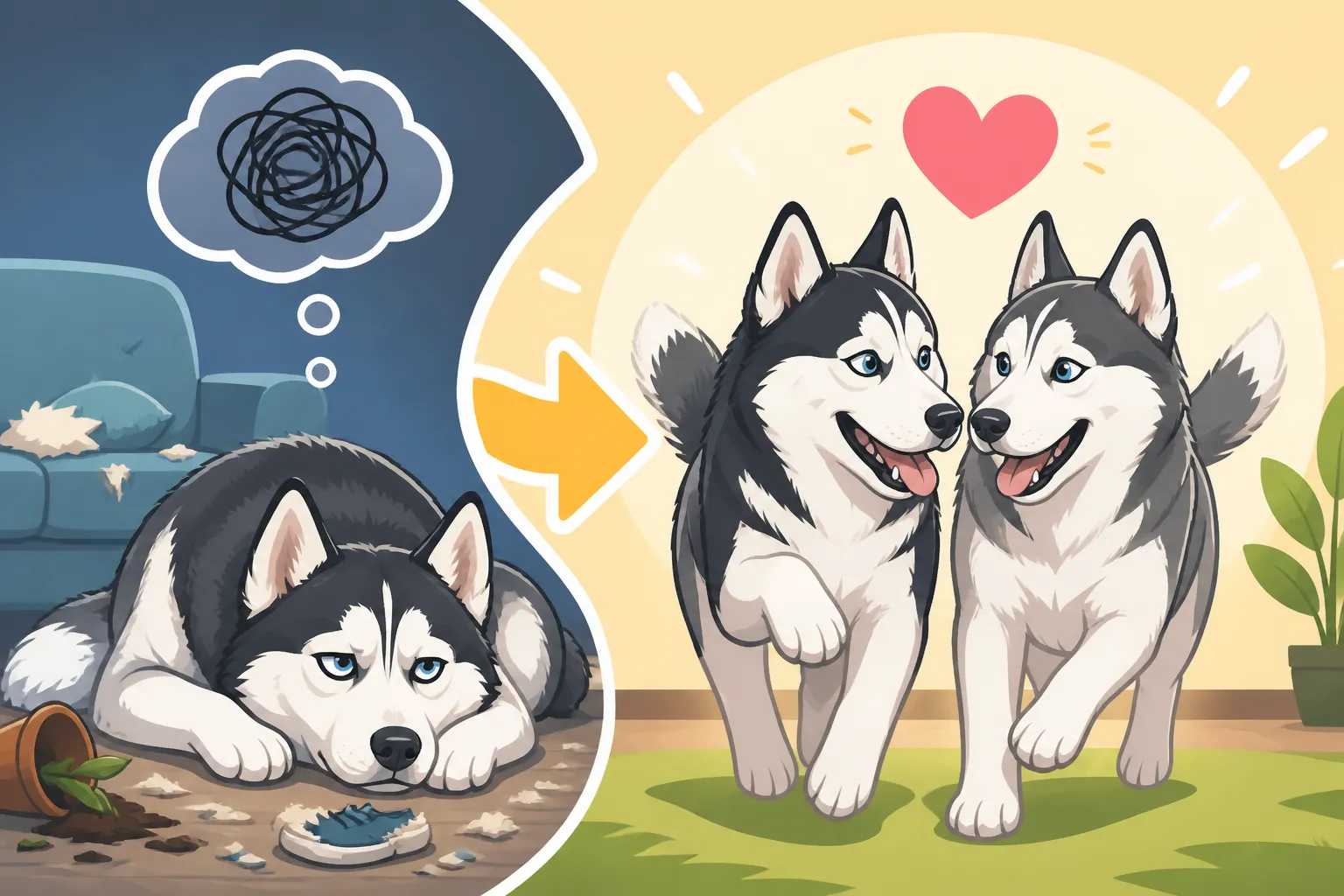
Many Husky owners grapple with dogs who seem to struggle when left alone. Your single Siberian Husky might be vocal, howling lamentably as you leave, or express their unhappiness through destructive chewing that turns your favorite couch into a pile of fluff. It’s heartbreaking to think your beloved companion is lonely or bored, and the natural human instinct is to provide them with a friend.
We often project our own social needs onto our dogs, imagining that a solo Husky, left to their own devices, must be pining for companionship. This leads to the thought that another Husky, with its similar energy levels and play style, would be the perfect solution. Owners hope the new addition will fill that void, provide constant mental stimulation, and reduce the behaviors born of loneliness or under-stimulation. The promise of two furry friends curled up together, rather than one pacing restlessly by the door, can be incredibly appealing.
The Desire for a Built-in Playmate
Let’s be honest, keeping up with a single Siberian Husky’s exercise needs is a full-time job. They’re bred for endurance, not short sprints, and their energy seems endless. You might find yourself exhausted after a long run or hike, only for your Husky to look at you with bright eyes, ready for round two. The idea of a second Husky who can take on some of that play burden, engaging in wrestling matches and games of chase, is incredibly attractive.
Imagine: instead of you being the sole source of entertainment, your Huskies could spend hours tumbling in the yard, burning off that signature Husky energy without requiring constant human intervention. This vision suggests a world where you might finally get to sit down for a cup of coffee without an insistent paw tapping your knee. It’s a dream of independent, self-sufficient play that frees up some of your precious time while ensuring your dogs are adequately stimulated and tired.
Understanding Siberian Husky Pack Dynamics and Temperament
Before diving headfirst into the multi-Husky dream, it’s crucial to understand the unique temperament and social structures of this magnificent breed. Huskies are not like all other dogs, and their pack dynamics can be complex.
The Independent Nature of the Siberian Husky
While Huskies are undoubtedly social creatures who often thrive in groups (they were, after all, bred to run in teams), their social nature often manifests differently than, say, a highly people-dependent retriever. A Siberian Husky is known for its independent spirit and often its selective listening. They are thinkers, problem-solvers (especially when it comes to escaping!), and can be quite self-sufficient. This independence means that while they enjoy companionship, they might not always seek it in the way we expect, or it might not necessarily "fix" a behavioral issue that stems from something deeper than simple loneliness.
They form bonds with their human families and often with other dogs, but their pack structure can be more nuanced. They respect leadership, but they also have their own ideas. This isn't a breed that will blindly follow just because another dog is doing it. Their strong will means that if one Husky has a bad habit, the other isn't necessarily going to "correct" it; they might just join in. For example, if your current Husky is a master escape artist, having a second one might just mean you now have two master escape artists collaborating on their next great breakout. The Roaming Instinct Bred Into Every Siberian Husky is deeply ingrained, and having a buddy might just make an escape more exciting.
Potential for Same-Sex Aggression
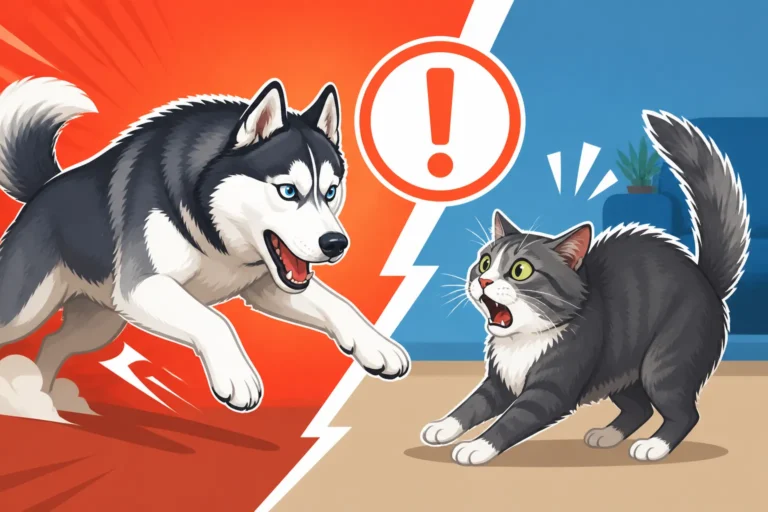
This is one of the most significant and often overlooked considerations when adding a second Husky, particularly if you're looking at pairing two males or two females. Siberian Huskies, more so than many other breeds, can exhibit same-sex aggression, especially once they reach maturity. What starts as playful roughhousing between two young dogs can, as they age and hormones shift, escalate into serious, potentially dangerous fights.
Imagine two powerful, independent female Huskies who, initially, tolerate each other. Over time, as they mature, small squabbles over toys or attention might escalate into serious fights requiring vet visits and even permanent separation within the home. Or two male Huskies, particularly if one or both are unneutered, might see each other as rivals for dominance or resources, leading to constant tension or explosive confrontations. This isn't always about outright aggression from day one; it can be a slow burn of subtle tension that eventually erupts. It’s a heartbreaking situation to face, especially when you’ve invested so much love and hope into creating a harmonious home. Careful thought must be given to Same-Sex Siberian Husky Pairs.
Doubling Down on the "Siberian" Instincts
When you bring a second Siberian Husky into your home, you're not just adding another dog; you're doubling down on all the unique, sometimes challenging, traits that make a Husky, well, a Husky. Their high prey drive, their incredible escape artistry, their vocal nature, and their boundless energy—these traits don't get diluted by the presence of another Husky. More often than not, they get amplified.
If your current Husky already struggles with Siberian Husky Prey Drive Around Small Animals, having a second one with a similar instinct means you'll need double the vigilance. If one is prone to digging under fences, the other might learn the trick and you'll find a coordinated effort to breach your perimeter. The chorus of howling you hear when the mail carrier comes might become a full-blown canine opera. Instead of settling, your first Husky might just find a partner in crime, making management and training even more complex.
When a Second Husky Might Help (and When it Won't)
The decision to add a second Husky is not to be taken lightly. There are specific circumstances where it might genuinely be a positive step, and many more where it could simply compound existing issues.
Situations Where a Companion Could Be Beneficial
A second Husky could be beneficial if your current Husky genuinely suffers from separation anxiety, manifesting as extreme distress when alone, rather than just boredom-driven destruction. True separation anxiety is a panic response, not simply mischievousness. In such cases, the constant, calm presence of a compatible canine companion might provide immense comfort. However, this is rare, and usually, the issues are more related to under-stimulation or lack of proper training.
Furthermore, if you, as the owner, have ample time, space, and financial resources to truly dedicate to two high-energy, demanding dogs, then introducing a companion could work. This means having the capacity for double the training, exercise, and individual attention. The key is choosing a compatible second dog: a different sex (to mitigate same-sex aggression), an appropriate age (sometimes an older, calmer dog can be a good influence on a younger, more exuberant one, or vice-versa), and a temperament that complements, rather than clashes with, your existing Husky.
When a Second Husky Magnifies Existing Problems
Here’s the hard truth: if your first Husky has unresolved behavioral issues—think chronic destruction, persistent escape attempts, excessive howling, or reactivity towards other dogs—adding a second Husky is highly unlikely to "fix" these problems. In fact, it's far more probable that the second Husky will learn these undesirable behaviors from the first, effectively creating double the trouble. A bored, untrained Husky engaging in The Mischief a Siberian Husky Is Known For can become two bored, untrained Huskies working together.
Consider a Husky that chews drywall or counter-surfs out of boredom. Introducing another might just teach the second one the tricks of the trade. If your yard isn't secure enough for one Husky, it's definitely not secure enough for two. A second Husky doesn't magically bestow good behavior or dilute bad habits. Instead, it often provides an accomplice. Unless you have effectively addressed and managed the existing behavioral challenges of your first Husky, adding a second one is a recipe for increased stress, frustration, and potential chaos in your home.
Practical Considerations Before Bringing Home Another Husky
The decision to add a second Siberian Husky isn't just about bringing home another cute face; it's a significant commitment that impacts every facet of your life with your dogs.
Double the Time, Double the Training
This is perhaps the most critical consideration. You might think, "I already walk one Husky, what's another?" But it's rarely that simple. Two Huskies require significantly more dedicated time for exercise, individual attention, and, crucially, training. Each dog needs one-on-one training sessions to reinforce good manners and obedience, especially something as vital as a reliable Teaching a Siberian Husky to Come Back. Then, they need sessions where they learn to behave together. This means separate walks, group walks, separate training, and group training.
Their infamous independence means that consistent, positive reinforcement training is paramount. You might find a program like BAXTER & Bella’s online puppy training invaluable, not just for a new puppy, but for refreshing skills and addressing specific challenges with both dogs. You'll be working on Siberian Husky Leash Work Against a Pulling Instinct for two dogs, potentially at the same time, which is a major feat of strength and patience! It's not just physical exercise; mental stimulation is equally important for both. This means double the puzzle toys, double the training sessions, and double the brain games to keep those intelligent minds engaged and out of trouble.
Financial and Logistical Impact
Let's talk dollars and sense. Adding a second Husky means every single recurring cost associated with dog ownership is effectively doubled. Food bills, vet visits (routine wellness checks, vaccinations, and unexpected emergencies), parasite preventatives, durable toys (you'll be visiting Amazon often for indestructible options!), grooming supplies, and even boarding costs when you go on vacation. It all adds up, quickly. Take a moment to truly assess The Yearly Cost of Owning a Siberian Husky and then multiply it.
Logistically, your home and yard need to be prepared for two. This almost certainly means reinforcing your fence, potentially adding an L-footer or coyote rollers to prevent digging and climbing. The Fence Bill a Siberian Husky Forces can be substantial, and for good reason—two Huskies working together are formidable escape artists. Consider Siberian Huskies That Dig Under Fences, and how quickly they might tunnel out. Your vehicle might need to accommodate two large crates for safe travel. Everything from vet appointments to vacation planning becomes more complex with a second dog.
| Aspect | Single Husky Experience | Two Huskies Experience (Potential) |
|---|---|---|
| Companionship | May show signs of boredom/loneliness when alone. | May provide companionship, or simply escalate mischief. |
| Exercise Needs | Requires significant owner-led exercise daily. | May play together, but still needs individual and tandem exercise. |
| Behavioral Issues | Destructive chewing, howling, escape attempts. | Can amplify existing issues, teaching bad habits to the new dog. |
| Training Time | Dedicated time for one dog's obedience and recall. | Double the time for individual training, plus tandem work. |
| Prey Drive | Managed vigilance around small animals. | Heightened challenge, potential for coordinated hunting efforts. |
| Social Dynamics | Generally friendly with other dogs, but independent. | Risk of same-sex aggression, complex pack hierarchy. |
| Cost (Annual) | Significant for food, vet, gear. | Double (or more) for all categories, plus potential emergencies. |
| Home Security | Strong, escape-proof fencing. | Even stronger, escape-proof fencing, possibly internal barriers. |
Strategic Selection of the Second Dog
If, after careful consideration, you decide to move forward with a second Husky, the selection process is paramount. Do not simply pick the cutest puppy you see. Temperament matching is key. Consider adopting an adult Husky from a reputable rescue organization. Rescues often have a thorough understanding of their dogs' personalities and can help you find a suitable match for your existing Husky. Asking What to Ask a Siberian Husky Rescue Before Adopting is crucial here. They can also offer insights into how their rescues interact with other dogs and their energy levels.
Look for a dog whose temperament complements your current Husky, rather than mirrors any challenges. If your Husky is boisterous, a calmer, more laid-back (but still active!) companion might be a better fit. If your Husky is shy, an overly dominant second dog could create stress. Take your existing Husky to meet potential new additions on neutral territory, observing their interactions carefully. This is a big decision, and taking the time to find the right second dog, rather than just any second dog, will greatly increase your chances of success and a harmonious household. Don't forget, two Huskies mean twice the chewing, so having a good supply of durable toys and chews from places like Amazon can save your furniture and shoes!
Disclaimer
This article is for general informational purposes only and does not constitute professional advice. Laws, prices and regulations vary by location and change over time. Consult a qualified professional for guidance on your specific situation.