The Mischief a Siberian Husky Is Known For
If you've ever owned a Siberian Husky, you've likely found yourself scratching your head, wondering how your furry friend managed to scale that fence, open that cabinet, or chew through something you swore was indestructible. It's a common lament among Husky owners, this particular brand of canine "mischief" that seems to be woven into their very DNA. This guide aims to pull back the curtain on these often-frustrating behaviors, helping you understand why your Siberian Husky is such a master of mayhem and, more importantly, how to manage it so you can both live a happier, less destructive life together.
The Roots of Husky Mischief: A Working Breed's Instincts Gone Awry
Let's be honest, calling it "mischief" almost makes it sound cute, doesn't it? But when your prized antique chair is gnawed down to a stump or your carefully cultivated flower bed looks like a lunar landscape, it feels a lot less adorable. The truth is, much of what we perceive as mischief in a Siberian Husky isn't born of malice, but from deeply ingrained instincts that suited their original purpose. These dogs were bred for specific roles, and those ancient drives still bubble to the surface in our modern homes.
The Drive to Run and Roam
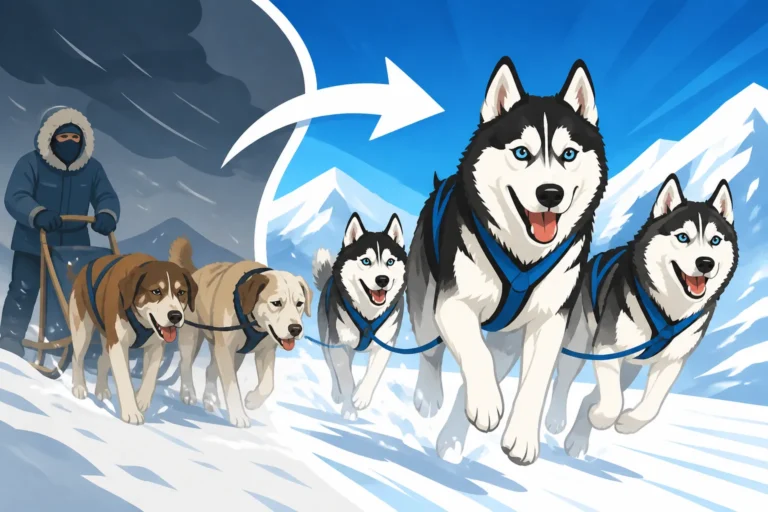
One of the most defining characteristics of a Siberian Husky is their insatiable desire to run. These dogs were literally bred to cover vast distances, pulling sleds for the Chukchi people across frozen tundras. Their stamina is legendary, and their ability to keep going, seemingly without tiring, is truly astounding. In a domestic setting, this translates to an almost irresistible urge to explore and, quite often, to escape.
Imagine a highly athletic, independent teenager who is suddenly confined to a small room with no internet or friends. That's how many Huskies feel when their innate need for motion and discovery isn't met. They see a fence not as a barrier, but as a challenge to be overcome. They will test every weak point, every loose board, every gate latch. I've heard countless stories of Huskies learning to open doors, slide bolts, and even scale walls that seemed impossibly high. They don't run away because they don't love you; they run because it's what they were born to do. This profound instinct is why it's often said that Why a Siberian Husky Cannot Be Trusted Off Leash – their desire to roam will almost always override their desire to return to you, especially if an interesting scent or sight captures their attention.
The Hunter's Instinct and Prey Drive
Another significant piece of the Husky mischief puzzle is their strong prey drive. These dogs were not only sled pullers but also capable hunters, often left to fend for themselves for part of the year. This means they have an innate instinct to chase, capture, and, unfortunately, kill small animals. If you have cats, rabbits, chickens, or even small neighborhood dogs, this is a serious consideration.
That sudden dart across the yard, that intense focus on a squirrel, the lightning-fast pounce on a mouse – these aren't just playful antics. They are manifestations of their deeply ingrained hunting prowess. This can make walks a constant challenge, as they will pull relentlessly towards any rustle in the bushes or bird overhead. In the home, it means they might eye your feline family members with a little too much interest, and careful, supervised introductions are absolutely essential. Furthermore, this prey drive often leads to digging, as they burrow after voles, gophers, or any other subterranean critter that catches their attention, turning a pristine lawn into a patchwork of craters. You might find your garden decimated overnight by a Husky on a mission to excavate whatever mole or grub crossed their path.
The Destructive Side: When Boredom and Energy Collide
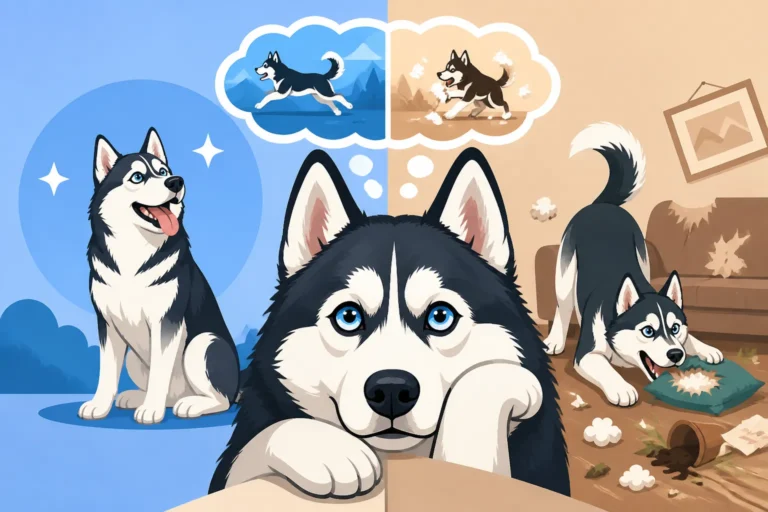
When a Siberian Husky's fundamental needs for exercise, mental stimulation, and a "job" are not met, their natural instincts can turn into truly destructive behaviors. They are highly intelligent, and when left with nothing productive to do, they'll invent their own entertainment – and it rarely aligns with your home décor preferences.
Chewing, Digging, and Interior Redecoration
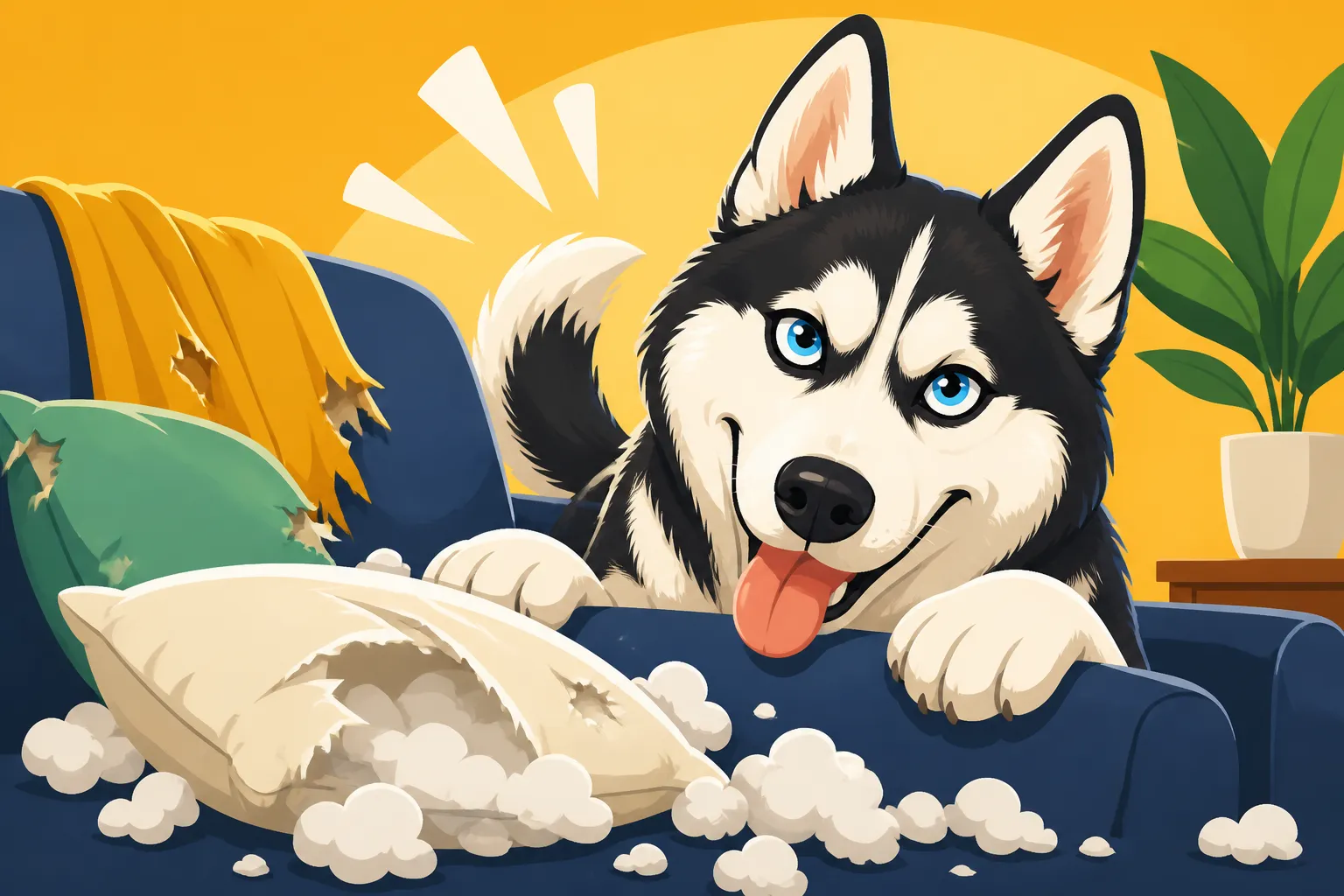
A bored Husky is a destructive Husky. It's almost a universal law in the Husky world. They don't just chew; they chew with a purpose, with a strength that can rival a beaver. Furniture legs, door frames, baseboards, shoes, remote controls – anything within reach can become a victim of their powerful jaws and relentless determination. This isn't usually born of spite, but rather a need to relieve boredom, release pent-up energy, or simply explore their world through their mouths. Puppies, of course, will chew more extensively as they explore and teethe, but an adult Husky can be just as destructive if under-stimulated.
Beyond chewing, the digging instinct that tears up your yard can easily translate indoors if they're confined and anxious. Some Huskies will try to dig at carpets, linoleum, or even drywall, attempting to create a "den" or simply to relieve stress. I've known Huskies who have dug through multiple layers of carpet and padding right down to the subfloor, or created impressive holes in drywall, just because they had nothing better to do. To combat this, durable chew toys are non-negotiable. Many owners find success with long-lasting chews and interactive toys from places like Chewy, designed to withstand powerful jaws and keep their minds engaged.
The Escape Artist Extraordinaire
If there's one area where Huskies truly excel in mischief, it's escaping. They are the Houdinis of the canine world, and they approach every barrier with the mindset of "how do I get past this?" This isn't just about digging under a fence, though they are certainly masters of that particular art. It extends to climbing over, squeezing through, and even manipulating latches and locks. Stopping a Siberian Husky From Escaping the Yard becomes a full-time job for many owners, often requiring significant modifications to standard fencing.
I've seen Huskies scale six-foot chain-link fences as if they were ladders, and a friend once had a Husky who learned to open a deadbolt lock on a back door. Seriously. They study how things work, and if there's a reward (freedom!), they will apply themselves to the task with incredible focus. Window screens are often no match for a determined Husky who wants to see what's on the other side, and even crates, if not sturdy enough, can be bent and broken. Choosing a Crate a Siberian Husky Cannot Bend is a crucial decision, as a standard wire crate can quickly become a mangled mess when a Husky truly commits to breaking free. Their intelligence, combined with their drive to roam, makes them truly challenging to contain.
The Vocal Explorer: Howling, Talking, and Selective Hearing
Siberian Huskies are known for being one of the most vocal breeds, but not in the way many people expect. If you're looking for a dog that barks at every squirrel, a Husky might surprise you with their relative quietness in that department. However, they make up for it with an incredible range of other vocalizations, and their "listening" skills can sometimes feel… optional.
The Husky Howl: A Symphony or a Siren?
Ah, the Husky howl. It's perhaps their most iconic sound, a haunting, wolf-like cry that can be both beautiful and, let's face it, incredibly annoying. Huskies howl for a variety of reasons: to communicate with other dogs, to express excitement, to announce their presence, and often, to voice their displeasure. If they are left alone for too long, they might howl due to Siberian Husky Separation Behavior. Sirens, other dog barks, or even certain types of music can trigger a communal howl, turning your home into a mini-choir practice.
This isn't your typical yappy bark. It's a full-throated, sustained vocalization that can carry for surprising distances. While it's part of their charm for many, it can be a significant source of frustration for neighbors, especially in urban or suburban environments. While you can work on minimizing excessive howling through training and management, fundamentally, Why Your Siberian Husky Howls and Talks is because it's deeply ingrained in their breed. It's their primary way of expressing themselves, and asking a Husky not to howl is a bit like asking a cat not to purr.
The Art of Selective Listening
For all their intelligence, Huskies can be notoriously "stubborn" or, as I like to put it, independently minded. They learn quickly, but whether they choose to obey is entirely up to them in that moment. This selective hearing is another form of mischief that can try an owner's patience. You might have spent countless hours teaching a rock-solid recall in a quiet, fenced area, only to have your Husky pretend they've never heard the word "come" in their life when a rabbit darts across the park.
This isn't about dominance or defiance in the human sense. It's about a breed that was conditioned to make its own decisions far from a handler, often at the front of a team. They had to think for themselves, and that independence is still very much alive. Training a Husky requires patience, consistency, and a deep understanding of what motivates them. If the reward isn't worth it, or if something more interesting is happening, they might just decide to do their own thing. This is particularly true with recall; when they are off-leash, their instinct to run and explore can easily override any training they've received, which is why Teaching a Siberian Husky to Come Back requires such dedicated and consistent effort.
Managing the Mayhem: Strategies for a Harmonious Home
Living with a Siberian Husky doesn't have to mean living in a state of constant chaos or with a perpetually destroyed house. While you can't erase their instincts, you can certainly manage them effectively with the right strategies, a lot of patience, and a healthy dose of humor.
Exercise, Enrichment, and Engagement
The single most effective way to curb Husky mischief is to meet their intense needs for physical and mental exercise. A tired Husky is a good Husky, as the saying goes. This means more than just a casual stroll around the block. They need rigorous, consistent exercise that taps into their drive to run. Think long runs, hikes, cycling with them (bikejoring), or even Canicross and Bikejoring With a Siberian Husky where they pull you.
Beyond physical exertion, their intelligent minds need a workout too. Puzzle feeders, obedience training, scent work, or interactive games can provide crucial mental stimulation. Stuffing a Kong with peanut butter or treats and freezing it can keep them occupied for a while. Products from Chewy, like durable chew toys and puzzle dispensers, are excellent investments to keep their minds busy and their jaws off your furniture. A Husky who is physically drained and mentally engaged is far less likely to invent their own destructive "job."
Training for the Independent Mind
Training a Siberian Husky requires a different approach than many other breeds. Force-based methods often backfire, leading to a shut-down or more stubborn dog. Positive reinforcement, high-value treats, and short, engaging sessions are the key. Consistency is paramount, and every member of the household needs to be on board with the rules and commands. Focus on management and teaching alternatives rather than trying to extinguish natural behaviors entirely. For example, instead of trying to stop them from digging, provide a designated digging pit.
A reliable recall is perhaps the most challenging, yet vital, command to teach a Husky. This will require years of consistent practice and will never be 100% infallible in every situation. Using a Long Lines and Recall Gear for a Siberian Husky in a safe, enclosed area can help build this foundation. For managing their vocal tendencies, understanding the triggers for their howling can help you address the root cause, whether it's separation anxiety, boredom, or simply an urge to communicate. While you might not stop them from howling entirely, you can certainly reduce excessive vocalizations.
Fortifying Your Home and Yard
Since Huskies are master escape artists and keen interior designers, proactive measures in your home and yard are essential. For your yard, a standard four-foot fence is often little more than a suggestion. Consider a solid six-foot fence, and critically, install an L-footer or bury wire mesh along the bottom to prevent digging underneath. Burying Fence Wire Against a Digging Siberian Husky is a game-changer for many owners. Inspect gates regularly for weaknesses, and consider installing additional secure latches or even locks.
Inside the home, if your Husky is prone to destructive chewing, crating when you can't supervise is often the safest option for both your belongings and your dog. But remember, a Husky needs a sturdy crate that they cannot bend or break out of. Look for heavy-duty metal crates or custom-built solutions. Ensure valuable items are out of reach, and provide plenty of appropriate chew toys. Childproofing cabinets and securing doors can also go a long way in preventing accidental (or intentional) "redecorating."
Here's a quick overview of common Husky mischief and some direct solutions:
| Type of Mischief | Common Manifestation | Recommended Management Strategy |
|---|---|---|
| Escaping | Jumping fences, digging under, opening gates/doors | Secure, tall fencing (6ft+ with L-footer or buried wire). Use robust gate latches. Supervise outdoors. Consider a GPS tracker. Indoor supervision or a sturdy crate. |
| Destructive Chewing | Gnawing furniture, shoes, walls, doors | Provide ample, durable chew toys (e.g., KONG, Nylabone from Chewy). Ensure sufficient exercise and mental stimulation. Crate training for unsupervised times. Redirect inappropriate chewing immediately. |
| Excessive Digging | Creating holes in yard, digging at carpets indoors | Designate a "digging pit" in the yard and encourage its use. Increase exercise and mental stimulation. Check for rodents in the yard. Provide puzzle toys or chews for indoor boredom. |
| Prey Drive | Chasing squirrels, cats, small animals | Always leash in unfenced areas. Strong, consistent Teaching a Siberian Husky to Come Back from a young age (though rarely 100%). Manage interactions with other pets carefully. Consider working with a professional trainer experienced with high prey drive breeds. |
| Howling/Vocalization | Loud, sustained howling, "talking" | Identify triggers (separation, boredom, sirens). Increase exercise and mental stimulation. Desensitize to triggers if possible. Positive reinforcement for quiet behavior. White noise or calming music for separation. |
| Selective Hearing | Ignoring commands, particularly recall | Consistent, positive reinforcement training with high-value rewards. Keep training sessions short and fun. Build a strong bond. Understand their independence; never expect 100% obedience in high-distraction environments. Use Long Lines and Recall Gear for a Siberian Husky for safe practice. |
Ultimately, living with a Siberian Husky means accepting that their unique quirks and instincts are part of their charm. While their "mischief" can be challenging, with understanding, proactive management, and a deep commitment to meeting their needs, you can transform potential chaos into a fulfilling and incredibly rewarding relationship. They are not dogs for the faint of heart, but for those willing to put in the effort, the rewards of a Husky's companionship are boundless.
Disclaimer
This article is for general informational purposes only and does not constitute professional advice. Laws, prices and regulations vary by location and change over time. Consult a qualified professional for guidance on your specific situation.