Whether Siberian Huskies Bond With One Person
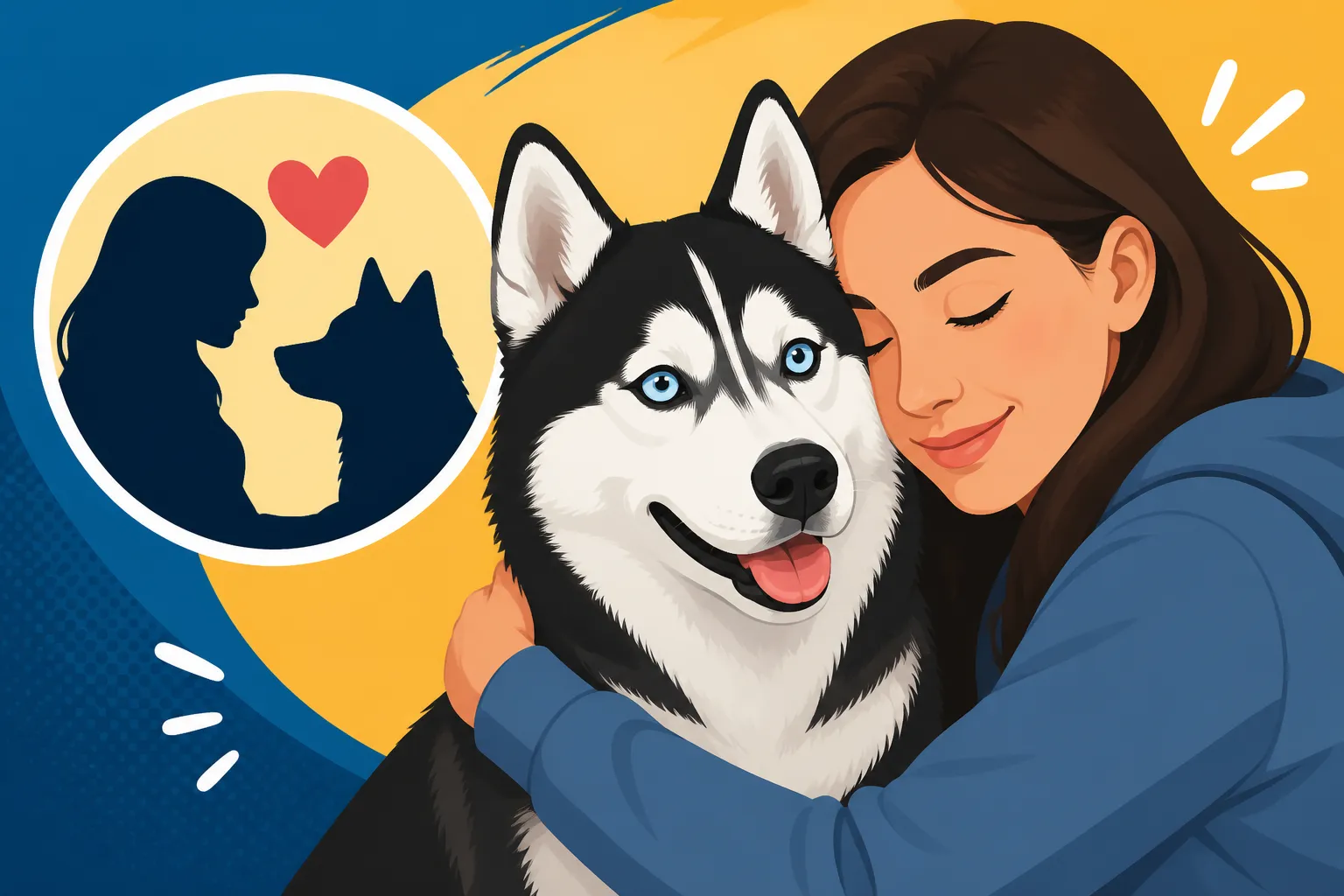
Many prospective Siberian Husky owners worry if their independent, often aloof-seeming dogs will truly bond with them, or if they’ll forever be seen as just "the food bringer." This guide will dive deep into the unique social structure and bonding behaviors of Siberian Huskies, explaining how they form connections, whether they can pick a favorite person, and what you can do to cultivate a deep, lasting relationship with your sled dog.
Understanding the Siberian Husky's Unique Social Nature
Siberian Huskies often confound people with their social dynamics, largely because their ancestry as working pack animals is so different from many other popular companion breeds. They aren't bred to be guardians, nor are they typically "velcro dogs" in the way a Golden Retriever or a Labrador might be. This doesn't mean they don't love you; it just means their affection shows up in different ways.
Their Pack Mentality and Affection
At their core, Siberian Huskies are pack animals. This means they naturally seek companionship and thrive within a social structure, whether that's with other dogs or their human family. They understand hierarchy and contribution, and they appreciate the benefits of being part of a cohesive unit. When you bring a Husky into your home, you become their pack, and they typically extend their loyalty and affection to everyone in that immediate circle.
However, their affection isn't always demonstrated through constant physical closeness. A Husky might prefer to lie in the same room as you, rather than on your lap, still considering that presence a form of bonding. They might greet you with an excited "woo-woo" and a full-body wiggle, then quickly move on to sniffing around the yard. Don't mistake this independence for a lack of love. It's simply how they express it. They're often described as having a "cat-like" independence in their affection, seeking it on their own terms, but still very much valuing their family. You can learn more about their personality in Siberian Husky Temperament and What the Standard Says.
Independence and Individual Choice
One of the most defining traits of the Siberian Husky is their fierce independence. These are dogs bred to think for themselves, to make decisions on the trail, and to range widely. This independence carries over into their relationships. They are not dogs that blindly follow; they engage and participate. This means that while they love their pack, they might not feel the need to constantly seek reassurance or direction from a single individual.
This isn't to say they don't form special relationships. A Husky might choose one person as their primary playmate, another as their preferred cuddle partner, and still another as the one who always brings the best treats. It's less about a singular, all-consuming bond and more about a network of strong, individual connections within the family. Their intelligence also plays a role here; they quickly learn who provides what, and that can influence who they gravitate towards for certain interactions. For instance, the person who consistently takes them on their favorite runs might be met with the most enthusiastic greetings.
The Myth of the "One-Person Dog" in Huskies
When people talk about "one-person dogs," they usually imagine a breed that forms an almost exclusive, intense bond with a single individual, often to the exclusion or distrust of others. While this can happen with certain breeds known for their guarding instincts, it's generally not the norm for a Siberian Husky.
Why Huskies Don't Typically "Pick One"
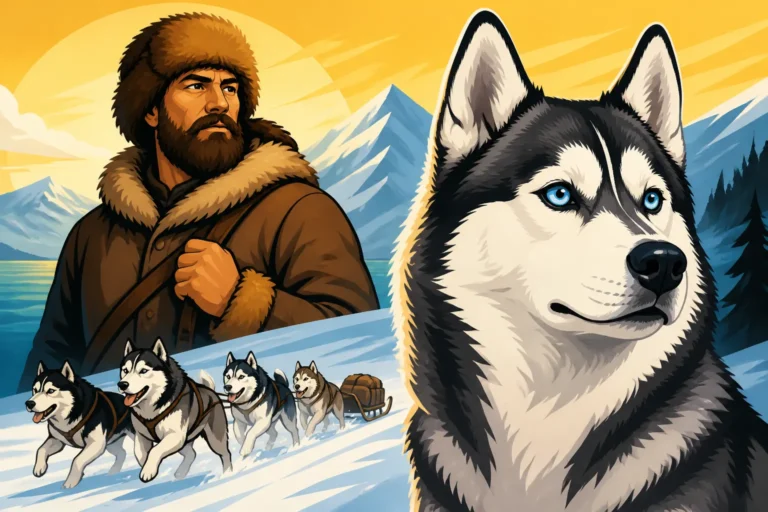
Siberian Huskies were developed to work in teams, often with multiple handlers over their lifetime. Their survival and success depended on their ability to integrate into different human and canine packs and to work cooperatively. This genetic programming makes them naturally inclined to be friendly and adaptable to a wider social circle, rather than forming a singular, exclusive attachment. They are generally outgoing and social creatures, even with strangers, though some may exhibit a typical Northern breed reserve. Siberian Huskies With Strangers and Children discusses this further.
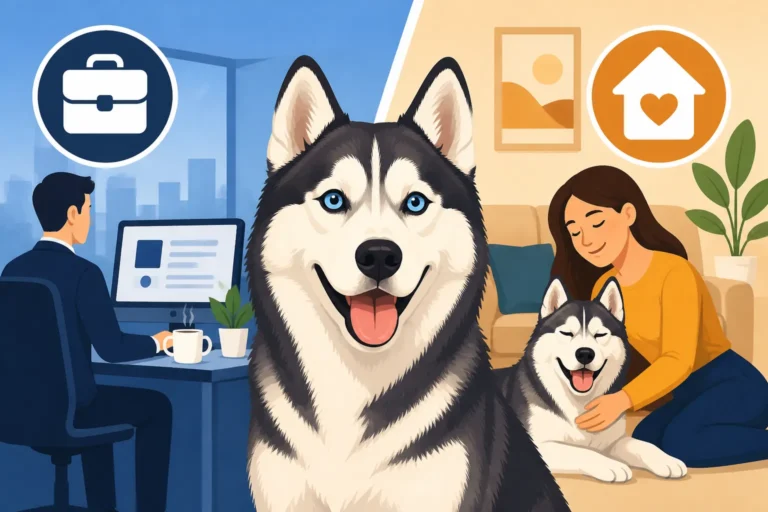
A Husky might have a favorite person – someone they respond to more readily, or seek out first for attention – but this rarely translates into an outright rejection of other family members. It's more about a nuanced preference within a loving family dynamic. For example, my Husky, Kiska, always goes to my husband for a belly rub after dinner, but she always comes to me for her morning walk, knowing I'm the one with the running shoes on first. It’s a division of labor, almost!
Exceptions and Individual Personalities
Of course, every dog is an individual. You might encounter a Siberian Husky who, due to early experiences, socialization, or just innate personality, does develop a more pronounced "one-person" bond. A Husky rescued from a difficult situation might cling intensely to the person who showed them kindness and security, becoming highly bonded as a coping mechanism. Similarly, if a Husky spends almost all its time with one person and has limited interaction with others, that bond will naturally be stronger and more exclusive simply due to proximity and shared experience.
It’s important not to try and force a Husky into a "one-person dog" mold if it's not their natural inclination. Instead, celebrate their wide-ranging affection and their ability to connect with multiple people. Huskies thrive on interaction, and they'll likely enjoy the varied attention and different forms of companionship offered by each family member.
Here's a quick look at how typical "one-person" traits compare to Siberian Husky bonding:
| Trait | Typical "One-Person Dog" | Siberian Husky |
|---|---|---|
| Primary Attachment | Intense, often exclusive to one person | Strong to entire family/pack, with individual preferences |
| Stranger Interaction | Reserved, suspicious, sometimes protective | Generally friendly, social, curious |
| Affection Display | Seeks constant physical proximity, guarding | Often independent, seeks attention on own terms, playful |
| Training Response | Highly attentive to the chosen person | Independent thinker, can seem stubborn; responds to motivation |
| Separation Anxiety Risk | Higher with chosen person | Can develop separation anxiety if not trained, but often okay with any family member present |
How Siberian Huskies Form Bonds
Bonds with a Siberian Husky are built on trust, consistency, shared activities, and understanding their unique communication style. It’s not just about who feeds them, although that definitely helps!
Shared Experiences and Activities
Siberian Huskies are active dogs who thrive on having a job and sharing adventures with their people. The strongest bonds are often forged through shared experiences, especially those that tap into their natural instincts. Long hikes, vigorous runs, bikejoring, or even just extended play sessions in a secure yard are prime bonding opportunities. When you're out there, working together, navigating the world as a team, that's where the magic happens.
These activities reinforce your role as a trusted leader and companion. They learn to rely on you, to follow your cues, and to enjoy your company in a way that goes beyond just receiving food or shelter. Think of it as team-building for you and your Husky. Whether it's a brisk walk around the neighborhood with a sturdy leash from Chewy or a challenging scent work game in the house, these moments accumulate and deepen the connection. How Much Exercise a Siberian Husky Really Needs explores this need.
Consistency and Trust
Huskies, like all dogs, thrive on routine and clear expectations. A consistent daily schedule for feeding, walks, training, and playtime builds a sense of security and trust. When they know what to expect from you, they feel safe and understood. This means being predictable in your responses, fair in your discipline, and reliable in your care.
Trust is paramount with a Husky. If you are inconsistent, unpredictable, or use harsh methods, they may become wary and less likely to form a deep bond. They remember everything, and they are incredibly sensitive to perceived unfairness. Building trust means showing them that you are a benevolent leader who has their best interests at heart. This is especially true when it comes to training, as Why a Siberian Husky Looks Stubborn Rather Than Slow explains.
Understanding Their Communication Style
Huskies are incredibly expressive dogs, but their communication can be subtle or, conversely, incredibly vocal. They "talk" with an astonishing range of "woo-woos," grumbles, and howls. They use their eyes, ears, and body language to convey so much. Learning to understand their specific cues – when they're happy, bored, uncomfortable, or asking for something – is crucial for building a deep bond.
When you respond appropriately to their communications, it strengthens their belief that you "get" them, and that you are a partner in their world. For example, if your Husky starts giving you soft grumbles and nudges while staring intently at the treat cabinet, and you respond by engaging them in a training session for a reward, you're building a communicative feedback loop. This mutual understanding fosters a profound connection, even if they don't always want to be draped across your lap.
Building a Strong Connection with Your Siberian Husky
While Huskies might not be classic "one-person" dogs, you can absolutely build an incredibly strong, loving bond with them that will be deeply rewarding for years to come.
Engaging in Training and Mental Stimulation
Training is more than just teaching commands; it's a powerful bonding tool. Huskies are intelligent, but also independent, so training sessions need to be fun, engaging, and motivating. Use positive reinforcement, high-value treats (Chewy has a great selection of these!), and keep sessions short and sweet to hold their attention. Each successful command, each new trick learned, builds a shared language and reinforces your partnership. You'll find more insights into this in Keeping a Siberian Husky Interested in Training.
Beyond basic obedience, consider activities that tap into their problem-solving skills. Puzzle toys, scent work, or even learning complex routines can keep their minds sharp and deepen your connection. A mentally stimulated Husky is a happier, more bonded Husky. They appreciate the challenge and the interaction that comes with it.
Consistent Affection and Play
Even though they're independent, Huskies absolutely crave attention and affection, on their own terms. Pay attention to how your Husky prefers to receive affection. Some love a good scratch behind the ears, others a robust wrestling match in the yard, and some might just want to lean against your legs. Regularly offering the type of affection they enjoy strengthens your bond.
Play is also critical. Huskies often have a silly, playful side that emerges during games. Tug-of-war, fetch (if they're one of the rare Huskies who enjoy it!), or hide-and-seek can be fantastic ways to connect. Remember, play is a dog's natural way of interacting and building social bonds, so get down on their level and engage! This is a great way to bond with a puppy too, as discussed in Recall Games for a Siberian Husky Puppy.
Providing Proper Care and a Secure Environment
Ensuring your Husky's basic needs are met with high-quality care is foundational to any strong bond. This includes a balanced diet, regular veterinary check-ups, appropriate exercise, and a safe, secure home environment. A Husky who feels well-cared for and secure will naturally be more relaxed and open to bonding.
For a Husky, "secure" often means a yard they can't escape from (which is no small feat!) and a stable routine. They need to know they belong and that their needs will be met. This consistent, loving provision of care communicates your commitment to them in a way words never could. What New Siberian Husky Owners Underestimate touches on the importance of this commitment.
Respecting Their Independence
Perhaps one of the most important aspects of bonding with a Siberian Husky is respecting their independent nature. Don't take it personally if they choose to lie across the room instead of right at your feet, or if they sometimes seem to "ignore" a command. This isn't a rejection; it's just who they are.
By understanding and respecting this trait, you avoid frustration and build a more authentic relationship. When you allow them to be themselves, they will, in turn, offer you their unique brand of loyal, affectionate, and sometimes goofy companionship. It's a mutual respect that forms the bedrock of a truly deep connection with your Siberian Husky.
Disclaimer
This article is for general informational purposes only and does not constitute professional advice. Laws, prices and regulations vary by location and change over time. Consult a qualified professional for guidance on your specific situation.