Siberian Huskies for People Who Work Full Time
It's a dream many of us share: coming home to a gorgeous Siberian Husky, their striking eyes meeting yours, ready for adventure. But if you work a demanding full-time job, you might wonder if that dream is even remotely realistic. Let's be honest, fitting a high-energy, independent breed into a 9-to-5 (or longer) schedule feels like trying to fit a square peg in a round hole sometimes. This guide will help you understand the unique challenges and potential solutions for owning a Siberian Husky while working full-time, offering practical advice to ensure both you and your furry companion thrive.
Understanding the Siberian Husky's Core Needs
Before diving into logistics, we absolutely need to talk about what makes a Husky a Husky. These aren't your average couch potatoes; they were bred for endurance, independence, and intelligence. They have a deep-seated need to move, to explore, and to use their brains, and ignoring these instincts can lead to some pretty dramatic and often destructive consequences.
Their Need for Engagement and Exercise
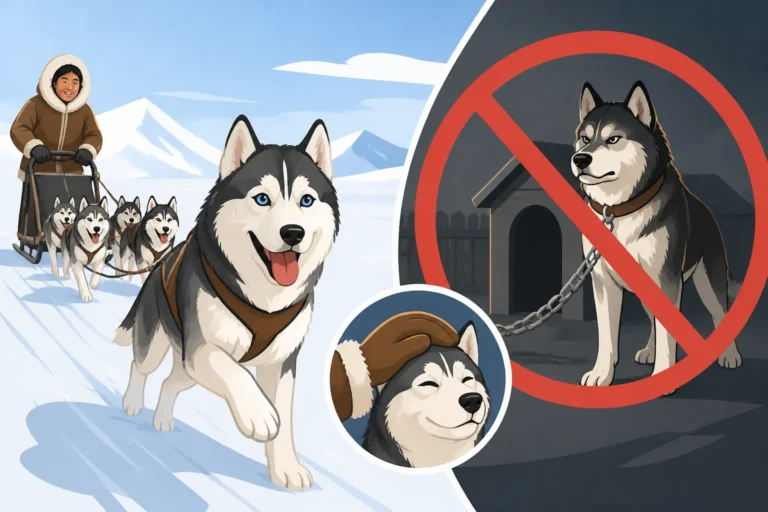
Imagine being an Olympic athlete confined to a small apartment with nothing to do all day. That's a bit how a Siberian Husky can feel if their physical and mental needs aren't met. They come from a lineage of working dogs, designed to pull sleds for miles in harsh conditions. This isn't just about physical activity; it's about purpose. When they don't get that outlet, they don't just get restless; they get creative.
A bored Husky isn't just a sad Husky; it's often a destructive Husky. They might start redesigning your furniture, chewing through drywall, or excavating your backyard with astonishing efficiency. I’ve known owners who came home to find their entire sofa had been "fluffed" across the living room, or that a new tunnel had appeared under their fence, all thanks to an under-stimulated Husky. They're incredibly intelligent but also notoriously independent, which means they won't just wait politely for you to get home. They'll figure out how to entertain themselves, and trust me, their idea of fun probably won't align with yours. This isn't stubbornness; it's a reflection of their breed's drive. Training an Independent Siberian Husky often requires a different approach than with more biddable breeds, focusing on positive reinforcement and making training a game.
The Myth of the "Low Maintenance" Husky
Sometimes people confuse a Husky's clean habits and lack of "doggy odor" with being low maintenance overall. While it's true they tend to groom themselves meticulously, almost like cats, and don't have that typical heavy dog smell, their mental and physical demands are anything but low. They shed—oh, do they shed! Twice a year, they go through what's called a "coat blow," where they essentially lose their entire undercoat. This creates tumbleweeds of fur that can quickly overtake your home, no matter how much you vacuum.
Beyond the shedding, their grooming needs, while not daily, require dedicated sessions to keep their double coat healthy, especially during these coat blows. More importantly, their energetic nature means they need consistent, vigorous exercise, not just a casual stroll around the block. They thrive on routine, but that routine needs to be packed with activity. If you're envisioning a dog that will happily lounge by your feet all day while you're at work, occasionally rousing for a quick potty break, the Siberian Husky is probably not the breed for you. Their needs are intense, and meeting them requires significant time and dedication, even if you are working full-time.
Managing Exercise and Mental Stimulation on a Full-Time Schedule
So, you're working full-time, but your heart is set on a Husky. How do you bridge the gap between their energy requirements and your busy schedule? It's not impossible, but it requires serious planning, commitment, and often, financial investment in support systems.
Maximizing Morning and Evening Exercise
The key to success here is front-loading and back-loading their day with high-quality activity. A quick ten-minute walk before you rush out the door just won't cut it for a Husky.
- Before Work: This is your prime time. An ideal morning for a Husky owner working full-time involves a solid 45-60 minutes of vigorous exercise. This could be a fast-paced run (with you or with a bike, if you're into Canicross and Bikejoring With a Siberian Husky), a long hike, or a trip to a secure, large dog park where they can really stretch their legs and play with other dogs. The goal is to physically tire them out so they're more likely to nap and rest during your working hours. Some owners even invest in treadmills designed for dogs, though these require careful training and supervision.
- After Work: As soon as you walk through the door, your Husky will likely be ready for round two. This might mean another long walk, a run, or dedicated playtime in the yard. This isn't just about physical release; it's also about bonding and mental stimulation. Incorporate training sessions, even short ones, into this time. Work on obedience commands, teach new tricks, or practice advanced leash manners. A tired Husky is a happy Husky, and often, a well-behaved Husky. If you find yourself struggling to maintain control on walks, remember that Siberian Husky Leash Work Against a Pulling Instinct is a lifelong endeavor and often requires specific equipment like a front-clip harness.
Enriching Their Day While You're Away
Leaving a Husky alone for eight to ten hours can be tough, but there are strategies to make those hours more manageable and less destructive.
- Mental Engagement: This is where puzzle toys and interactive feeders become your best friends. Stuff Kongs with peanut butter and freeze them, or use slow-feeder bowls and toys that dispense kibble as your dog plays with them. Brands like Chewy offer a fantastic selection of these, from basic treat balls to more complex sniff mats and puzzle boards. These tools turn mealtime into a mental challenge, keeping their brains active and making them work for their food, which can be surprisingly tiring for them. Just make sure the toys are durable enough to stand up to a Husky's chewing power!
- Mid-Day Breaks: If your budget allows, a dog walker or a few days a week at a reputable doggy daycare can be a game-changer. A dog walker can come in midday for a brisk walk and a potty break, breaking up the long hours. Doggy daycare offers structured play with other dogs and human interaction, which can be invaluable for social and energetic breeds like Huskies. It provides much-needed physical activity and mental stimulation, significantly reducing the chances of coming home to a chaotic house. When researching daycare, be sure to ask about their experience with breeds known for their energy and independence.
- Companion Animals: Some owners find that having a second dog, particularly another Husky or a similarly high-energy breed, can help. The dogs keep each other company, play together, and sometimes even encourage each other to nap. However, this isn't a guaranteed solution and can double your expenses and challenges. Introducing a second dog needs careful consideration, especially regarding temperament and potential issues like Same-Sex Siberian Husky Pairs dynamics. Never get a second dog solely to "fix" the first one's boredom; you'll simply end up with two bored dogs!
Addressing Potential Behavioral Challenges for Working Owners
Working full-time can exacerbate some of the inherent traits of Siberian Huskies, turning minor quirks into major headaches if not managed proactively.
The Escape Artist: Containing a Husky
Siberian Huskies are legendary escape artists. Their drive to roam and explore is incredibly powerful, a remnant of their ancestors' need to cover vast distances. If left alone in a yard for extended periods with insufficient security, they will find a way out. I've heard stories of Huskies scaling six-foot fences, digging under concrete foundations, and even learning to open gate latches.
For a working owner, this presents a huge challenge. You can't be there to supervise them constantly. This means your fencing absolutely must be up to Husky standards. We're talking at least six feet high, potentially with "coyote rollers" or inward-sloping extensions to prevent climbing. An L-footer, which involves burying wire mesh horizontally along the fence line, is crucial to prevent digging. Stopping a Siberian Husky From Escaping the Yard is not a suggestion; it's a necessity for their safety.
Consider a secure, covered kennel run for times when you absolutely cannot supervise them, but even then, these dogs are persistent. Leaving a Husky unsupervised in a yard for hours is a recipe for disaster. An escaped Husky faces dangers like traffic, fights with other animals, and getting lost. They don't typically come back on their own; their instinct is to keep running. Why Siberian Huskies Run Rather Than Return is a crucial understanding for any potential owner.
Howling and Separation Anxiety
Siberian Huskies are known for their vocalizations, which include everything from "woo-wooing" and talking back to full-blown howling. This is a normal part of their breed expression. However, when left alone for long periods, especially if they're bored or anxious, these vocalizations can escalate into constant howling, which will quickly make you unpopular with your neighbors.
Distinguishing between normal Husky talkativeness and genuine separation anxiety is important. While some vocalization is expected, excessive, frantic howling, along with destructive behavior, house-soiling, and pacing, could indicate true separation anxiety. For working owners, this can be particularly distressing.
Strategies to help:
- Crate Training: A properly introduced and positively reinforced crate can be a safe den for your Husky, reducing anxiety and preventing destructive behavior. It's not a punishment; it's their personal space. However, a Husky that panics in a crate will attempt to destroy it, and potentially themselves, so this needs to be introduced very gradually and positively.
- Gradual Departures: Practice leaving for short periods and gradually increasing the time. Don't make a big fuss when you leave or return; keep it calm and low-key.
- White Noise/Music: Some Huskies are comforted by background noise, like a radio or a white noise machine, which can also help mask outside sounds that might trigger howling.
- Professional Help: If separation anxiety is severe, consult a certified professional dog trainer or a veterinary behaviorist. They can provide tailored strategies and, in some cases, recommend medication to help manage anxiety. Resources like Chewy can connect you with online vet services or behavioral consultations. You can also read more about Howling in a Siberian Husky Household for deeper insights.
Realistic Expectations and the Long-Term Commitment
Ultimately, choosing to bring a Siberian Husky into your life when you work full-time is a monumental decision that demands careful consideration of your lifestyle, resources, and commitment.
The Financial and Time Investment
Beyond the initial cost of a puppy or adoption fee, a Siberian Husky comes with significant ongoing expenses, especially if you're working full-time and need to outsource some of their care. The Yearly Cost of Owning a Siberian Husky can be substantial.
Consider these costs:
| Item | Description | Impact for Full-Time Owners |
|---|---|---|
| Food | High-quality kibble, treats, supplements. | Can be higher if using puzzle feeders or if they have specific dietary needs. Chewy offers autoship options. |
| Vet Care | Annual check-ups, vaccinations, parasite prevention, potential emergencies. | Essential; don't skip check-ups due to time constraints. |
| Grooming | Professional deshedding (especially during coat blows), tools for home care. | Critical to manage shedding and coat health; professional help saves time. |
| Training | Puppy classes, obedience, specialized trainers for behavior issues. | Invaluable for managing their independence; Finding a Trainer Who Has Worked With Huskies is key. |
| Exercise Support | Dog walkers, doggy daycare, specialized equipment (harnesses, long lines). | Often necessary to meet exercise needs when you're at work. |
| Containment | High-quality fencing, crate, gate locks. | Absolute must-have to prevent escapes and destruction. |
| Destruction Repair | Replacing chewed items, repairing fences/drywall. | A common, often unexpected cost if boredom isn't managed. |
| Pet Insurance | Covers accidents and illnesses. | Highly recommended given potential for injuries (escapes) or breed-specific health issues. |
Time is an even greater commodity. Your "free time" will largely revolve around your Husky's needs. Weekend adventures, evening runs, and morning wake-ups will be dictated by their energy levels. You'll need to be prepared for the fact that a significant portion of your non-working hours will be dedicated to them, especially in their younger years. Siberian Husky Destruction When Left Alone can be intense, so managing their alone time well is non-negotiable.
Making the Decision: Is a Husky the Right Fit?
Before you commit, take a brutally honest look at your lifestyle and resources.
Ask yourself:
- Do I have 1-2 hours daily, outside of work, dedicated purely to rigorous exercise for my dog?
- Can I afford to pay for dog walkers or doggy daycare multiple times a week?
- Is my home and yard adequately secured against a determined escape artist?
- Am I prepared for significant shedding and consistent grooming?
- Can I handle a dog that is intelligent, independent, and prone to vocalization and mischief?
- Do I have a strong support system (family, friends, trusted professionals) who can help with my Husky when I'm overwhelmed or away?
If your answers to these questions are mostly "no," it might be worth considering a different breed that is better suited to a more sedentary lifestyle or requires less direct, high-intensity engagement. There are many wonderful dogs out there who would thrive in a full-time working household with less demanding needs.
If, however, you're nodding along, genuinely excited by the challenge, and prepared to make the necessary adjustments and investments, then a Siberian Husky could be an incredibly rewarding companion. They offer boundless energy for adventures, a unique personality, and fierce loyalty (on their own terms!). Just be ready for the ride – it's a wild, wonderful one.
Disclaimer
This article is for general informational purposes only and does not constitute professional advice. Laws, prices and regulations vary by location and change over time. Consult a qualified professional for guidance on your specific situation.