Whether a Siberian Husky Works for a Student Renter
The dream of owning a magnificent Siberian Husky is powerful, especially for students who picture a loyal companion by their side through college adventures. However, the reality of balancing a Husky's significant needs with the often-unpredictable and budget-constrained life of a student renter can be a steep climb. This guide dives deep into the specific challenges and considerations to help you determine if bringing a Siberian Husky into your student rental life is truly a feasible and responsible choice.
The Unvarnished Truth: Siberian Husky Needs Versus Student Life
Let's not sugarcoat it: Siberian Huskies are not a breed for the faint of heart, or for those with limited time, space, or funds. Their unique traits, while enchanting, are often directly at odds with the typical student renter's situation. It’s critical to understand these fundamental mismatches before you ever consider bringing one home.
Time Commitment and Academic Demands
One of the biggest hurdles for any student considering a Siberian Husky is the sheer amount of time this breed demands. We're talking about a dog bred to run for miles, pulling sleds through harsh terrain. This isn't a dog that's content with a couple of short walks around the block.
Your academic life, with classes, study groups, essays, exams, and potentially a part-time job, already stretches your hours thin. A Husky needs a minimum of 1-2 hours of vigorous exercise every single day. This isn't optional; it's fundamental to their well-being. This might look like long runs, bikejoring, canicross, or extensive off-leash (in a secure, fenced area, which we'll discuss later) play sessions. Imagine a big exam week or an all-nighter for a project – who is taking your Husky for its essential two-hour energy burn? Neglecting this exercise leads to severe boredom, which almost inevitably translates into destructive behaviors like chewing furniture, digging up carpets, or incessant howling that will quickly get you into trouble with your landlord and neighbors. It’s not about being "bad" dogs; it’s about unmet needs.
Beyond physical exercise, Huskies also need mental stimulation. They are intelligent dogs, and if their minds aren't engaged, they will find their own, often undesirable, ways to entertain themselves. This means training sessions, puzzle toys, and consistent interaction. These aren't five-minute tasks; they are daily, ongoing commitments that require patience and presence.
Financial Constraints of Student Budgets
Let's talk money, because owning a Siberian Husky is not cheap. Most students operate on a tight budget, meticulously tracking every dollar. A Husky, however, comes with a surprising number of costs that can quickly add up and overwhelm a student's finances. The initial cost of a puppy might seem like the biggest hurdle, but it's truly just the tip of the iceberg. Remember, a suspiciously low price for a puppy is often a Why a Cheap Siberian Husky Puppy Is a Warning, indicating a lack of proper health testing or care, which will cost you more in vet bills down the line.
Consider recurring expenses: high-quality dog food for an active breed can be a significant monthly expenditure. Then there are vet visits: annual check-ups, vaccinations, and preventative medications for fleas, ticks, and heartworms. These preventative measures are crucial for keeping your dog healthy and avoiding much larger bills later. We haven't even touched on potential emergency vet visits for an injury or sudden illness, which can easily run into the thousands. Pet insurance can help, but it's another monthly bill to consider, and policies often have waiting periods and exclusions for pre-existing conditions. Beyond health, you'll need sturdy leashes, harnesses, a chew-proof crate (Huskies are notorious escape artists), toys, and grooming supplies like undercoat rakes and blowers for their intense shedding seasons. Buying supplies in bulk from online retailers like Chewy can sometimes help mitigate costs, but the overall expense remains substantial. For a deeper dive, consider The Yearly Cost of Owning a Siberian Husky.
Housing Restrictions and The Escape Artist's Yard
Finding student-friendly housing is already a challenge, and adding a large, high-energy dog with a reputation for destruction and escape makes it exponentially harder. Many landlords have strict breed restrictions, often specifically listing Huskies, German Shepherds, Pit Bulls, and Rottweilers due to insurance policies or past bad experiences. Even if a landlord allows dogs, there are often weight limits or size restrictions that a full-grown Husky will exceed.
Furthermore, pet deposits and monthly pet rent are common, adding to your already strained budget. These can be non-refundable and significant, meant to cover potential damage. Speaking of damage, Huskies are masters of escape and destruction when bored or under-exercised. They can dig under fences, climb over them (even six-foot fences!), and learn to open gates and doors. The Six-Foot Fence a Siberian Husky Needs is barely adequate for many of them. If your rental doesn't have a securely fenced yard, or if you plan to rely solely on walks, you are setting both yourself and your Husky up for failure. A bored Husky indoors can chew through drywall, destroy furniture, and scratch doors and window sills to splinters, leading to hefty charges against your security deposit, or worse, eviction. For more on navigating housing, see Renting With a Siberian Husky on the Lease.
Inherent Husky Traits That Don't Mix With Student Life
Beyond the practicalities of student life, the core behavioral traits of a Siberian Husky pose unique challenges that many prospective owners simply aren't prepared for, especially within a rental setting.
The Roaming Instinct and Recall Woes
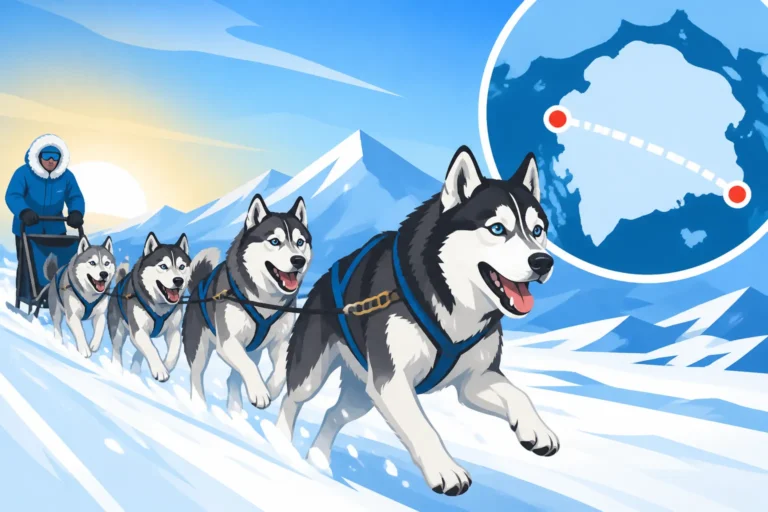
Siberian Huskies were bred to run long distances with a team, pulling a sled across vast, open territory. This inherent desire to run and explore is deeply ingrained in their DNA. It's why they are famously known as escape artists. If there's a gap in a fence, an open gate, or an opportunity to dash out a door, a Husky will likely take it. And once they're off, their recall is often unreliable, especially if something more interesting, like a squirrel or another dog, catches their attention. This isn't a lack of intelligence; it's a prioritization of their instinctual drive.
This means that Why a Siberian Husky Cannot Be Trusted Off Leash is not just a warning, it's a golden rule. For a student renter who might envision idyllic off-leash walks in a park, this is a harsh reality. A loose Husky is not only at risk of being hit by a car, but also a potential liability if they get into a scuffle with another dog or chase local wildlife. This roaming instinct makes secure containment paramount, which is often difficult in rental situations with shared yards or less-than-perfect fencing.
High Energy and Destructive Potential
We've touched on it, but it bears repeating: a bored Siberian Husky is a destructive Siberian Husky. Their energy levels are off the charts, and if that energy isn't channeled appropriately through rigorous physical and mental exercise, it will manifest in undesirable ways. This is particularly relevant for students who might spend long hours in classes, studying in the library, or working.
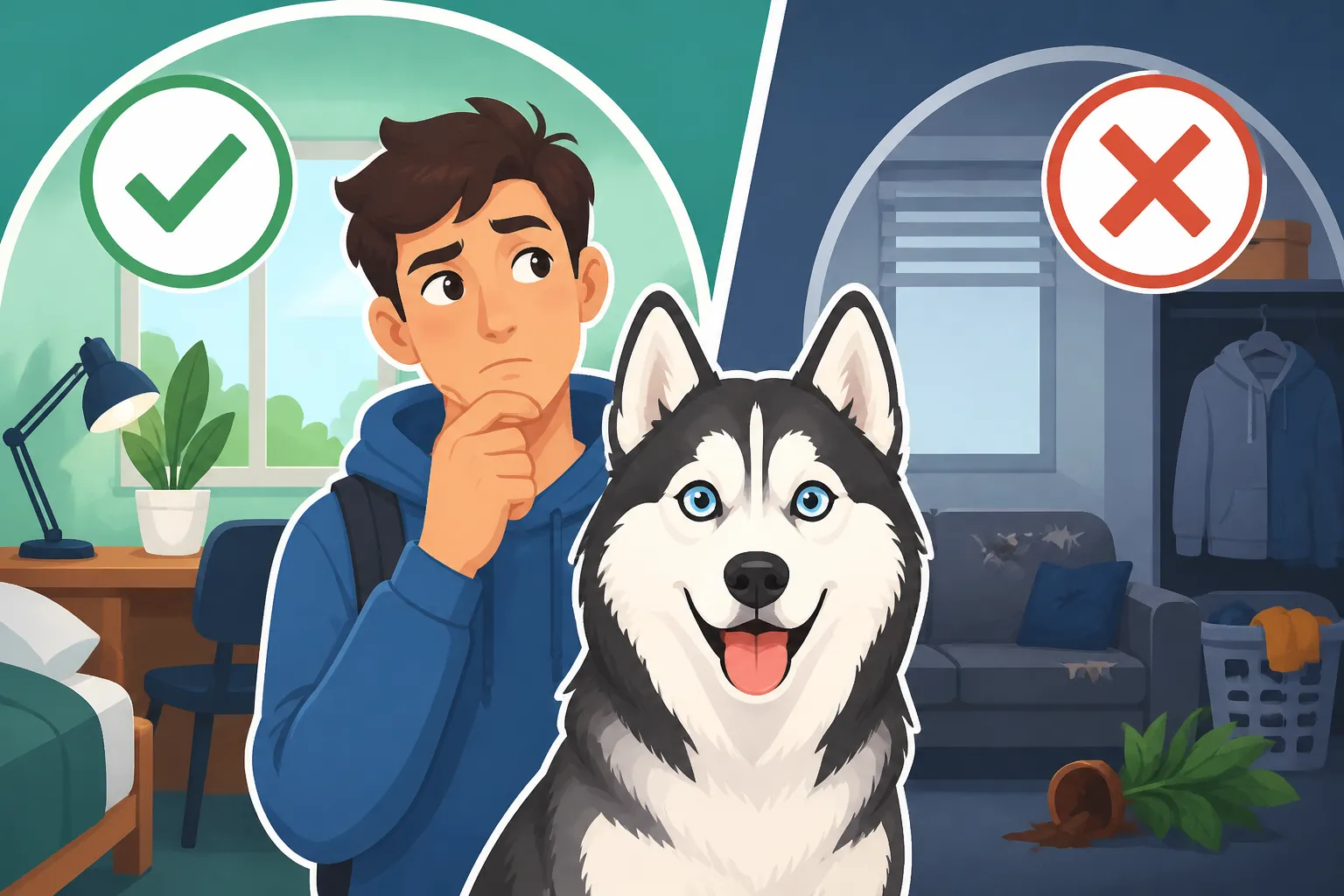
Imagine coming home after a full day of lectures and finding your couch shredded, your shoes decimated, or a hole dug in your living room carpet. This isn't malice; it's simply a Husky finding an outlet for its boundless energy and intelligence. Crating is often recommended, but Huskies are clever and persistent. They can be incredibly strong, and many standard crates won't hold a determined Husky for long, leading to injuries or bent bars. Siberian Husky Destruction When Left Alone is a very real problem that can quickly lead to eviction or costly repairs that a student budget simply cannot absorb. Providing enough chew toys, like those found on Chewy, might help, but toys alone are no substitute for proper exercise and attention.
The Double Coat and Grooming Demands
Siberian Huskies are famous for their magnificent double coats, which are perfectly designed to keep them warm in arctic temperatures and, surprisingly, to help regulate their body temperature in moderate heat. However, this coat comes with a caveat: shedding. Lots and lots of shedding. Twice a year, Huskies "blow" their undercoat, a process that can last for several weeks and result in what feels like an endless supply of dog hair covering every surface of your home. Siberian Husky Coat Blow and the Six Weeks It Lasts is a rite of passage for Husky owners, but for a student in a small rental, it can be overwhelming.
Managing this coat requires consistent brushing, especially during the coat blow. You'll need specialized grooming tools like undercoat rakes and high-velocity dryers. Professional grooming can help, but it's an added expense. If you neglect their coat, it can mat, leading to skin issues and discomfort for your dog. For a student trying to maintain a clean living space, share a rental with roommates, or keep landlord inspections clean, the constant battle against Husky hair can be a source of immense stress and added chores.
Strategies and Considerations for the Truly Determined
Despite these significant challenges, if you're a student who is truly determined and understands the immense commitment, there are strategies you can employ to potentially make it work. However, these often require a level of dedication and financial stability that goes beyond the typical student experience.
Realistic Budgeting and Financial Planning
Before you even think about looking at puppies, sit down and create a comprehensive, realistic budget for your Husky. This needs to go beyond just food and basic vet care. Factor in emergency funds, potential damage deposits, higher renters insurance premiums (some companies may deny coverage or charge more for certain breeds), and the cost of quality training. Consider how you will cover unexpected medical bills, which can crop up at any time.
- Emergency Fund: Aim for a dedicated savings account of at least a few thousand dollars solely for your dog's emergencies.
- Pet Insurance: Research different pet insurance providers and understand what they cover, waiting periods, and monthly premiums. While it's an upfront cost, it can be a lifesaver in an emergency.
- Preventative Care: Budget for annual vet check-ups, vaccinations, and year-round parasite prevention. These are non-negotiable for your dog's health. For a full picture of their veterinary needs by stage, refer to Siberian Husky Vet Visits by Life Stage.
- Supplies: Factor in durable crates (look for heavy-duty options from brands known for strong escape-proof designs), leashes, harnesses, and grooming tools. Shop savvy on sites like Chewy for regular food and preventative care items.
Time Management and Exercise Solutions
You cannot create more hours in a day, but you can be incredibly strategic about how you use them. This means building your Husky's exercise and mental stimulation into your daily schedule as religiously as you schedule classes.
- Early Mornings and Late Evenings: Your Husky's primary exercise might need to happen before your first class and after your last one. This could mean pre-dawn runs or bike rides and another significant outing in the evening.
- Mid-day Relief: If possible, arrange for a trusted friend, family member, or professional dog walker to provide a mid-day break and exercise session. This is an added expense but can be crucial for preventing destructive behavior.
- Enrichment and Training: Incorporate short, frequent training sessions throughout the day. Invest in puzzle toys that dispense treats slowly to keep their minds busy while you're studying. Consider canine sports like agility or obedience if you have the time and access, which provide excellent mental and physical outlets. How Much Exercise a Siberian Husky Really Needs is substantial, and variety is key to keeping them engaged.
- "Jobs" for Your Husky: Even if you don't sled, teaching your Husky to pull a cart or a person on rollerblades (canicross) in appropriate weather can fulfill their innate desire to work. This provides both physical exertion and a sense of purpose.
Securing Husky-Friendly Housing
This will be one of your biggest challenges. Start your housing search early and be upfront about your dog. Don't try to hide your Husky; it will only lead to trouble.
- Target Pet-Friendly Complexes: Look specifically for apartments or houses that openly advertise as pet-friendly and do not have breed restrictions. These often have higher deposits or pet rent, but it's worth it for peace of mind.
- Create a Pet Résumé: Prepare a professional document outlining your Husky's training, temperament, vet records, and references from previous landlords or trainers (if applicable). Include a photo and details on their exercise routine to demonstrate your commitment to responsible ownership.
- Proof of Training: Showing a landlord that your Husky has completed obedience classes or has a Canine Good Citizen certificate can sometimes sway their decision.
- Renters Insurance: Secure a robust renters insurance policy that explicitly covers your breed. Some insurance companies specifically exclude Huskies, so shop around. This protects you in case of liability for bites or property damage. Homeowners Carriers and the Siberian Husky or renters insurance can be a complex topic.
- Secure Your Space: Once you find a place, invest in securing it. This means sturdy crates, potentially reinforcing fences if allowed, and always double-checking gates and doors. A Crating a Siberian Husky That Bends the Bars is a real investment, but necessary.
| Challenge | Student Renter Reality | Siberian Husky Need | Potential Solution for Determined Students |
|---|---|---|---|
| Time | Classes, studying, work, social life, limited free time | 1-2+ hours vigorous exercise daily, mental stimulation | Rigid schedule, dog walker/sitter, puzzle toys, highly structured routine |
| Financial | Tight budget, limited disposable income, student loans | High food costs, vet bills, insurance, gear, potential damage | Detailed budget, emergency fund, pet insurance, savvy shopping (e.g., Chewy) |
| Housing | Breed restrictions, pet deposits, shared spaces, limited yard access | Secure, escape-proof yard, space to run, tolerant neighbors | Pet résumé, specific pet-friendly complexes, robust renters insurance, crate training |
| Behavioral | Requires consistent training, potential destruction when bored | Strong prey drive, roaming instinct, high verbal communication | Professional training, long line work, structured enrichment, soundproofing considerations |
| Grooming | Time-consuming, messy, requires specific tools | Daily brushing during coat blow, regular maintenance | Dedicated grooming time, quality tools, professional grooming budget |
Building a Support System
You cannot do this alone. Even the most dedicated student will have moments where they are overwhelmed.
- Family and Friends: Enlist the help of trusted family members or friends who understand Huskies and can step in during emergencies or when your schedule gets particularly hectic.
- Dog Walkers/Sitters: Budget for professional dog walkers or pet sitters for regular exercise or when you need to be away. Use reputable services with experience with high-energy breeds.
- Training Classes: Enroll in obedience classes with your Husky. This not only provides essential training but also strengthens your bond and provides another outlet for their energy. Find a trainer who has Finding a Trainer Who Has Worked With Huskies.
- Community: Connect with other Husky owners in your area. They can be a fantastic resource for advice, play dates, and even emergency help.
In conclusion, while the idea of a Siberian Husky joining you during your student years might sound romantic, the practicalities are often a significant mismatch. It requires an extraordinary level of commitment, financial stability, and adaptability that few students possess. It’s not impossible, but it demands sacrifices and planning far beyond what most new dog owners anticipate. Sometimes, the most responsible choice is to wait until your life is more stable, your finances are secure, and you can truly dedicate the time and resources a Siberian Husky deserves.
Disclaimer
This article is for general informational purposes only and does not constitute professional advice. Laws, prices and regulations vary by location and change over time. Consult a qualified professional for guidance on your specific situation.