Siberian Husky Coat Blow and the Six Weeks It Lasts
If you share your home with a Siberian Husky, you know the absolute joy, boundless energy, and sometimes, the sheer volume of hair they bring into your life. But nothing, and I mean nothing, quite prepares a new Husky owner for the phenomenon known as the "coat blow." Suddenly, your sleek, beautiful dog transforms into a shedding machine, leaving drifts of fluffy undercoat everywhere you look. This guide is here to walk you through what a Siberian Husky coat blow entails, why it happens, and how you can manage this intense, albeit temporary, period of extreme shedding.
Understanding the Siberian Husky's Double Coat
Before we dive into the glorious (and slightly terrifying) event of a coat blow, it's essential to truly understand the marvel that is your Siberian Husky's double coat. This isn't just a thick layer of fur; it's a finely engineered piece of natural insulation, protection, and temperature regulation, perfectly adapted for the harsh environments their ancestors called home.
Guard Hairs vs. Undercoat
Your Husky’s coat is made up of two distinct layers, each with a crucial role to play. The outer layer consists of what we call "guard hairs." These are the longer, coarser, and somewhat stiff hairs that you typically see defining your Husky's color and pattern. Their primary job is protection – they're water-resistant, act as a barrier against dirt, snow, and ice, and shield the delicate undercoat and skin from UV rays and physical abrasions. Think of them as the protective outer shell, keeping the elements out and the inner warmth (or coolness) in.
Beneath these guard hairs lies the dense, plush, and incredibly soft "undercoat." This is the real unsung hero of the Husky coat. Composed of fine, woolly hairs, the undercoat provides the bulk of the insulation. In cold weather, it traps a layer of warm air close to the dog's body, keeping them toasty. In warmer weather, this same undercoat acts as a barrier against heat, preventing the sun's rays from reaching the skin directly and allowing air to circulate, keeping them cool. It’s a truly ingenious system, often misunderstood by those unfamiliar with northern breeds.
The Seasonal Cycle
The genius of the Siberian Husky coat lies in its ability to adapt to extreme temperature fluctuations. Unlike many breeds that shed a little all year round, Huskies have a distinct seasonal shedding pattern that directly correlates with the changing weather. As the days shorten and temperatures drop in the fall, their bodies signal the growth of a thicker, denser undercoat to prepare for winter's chill. This new growth pushes out any remaining lighter summer undercoat.
Conversely, when spring arrives and the days lengthen, signaling warmer weather ahead, your Husky's body starts to shed this heavy winter undercoat. This is the famous "coat blow" we're talking about. The dog literally "blows" out its winter coat to make way for a lighter, less dense undercoat suitable for warmer temperatures, or sometimes, very little undercoat at all until fall. This cyclical process is vital for their comfort and health, ensuring they are always appropriately dressed for the season.
Why You Must Never Shave a Siberian Husky
This is perhaps the most crucial point for any Husky owner to understand: Why You Must Never Shave a Siberian Husky. It’s a common misconception, especially in warmer climates, that shaving a Husky will help them stay cool. In reality, it does the exact opposite and can cause significant harm. When you shave off a Husky's double coat, you strip away both layers of protection.
The guard hairs, which protect against sunburn and insect bites, are gone, leaving their skin exposed and vulnerable. This can lead to painful sunburn, skin infections, and even an increased risk of skin cancer. More importantly for temperature regulation, you've removed the insulating undercoat that helps keep them cool by preventing heat penetration and allowing air circulation. Without it, their body struggles to regulate temperature, making them more susceptible to overheating, not less. The coat also often grows back incorrectly, becoming patchy, coarse, and sometimes failing to regrow at all in certain areas, permanently damaging its natural function and appearance.
What Exactly is a "Coat Blow"?
So, you’ve heard the term "coat blow," but what does it really mean beyond just a lot of hair? It’s a phenomenon that can genuinely take first-time Siberian Husky owners by surprise, leaving them wondering if their dog is secretly a walking lint factory. It's more than just shedding; it's a dramatic expulsion of the entire undercoat.
The Natural Process
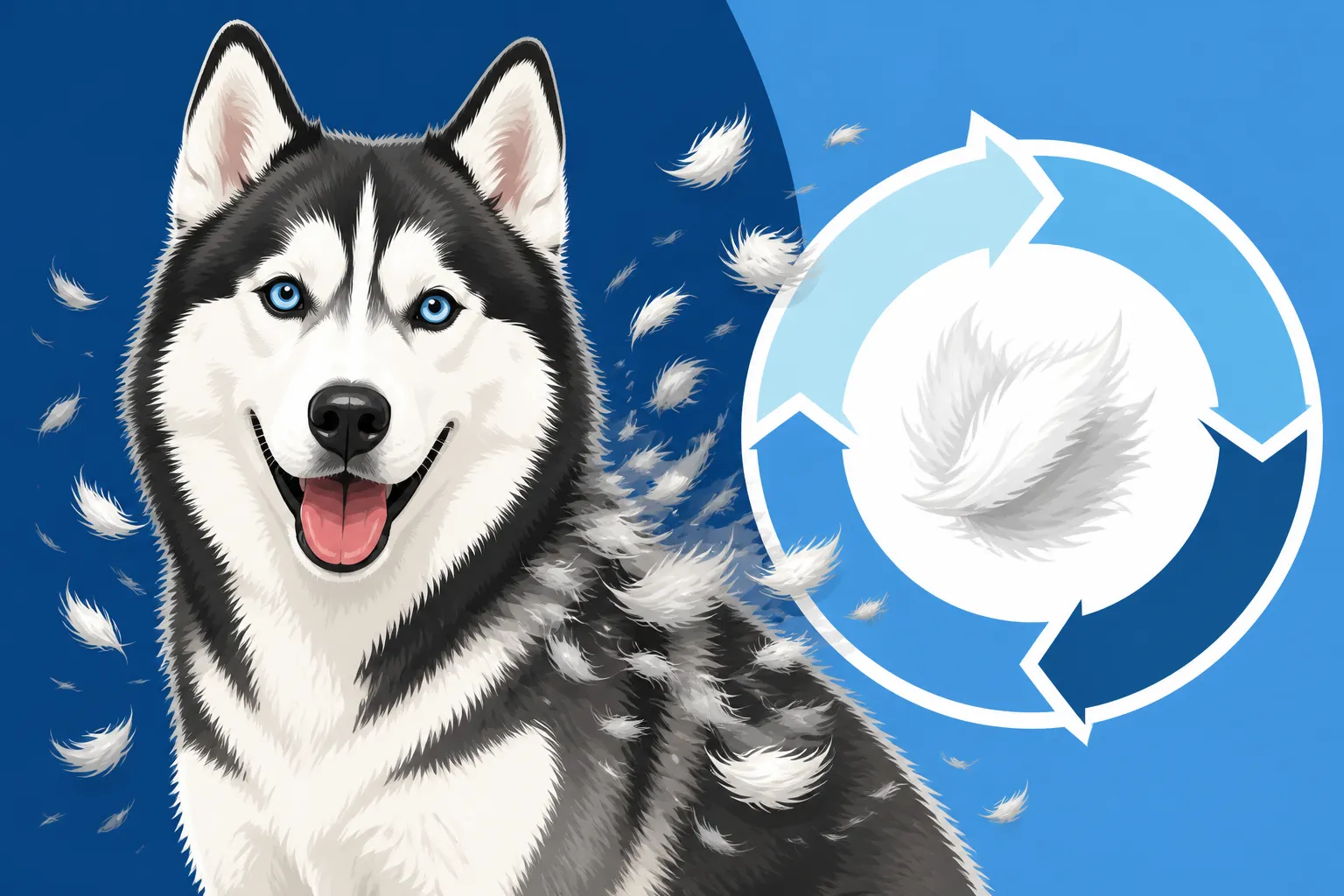
A coat blow is a perfectly natural and healthy physiological process for double-coated breeds like Siberian Huskies. Essentially, your Husky's body is making a significant wardrobe change, shedding its heavy winter insulation to prepare for the lighter demands of spring and summer, or vice-versa to shed a lighter summer coat for a denser winter one. This isn’t a slow, steady loss of hair like you might see in a short-haired dog; it's a massive release of dead undercoat that detaches from the hair follicles all at once.
Imagine shedding a winter jacket – but in your Husky's case, it's like shedding multiple winter jackets made of dense wool. This process is triggered primarily by changes in daylight hours and temperature, signaling to the dog's endocrine system that it’s time to adapt. Hormonal changes also play a role, influencing the hair follicles to release the old, dead undercoat. It’s a testament to their wild heritage and evolutionary adaptation.
When and How Often It Happens
Typically, Siberian Huskies experience a full coat blow twice a year: once in the spring as temperatures warm up, and again in the fall as winter approaches. The spring blow is usually the more dramatic and noticeable of the two, as they are shedding their thickest winter undercoat. You'll literally see tufts of soft, cotton-like fur loosening from their body. Spring and Fall Sheds in a Siberian Husky delve deeper into these cycles.
However, "typical" can be a flexible term. Factors like climate, whether your Husky lives primarily indoors or outdoors, and even whether they are spayed or neutered can influence the timing and frequency. Huskies living in very temperate climates with minimal seasonal shifts might shed more consistently year-round rather than having distinct, massive blows. Intact dogs might have their shedding influenced by hormonal cycles, while spayed or neutered dogs can sometimes develop a "spay coat" or "neuter coat," leading to a continuous, heavier undercoat that sheds more often, or even a denser coat that never fully blows. It’s always a good idea to monitor your individual dog to understand their unique shedding rhythm.
The Sheer Volume of Hair
Let's not sugarcoat it: the sheer volume of hair during a Husky coat blow is astounding. If you haven't experienced it, it's hard to convey. It's not just hair on the floor; it's hair that floats, hair that clings to every surface, hair that seems to manifest out of thin air. You might brush out enough fur to knit a small second dog, and still, more keeps coming. This is the reality that can overwhelm new owners.
The undercoat is so dense that when it detaches, it doesn’t just fall out in individual strands; it comes out in soft, cottony clumps and mats. These clumps get trapped within the outer guard hairs, creating a thick, insulating layer of dead fur that needs to be removed. If not removed, it can lead to matting, skin irritation, and prevent proper air circulation, actually making your Husky hotter. This is why active and consistent grooming during a coat blow is not just about cleanliness, but about your dog's comfort and skin health. It's a truly humbling experience to witness just how much fluff one dog can produce!
The Six-Week Reality of a Husky Coat Blow
So, you've braced yourself for the inevitable. You know the hair is coming. But what does it actually feel like to live through a coat blow, day by day, for what can feel like an eternity? While the post title mentions six weeks, it's important to understand that this is a general guideline. Some Huskies might finish in four, others might stretch to eight. How Long a Siberian Husky Coat Blow Runs really depends on the individual dog and environmental factors.
Week-by-Week Breakdown
Let's paint a realistic picture of what those weeks might look like:
-
Week 1-2: The Subtle Start & Initial Shock. You might first notice a few more tumbleweeds of fur rolling across your floors. Then, during a routine petting session, your hand might come away with a surprising amount of soft undercoat. You might see small, fluffy patches pushing out around their hindquarters or flanks. This is the "Aha!" moment. The actual blow is beginning. You might start brushing more frequently, only to be astonished by how quickly the brush fills up, seemingly endlessly. You'll think, "This is a lot, but I can handle it." You're in denial.
-
Week 3-4: The Peak Avalanche. This is where the term "coat blow" truly earns its name. The undercoat starts detaching in earnest, forming large, noticeable clumps. Your Husky might look patchy or scraggly as chunks of fur work their way out. Brushing becomes a daily, sometimes twice-daily, ritual, and you’ll fill bag after bag with their fluff. This is when you realize the initial shock was just a preview. Your vacuum cleaner becomes your best friend, and you might start questioning every life choice that led you to own a Husky. This is often the point where owners consider professional deshedding services, realizing the battle is bigger than their home tools.
-
Week 5-6: Waning but Lingering. The sheer volume of fur coming out might start to slightly decrease, but don't get too excited. There's still plenty to go around. You'll still be brushing out significant amounts, particularly from harder-to-reach areas like their "pants" (the fur on their hind legs) or their neck ruff. You'll notice their new, sleek coat starting to emerge more clearly beneath the remnants of the old. The tumbleweeds will still roam, but perhaps they're a little smaller, a little less aggressive in their migration patterns. You're entering the final stretch, weary but hopeful.
-
Beyond Week 6: The Aftermath & Maintenance. While the main blow is usually over, you'll likely still encounter residual shedding for a couple of weeks as every last stray undercoat fiber works its way free. After this, your Husky's coat should feel much thinner and lighter, and you can return to a more standard weekly grooming routine. Don't be surprised if you still find the occasional forgotten clump a month or two later – a little fluffy memento of the great coat blow of seasons past.
Impact on Your Home and Life
Living through a Husky coat blow means accepting that fur will become an integral part of your home décor, at least temporarily. It will be on your clothes, your furniture, your carpets, and mysteriously, even in your food. You will find yourself brushing your Husky, then brushing yourself immediately afterward. Your dark clothes will become art pieces adorned with white or gray fluff.
The battle against the fur will consume a surprising amount of your time and mental energy. Vacuums That Handle Siberian Husky Undercoat become an essential tool, and you'll run yours far more often than usual. Lint rollers will be strategically placed in every room. You might find yourself apologizing to guests before they even sit down. This isn't just an inconvenience; it can be genuinely frustrating and make you feel like your home is constantly dirty, no matter how much you clean. But remember, this too shall pass, and it's a small price to pay for the love and companionship of these magnificent dogs.
Managing Expectations
The best way to cope with a Siberian Husky coat blow is to manage your expectations. First, understand that it will happen. Second, realize it's a marathon, not a sprint. Third, accept that you will likely never be 100% fur-free during this period. Your goal is containment and removal, not eradication. This mindset shift can save you a lot of stress.
Prepare your home and your tools in advance. If you have the right brushes, a good vacuum, and a plan, you'll feel more in control. Communicate with family members about the extra cleaning effort needed. If you live with anyone with allergies, this period will be particularly challenging, and extra precautions like air purifiers and frequent washing of bedding will be crucial. Whether Air Filters Help in a Siberian Husky House is a great article to consider during this time. Remember, your Husky isn't doing this to spite you; it's a natural, healthy process. Patience and a sense of humor will be your most valuable assets.
Essential Grooming Tools for Coat Blow
To successfully navigate the fur storm that is a Siberian Husky coat blow, you can’t just rely on any old brush. You need specialized tools designed to penetrate their dense double coat and effectively remove the dead undercoat without damaging the healthy guard hairs. Investing in the right equipment will save you immense frustration and keep your Husky more comfortable.
Undercoat Rakes and De-shedding Tools
These are the absolute workhorses of coat blow management. An undercoat rake, often with long, rotating teeth, is designed to reach deep into the undercoat and gently pull out loose, dead hair without cutting or damaging the topcoat. You want one that can really get down to the skin without scratching. A good example might have wider-spaced teeth for initial passes and finer teeth for subsequent grooming. Undercoat Rakes and Slickers for a Siberian Husky can give you more specific guidance on selection.
De-shedding tools, such as those made famous by brands like Furminator, are also incredibly effective. These tools have a fine-toothed blade designed to grab and pull out loose undercoat. While very efficient, it's crucial to use them correctly and sparingly, as over-use or improper technique can potentially damage the guard hairs. Always read instructions carefully and use them on a dry, detangled coat. The key is to remove the dead undercoat, not to cut or pull out healthy hair.
High-Velocity Dryers
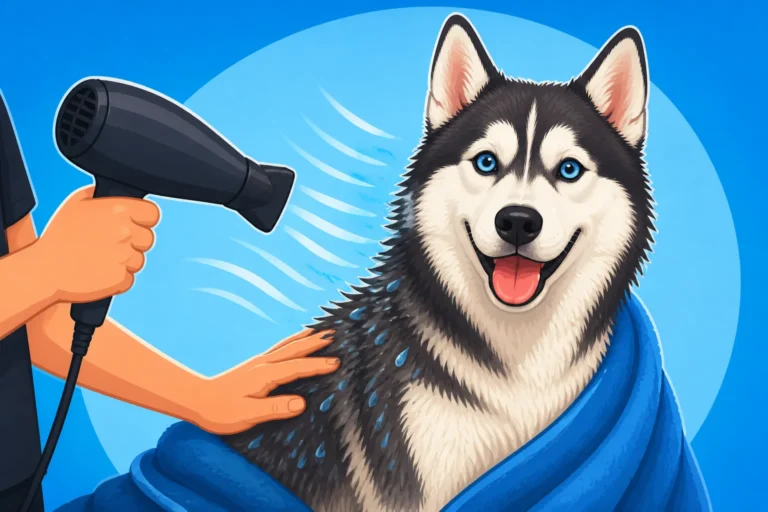
This might seem like an extravagant purchase, but for a Husky owner, a high-velocity dog dryer (often called a force dryer) is a game-changer, especially during a coat blow. These are not like human hairdryers; they blow cool or warm air at a very high speed, literally "blasting" the loose undercoat out of the dog's fur.
Using a high-velocity dryer after a bath, or even on a dry coat outdoors, can remove an astonishing amount of dead hair in minutes. It separates the coat layers, allowing the trapped undercoat to fly free. This is significantly more effective than brushing alone, and it also helps to thoroughly dry the thick undercoat, preventing skin issues. Imagine all that fur that would normally clog your brushes and float through your house, instead being blown directly into the wind (or ideally, into a contained area outdoors). Force Drying a Siberian Husky After a Bath details how impactful this can be. You can often find decent options on platforms like Amazon or Chewy.
Vacuum Cleaners and Air Purifiers
While not grooming tools for your Husky, a robust vacuum cleaner is an absolute necessity for maintaining your sanity during a coat blow. You’ll need a model designed to handle pet hair, preferably one with strong suction and good filtration to trap airborne fur and dander. Bagless models might be more convenient for emptying frequent loads of fur, but ensure the filters are easily cleanable. You’ll be vacuuming daily, sometimes more, to keep up with the shed.
Beyond the floor, consider an air purifier for your home, especially if anyone in the household has allergies or sensitivities. Air purifiers with HEPA filters can capture a significant amount of floating pet dander and hair, improving air quality and reducing the overall "fur factor" in your living space. While they won't stop the shedding, they can make your home feel much cleaner and more breathable. Remember, these items aren't just for cleaning; they're for maintaining a harmonious home environment when living with a shedding Siberian Husky.
Step-by-Step Grooming During a Coat Blow
Okay, you've got your arsenal of tools ready. Now, let’s talk strategy. Managing a Husky coat blow effectively requires a consistent, multi-pronged approach. It’s not just about brushing; it’s about a routine that addresses both the physical removal of hair and the overall health of your dog's skin and coat.
Daily Raking and Brushing
During the peak of a coat blow, daily, intensive brushing is non-negotiable. I know, it sounds like a lot, but trust me, it’s less work in the long run than trying to clean up endless amounts of detached fur from every corner of your home. Start with your undercoat rake. Work in sections, starting from the head and moving towards the tail. Lift the guard hairs with one hand and gently rake through the undercoat with the other, making sure the rake reaches the skin without scratching it. You'll be amazed at the amount of fluffy "Husky cloud" that comes out with each stroke.
Follow up with a de-shedding tool or a slicker brush, again working systematically over the entire body. Pay close attention to areas where mats are prone to form, such as behind the ears, under the legs, and around the tail. The goal is to remove as much dead undercoat as possible, allowing the new coat to grow in freely and preventing uncomfortable mats. Think of it as a constant battle against the fur tide; every bit you remove is one less bit floating around your house. Daily Raking Through a Siberian Husky Blow truly saves your sanity.
The Bathing Process
Bathing a Siberian Husky, especially during a coat blow, is an art form. While Huskies are generally clean dogs and don't require frequent bathing, a bath during a coat blow can be incredibly effective at loosening and removing dead undercoat. However, the key is thorough drying. A wet undercoat, if not completely dried, can lead to skin irritation and hot spots, which is the last thing you want.
Use a high-quality shampoo specifically designed for dogs. You can find excellent options on Chewy. Lather thoroughly, getting down to the skin, and let it sit for a few minutes to help loosen the fur. Rinse meticulously until no suds remain. Then comes the crucial part: drying. Use towels to get as much water off as possible, then immediately switch to your high-velocity dryer. Blast the water and loosened fur out of the coat until your Husky is bone dry, paying special attention to the dense undercoat. You'll be astonished by the amount of fur that comes flying out during this process. After they are dry, another thorough brushing session is usually in order.
Professional Grooming Services
Sometimes, the coat blow is so overwhelming, or your time is so limited, that professional help is the best solution. Many groomers offer "deshedding" services, which are specifically designed for double-coated breeds like Huskies. These services often include specialized shampoos and conditioners, powerful forced dryers, and expert brushing techniques that can remove a significant amount of dead undercoat in one session.
A professional groomer has the equipment and expertise to handle the sheer volume of fur and can often get to those hard-to-reach spots you might miss. While it’s an added expense, the relief of having a massive amount of fur removed by someone else, and the subsequent reduction in household fur, can be well worth it. It can jumpstart your efforts or provide a much-needed break from the constant grooming. If you're struggling, don't hesitate to seek out a reputable groomer experienced with northern breeds.
Nutrition and Supplements Supporting Coat Health
While grooming is your primary defense against the fur fortress during a coat blow, what goes into your Siberian Husky's body is just as important as what comes off it. A healthy coat starts from within, and good nutrition can significantly impact the quality, strength, and overall shedding pattern of your Husky's fur.
High-Quality Diet
A balanced, high-quality diet is the foundation for a healthy coat. Your Husky’s coat is primarily made of protein, so ensuring they receive adequate amounts of easily digestible protein is crucial. Look for dog foods where a named meat source (like chicken, beef, or salmon) is the first ingredient. Beyond protein, a diet rich in essential fatty acids, vitamins, and minerals supports skin health, which directly translates to coat health.
Avoid foods with excessive fillers or artificial ingredients, as these can sometimes lead to dull coats, dry skin, and even excessive shedding. While a good diet won't stop the natural process of a coat blow, it can contribute to a stronger, healthier coat that sheds out more cleanly and regrows properly. A healthy coat is less prone to breakage, has better luster, and may even shed a bit less dramatically in between the major blows. You can explore high-quality food options through retailers like Chewy or Ollie.
Omega Fatty Acids
When it comes to coat health, omega fatty acids are superstars. Specifically, Omega-3 and Omega-6 fatty acids play a vital role in maintaining healthy skin and a shiny, supple coat. Omega-3s, often found in fish oils (like salmon oil or sardine oil) and flaxseed, are powerful anti-inflammatory agents that can help soothe dry, itchy skin and reduce dander. Omega-6s, found in many vegetable oils and poultry fat, are important for the skin's barrier function and overall coat luster.
Many high-quality dog foods include these fatty acids, but sometimes, a supplement can provide an extra boost, especially if your Husky's coat seems dry, dull, or sheds excessively beyond the normal coat blow. You can purchase fish oil supplements specifically formulated for dogs, available at most pet supply stores or online through platforms like Amazon. Always consult your vet before adding any new supplements to your dog's diet, especially to ensure correct dosage.
Zinc Supplementation
Zinc is another crucial mineral that plays a significant role in skin and coat health, particularly for Siberian Huskies. Some Huskies have a genetic predisposition to malabsorption of zinc, leading to a condition called Zinc-Responsive Dermatosis. While not directly related to the shedding process of a coat blow, zinc deficiency can manifest as dry, flaky skin, crusting around the eyes, mouth, and joints, and a dull, thinning coat that sheds poorly or excessively.
If your Husky exhibits these symptoms, beyond the normal coat blow, it might be worth discussing zinc supplementation with your veterinarian. A vet can diagnose zinc deficiency and recommend the appropriate form and dosage of zinc. Zinc Supplementation for a Siberian Husky provides in-depth information on this condition. While not every Husky needs zinc supplementation, for those who do, it can make a dramatic difference in skin health and coat quality, helping ensure their coat grows back strong and vibrant after a blow.
Common Misconceptions and Troubleshooting
Despite being a natural process, the Husky coat blow often comes with a host of questions, misconceptions, and frustrations. Let's address some of the common concerns and offer practical troubleshooting tips to help you navigate this fluffy period.
Shedding Year-Round
One of the biggest misconceptions is that Siberian Huskies only shed twice a year during their coat blows. While the two major seasonal blows are indeed the most dramatic, Huskies do shedding year-round to some degree. It won't be the blizzard-like event of a coat blow, but you will still find stray hairs and small tufts of undercoat throughout the year.
The amount of year-round shedding can vary based on individual genetics, climate, and how much time your Husky spends indoors versus outdoors. An indoor Husky in a climate-controlled environment might shed more consistently and less dramatically year-round, as their body doesn't experience the distinct temperature shifts that trigger a full blow. Regardless, regular weekly brushing (even outside of a blow) is essential to remove loose hair, distribute natural oils, and keep their coat healthy and tangle-free.
Preventing Matting
During a coat blow, especially as large clumps of undercoat detach, matting becomes a significant concern. Mats are tangled clumps of fur that can pull on the skin, causing pain, irritation, and even skin infections if left untreated. They are particularly prone to forming in areas of friction, such as behind the ears, under the armpits, on the flanks, and around the "pants." Matting Behind a Siberian Husky's Ears is a common issue for Huskies.
The best defense against matting is consistent and thorough brushing during the coat blow. As mentioned earlier, daily raking and brushing are key. When you encounter a mat, try to gently tease it apart with your fingers first, then use a wide-toothed comb or a mat splitter. Never try to cut out mats with scissors close to the skin, as it's incredibly easy to accidentally cut your dog. If a mat is too tight or large, it’s best to seek professional grooming help to ensure it’s removed safely and comfortably for your Husky.
When to Consult Your Vet
While a coat blow is natural, there are times when excessive shedding or accompanying symptoms warrant a trip to the vet. If your Husky is shedding excessively outside of the typical seasonal blow pattern, or if the shedding is accompanied by other signs, it could indicate an underlying health issue.
Look out for:
- Patchy hair loss or bald spots: This is different from the normal, diffuse shedding of a coat blow.
- Red, inflamed, or irritated skin: This could indicate allergies, infections, or parasites.
- Excessive scratching, licking, or chewing: These behaviors often point to skin discomfort or allergies.
- Dull, dry, brittle coat: Could be a sign of nutritional deficiency or other health problems.
- Changes in appetite, energy levels, or behavior: These general symptoms, combined with coat issues, could signal a systemic illness.
If you observe any of these signs, don't hesitate to consult your veterinarian. They can help rule out medical conditions such as thyroid imbalances (Siberian Husky Hypothyroidism and Coat Change), allergies, parasites, or nutritional deficiencies that might be contributing to abnormal shedding or poor coat health.
Living with the Fur: Practical Household Tips
A Siberian Husky coat blow isn't just about your dog; it's about your entire living environment. The fur will infiltrate every nook and cranny, and without some proactive strategies, you might feel like you're living in a permanent snow globe of fluff. Here are some practical tips to help you maintain your home and your sanity during this time.
Protecting Furniture and Clothing
Let's be realistic: if your Husky is allowed on the furniture, it's going to get hairy. To minimize the impact during a coat blow, consider using washable slipcovers or blankets on your sofas and chairs. These can be easily removed, shaken out outdoors, and laundered regularly, saving your actual upholstery from becoming a permanent fur magnet. For beds, consider a dedicated pet blanket that can be washed frequently.
When it comes to clothing, accept that lint rollers will become your constant companion. Keep them by the door, in your car, and in your bag. Store your "going out" clothes in a closet or garment bag to keep them as fur-free as possible. Dark-colored clothing is particularly unforgiving with light Husky fur, so during the peak blow, you might find yourself gravitating towards lighter shades. A good clothes dryer with a "de-lint" or "air fluff" cycle can also help remove some of the clingy fur from laundry.
Car Care for Husky Owners
Oh, the car. It's often the place where Husky fur goes to truly embed itself. If your Husky rides in the car, investing in a good quality, heavy-duty car seat cover or hammock is a non-negotiable during a coat blow. These covers are typically waterproof and made from durable, easy-to-clean fabrics. Many can be quickly removed and shaken out or hosed off.
Regular vacuuming of your car's interior will also be essential. Handheld pet vacuums can be incredibly useful for quick clean-ups, but a stronger shop-vac might be needed for a more thorough job. Consider keeping a dedicated lint roller in your glove compartment. Preventing the fur from ever touching the upholstery is far easier than trying to extract it once it's woven itself into the fabric fibers.
Dealing with Allergies
If you or someone in your household suffers from pet allergies, a Siberian Husky coat blow will be a particularly challenging time. While no dog is truly hypoallergenic, the sheer volume of dander and fur released during a blow can significantly exacerbate allergy symptoms. Managing Whether Anyone Allergic Can Live With a Siberian Husky requires a multi-faceted approach.
Strategies include:
- Increased cleaning: More frequent vacuuming (with a HEPA filter vac) and dusting to remove dander.
- Air purifiers: Strategically placed air purifiers with HEPA filters can help remove airborne allergens.
- Designated "fur-free" zones: Try to keep your Husky out of bedrooms or specific areas to provide an allergen-reduced sanctuary.
- Frequent hand washing: Wash hands after petting your Husky, especially before touching your face.
- Medication: Allergy sufferers may need to increase their medication during this period.
- Grooming: As discussed, regular and thorough grooming of your Husky, preferably outdoors or in an easy-to-clean space, will reduce the amount of loose fur and dander in the environment.
Remember, patience and proactive measures are your best tools during a Siberian Husky coat blow. It's a temporary season of fluff, and with the right approach, you and your Husky can get through it comfortably.
Disclaimer
This article is for general informational purposes only and does not constitute professional advice. Laws, prices and regulations vary by location and change over time. Consult a qualified professional for guidance on your specific situation.