Matting Behind a Siberian Husky’s Ears
Anyone who shares their home with a magnificent Siberian Husky knows the sheer joy and occasional exasperation these dogs bring. One frustrating, and often painful, issue that sneaks up on even the most diligent owner is matting, especially in those tricky, delicate areas like right behind their ears. It's a common problem, seemingly appearing overnight, turning soft fluff into a dense, uncomfortable tangle. This guide is dedicated to helping you understand why these mats form, the potential harm they can cause, and most importantly, how to safely and gently remove them, along with practical tips for prevention.
Why Those Pesky Mats Form Right Behind the Ears
It’s not just bad luck that mats seem to congregate right behind your Husky’s ears; there’s a scientific and behavioral reason for it. This area is a perfect storm for tangles, combining fine undercoat, friction, and often, a little bit of moisture. Understanding these factors is the first step toward keeping your furry friend comfortable and mat-free.
The Anatomy of a Husky's Ear Fur
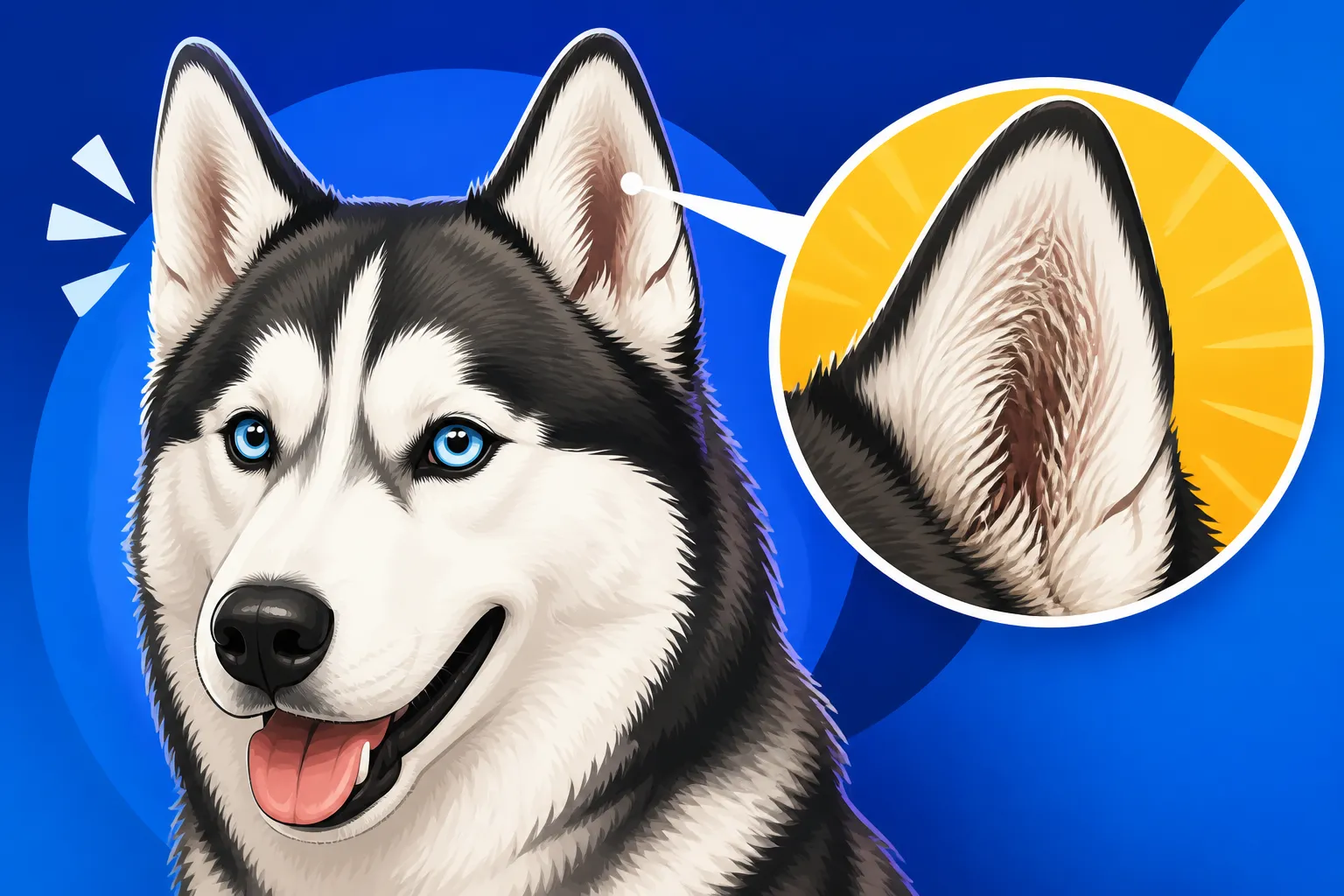
Let's talk about that glorious double coat for a moment. Siberian Huskies have a dense undercoat and coarser guard hairs. Why the Siberian Husky Double Coat Actually Does so much for them, but it also creates grooming challenges. The fur directly behind their ears is often finer, softer, and more cotton-like than the rest of their body fur, making it incredibly prone to knotting. Think of it like a patch of baby hair – it’s just naturally more delicate and inclined to clump. These delicate hairs are also subjected to constant friction from head movements, scratching, and even just lying down. This repeated rubbing causes the individual hairs to intertwine and eventually felt together, forming those tight, painful mats.
Common Causes: Collars, Scratching, Moisture, and Lack of Grooming
Beyond the type of fur, several everyday factors contribute to matting behind the ears.
- Collars and Harnesses: If your Husky wears a collar, especially one that fits a little too loosely or rubs in certain spots, it can push the fur around the ears, creating friction that leads to mats. Similarly, harness straps might not directly affect the ear area, but they can alter how a collar sits or how your Husky carries their head, indirectly increasing the risk.
- Scratching and Rubbing: Huskies love a good scratch, and they’ll often use their paws or rub their heads against furniture to get relief. If there's an itch or irritation, perhaps from allergies or even a minor insect bite, the increased scratching will quickly felt the delicate fur into a mat. Dogs with ear infections might scratch more frequently, compounding the issue.
- Moisture: Rain, snow, bath time, or even just high humidity can contribute significantly. When the undercoat gets wet and isn't thoroughly dried, it's much more likely to clump and mat as it dries, especially in dense areas like behind the ears. This is why a proper drying technique after a bath is so critical, even though Bathing a Siberian Husky and How Rarely they tend to need one.
- Infrequent Grooming: This is probably the biggest culprit. During their Siberian Husky Coat Blow and the Six Weeks It Lasts, or even in between, neglecting to brush the specific area behind the ears allows small tangles to quickly escalate into serious mats. The fine fur in this spot needs consistent attention. It’s easy to miss during a quick brush-over, but ignoring it allows tiny knots to become formidable felted masses surprisingly fast.
The Real Risks of Ignoring Ear Matting
While a mat might just look like a tangled mess, for your Siberian Husky, it can be a source of significant discomfort, pain, and even serious health issues. It's not just an aesthetic problem; it's a wellness concern that needs prompt and gentle attention.
Skin Irritation and Infections: Hot Spots, Yeast, Bacteria
Imagine having a tight, hardened clump of hair constantly pulling at your skin. That's what a mat feels like to your Husky. Mats create a breeding ground for problems. They pull on the skin, causing irritation, redness, and inflammation. This constant tension can be incredibly painful. Furthermore, mats trap moisture, dirt, and debris against the skin, creating an environment that bacteria and yeast absolutely love. This can quickly lead to:
- Hot Spots: These are acute moist dermatitis lesions, essentially raw, red, painful skin infections that spread rapidly. Mats deprive the skin of air, allowing bacteria to multiply and cause these angry, weeping sores.
- Yeast Infections: Moist, airless skin under a mat is also a prime location for yeast to flourish, leading to itchy, smelly skin that can be difficult to clear up without veterinary intervention.
- Bacterial Infections: Any break in the skin from scratching or irritation can allow bacteria to enter, leading to more generalized skin infections, which may require antibiotics. The longer a mat is left, the more likely these secondary infections are to develop.
Pain and Discomfort: Pulling, Restricted Movement, Behavioral Changes
The pain associated with mats goes far beyond just skin irritation. As mats tighten, they can severely restrict your Husky's movement. A mat behind the ear might make it painful for them to turn their head, shake, or even lie down comfortably. This constant pulling sensation is akin to having your hair constantly tugged.
This discomfort can lead to noticeable behavioral changes. A normally playful and affectionate Husky might become withdrawn, irritable, or even snap when approached, especially if you try to touch the painful area. They might resist grooming more than usual, because they associate it with pain. In severe cases, they might constantly paw at their ears or rub their head against objects in a desperate attempt to relieve the pressure, inadvertently making the matting worse. It's a vicious cycle that impacts their overall quality of life and can strain the bond you share. Ignoring it isn't an option if you want your Husky to live a happy, pain-free life.
Your Step-by-Step Guide to Safely Removing Siberian Husky Ear Mats
Approaching matted fur on a Siberian Husky requires patience, the right tools, and a gentle hand. Rushing the process or using aggressive techniques can cause more pain and trauma. Remember, your goal is to free your Husky from discomfort, not add to it.
Gathering Your Tools: Combs, Detanglers, Blunt-Nosed Scissors
Before you even think about tackling a mat, you need to assemble your arsenal. Trying to wing it with the wrong tools will only lead to frustration for both you and your Husky.
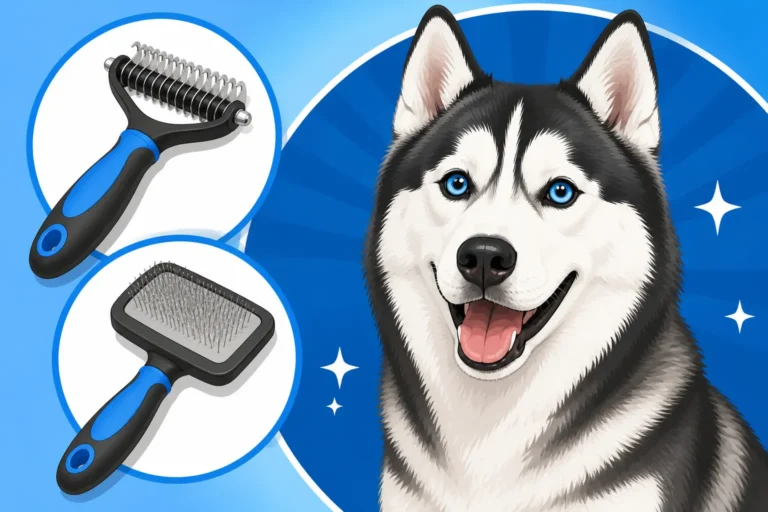
- A Good Quality Slicker Brush: While not for direct mat removal, it's essential for general grooming and to help separate the hair around the mat.
- Metal Wide-Tooth Comb: This is your primary tool for gently working through tangles. Look for one with smooth, rounded teeth to avoid scratching the skin.
- Dematter Tool or Mat Splitter: These specialized tools have blades designed to cut through mats without getting too close to the skin. They can be incredibly helpful for stubborn mats, but must be used with extreme caution.
- Blunt-Nosed Scissors: Absolutely crucial. The blunt ends prevent accidental skin punctures. These are for cutting into the mat, not across it, and only as a last resort.
- Detangling Spray or Conditioner: A good quality, pet-safe detangling spray, such as those you can find on
ChewyorAmazon, can make a world of difference. It lubricates the hair, making it easier to separate. You could even use a dab of cornstarch or baby powder to help dry out the mat and give you some grip. - Treats! Plenty of high-value treats to keep your Husky happy and distracted.
- Helper (Optional but Recommended): An extra pair of hands can be invaluable for holding your Husky still or offering treats.
The Gentle Detangling Process: How to Work Through the Mat, Section by Section
Okay, deep breath! This is where your patience truly comes into play.
- Assess the Situation: Gently feel the mat. How big is it? How tight is it to the skin? This will dictate your approach. If it's rock-solid and pulling the skin taut, you might need professional help (more on that below).
- Apply Detangler: Spray or apply your detangling solution directly onto the mat, working it in with your fingers. Let it sit for a few minutes to penetrate the hair. If using cornstarch, sprinkle it on and work it in to absorb moisture and give you a better grip.
- Isolate the Mat: Gently hold the skin at the base of the mat to minimize pulling. This is crucial for your Husky's comfort.
- Pick, Don't Pull: Start at the very edge of the mat, closest to the hair ends, and use the tips of your wide-tooth comb to pick at the mat, a few hairs at a time. Work slowly, patiently, and in tiny increments. If you hit resistance, stop. Do not yank or pull, as this will only cause pain and tighten the mat further.
- Use a Dematter Tool (If Necessary): If the mat is very dense, you can use a dematter tool, always with the blades facing away from the skin. Make small, parallel cuts through the mat to break it up into smaller sections, then go back to picking with your comb.
- Scissors as a Last Resort: If all else fails, and only if you can clearly see the skin beneath the mat, you can use your blunt-nosed scissors. Slide the blunt end of the scissors under the mat, parallel to the skin, and make small snips into the mat, effectively splitting it. NEVER cut across the mat and risk cutting the skin. Work carefully, visualizing where the skin is at all times. The goal is to slice the mat into smaller, more manageable pieces that you can then comb out.
- Frequent Breaks and Rewards: This is exhausting and potentially stressful for your Husky. Take frequent breaks, offer praise, and shower them with treats. Keep sessions short, especially if they are getting agitated.
- Brush it Out: Once the mat is mostly broken up and loose, use your slicker brush and then the wide-tooth comb to gently brush out the remaining tangles and smooth the fur.
Here's a quick comparison of tools:
| Tool Type | Best For | How to Use | Key Caution |
|---|---|---|---|
| Wide-Tooth Comb | Small tangles, picking apart loose mats | Start at ends, gently pick 1-2 hairs at a time from mat edge | Do not yank; always hold skin at base of mat |
| Slicker Brush | General grooming, smoothing post-detangling | Brush in direction of hair growth, separate sections | Not for tight mats; can cause brush burn if used too hard |
| Dematter Tool | Dense, felted mats (to break into smaller pieces) | Blades face away from skin; make parallel cuts into mat | Extreme caution needed; can cut skin if misused |
| Blunt-Nosed Scissors | Very stubborn mats (to slice into sections) | Slide blunt end under mat, parallel to skin; snip into mat | NEVER cut across the mat; only slice into it; know where skin is |
| Detangling Spray | Lubricating hair, easing separation | Spray generously, work in, let sit; makes combing easier | Use pet-safe products only |
When to Seek Professional Help: Recognizing Limits, Veterinary Groomers
Sometimes, despite your best efforts, a mat is just too severe, too close to the skin, or too widespread for you to tackle safely at home. This is where professional help is not just recommended, but essential.
- Size and Severity: If a mat is large, rock-hard, or covers a significant portion of the skin, don't risk it. Trying to remove such a mat at home could cause immense pain, tear the skin, or lead to serious injury.
- Husky's Temperament: If your Husky is highly stressed, reactive, or aggressive when you try to touch the matted area, it’s safer for everyone to let a professional handle it. You don't want to damage your relationship with your dog over a mat.
- Skin Condition: If you notice any redness, oozing, open sores, or a foul smell beneath the mat, it indicates an infection. Trying to remove the mat without addressing the underlying infection can be excruciatingly painful and worsen the condition.
- Veterinary Groomers: Your best bet for severe matting, especially if there's skin involvement, is a veterinary groomer or a general veterinarian who offers grooming services. They can sedate your Husky if necessary, ensuring a stress-free experience for your dog and allowing them to safely clip off the mat, often revealing significant skin issues that need medical treatment. Regular groomers are fantastic, but severe matting that requires medical attention or sedation falls into the vet's realm. Don't feel like you've failed if you need to call in the pros – you're prioritizing your Husky's well-being.
Prevention is Key: Keeping Those Husky Ears Mat-Free
Once you've successfully navigated the painful process of mat removal, your focus should immediately shift to prevention. It's much easier to prevent mats than to remove them, and a consistent routine will keep your Husky comfortable and happy.
Routine Grooming and Inspection: Daily Checks, Targeted Brushing
Consistency is the name of the game when it comes to preventing mats, particularly in sensitive areas like behind the ears.
- Daily "Ear Check" Ritual: Make it a habit to gently feel behind your Husky's ears every single day. Just a quick run of your fingers can catch a tiny tangle before it becomes a problem. This also gets your Husky used to having their ears handled, which is good for general Siberian Husky Dental and Ear Care.
- Targeted Brushing: During your regular grooming sessions, pay extra attention to the areas most prone to matting. Use a wide-tooth comb and then a slicker brush, working in small sections behind the ears. Start from the tips of the fur and work your way down to the skin, making sure you're not just brushing the surface. For their thick double coat, tools like Undercoat Rakes and Slickers for a Siberian Husky are invaluable for getting deep into the undercoat without damaging the guard hairs. Aim for a thorough brushing a few times a week, or more frequently during their heavy shedding seasons. Siberian Husky Weekly Grooming Between Blows is vital to prevent major problems.
- High-Velocity Dryer: If your Husky gets wet, whether from a bath or playing in the rain, a high-velocity dryer (often available on
Amazon) is a game-changer. It blasts the water out of the undercoat, preventing tangles from forming as the fur dries. Ensure the dryer isn't too hot and keep it moving constantly. A High-Velocity Dryer for a Siberian Husky Coat helps ensure the undercoat is truly dry and fluffed, not clumped.
Managing Moisture and Friction: Proper Drying, Collar Choices
Beyond routine brushing, being mindful of factors that cause mats can make a huge difference.
- Thorough Drying: After any water exposure, even just a damp walk, ensure the fur behind your Husky's ears is completely dry. Towel dry first, then use a hairdryer on a cool setting or a high-velocity dryer. Don't let their coat air dry if it's wet down to the skin, as this is a recipe for matting and potential skin issues.
- Collar Consideration: Evaluate your Husky's collar. Is it the right fit? Does it rub too much? Consider a flat buckle collar made of a smooth material, or even a harness that doesn't put pressure directly on the neck for daily walks, removing the collar when they are securely indoors and supervised. If you use a martingale collar, ensure it's removed when not actively walking to prevent constant friction.
- Prevent Excessive Scratching: If you notice your Husky scratching at their ears frequently, investigate the cause. It could be allergies, ear mites, or an ear infection. Addressing the root cause will not only provide relief for your dog but also prevent matting caused by self-inflicted friction.
Diet and Skin Health: Omega Fatty Acids, Zinc
Believe it or not, your Husky’s diet plays a supporting role in coat health and mat prevention. A healthy coat is less prone to tangles and breakage.
- Omega Fatty Acids: Incorporating omega-3 and omega-6 fatty acids into your Husky's diet can significantly improve skin and coat health. These essential fats help maintain skin elasticity and moisture, leading to a healthier, stronger coat that is more resilient to matting. You can find supplements or foods fortified with these fatty acids at pet supply stores like
ChewyorOllie. - Zinc Supplementation: Siberian Huskies are genetically predisposed to poor zinc absorption, which can manifest as dry, flaky skin and a dull coat, making it more susceptible to matting. Zinc-Responsive Dermatosis in the Siberian Husky is a serious condition, but even minor zinc deficiencies can impact coat quality. Consult with your veterinarian before adding any supplements, but if a deficiency is suspected, a vet-approved zinc supplement could dramatically improve coat health. Maintaining optimal skin and coat health through nutrition creates a stronger, smoother coat that is naturally more resistant to tangling and matting.
Disclaimer
This article is for general informational purposes only and does not constitute professional advice. Laws, prices and regulations vary by location and change over time. Consult a qualified professional for guidance on your specific situation.