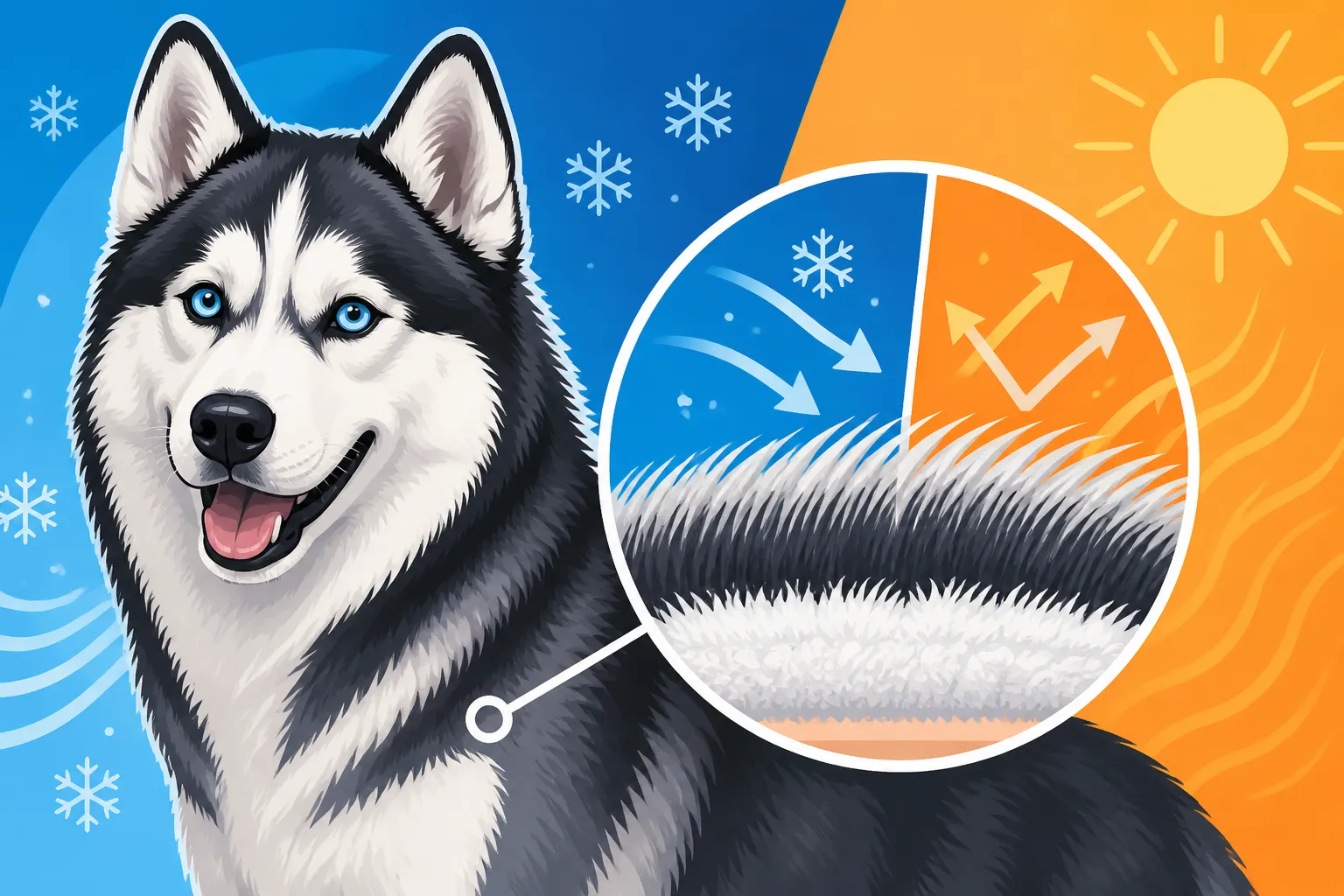
What the Siberian Husky Double Coat Actually Does
Many folks look at a Siberian Husky and immediately see that gorgeous, fluffy coat and think, "Wow, that must be hot in the summer!" or perhaps, "That looks like a lot of work!" While both statements hold a kernel of truth, they often miss the incredible engineering behind that stunning fur. This guide dives deep into the intricate design of the Siberian Husky's double coat, revealing how it keeps them comfortable in a surprising range of temperatures and why understanding its function is crucial for their well-being.
The Marvel of the Siberian Husky's Double Coat: An Overview
The Siberian Husky’s coat isn't just a pretty facade; it's a highly evolved piece of natural insulation and protection, finely tuned over centuries in the harsh Siberian environment. Unlike many dog breeds, Huskies possess a true "double coat," meaning it comprises two distinct layers, each with a unique purpose. It's this intelligent design that allows them to thrive in climates that would send other breeds shivering or panting excessively.
This dual-layer system is often misunderstood, leading to common misconceptions about their care, especially regarding heat tolerance and grooming. But once you understand how these layers work in tandem, you’ll appreciate the sheer brilliance of their natural attire. It's less about the sheer volume of fur, and more about the specific qualities of each strand and how they interact.
Guard Hairs: The Outer Shield
The outer layer of the Siberian Husky's coat consists of what are known as "guard hairs." These hairs are typically longer, coarser, and stronger than the undercoat. They lie relatively flat against the body, forming a protective barrier that is both water-resistant and wind-resistant. Imagine them as the shingles on a roof, carefully overlapping to shed water and deflect environmental elements.
These guard hairs are crucial for the Husky's survival in snowy and icy conditions. When snow falls, it tends to sit on top of these guard hairs, preventing it from reaching the skin or saturating the dense undercoat. This keeps the dog dry and prevents uncomfortable chilling. Their texture also helps to prevent burrs, twigs, and other debris from easily penetrating to the skin, offering a first line of defense against minor abrasions.
Beyond their protective qualities, guard hairs also contribute to the Husky's striking appearance. They define the dog's color and markings, giving them that classic, wild look. While they shed, their shedding cycle is less dramatic than the undercoat, meaning they tend to fall out more gradually rather than in massive clumps.
Undercoat: The Insulating Core
Beneath the guard hairs lies the true secret to the Siberian Husky's thermal regulation: the undercoat. This layer is incredibly dense, soft, and woolly, often feeling like a thick cloud of cotton. Its primary function is insulation, trapping a layer of air close to the dog's body. It's similar to how down feathers work in a winter jacket – it's not the feathers themselves, but the air they trap, that keeps you warm.
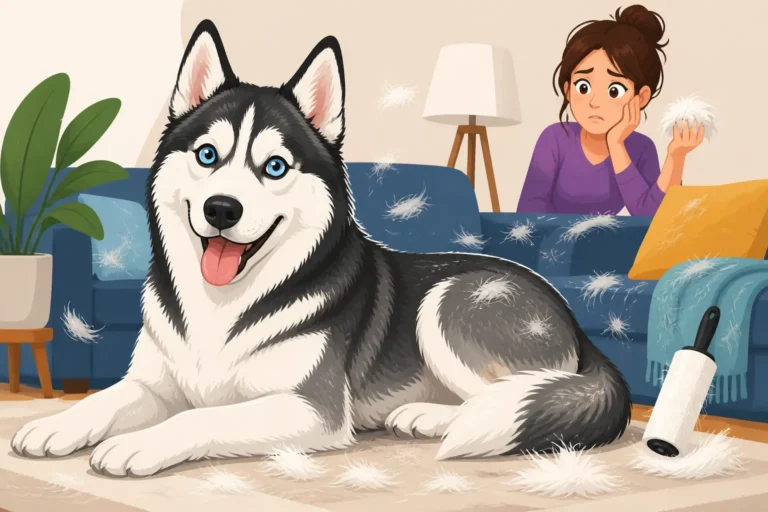
The density of this undercoat fluctuates with the seasons. In winter, it grows exceptionally thick and plush, providing maximum warmth. In the warmer months, the Husky "blows" this undercoat, shedding massive amounts to allow for better airflow and prevent overheating. This cyclical shedding is an intense, sometimes weeks-long process that every Husky owner knows well. You can read more about it in Siberian Husky Coat Blow and the Six Weeks It Lasts.
Without a healthy, well-maintained undercoat, the Husky's ability to regulate its body temperature is severely compromised. If this layer becomes matted or isn't properly shed, it can prevent air circulation, leading to discomfort in both hot and cold weather. Regular grooming, often with specialized tools available on platforms like Amazon or Chewy, is essential to keep this vital layer functioning correctly.
How the Double Coat Conquers the Cold
It’s no secret that Siberian Huskies are built for cold weather. Their ancestors were companions to the Chukchi people, thriving in the extreme, sub-zero temperatures of northeastern Siberia. The double coat is, without a doubt, their most formidable weapon against the biting cold, working in sophisticated ways to ensure their survival and comfort.
This isn't just about having "lots of fur"; it's about the unique properties of each hair type and how they create an incredibly efficient thermal system. Their physiology is a masterclass in adaptation, turning what might seem like a liability in other breeds into a distinct advantage for life in the tundra.
Trapping Warmth in Extreme Temperatures
The undercoat's primary role in cold weather is to trap a thick layer of warm air right next to the Husky's skin. This trapped air acts as a buffer between the dog's body heat and the frigid outside temperatures. The more voluminous and dense the undercoat, the more insulating air it can hold, creating a personal microclimate for the dog.
Think of it like wearing multiple thin layers of clothing: each layer traps air, and together they create a powerful insulating effect. The Husky’s undercoat achieves this naturally and effortlessly. Even when a Husky is actively moving in extremely cold conditions, this air layer remains relatively stable, allowing their body to maintain a consistent core temperature without expending excessive energy. This remarkable efficiency is a key reason why How Cold a Siberian Husky Can Actually Take is often surprising to people unfamiliar with the breed.
Furthermore, the guard hairs, while not directly insulating, keep this trapped air layer undisturbed. They prevent wind from penetrating and displacing the warm air, and they stop external moisture from soaking the undercoat, which would compromise its insulating ability. This multi-faceted approach ensures that heat generated by the dog's body is conserved, even in the most brutal winter conditions.
Protection from Wind and Snow
Beyond insulation, the guard hairs provide an invaluable outer shell against the elements. Their slightly coarse texture and tendency to lie flat create a smooth, almost impenetrable surface. This allows snow and ice to simply slide off or sit loosely on top, preventing it from melting against the skin and causing dampness and chilling.
Consider a Husky trotting through a blizzard: the wind, instead of cutting through to their skin, glides over the guard hairs. This wind resistance drastically reduces convective heat loss, which is when wind strips away body heat. Without this protective outer layer, the insulating undercoat would be far less effective, quickly becoming compressed and wet, rendering its air-trapping properties useless.
This robust outer layer also protects against minor physical hazards often encountered in snowy or icy environments, such as sharp ice crystals or frozen branches. It's a full-body shield that allows them to move freely and comfortably in their natural habitat, making them exceptionally well-suited for activities like sledding or hiking in cold climates. For more specific advice on year-round preparation, check out Siberian Husky Cold Weather Care and Its Limits.
The Surprising Role of the Double Coat in Heat
Many people mistakenly believe that a double-coated dog like a Husky must suffer terribly in warm weather. This assumption often leads well-meaning owners to consider shaving their Husky, which can actually be detrimental. In reality, the double coat is equally important, though in a different way, for keeping a Husky cool and comfortable when temperatures rise.
It’s all about working with nature, not against it. The coat isn't just for keeping heat in; it's also about managing heat out and facilitating natural cooling processes. This remarkable adaptability is another testament to the breed's incredible evolution.
Reflecting Solar Radiation
The outer layer of guard hairs acts as a natural sun shield, much like a wide-brimmed hat or a reflective car shade. These hairs are designed to deflect direct sunlight and its associated heat away from the dog's body. Rather than absorbing the sun's rays and transferring that heat to the skin, the guard hairs help to bounce it off.
This is particularly effective in Huskies with lighter coat colors, but even darker coats gain some benefit from the protective layer preventing direct skin exposure. Without this natural barrier, a Husky's skin would be directly exposed to intense UV radiation, not only increasing the risk of sunburn but also causing the skin to absorb more heat, leading to overheating. This vital function is a key part of How a Siberian Husky Coat Keeps Heat Out.
Furthermore, the natural oils in the guard hairs, combined with their slight stiffness, also help to prevent dirt and dust from easily penetrating to the skin. This keeps the skin cleaner and allows pores to breathe, further aiding the cooling process. It’s a subtle yet highly effective design for managing solar exposure.
Facilitating Airflow and Evaporation
This is where the undercoat's role in summer becomes truly counter-intuitive for many owners. Once the thick winter undercoat has been shed (the "coat blow"), the remaining, lighter undercoat and the guard hairs work together to create an air pocket. This air pocket isn't for trapping heat; it's for facilitating airflow. As the dog moves, air circulates through this loosely packed layer, acting like a natural fan.
This airflow is crucial for evaporative cooling, which is the primary way dogs cool themselves. As air moves through the coat and across the skin, it helps to wick away moisture and dissipate heat, similar to how a breeze feels refreshing on a sweaty day. Without the coat, or if the coat is shaved, this vital air pocket is disrupted, and the skin is exposed, potentially leading to increased heat absorption.
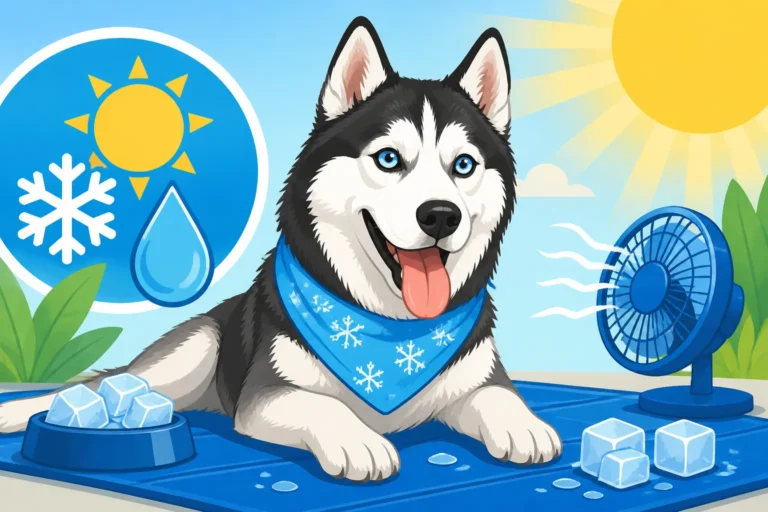
Additionally, the coat protects the skin from absorbing too much ambient heat from the surroundings. Think of it as insulation in reverse; it prevents external heat from easily reaching the body. This combination of reflection and airflow is why Cooling a Siberian Husky Without Wetting the Undercoat sometimes involves strategies that seem contrary to what you'd do with other breeds.
Why Shaving a Siberian Husky is a Big No-No
It’s a common sight in summer: a well-meaning Husky owner with a freshly shaved dog, thinking they’re doing their pet a favor. However, shaving a Siberian Husky is almost universally advised against by veterinarians, groomers experienced with double coats, and long-time Husky enthusiasts. It can cause more harm than good, disrupting the very mechanisms nature designed to keep them comfortable.
The desire to shave often stems from a lack of understanding about how the double coat actually works, particularly its dual function in both cold and warm weather. But the consequences can be significant, ranging from immediate discomfort to long-term damage to the coat itself.
Destroying Natural Insulation
When you shave a Siberian Husky, you remove both the protective guard hairs and the crucial undercoat. This immediately destroys the intricate system of trapped air and protective barriers that the coat provides. In cold weather, this is obvious: without their insulation, Huskies become highly susceptible to hypothermia and need artificial protection.
However, in warm weather, the consequences are equally serious. By removing the guard hairs, you eliminate the reflective shield that deflects solar radiation. This means the sun's heat now directly hits the dog's skin, which can lead to the dog actually feeling hotter and absorbing more external heat than if the coat were intact. The airflow system for evaporative cooling is also compromised, making it harder for the dog to dissipate heat. This is a critical point elaborated in Why a Shaved Siberian Husky Overheats.
It's a misconception that removing the hair makes the dog cooler. It often does the opposite by stripping away their natural defense system. The coat is their built-in air conditioner and heater; taking it away leaves them vulnerable and less able to self-regulate their temperature.
Increased Risk of Sunburn and Skin Issues
With the guard hairs gone, a shaved Husky's skin is directly exposed to the sun's harsh UV rays. This drastically increases their risk of sunburn, particularly for Huskies with lighter pigmentation on their skin (which you can't always see under their fur). Sunburn is painful for dogs, just as it is for humans, and it can lead to more serious skin conditions, including skin cancer over time.
Beyond sunburn, a shaved coat can also lead to other dermatological problems. The skin, suddenly exposed, can become dry, irritated, or more prone to allergies and insect bites. The delicate balance of skin oils and natural protection is thrown off. Furthermore, the coat may not grow back correctly, leading to a condition sometimes called "post-clipping alopecia" or "coat change." The texture can become cottony, patchy, or simply not return to its original form, permanently altering the coat's protective qualities. For more on this, you might find Whether a Shaved Siberian Husky Coat Ever Recovers informative.
Instead of shaving, focus on proper grooming, providing shade, fresh water, and timing exercise during cooler parts of the day. A natural, healthy double coat is always the best coat for a Siberian Husky.
Managing the Double Coat: Grooming and Care
Living with a Siberian Husky means living with their coat, and that includes understanding how to properly maintain it. Their double coat, while a marvel of nature, isn't entirely hands-off. Regular, appropriate grooming is essential for its health, cleanliness, and continued function. It ensures your Husky remains comfortable, whether they're dashing through winter snow or lounging in the summer shade.
Many of the grooming challenges, especially shedding, are simply part of the package when you choose this breed. But with the right tools and techniques, managing their magnificent fur can become a bonding experience rather than a chore.
Routine Brushing for Health and Comfort
The most crucial aspect of double coat care is consistent brushing. This isn't just about reducing shedding around your house, though that's a welcome bonus. Regular brushing, especially with the right tools, helps to remove dead undercoat, prevent matting, and distribute natural skin oils throughout the coat. Matted fur can pull on the skin, causing discomfort, and it severely compromises the insulating and ventilating properties of the coat.
During periods of heavy shedding, known as "coat blow," daily brushing is often necessary. A good quality undercoat rake and slicker brush are indispensable. Tools from brands found on Chewy or Amazon can make a huge difference in efficiency and effectiveness. Brushing helps to pull out the dead, loose undercoat that would otherwise clump and hinder air circulation, particularly important for summer cooling. You can learn more about specific tools and techniques in Undercoat Rakes and Slickers for a Siberian Husky.
Even outside of coat blows, a weekly thorough brushing session helps keep the coat healthy, free of tangles, and prevents the buildup of dirt and debris. It also allows you to check for any skin irritations, parasites, or lumps that might be hidden by the dense fur.
Bathing and Drying Challenges
Siberian Huskies are remarkably clean dogs and don't typically have a strong "doggy odor," largely thanks to their coat composition. They also tend to groom themselves much like cats. Because of this, they don't require frequent bathing, which is a good thing considering the effort involved in properly drying a double coat. Over-bathing can strip essential oils, leading to dry skin and coat issues. For insights on frequency, see Bathing a Siberian Husky and How Rarely.
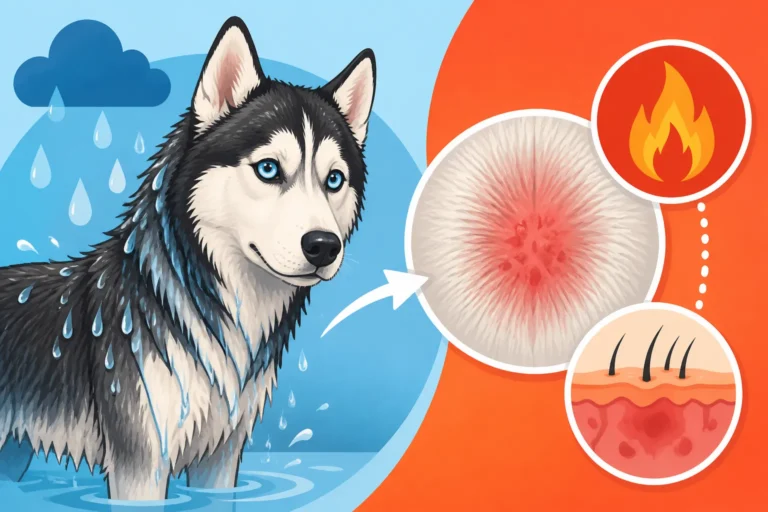
When you do bathe a Husky, especially during a coat blow, it's crucial to ensure the coat is thoroughly dry, right down to the skin. A wet undercoat, especially if left damp, can create a breeding ground for bacteria and yeast, leading to hot spots or skin infections. This is where a high-velocity dryer comes in handy, as towel drying alone is often insufficient. These powerful dryers blow water out of the coat rather than just absorbing it, helping to separate the hairs and ensure deep drying.
If professional grooming is an option, many groomers offer de-shedding services that include a bath, specialized shampoo, and force-drying to remove as much loose undercoat as possible. This can significantly reduce the amount of fur shed in your home and ensure the coat is clean and healthy. Remember, a clean and dry double coat functions optimally, protecting your Husky through all seasons. Also, be aware that Spring and Fall Sheds in a Siberian Husky are typically when bathing and de-shedding are most intense.
Table: Guard Hairs vs. Undercoat in a Siberian Husky
To better understand the distinct roles of each layer in your Siberian Husky's coat, here's a quick comparison:
| Feature | Guard Hairs | Undercoat |
|---|---|---|
| Location | Outer layer | Inner layer, close to the skin |
| Texture | Longer, coarser, stiffer | Shorter, softer, woolly, dense |
| Primary Role | Protection, water resistance, wind barrier, UV shield | Insulation, trapping air for warmth or cooling |
| Shedding | Gradual, year-round | Seasonal "blows" (massive shedding) |
| Appearance | Defines coat color and markings | Provides volume and softness |
| Function in Cold | Deflects snow/ice, blocks wind | Traps warm air close to body |
| Function in Heat | Reflects sun, creates airflow channel | Loosely held air pocket facilitates cooling |
| Maintenance Need | Brushing for cleanliness, debris removal | Extensive brushing to remove dead fur and prevent matting |
Disclaimer
This article is for general informational purposes only and does not constitute professional advice. Laws, prices and regulations vary by location and change over time. Consult a qualified professional for guidance on your specific situation.